
Explore Artists
Browse through 2,075 talented actors, musicians, dancers, filmmakers and creative professionals from Nepal.
2,738
All Artists
211
Actor
233
Actress
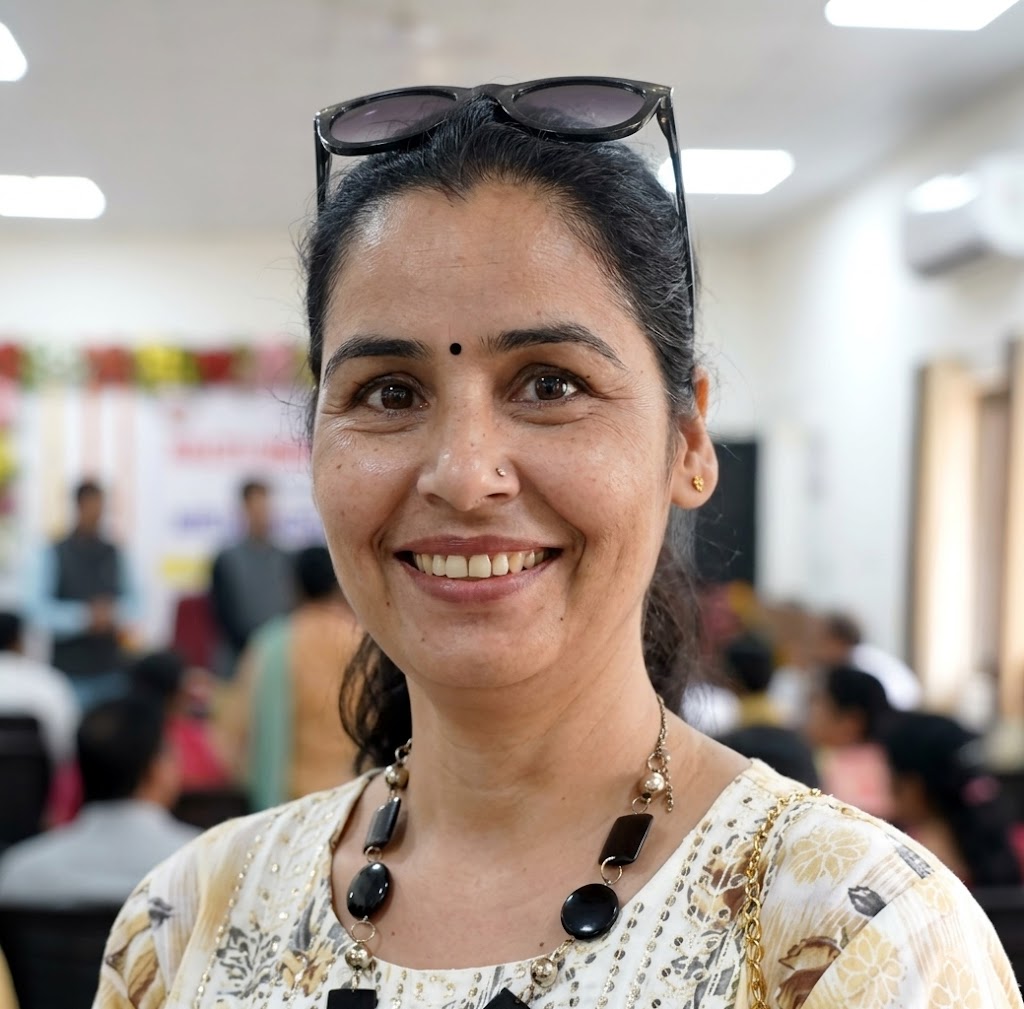
Megha Pokharel (मेघा पोखरेल) is a former Nepali film actress who was active in Nepali cinema during the mid-1990s. She is remembered for her appearances in social and romantic Nepali films and is considered one of the actresses associated with the 1990s generation of Nepali cinema. Although she remained active for a short period, her work in films like Soltini and Sannani helped her gain recognition among audiences of that era.Megha Pokharel appeared in the 1995 Nepali movie Soltini, directed by Arun Kumar Jha. The film featured actors including Lokendra Karki, Ravi Shah, Santosh Panta, Parvati Adhikari, and Chiranjibi Basnet. The movie became one of the notable social-romantic films of its time and introduced Megha Pokharel to mainstream Nepali film audiences.She later appeared in Sannani alongside Saroj Khanal, Hemanta Budhathoki, and Sunil Thapa.Megha Pokharel’s real name is believed to be Bimala Pokharel, while “Megha Pokharel” was used as her screen name during her film career. After the late 1990s, she gradually stayed away from the public film industry, her contribution remains part of the archival history of classic Nepali cinema.
Megha Pokharel
Actress
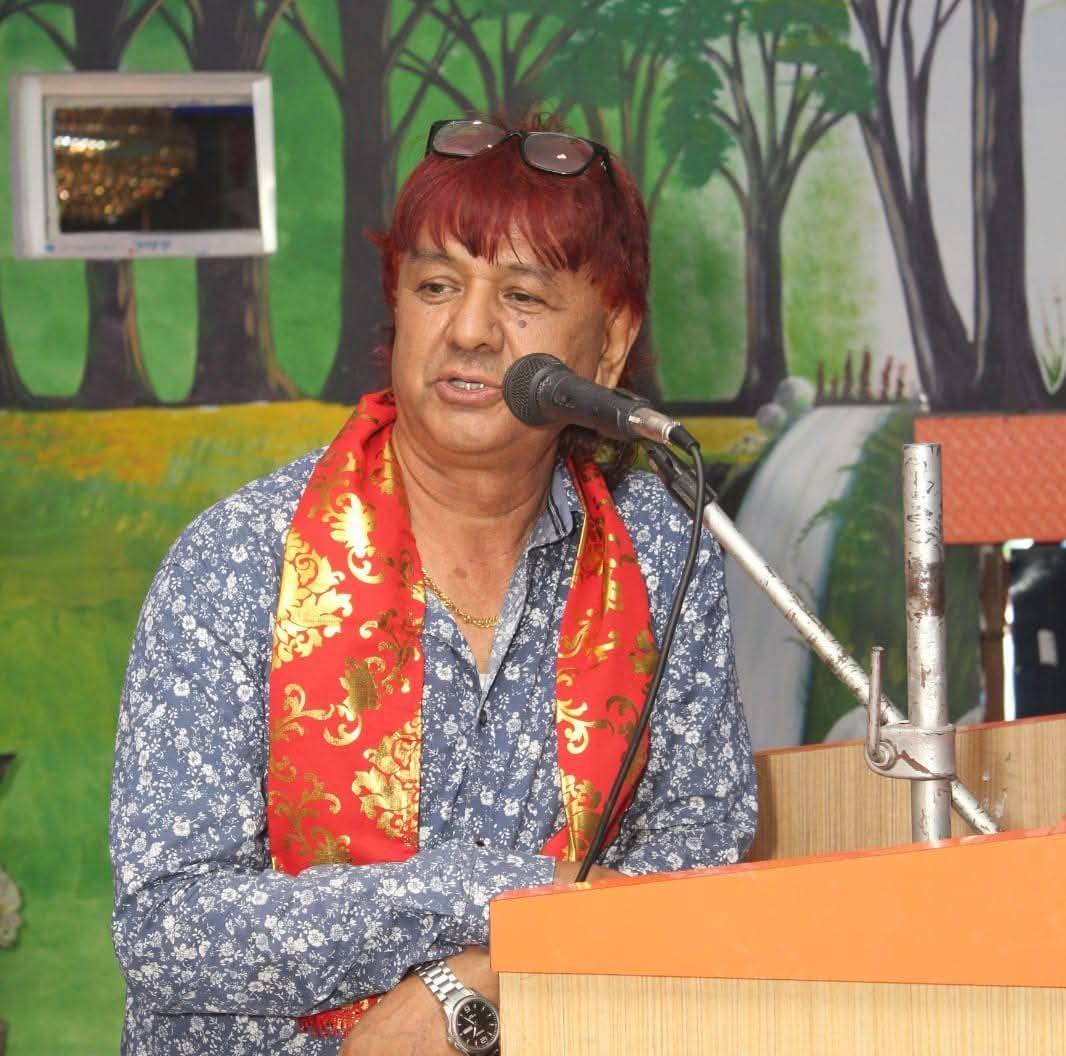
Chiranjibi Basnet is a Nepali film artist active since 1990, known for his wide-ranging contributions as an actor, producer, sound designer, music director, production manager, legal advisor, audiographer, story writer, and co‑cinematographer. He has worked in 26+ films across multiple departments, making him one of the most versatile behind‑the‑scenes contributors in Nepali cinema.
Chiranjibi Basnet
Film Maker/ Producer, Film Artists
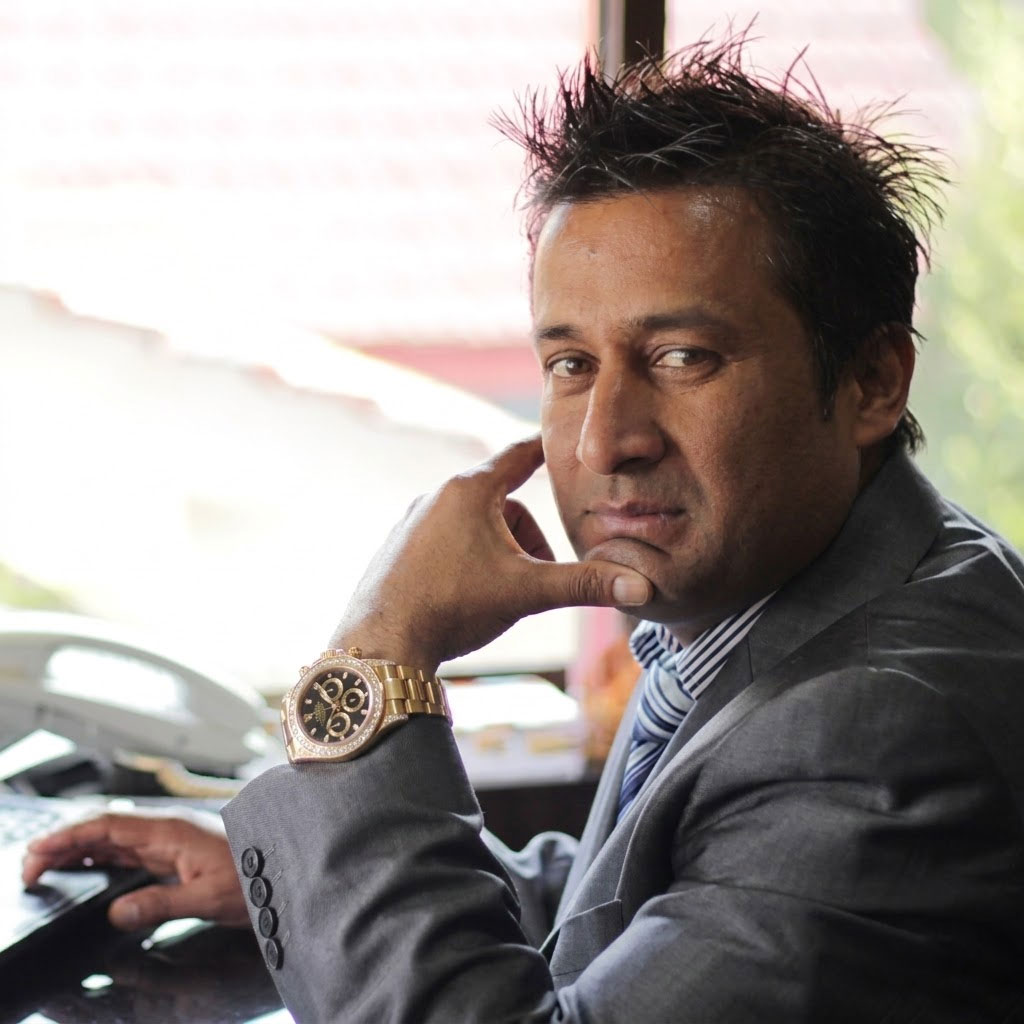
Lokendra Karki is a Nepali film actor and producer who became active in the Nepali film industry during the mid-1990s. He is recognized for his performances in action, drama, and social films that were popular during the late 1990s and early 2000s Nepali cinema era.Lokendra Karki started his acting career with the film Soltini in 1995 and later appeared in several Nepali movies including Deurali, Dulaha Raja Dulaha Rani, Hatiyar, Jange, Army, Sadyantra, Maan, and Shasan. His screen presence and supporting roles helped him establish a recognizable identity among audiences of that period.Apart from acting, Lokendra Karki has also been involved in film production. He worked as a producer for the movie Shasan (2011), expanding his contribution to the Nepali film industry beyond acting.
Lokendra Karki
Actor
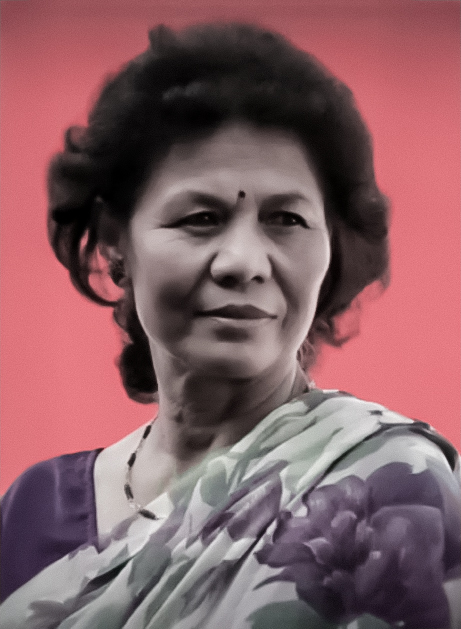
Sushila Kansakar is a revered Nepali singer whose graceful voice left a lasting mark on modern and Newari music. Born to Nil Ratna and Harsha Devi Kansakar, she gained early fame through Radio Nepal’s anniversary program in 2018 BS (1961 AD), where she won a gold medal presented by King Mahendra. With a voice both powerful and tender, she recorded memorable songs like “Malai Marnu Na Bachnu Banayo Piratile”. Although her recorded output was limited, her influence endures through timeless broadcasts and cultural tributes. Kansakar balanced her artistic passion with academic excellence, earning a Master’s in Economics and serving in the Nepal Government, where she rose to Vice Secretary. After marriage, she withdrew from music, yet her legacy continues to resonate with fans and younger generations who celebrate her unique contribution to Nepal’s golden musical era.
Sushila Kansakar
Music Artists, Folk Singer
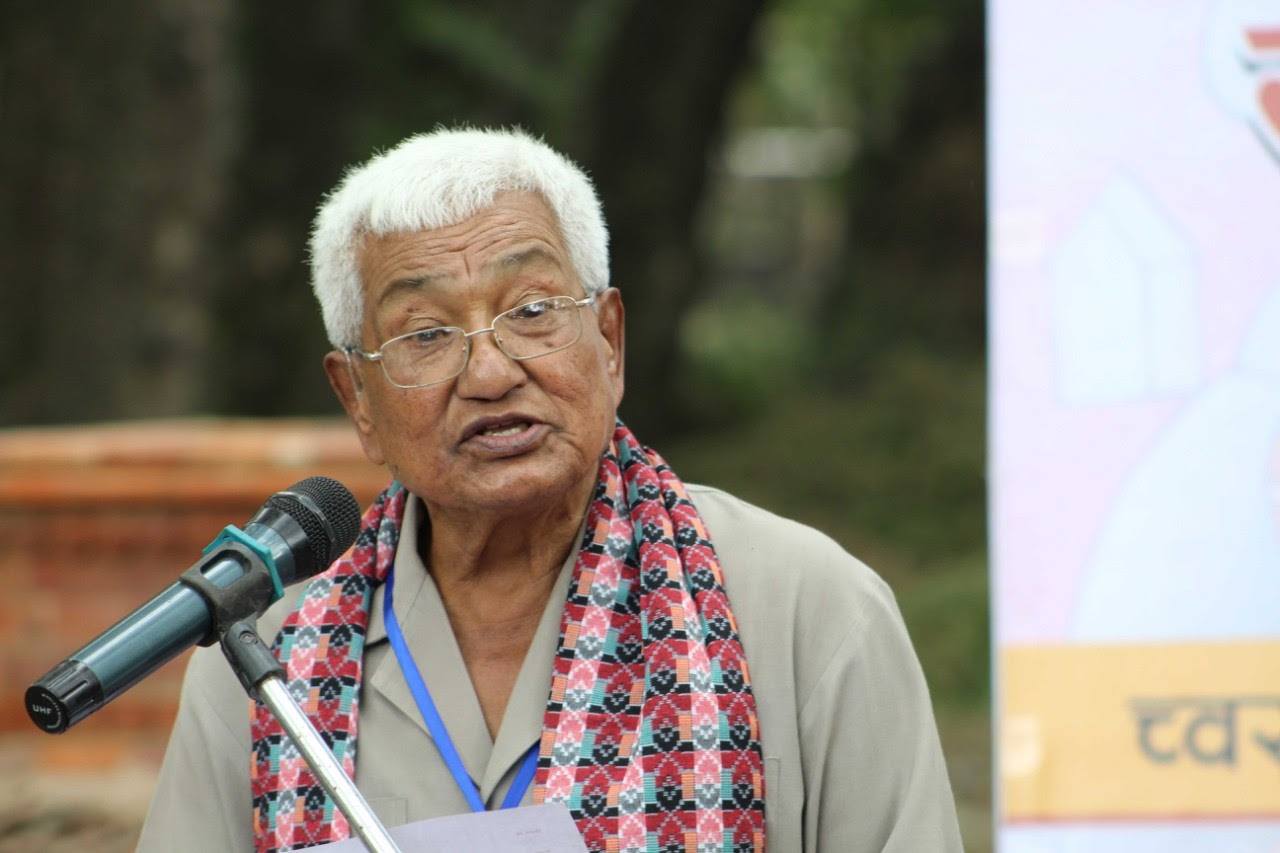
Durga Lal Shrestha is a celebrated Nepali lyricist and poet known for his powerful, socially conscious writing and his deep contribution to modern Nepali literature and music. Active since the 1960s, he has written some of Nepal’s most memorable and emotionally resonant lyrics, blending poetic sensitivity with themes of identity, struggle, love, and social justice. His works—often rooted in the lived experiences of ordinary people—have been performed by leading singers across generations, making him one of the most influential literary voices in Nepali songwriting. Shrestha’s poetry is recognized for its clarity, cultural depth, and humanistic spirit, securing his place as a respected figure in Nepal’s literary and musical heritage.
Durga Lal Shrestha
Lyricist, Poet
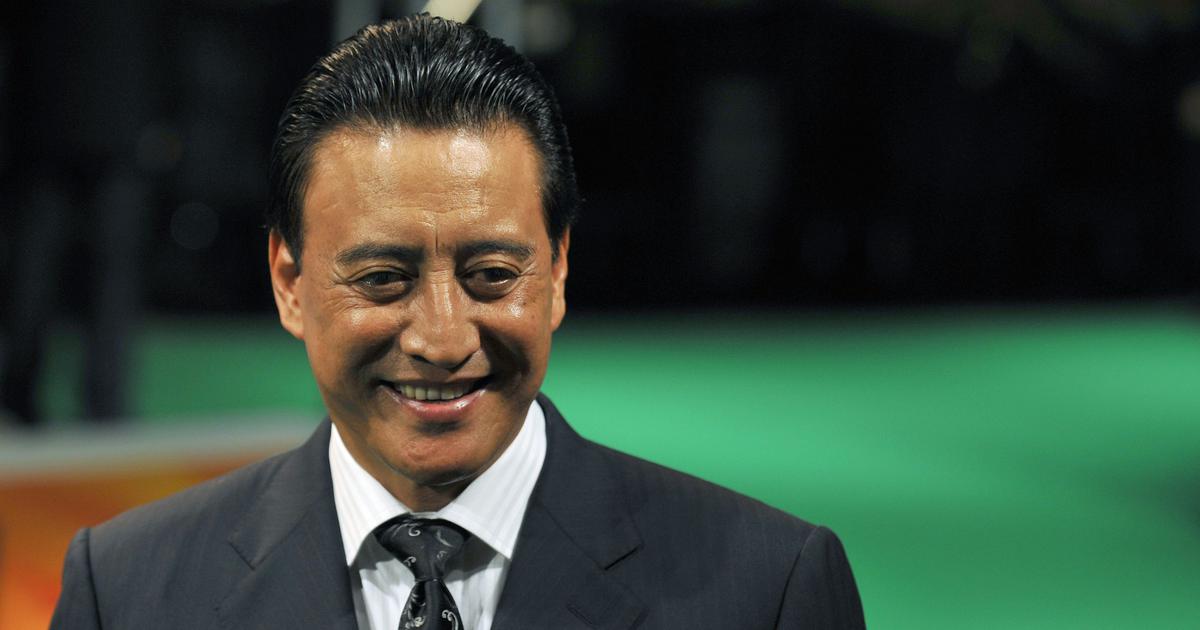
Danny Denzongpa is a legendary Nepali‑origin Indian actor, singer, and filmmaker whose career spans more than five decades, with over 190 films since his debut in 1971.. Born in Yuksom, Sikkim, he rose to prominence in Hindi films through memorable roles in Khuda Gawah, Agneepath, Ghatak, Hum, Andhi Gali, and many others, becoming one of the most respected character actors of his generation. As a singer, he recorded several Nepali hits, including the evergreen “Musu Musu Hasi Deu”,Rato Rani Phulejhai and “Chiso Chiso Hawama”, which remain beloved across Nepal. Danny also acted in the Nepali film Saino, a classic of Nepali cinema.
Danny Denzongpa
Actor, Singer/ Performer

Om Bikram Bista (ॐ विक्रम विष्ट) is a pioneering Nepali musician, singer, and composer widely celebrated as Nepal’s “King of Pop.” Emerging in the 1970s and rising to national fame through his modern, youth‑oriented sound, he helped introduce Western‑influenced pop music to Nepal’s mainstream. His energetic vocals, melodic compositions, and charismatic stage presence made him one of the most influential figures in Nepali contemporary music. With a career spanning decades, Bista’s songs remain timeless, and his contribution continues to shape the identity and evolution of Nepali pop culture.
Om Bikram Bista
Pop Artist, Singer/ Performer
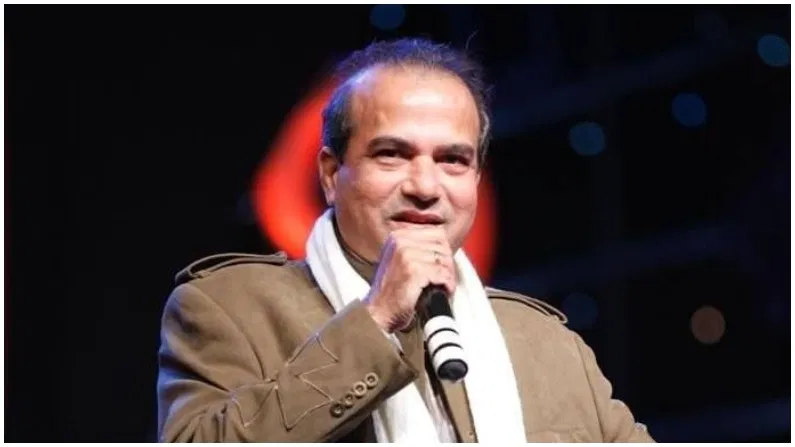
Suresh Wadkar has sung several Nepali playback songs, especially during the 1988s–1998s, and remains one of the few major Indian playback singers with a recognized presence in Nepali cinema. His Nepali songs are not widely documented in mainstream Indian sources, but his contribution is acknowledged in Nepali music circles.
Suresh Wadkar
Playback Singer
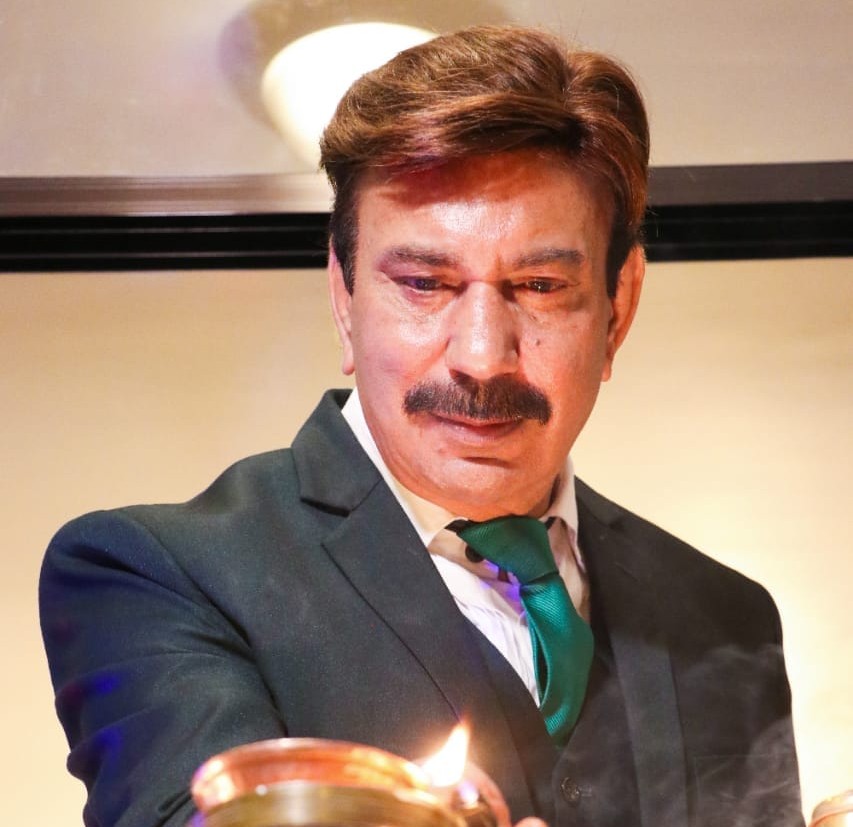
Bhuwan KC (born 23 August 1957) is a leading figure in Nepali cinema whose career spans singing, acting, film production, and direction. He began his artistic journey as a singer in the late 1970s, recording modern Nepali songs before transitioning to acting. His breakthrough as an actor came with the blockbuster film Samjhana (1983), establishing him as one of the most popular romantic heroes of the 1980s and 1990s.In the early 1990s, KC expanded into film production, producing several commercially successful films that strengthened his position in the industry. He later moved into direction, making his directorial debut with Dreams (2016), starring his son Anmol KC.Across four decades, Bhuwan KC has remained a central figure in Nepali cinema, contributing to its evolution through performance, production, and direction.
Bhuwan KC
Actor, Film Director, Film Maker/ Producer
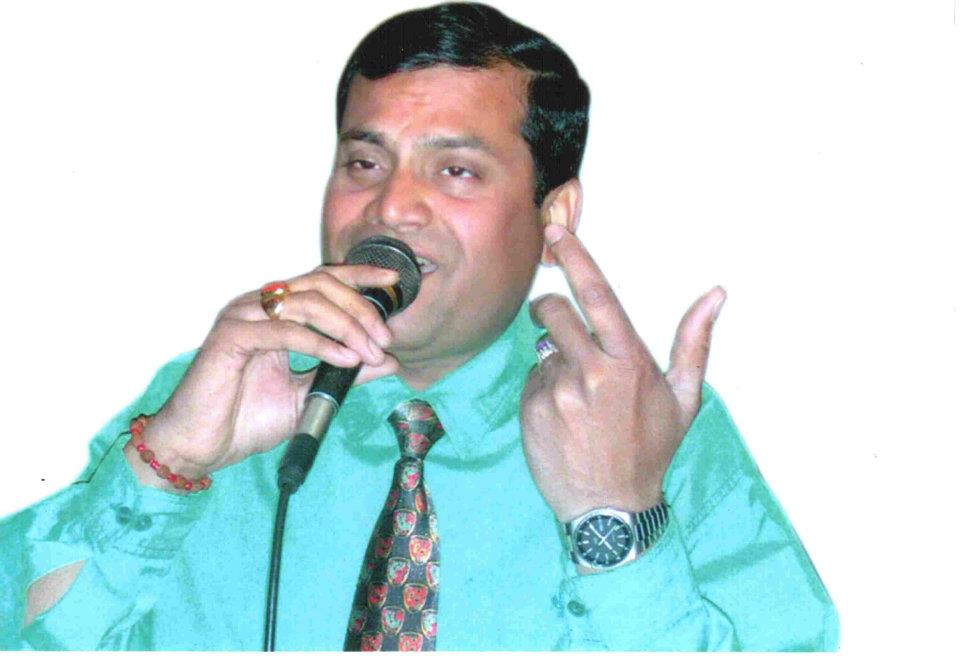
Rama Mandal is a veteran Nepali singer active since 2038 BS (1981 AD), known for his powerful folk and modern vocal style and for contributing more than 700 songs across Nepali, Maithili, Bhojpuri, Hindi, Tharu, and Awadhi languages.His formal musical journey began in 2038 BS (1981 AD) when he won the Koshi Anchal Modern Singing Competition. In 2039 BS (1982 AD), he secured second place in the Nationwide Lokgeet Competition at Birendra Sabhagriha, Biratnagar, receiving a Rs. 700 cash prize from Queen Aishwarya, which further motivated him.He later joined Tyros, the musical group led by Bhupendra Rayamajhi, becoming active in various musical programs. Around 2041 BS (1984 AD), he passed the Radio Nepal voice test with the song “Chahana ra ichchhāharu sabai phool jastai oiligae”. After completing Sangeet Prabhakar from Allahabad Music School, he joined Radio Nepal in 2045 BS (1988 AD).His playback journey began with the film Manakamana, singing “Jai Jai Aama Manakamana” and “Bujhdai nabujhne yo manlai bujhauna sakinina maile”. His fame rose sharply after “Kaha chhau kaha” from Gopikrishna (2048 BS / 1991 AD).Across his career, he has recorded 700+ songs, including 150+ film songs, with popular hits such as Yo ketiko thik chaina chala, Nyurod ma euti keti palis launa aaki, Jodi milne bho panchebaja thokne bho, Swargbhanda sundar chha hamro sano ghar.His multi‑language mastery and decades of contribution make him one of the most respected and prolific singers in Nepali music.
Rama Mandal
Playback Singer
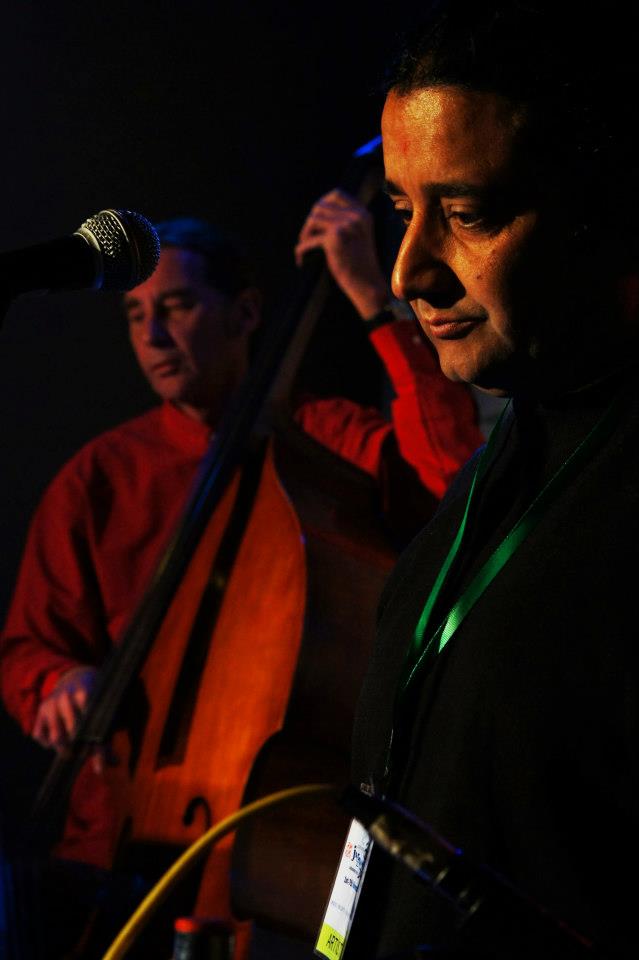
Prabhu Raj Dhakal is a renowned Nepali classical vocalist, composer, and music educator, currently serving as a vocal teacher at the Music Department of Kathmandu University and Nepal Music School. Born on 29th Shrawan 2025 B.S., he is the son of the legendary Sangeet Pravin Pragya Pandit Nara Raj Dhakal and Jyoti Dhakal. Growing up in Dhobichaur, Chhetrapati, he was surrounded by music from an early age, with many prominent radio singers frequenting his home to learn from his father. Inspired by this rich musical environment, Dhakal developed a deep-rooted passion for classical music. Though initially advised by his father not to pursue music professionally, his dedication and progress eventually earned his father’s support. He began teaching classical vocals over two decades ago, first as a substitute for his father and then full-time as student numbers grew. Over the years, he has contributed significantly to the classical music scene in Nepal. His notable albums include ‘Moment’, a collaboration with fellow musicians, and ‘Sohani’, featuring his compositions performed by his students. He is also a founding member of the classical ensemble Dafa, alongside Suresh Bajracharya and Rabin Shrestha. The group not only performs but also organizes annual events to honor veteran artists who have contributed to Nepali music.
Prabhu Raj Dhakal
Music Artists, Music Instructor, Singer/ Performer
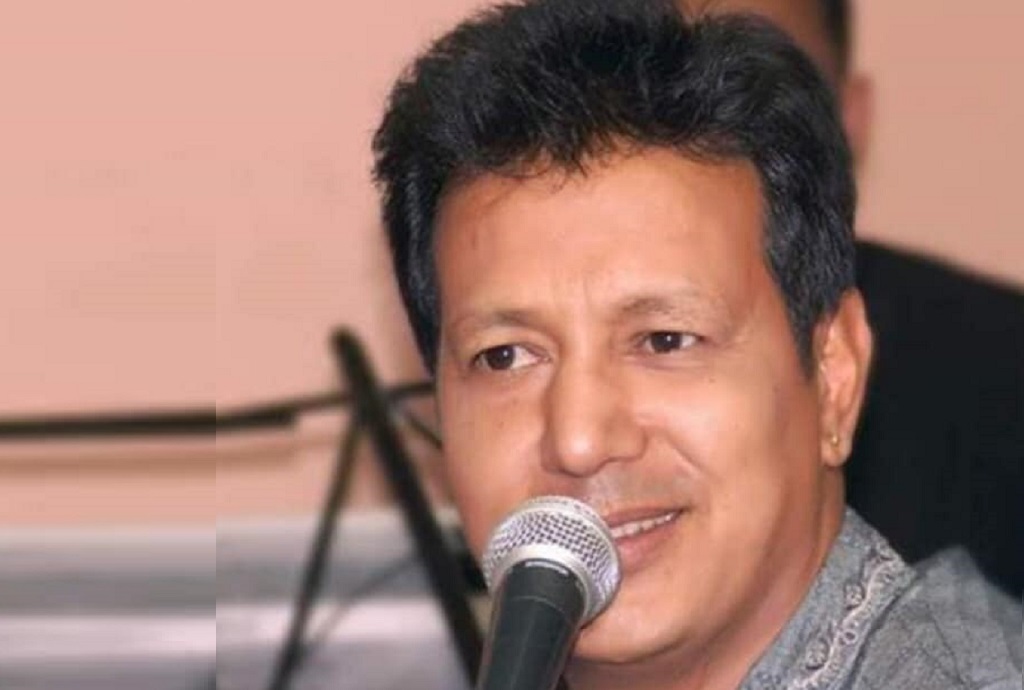
Nishan Bhattarai was a senior Nepali ghazal singer who emerged in the late 2040s BS, known for his soulful voice, emotional depth, and long dedication to stage and restaurant ghazal performances. He was the younger brother of renowned singer Lochan Bhattarai, and was respected for his gentle personality and commitment to the art of ghazal singing.He spent part of his career working at Radio Nepal, where he recorded several memorable songs. Among his notable works are “Yo mutubhitra timro tasbir…” composed by Milan Moktan, and “Kamanale bharieko…” written by Dirgha Singh Bam. Another well‑known song, “Maya gar maya gar…”, featured female vocals by Sukmit Gurung.Through decades of performances and recordings, he contributed significantly to the growth and preservation of Nepali ghazal music, earning admiration from audiences and fellow musicians alike.Nishan Bhattarai passed away in a road accident at Tinkune, Kathmandu, on Monday night, 28 Poush 2076 (13 January 2020 AD).
Nishan Bhattarai
Playback Singer
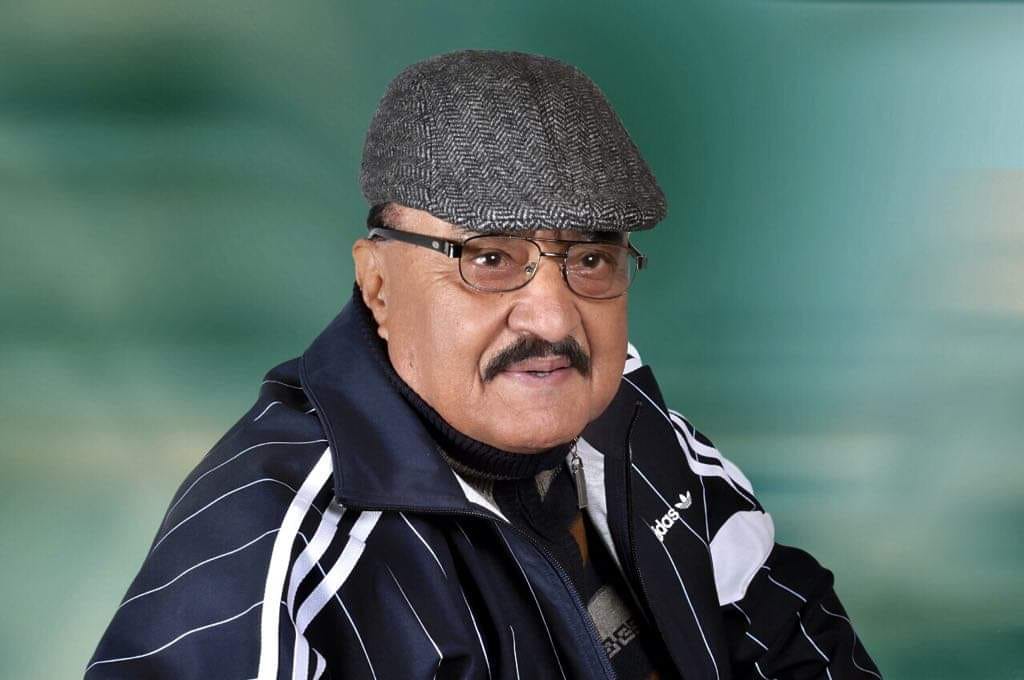
Mukunda Kishor Bhattarai is a veteran Nepali film artist known for his multi‑disciplinary contributions as an actor, writer, screenplay/dialogue creator, and story writer, active since 1989. His work spans some of the most influential films of the 1990s, especially Bhariya, Anartha, and Daju Bhai. As Actor Tilahari (1989) Kanyadan (1990) Pariwar (1991) Deuki (1993) Daju Bhai (1995) Anartha (1996) Bhariya (1996) Pachheuri (1997) Gham Chaya (1998) Timi Nai Baseu Mero Manma (2000) Ko Hola Mero Mayalu (2008) Mero Manko Sathi (2013) Timro Kasam (2013) Euta Mancheko Maya (2014)
Mukunda Kishor Bhattarai
Music Artists, Film Artists
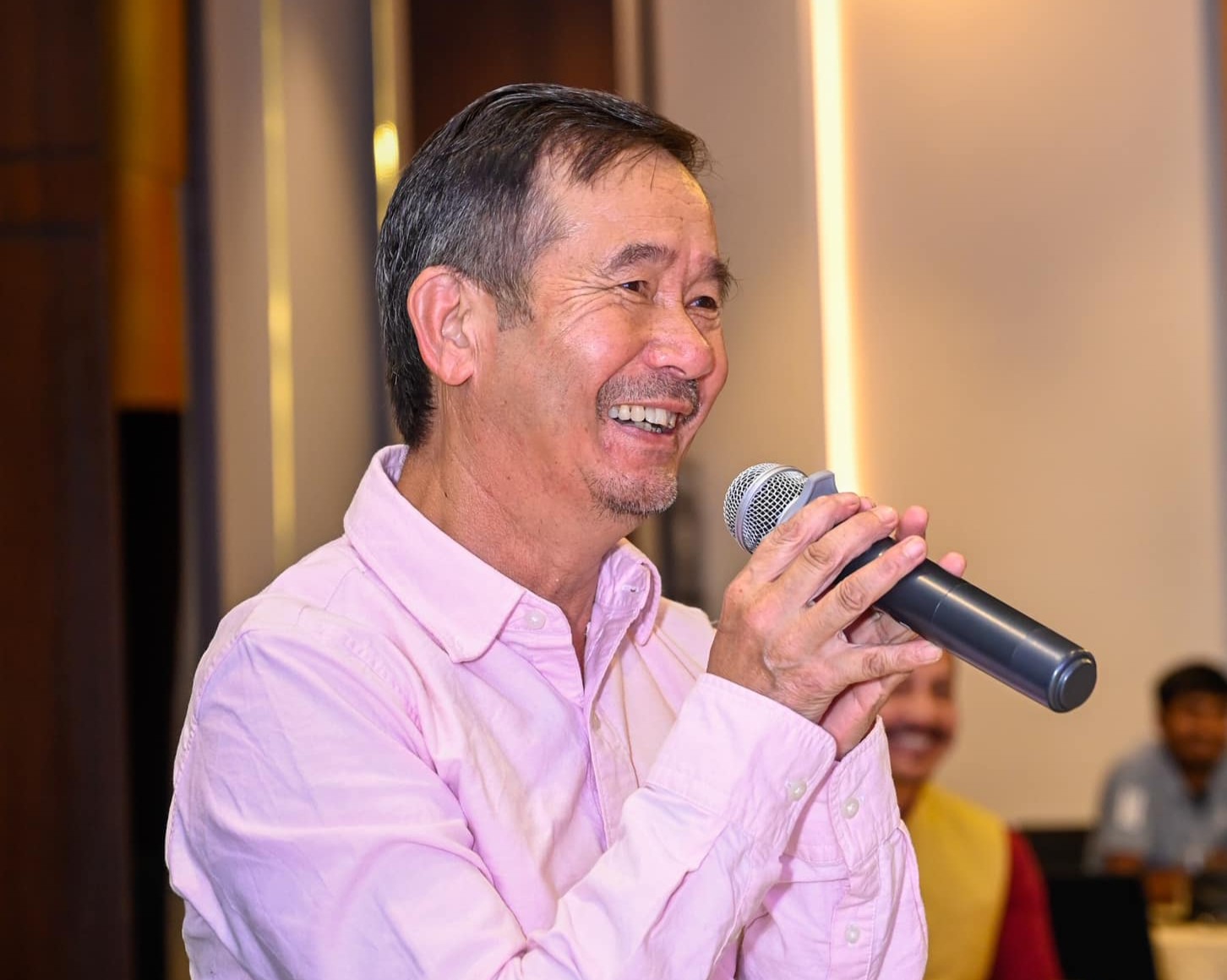
Shila Bahadur Moktan is a veteran Nepali music director, arranger, composer, and multi‑instrumentalist, celebrated for more than five decades of contribution to Nepali music. He is regarded as one of the most respected figures in modern and folk‑influenced Nepali music, known for his refined arrangements, melodic sensibility, and mastery of multiple instruments.Born and raised in Darjeeling, he received formal classical training under J.C. Rai, which shaped his foundation as a composer and instrumentalist. His first recorded song, “Aakha Kahile Najudos,” was broadcast on All India Radio, Kurseong, in the 1980s .Shila Bahadur Moktan has contributed to over 1,200 songs, working as a composer, arranger, and instrumentalist across genres ranging from folk to adhunik Nepali music. His notable early works include folk songs such as “Hoina Maile Dhakeko Badulki Lageko” and “Topi Hataile Bunera,” and the modern classic “Kahile Kahi Malai Pani Herideuna Pharkera,” a song that introduced both Kunti Moktan (vocals) and Shila Bahadur (music) to the Nepali music scene .He is married to legendary singer Kunti Moktan, and together they are considered pillars of Nepali music. Their daughters Subani Moktan and Shital Moktan are also successful musicians, continuing the family’s artistic legacy .After retiring from Music Nepal, Shila Bahadur initially planned to step back from active work, but his passion for music kept him fully engaged in composing, arranging, and performing. He continues to appear in concerts, including the Paleti Series, where he performs his own compositions and vocals .With nearly 50 years in music, he remains an influential figure whose arrangements, compositions, and instrumental work have shaped generations of Nepali music lovers.
Shila Bahadur Moktan
Music Director, Music Arranger, Musicians & Instrumentalists
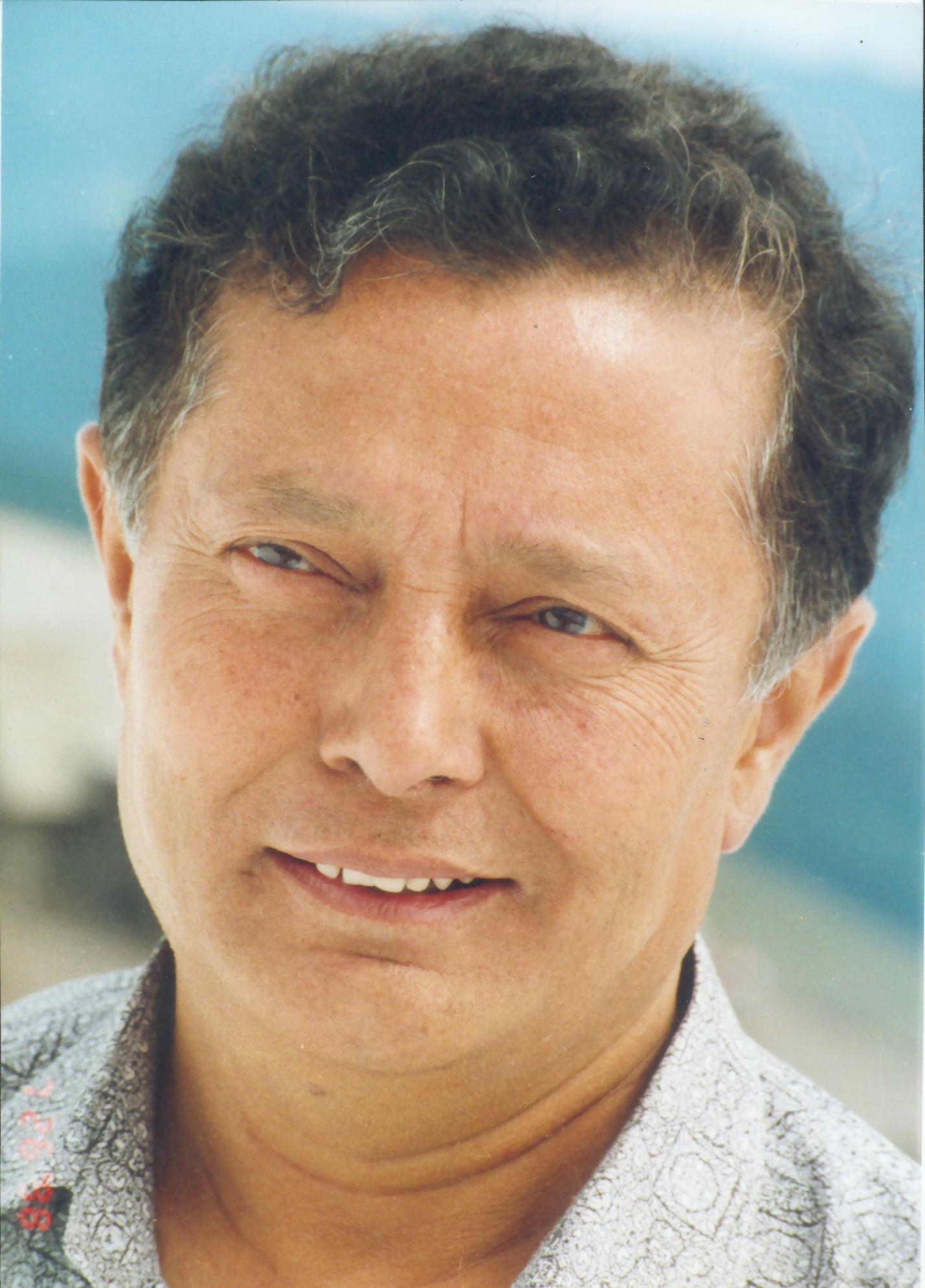
Prem Dhoj Pradhan is a Nepalese musician, born in 1938 in Chautara, a small town 28 miles east of Kathmandu. He is a singer, composer, and a regional playback singer. He sings in the two major languages of Nepal, Nepal Bhasa and Nepali. He is also known as the Golden Voice and King of Romantic Melodies of Nepal. Prem Dhoj is known for being the first to perform with a guitar in Nepal. He was also the first Nepali singer to sing with Indian playback singer Usha Mangeshkar for the movie Maitighar in 1965. In 1985, he sang duet songs with Asha Bhosle for the movie Mayalu in Bombay, India. Prem Dhoj has varied his musical style throughout his career and recorded approximately 700 songs on Radio Nepal, including live broadcasting and recorded songs.
Prem Dhoj Pradhan
Music Artists, Singer/ Performer

Parvati Adhikari is a former Nepali film actress who was active in Nepali cinema during the late 1988s and 2000s. She is remembered for her appearances in several notable Nepali films of that era, including Bhumari, Pheri Bhetaula, Kasturi, Soltini, Garib, Dautari, and Bahadur.During her active years in the Nepali film industry, Parvati Adhikari worked alongside many popular actors and filmmakers of the time. Her performances in social and family-oriented films helped her gain recognition among audiences during the golden period of 1990s Nepali cinema. Although she was not frequently seen in mainstream media after the late 1990s, her contribution to Nepali films remains part of the industry's archival history.Apart from cinema, Parvati Adhikari has also been associated with the Nepali artistic community abroad. She has been linked with the Belgium-based organization “Euro Nepal Kalakar Sangh,” where she served in a leadership role supporting Nepali artists and cultural activities within the Nepali diaspora community.
Parvati Adhikari
Actress
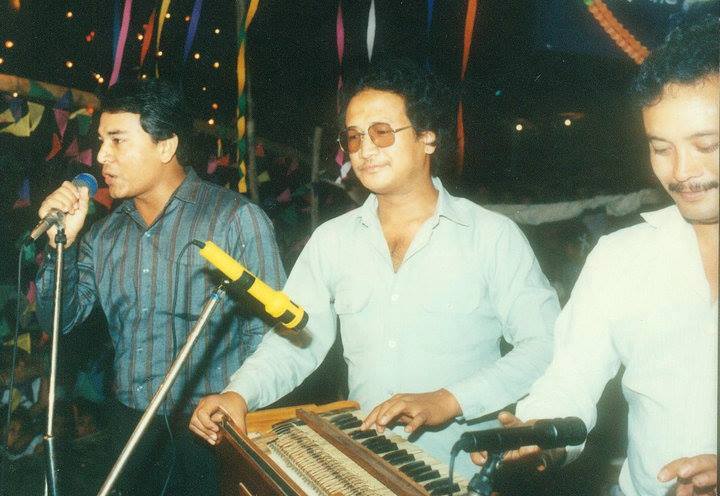
Dibya Khaling (March 28, 1952 (15 Jestha 2009 BS)) is a famous Nepali musician, composer and lyricist. Dibya Khaaling has rendered music for about 1000 songs, including the famous “Mero geet sabai timi laai..” sung by Arun Thapa , Ma Ta Laligurans Bhayechhu, Hey Bir Hinda Aghi Sari, Preyasika Yaadharu, Mayako Aadharma, and Bipana Babhaye Bachidine, and music for plays and films (Nepali film Didi by Pratap Subba). Khaling moved to Nepal from Darjeeling in the 1960s and worked with Radio Nepal. He composed music for singers like Narayan Gopal, Arun Thapa, Gyanu Rana, Mira Rana etc. A book “Dibya Sangeetkaar, Dibya Khaaling” has been written by his friends and family members, such as poet Madhav Prasad Ghimire and musicians Kiran Pradhan and Bulu Mukarung in his memory. He was married to Grace Khaaling. He is survived by three sons (Prajaya, Pradesh, Pratibimba), one daughter (Pratigya), two granddaughters (Divyanah Grace and Aanyata Parisa) and two grandsons (Noah and Deedan Daniel). Dibya was suffering from heart problems and died on 25 June 2006.
Dibya Khaling
Music Artists, Music Director
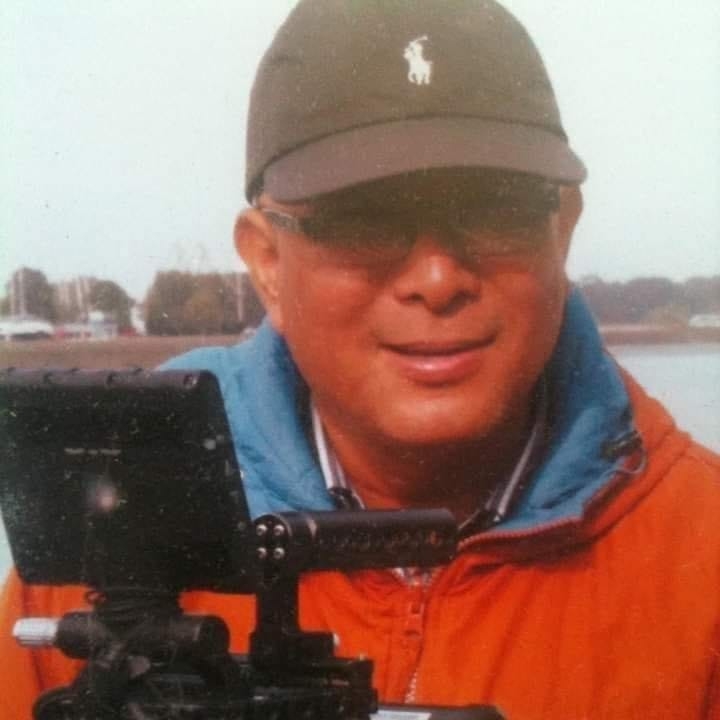
Raju Shah (born 26 February 1965) is one of Nepal’s most influential dance choreographers, with a career spanning over three decades and more than 200 films. Beginning as a dancer in Badalindo Aakash (1982), he became a leading choreographer from Dui Thopa Aansu (1993) and later expanded into film direction and production. He has directed feature films including Sapana Ko Naulo Sansar and Namaste Nepal—one of the first Nepali films shot entirely in Europe. Shah is also the founder chairman of the Nepal Film Dance Association and remains a defining figure in Nepali film choreography and visual storytelling.
Raju Shah
Dance Choreographer
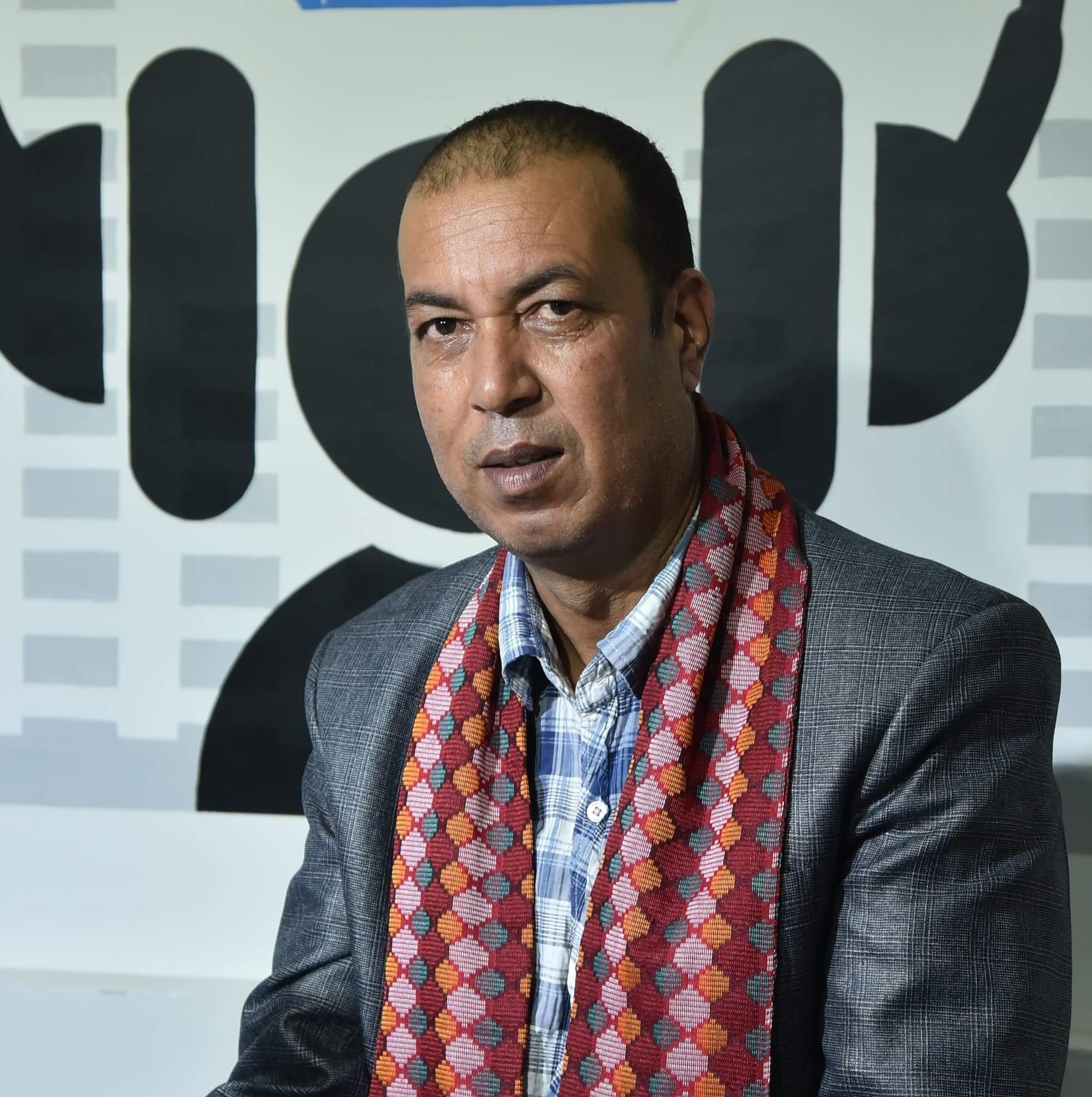
Dayaram Dahal (born 27 May 1970, Kavrepalanchok) is a veteran Nepali filmmaker active since the late 1980s, known for his multi‑disciplinary contributions as a director, actor, producer, writer, lyricist, and music director. He began his career in 1987–1990 as an assistant director before rising to prominence in the 1990s, becoming one of Nepal’s highest‑paid directors of the era. His film Nepal (2007) became the first Nepali feature film partly shot in the United States, marking a milestone in the industry. Dahal has directed, acted in, or contributed musically to over 60 films, including major hits such as Thuldai, Ta Ta Sarai Bigris Ni Badri, Ma Timi Bina Marihalchhu, Farkera Herda, and Dasgaja. He served as the Executive Chairperson of the Film Development Board of Nepal from June 4, 2020 to June 3, 2022, where he focused on policy reform, artist welfare, and institutional strengthening. He is also a founding member of the Film Directors Guild of Nepal and a long‑time contributor to multiple film associations.
Dayaram Dahal
Film Director
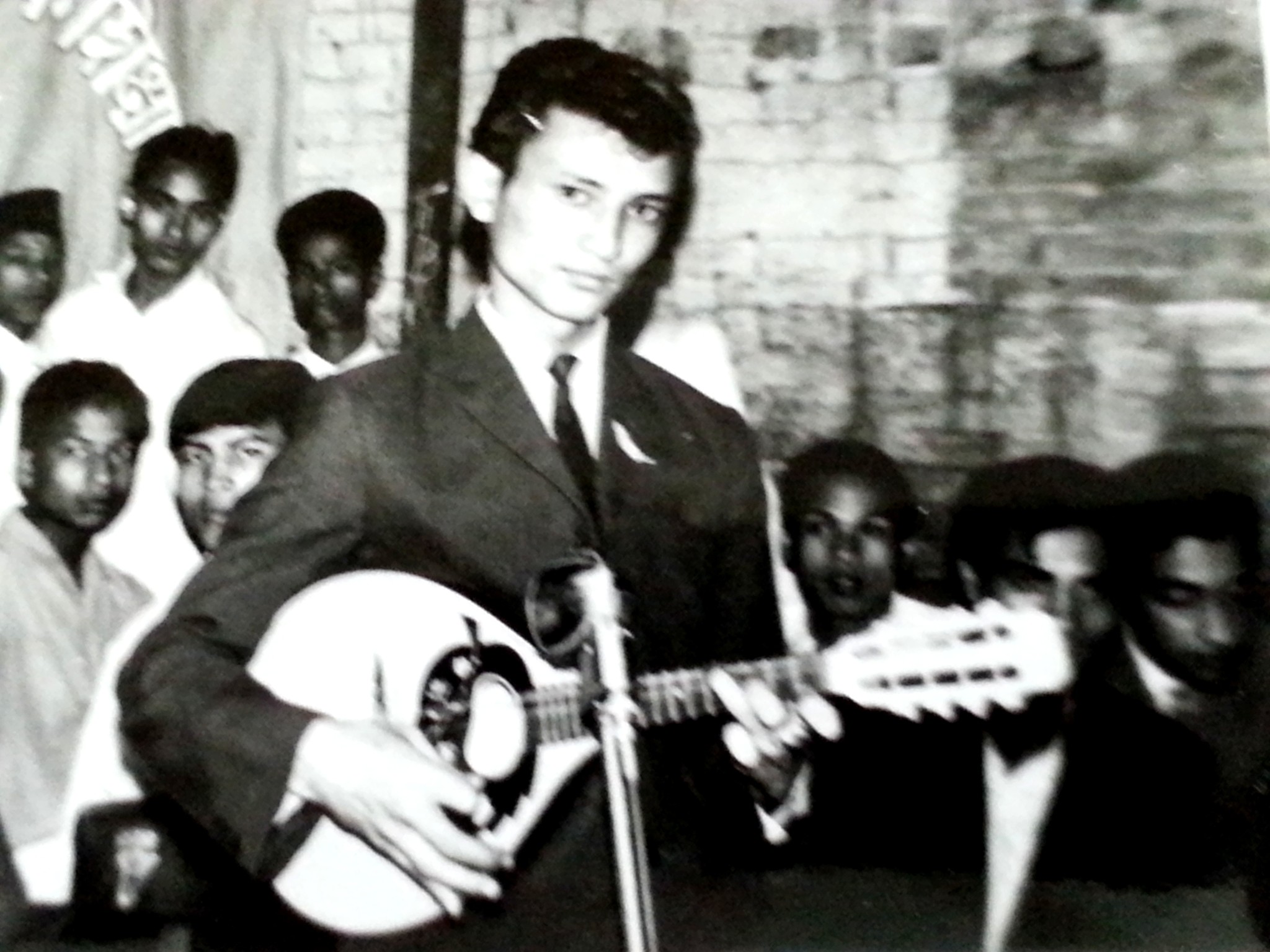
Saran Kumar Pradhan (1943–1974) was one of Darjeeling’s most gifted lyricists, composers, and mandolin virtuosos, shaping the golden era of modern Nepali music. Born on 4 May 1943, he grew up in a culturally vibrant Darjeeling and taught himself banjo, harmonium, and mandolin with remarkable mastery. A science graduate from St. Joseph’s College, he later taught at St. Robert’s School, where he also composed the school anthem. A student of maestro Amber Gurung, Saran emerged as a leading figure of Adhunik music alongside Aruna Lama, whom he married in 1963. Their partnership produced timeless classics such as “Yaha Ful Nakhili Cha,” “Sabaile Bhanthe,” “Hera Na Hera Kancha,” and many others. His music club Sangeet Sangam became a creative hub that nurtured Darjeeling’s finest talents. Saran passed away in 1974 at just 31, leaving behind a luminous body of work that continues to define Nepali musical heritage.
Saran Kumar Pradhan
Music Director, Musicians & Instrumentalists
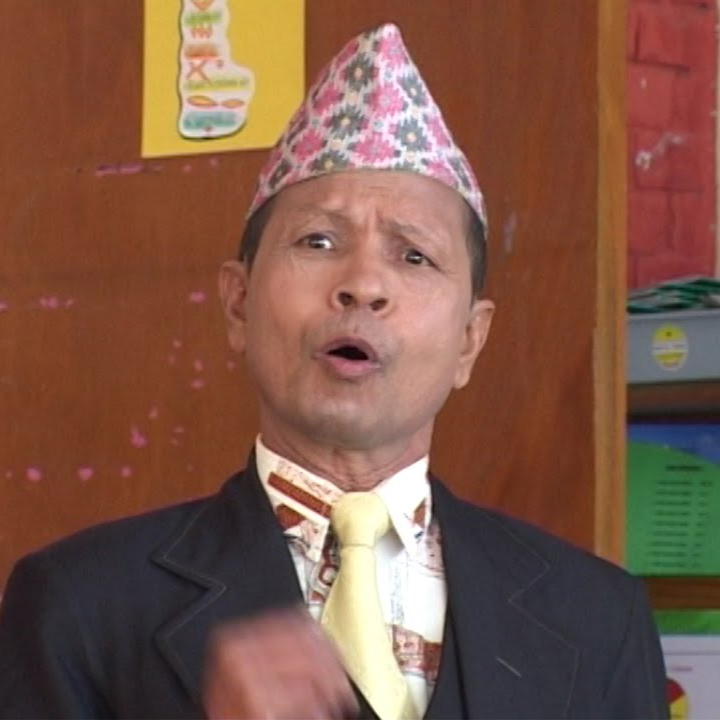
Gopal Raj Mainali, popularly known by his iconic screen name “Chankhe,” was one of Nepal’s most beloved comedic actors, contributing more than four decades to Nepali cinema, theatre, and television. Born on Kartik 16, 2000 B.S. in Mangaltar, Kavrepalanchowk, he grew up with a natural flair for humor and storytelling. His film journey began with a small role in Hijo Aaja Bholi (1967), directed by Hira Singh Khatri, marking the start of a long and influential acting career. Mainali gained national recognition through his memorable comedic pairing with Basundhara Bhusal in Sindoor (1976), which became a cultural milestone. Over the years, he acted in more than 70 films and 60+ stage plays, including Kanyadan, Tilahari, Bhagyarekha, Ke Ghar Ke Dera, Yug Dekhi Yug Samma, Deuki, and Pacchyeuri. He was honored with multiple awards, including the Gaijatra Mahotsav Award, Vasudev Luintel Puraskar, and Nabin Puraskar, recognizing his lasting contribution to Nepali performing arts. Gopal Raj Mainali passed away in 2008, leaving behind a legacy of laughter, warmth, and artistic excellence.
Gopal Raj Mainali
Comedian Artists, Theatre Artists
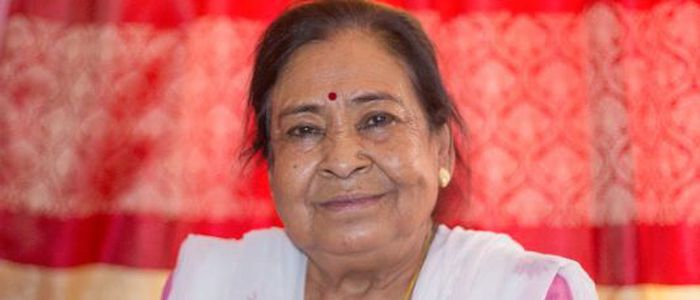
Subhadra Adhikari was a revered Nepali actress whose artistic journey spanned more than six decades across film, theatre, radio, and television. Born in 2004 B.S. (1947/48 A.D.) in Asan, Kathmandu, she displayed exceptional talent from childhood—performing classical dance at age five at Saraswati Sadan (Camp) and beginning her acting career at age six through the Newari stage play ‘Kachimcha’ (काँचो माटो). Her debut film Manko Bandh marked the beginning of a prolific screen career. She went on to act in over one hundred Nepali films, earning admiration for her expressive performances in classics such as Chino, Kanyadan, Basudev, Bato Muniko Phool, Muna Madan, Basanti, Swarga, Saubhagya, and many others. She also appeared in notable titles including Jeevan Rekha, Badlido Aakash, Pirati, Maya Preeti, Bhauju, Mangalsutra, Behuli, Karja, Kathmandu, Dashgaja, and more—winning the hearts of audiences through diverse roles. Honored with the Chalachitra Dhirgha Sadhana Samman, Subhadra Adhikari remains one of Nepal’s most enduring and respected performing artists.
Subhadra Adhikari
Actress, Theatre Artists
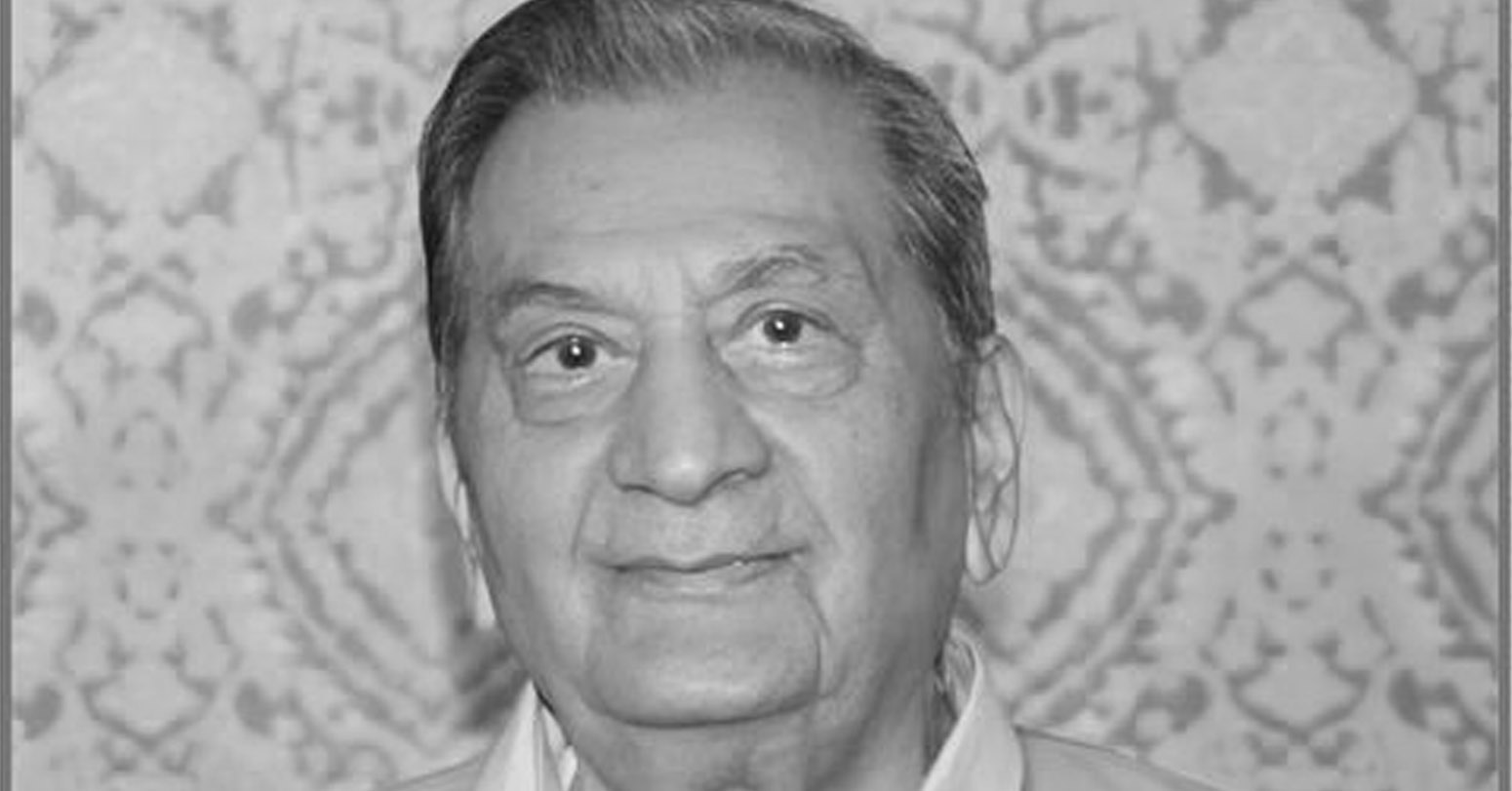
C.P. Lohani is remembered as a prominent actor of the early era of Nepali cinema, best known for his leading role in the landmark film Maitighar (1966). His performance opposite Mala Sinha brought a new level of sophistication and emotional depth to Nepali films at a time when the industry was still developing its identity. Lohani’s natural screen presence, expressive acting, and refined dialogue delivery helped establish him as one of the notable romantic leads of his generation. Beyond acting, he was also involved in cultural and artistic circles that supported the growth of Nepali film production during the 1960s. Although his filmography is limited, C. P. Lohani’s contribution to Maitighar remains a defining chapter in the history of Nepali cinema.
C.P. Lohani
Actor
B.S. Thapa is recognized as one of the early pillars of Nepali cinema, contributing as a director, writer, and actor during the formative decades of the industry. He is best known for directing the acclaimed film Manko Baadh (1973), which earned strong appreciation for its emotional depth and social storytelling. Thapa also worked on several influential projects that helped shape the narrative style of Nepali films in the 1970s and 1980s, bringing literary sensitivity and dramatic realism to the screen. His commitment to character‑driven stories and disciplined filmmaking made him a respected figure among his contemporaries. Through his films, mentorship, and long-standing dedication to the craft, B. S. Thapa played a meaningful role in strengthening the foundation of Nepali cinema.
B.S Thapa
Screenwriter/Script Writer, Film Director
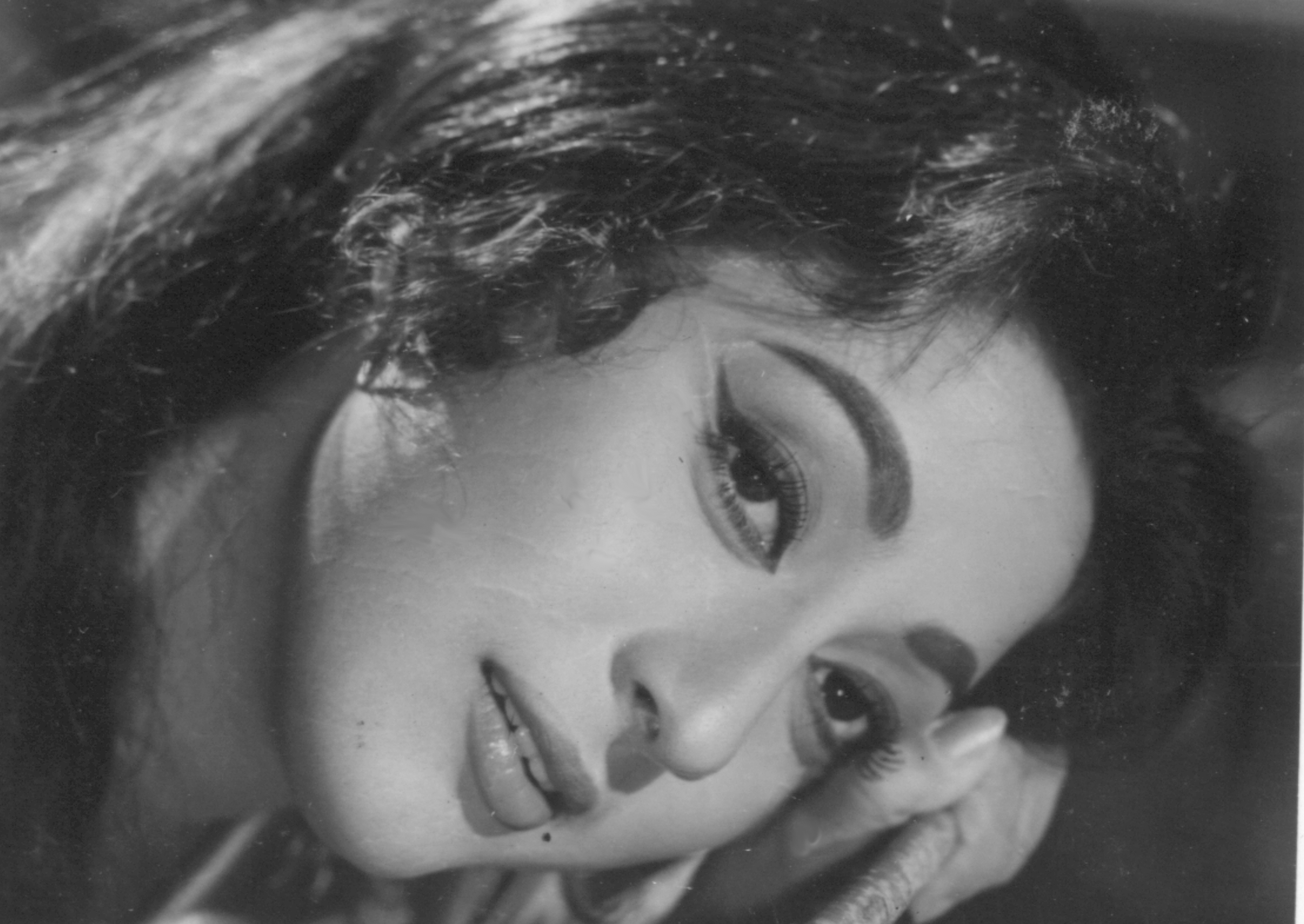
Mala Sinha is an iconic Indian actress whose early career is closely linked to the history of Nepali cinema. Born to a Nepali Christian family in Calcutta, she made her acting debut in the Nepali film Maitighar (1966), produced in collaboration with Nepal’s Royal Nepal Film Corporation. Her performance in Maitighar introduced a new level of professionalism, screen presence, and emotional depth to Nepali filmmaking at a time when the industry was still developing. The film became a landmark project, remembered for elevating Nepali cinema’s technical and artistic standards. Although Mala Sinha went on to achieve major stardom in Bollywood, her contribution to Maitighar remains a significant cultural bridge between Nepali and Indian cinema.
Mala Sinha
Actress
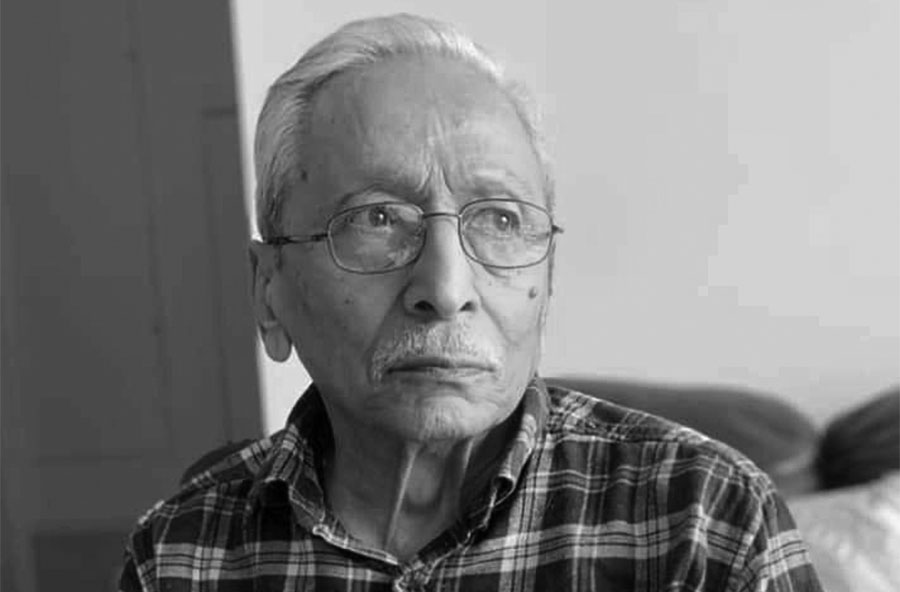
Uttam Prasad Karmacharya, widely known as Uttam Nepali, is celebrated as one of the pioneering figures of modern Nepali art. Emerging in the 1960s, he helped introduce modernism to Nepal through bold experimentation in mixed media, collage, and abstract expression. His works draw deeply from Nepali folklore, tantric symbolism, and poetic imagination, creating a distinct visual language that reshaped the country’s artistic identity. Beyond painting, Uttam Nepali contributed to theatre, poetry, and cultural activism, establishing himself as a multidisciplinary creative force. Over his long career, he received several national honors recognizing his influence on contemporary Nepali art. His legacy continues to inspire new generations and remains central to the evolution of Nepal’s visual culture.
Uttam Nepali
Professional Painter, Performing Artists
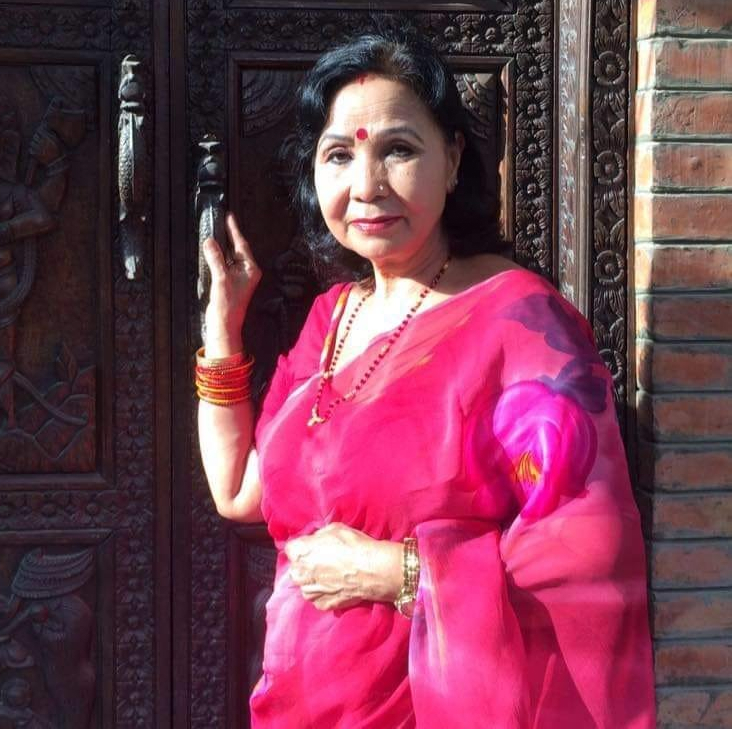
Basundhara Bhusal is a celebrated Nepali actress whose career spans more than five decades, making her one of the most enduring figures in Nepali cinema. She began acting as a child artist and gained national recognition with her performance in Aama (1964), the first Nepali feature film produced in Nepal. Bhusal went on to appear in over 135 films, including notable works such as Manko Baadh, Sindoor, Ke Ghar Ke Dera, and Basudev. Known for her expressive acting and strong screen presence, she became a defining face of early Nepali cinema. Her contributions earned her multiple honors, including lifetime achievement awards recognizing her influence on film, theatre, and the cultural development of Nepal’s performing arts.
Basundhara Bhusal
Actress, Character Artists, Comedian Artists
Hira Singh Khatri is regarded as one of the earliest architects of Nepali cinema, best known for directing Aama (1964), the first Nepali feature film produced in Nepal under the Royal Nepal Film Corporation. His work marked the formal beginning of Nepal’s national film industry, establishing narrative, technical, and production standards for future filmmakers. Khatri later directed Hijo Aaja Bholi (1967), further strengthening the foundation of Nepali storytelling on screen. His films emphasized patriotism, social values, and emotional realism, influencing a generation of emerging directors. As a pioneering figure who helped transition Nepal from stage and radio culture into cinematic expression, Hira Singh Khatri’s contribution remains a defining milestone in the history of Nepali filmmaking.
Hira Singh Khatri
Film Director
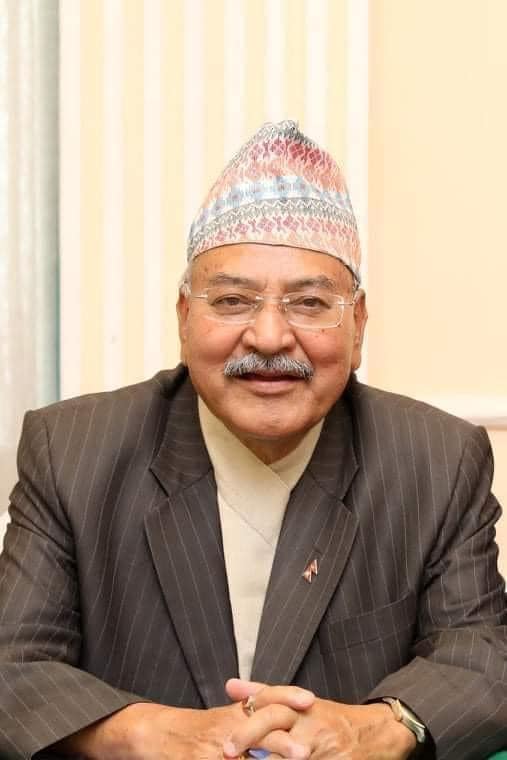
Madan Das Shrestha is a versatile Nepali artist whose career spans nearly four decades across film, theatre, radio, and television. He began his journey in 1985 with Ke Ghar Ke Dera and has since acted in 23+ feature films, including Tilahari, Kanyadan, Yug Dekhi Yug Samma, Manakamana, Raanko, Teen Ghumti, and Kirtipur: The Legend of Kirti Laxmi. Beyond acting, Shrestha is also known as a radio host, stage performer, and voice‑over artist, earning recognition for his expressive delivery and grounded character portrayals. His contributions extend to theatre and television, where he has played influential roles that connect deeply with Nepali audiences. As a director, he has helmed films such as Aghosit Yuddha (2003), further showcasing his creative range. Respected for his consistency and multi‑disciplinary talent, Madan Das Shrestha remains an enduring figure in Nepali performing arts
Madan Das Shrestha
Actor, Theatre Artists, Voiceover Artist

Shyam Rai is a veteran Nepali film artist who has remained active in the industry for more than four decades. He began his cinematic journey in 1984 with the film “Basudev,” marking the start of a long and diverse career. Rai is known not only as an actor but also as a director, executive producer, legal advisor, assistant director, clap coordinator, and special appearance artist, reflecting his wide creative range. He has acted in over 37 films, including notable titles such as “Seto Bagh” (2015), “Rato Ghar” (2017), and “Bihe Pass” (2023). His recent works include “Hostel 3” (2025) and “Magne Raja” (2025). As a director, Shyam Rai has left a strong mark with films like “Chot” (1990), “Sankalpa” (1993), “Abala” (1996), “Guru Chela” (1998), “Aankha Lobhi Man Papi” (2003), and “Samarpan” (2004). Respected for his dedication, versatility, and long-standing contribution, Shyam Rai remains one of the most experienced and multifaceted figures in Nepali cinema
Shyam Rai
Actor, Film Director
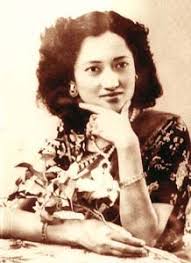
Shanti Maskey (born Magh 5, 1983 B.S. in Gorkha; passed away Magh 4, 2067 B.S.) was one of the most influential and pioneering actresses in Nepali performing arts. Known for her powerful presence across film, theatre, radio, and music, she helped shape the early identity of Nepali cinema and became a cultural icon whose legacy continues to inspire generations. She was passionate about singing, gifted with a naturally melodious voice. Her formal musical journey began in Biratnagar, where she introduced herself as a singer through Prajatantra Radio, gaining recognition for her expressive vocal style. This early artistic exposure strengthened her foundation before she transitioned into full‑time acting.
Shanti Maskey
Character Artists, Film Artists
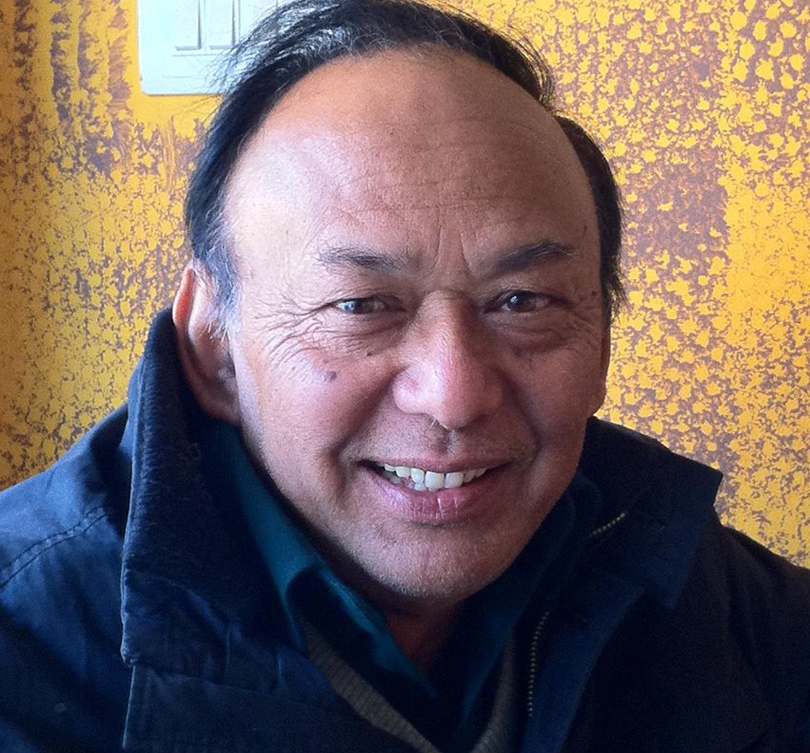
Shambhu Pradhan is a respected Nepali film director, editor, and actor whose work helped define the commercial era of the 1980s–1990s. Known for directing memorable films such as Samjhana, Behuli, Sapana, Bishwas, and Santaan, he earned recognition for blending emotional storytelling with strong musical and dramatic structure. Pradhan also contributed as an editor and occasional actor, making him one of the versatile multi‑disciplinary figures of his generation. His films remain popular for their narrative clarity, character‑driven arcs, and enduring cultural impact. With a career spanning more than two decades, he is regarded as a key contributor to the growth of modern Nepali cinema.
Shambhu Pradhan
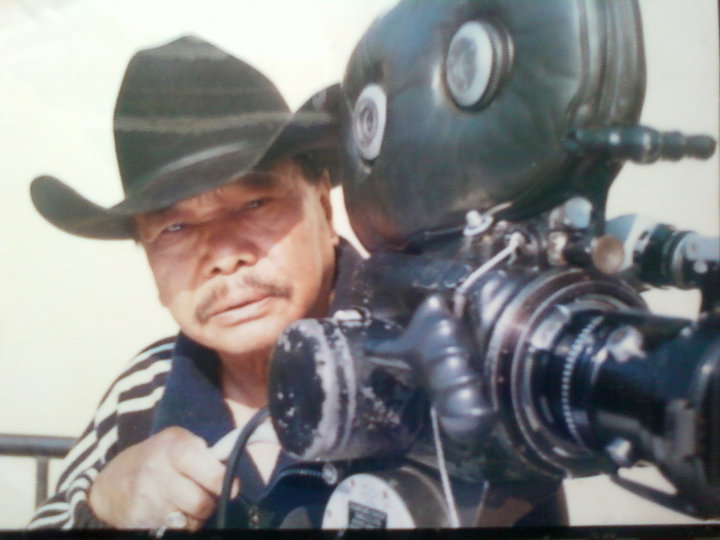
Pratap Subba was a pioneering Nepali film director, writer, and lyricist from Darjeeling whose work helped shape the early identity of Nepali cinema. Active primarily in the 1970s and 1980s, he directed influential films such as Paralko Aago, Bachna Chahane Haru, Masaal, Kahi Andhyaro Kahi Ujyalo, Didi, Chatyang, and Bhisma Pratigya. Known for his realistic storytelling and strong emotional depth, Subba also contributed memorable lyrics and dialogues that enriched the cultural texture of his films. His commitment to authentic Nepali narratives made him one of the most respected filmmakers of his generation, leaving a lasting legacy in both Nepali and Darjeeling-based cinema.
Pratap . Subba
Film Director
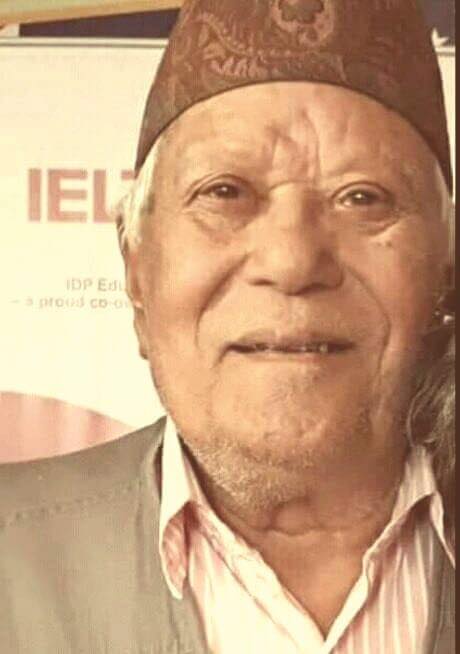
Bhim Bahadur Thapa was a celebrated Nepali film actor known for his versatility, physical agility, and long-standing contribution to Nepali cinema. Active across several decades, he appeared in nearly 100 films and popular television serials, including Tito Satya. Thapa acted in notable films such as Basai (2005), Aama (1996), Tuhuro (1994), Arpan (1993), and Goreto (2002), earning recognition for his expressive performances and strong screen presence. Before entering cinema, he served in the British Army and even participated in World War II. Fondly known as “Nepali Tarzan,” “Nepali Babu,” and “Dancer,” he remained admired for his unique persona and dance skills. Thapa passed away on 13 June 2018 at the age of 92, leaving behind a memorable legacy in Nepali entertainment.
Bhim Bahadur Thapa
Character Artists, Film Artists
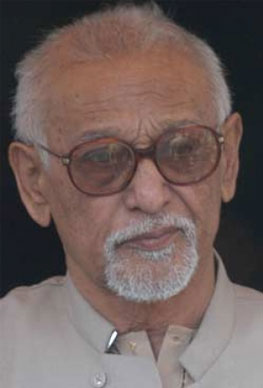
Prakash Thapa is regarded as one of the legendary directors of Nepali cinema, known for shaping the visual and narrative style of the industry during its formative decades. Active primarily in the 1980s and 1990s, he directed several influential films that blended emotional storytelling with strong social themes, helping establish a more modern cinematic language in Nepal. Thapa earned respect for his disciplined direction, character‑driven narratives, and ability to bring out memorable performances from actors. Though less publicly documented than some of his contemporaries, his films remain admired for their craft and cultural resonance. His contribution continues to be recognized as an important chapter in the evolution of Nepali filmmaking
Prakash Thapa
Film Director
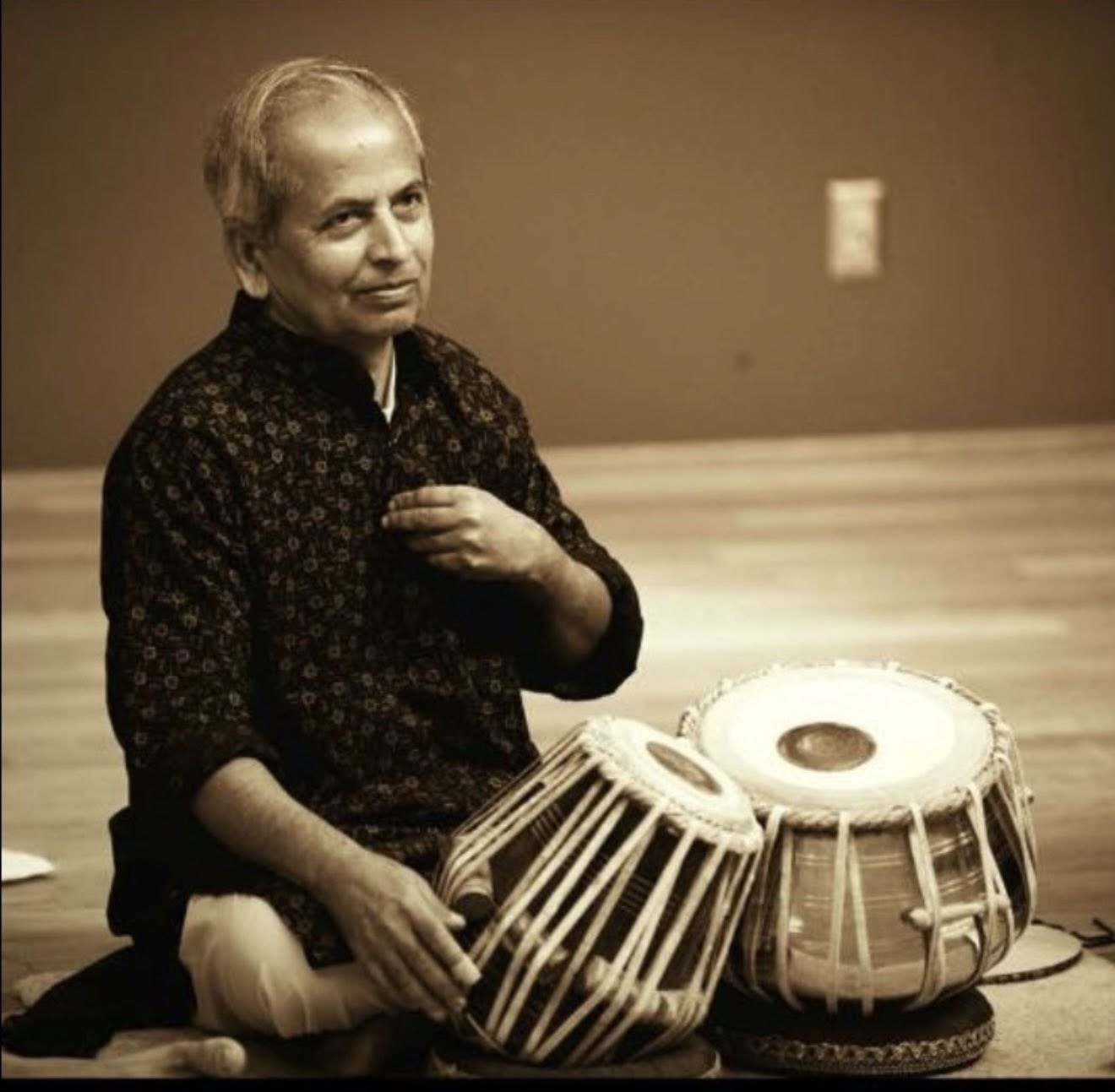
Hom Nath Upadhyaya is a renowned Nepali tabla maestro celebrated for his mastery of classical, semi‑classical, and folk rhythms. Trained in the rich traditions of Hindustani classical music, he became one of Nepal’s most influential percussionists, performing internationally and collaborating with leading artists. His contributions include teaching at Tribhuvan University, mentoring new generations of musicians, and representing Nepal on global stages. Known for his precision, melodic clarity, and deep understanding of rhythmic cycles, Upadhyaya has played a vital role in preserving and promoting Nepali classical music. His performances and compositions continue to inspire students, audiences, and cultural institutions across Nepal and the diaspora.
Hom Nath Upadhyaya
Musicians & Instrumentalists, Tabla Players
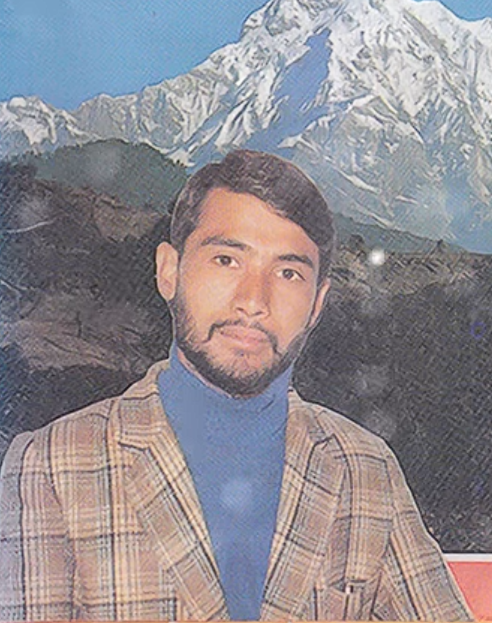
Lok Bahadur Chhetri is a Nepali folk singer known for his expressive voice and his contribution to preserving rural lok‑geet traditions. Active across several decades, he became recognized for songs rooted in migration, village life, and the emotional landscape of Nepali communities. His popular songs include “Sirima Siri Batas Chalyo,” “Lamjung Jilla,” “Ramdi Mathi Lek‑Nabhani Bhayena,” “Binayi Khola Aaudai Gara,” “Gham Jhulkida Salla Dhupaile,” and “Gaiko Charan.” His albums such as Himal Pachhadi, Sirima Siri Batasai Chalyo, and Gai Ko Charan strengthened his legacy as a beloved folk voice.
Lok Bahadur Chhetri
Folk Singer
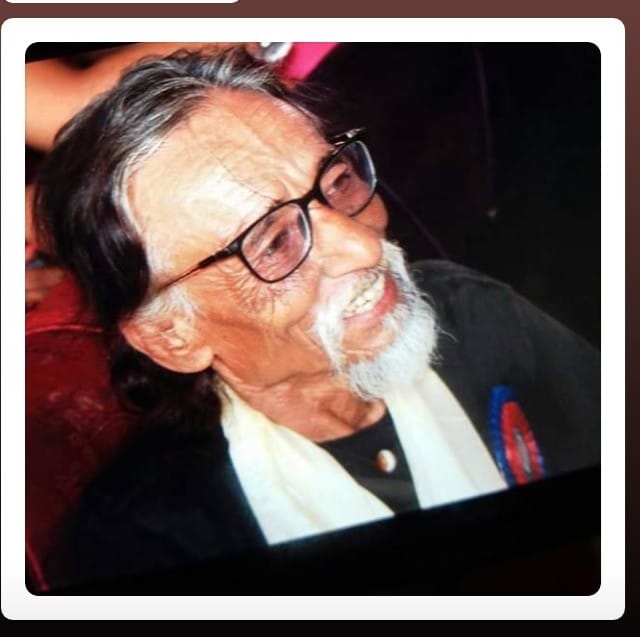
Prem Dev Giri (b. Magh 10, 2010 BS, Birendranagar, Surkhet) is a pioneering figure in Nepali dance, theatre, and radio drama. He began his artistic journey in 2025 BS and, in 2041 BS, joined the then Rastriya Nach Ghar (now the Cultural Corporation) with a monthly salary of NPR 200. Giri made significant contributions as an actor, director, and music accompanist in dozens of plays and musical dramas. His powerful performances in notable works such as Balkrishna Sama’s Masan, plays by Gopal Prasad Rimal, Harishchandra, Andhabeg, Hasdai Jalnu Parcha, Gham, and Hamro Pani Katha Chha are widely remembered. He also acted in the telefilm Sanai Roirahenchha and the feature film Bandhaki. A skilled madal player, Giri recorded hundreds of collected folk songs at Radio Nepal. Revered as a “Guru of the Stage,” he stands as a defining cultural pillar of western Nepal.
Prem Dev Giri
Theatre Artists
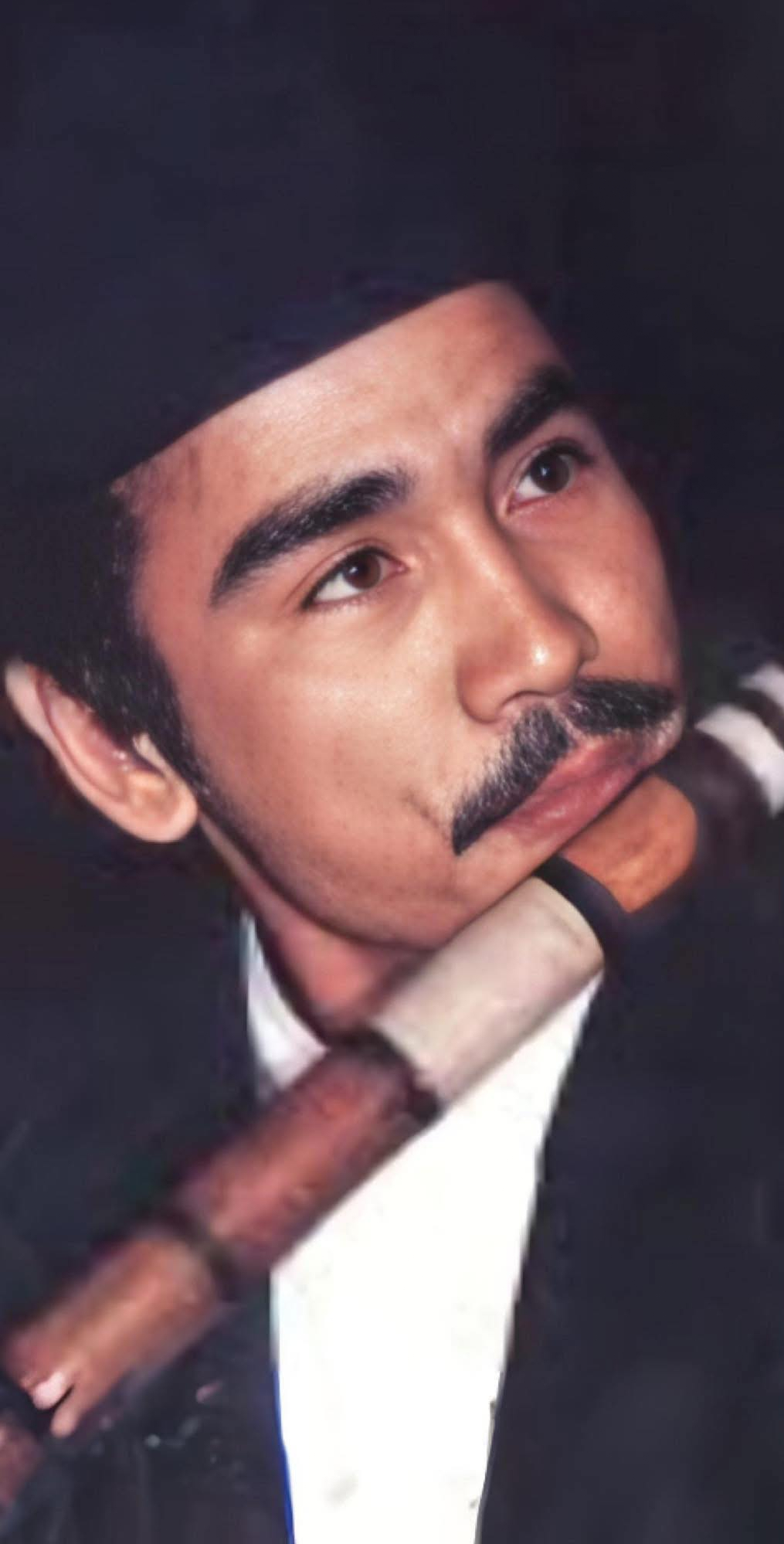
Prem Rana Autari is a renowned Nepali flutist celebrated for his classical foundation, global performances, and lifelong dedication to Nepali music. Born with a natural affinity for melody, he began exploring musical scales at the age of ten and traveled to India at twelve to study classical flute under world‑famous maestro Pandit Hari Prasad Chaurasia. His six years of rigorous training shaped the technical mastery and expressive depth that later defined his signature sound.Autari made his professional debut at fifteen with an orchestral ensemble in Bombay, performing in the vibrant center of Indian film music. He went on to work with All India Radio, gaining recognition for his refined tone and versatility. Returning to Nepal at twenty, he devoted himself to elevating Nepali music, serving nine years at Radio Nepal and ten years at the Royal Nepal Academy, where he became a leading figure in instrumental performance and musical education.He later performed worldwide with the classical ensemble Sursudha, representing Nepal on international stages, including as a soloist at the World Expo in Australia (2000). His artistry blends classical discipline with Nepali melodic sensibility, making him one of the most respected flutists of his generation.
Prem Rana Autai
Musicians & Instrumentalists, Flautist
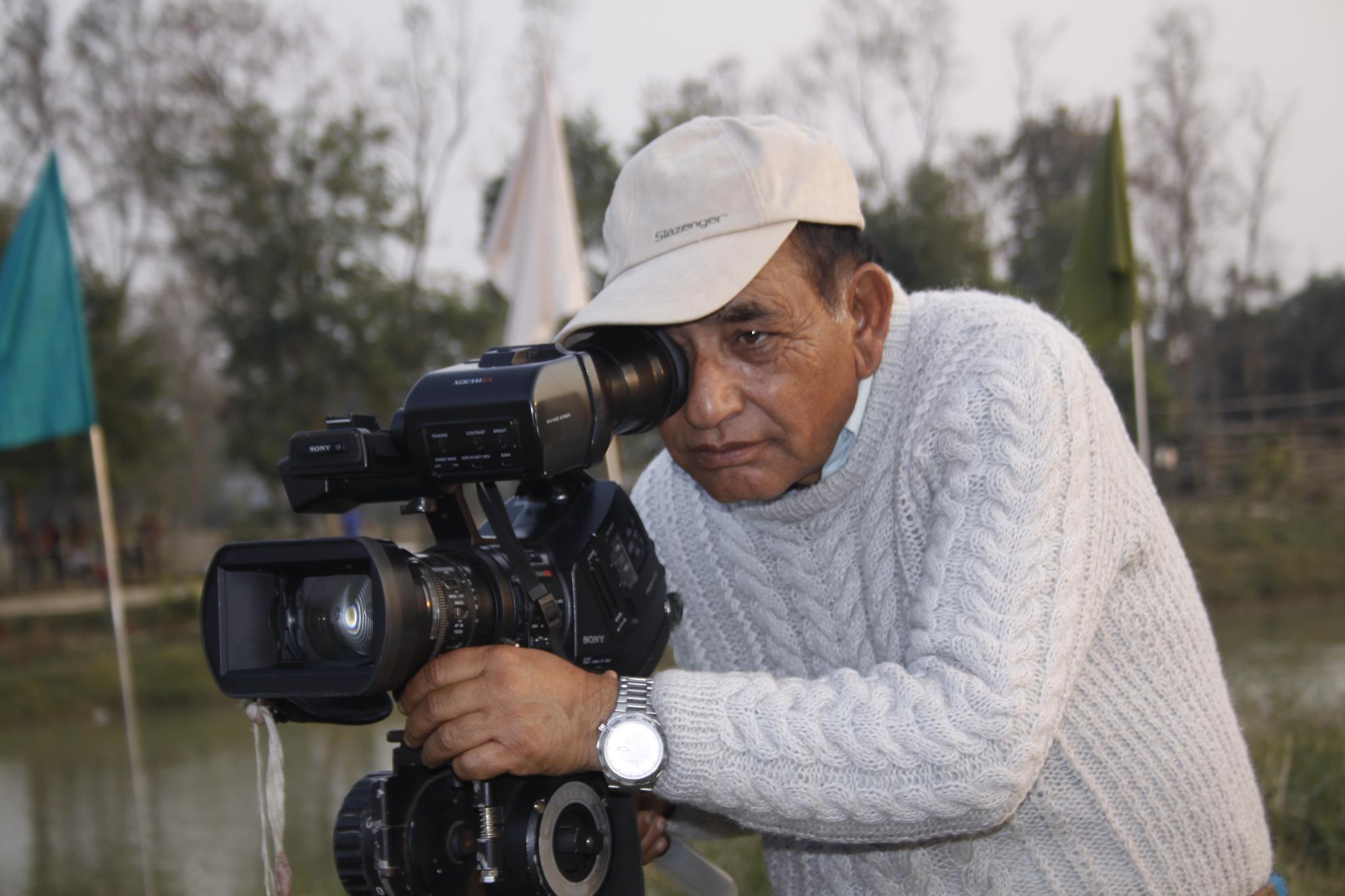
Laxminath Sharma is a pioneering figure in Nepali cinema, known for his multifaceted contributions as a film director, screenwriter, lyricist, production designer, and legal advisor. Born on September 24, 1945 in Barbote, Ilam, he began his career in the early 1970s with the Royal Nepal Film Corporation and later became a leading force in shaping narrative-driven Nepali films Education: MA in History, Tribhuvan University Diploma in Cinema (Direction), FTII Pune (1977) Film/TV/Animation training, AIBD Malaysia (1982) Notable Roles: Director of acclaimed films like Badlindo Aakash (1983), Shanti Deep (1989), Milan (1993), Sarangi (1994), Bidrohi (2002) Screenwriter and lyricist for Bhai Tika, Apaharan (Ekadeshma), Angalo Angaloma Legal advisor for Timro Kasam (2013) Board member at Oscar International College of Film Studies since 2003
Laxminath Sharma
Film Director
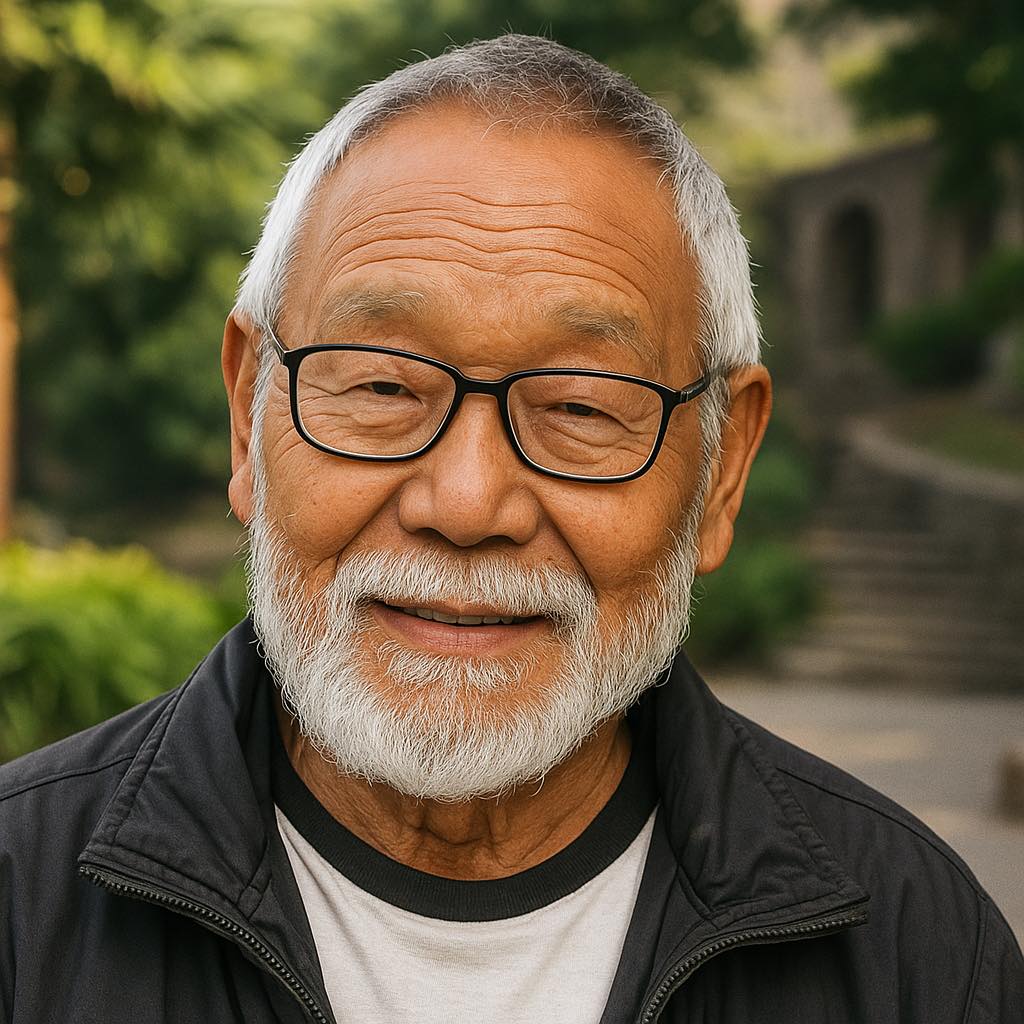
Gopal Bhutani (born Gopal Tamang, 1932 – November 23, 2010) was a pioneering Nepali art director, actor, and action choreographer who shaped the visual language of Nepali cinema. Born in Fikkal, Ilam, he began his film journey in Bollywood in the 1940s before returning to Nepal, where he introduced action direction to a melodrama-dominated industry. Despite his immense contributions, he struggled to obtain Nepali citizenship due to the “Bhutani” surname. Bhutani worked on over 70 films, including Balidaan, Aago, Shankar, Mamaghar, Shiris Ko Phool, and Jeevan Sangharsha. He passed away at age 78 from stomach cancer. His legacy remains foundational in Nepali film aesthetics and action choreography.
Gopal Bhutani
Art Director, Actor, Performing Artists, Film Artists
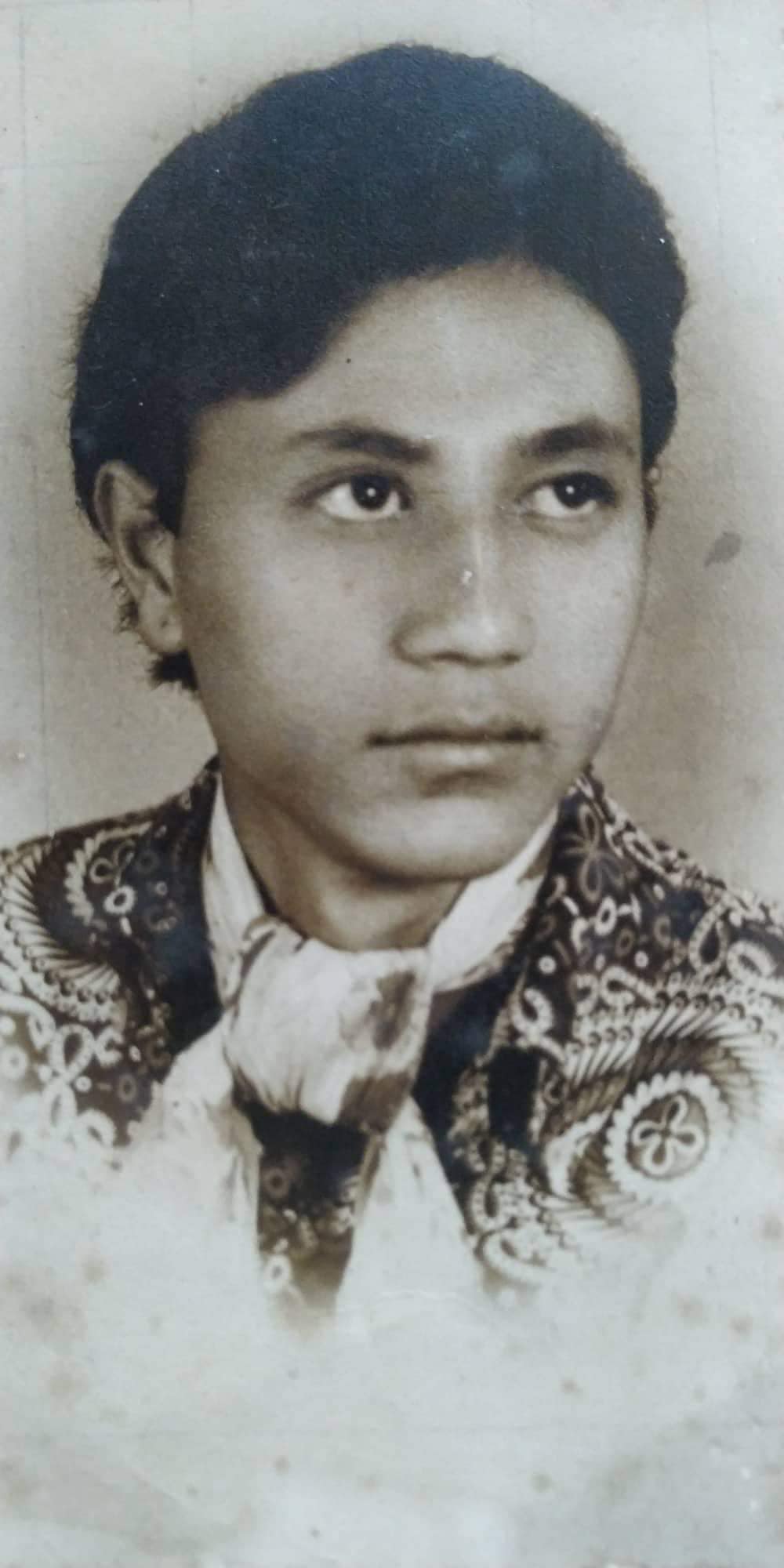
Sundar Shrestha is a veteran Nepali folk singer and lyricist best known for co-performing the iconic song “Resham Firiri” in 1969. Alongside Dwarika Lal Joshi, his rendition helped popularize the song across Nepal, making it a staple of street music and cultural gatherings. Active since the 1970s, Shrestha contributed to numerous folk recordings and live performances, preserving traditional melodies and rhythms. He also collaborated on songs like Chautariko Majhaima and worked with artists such as Chandra Kumar Moktan and Hira Devi Rai. His legacy lies in promoting Nepali folk music through Radio Nepal and live platforms for over four decades.
Sundar Shrestha
Music Artists, Folk Singer
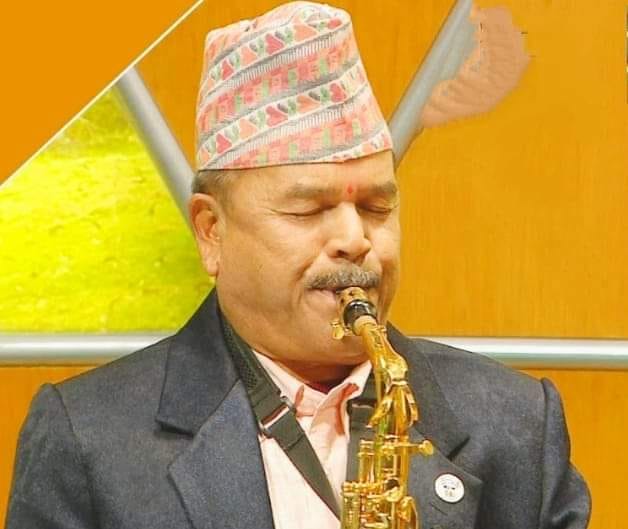
Subha Bahadur Sunam was a legendary Nepali music composer, saxophonist, and retired Brigadier General of the Nepal Army, celebrated for shaping modern Nepali music. Active for over five decades, he began composing at age 20 and became known for blending classical and contemporary styles. He co-composed the iconic song Parkhi Basey Aula Bhani with Sambhujeet Baskota under the name ShubhaSambhujeet. As a saxophone virtuoso, he was also the music mentor to Prince Dipendra. His contributions enriched Radio Nepal’s golden era and inspired generations of musicians. Sunam passed away in 2022 at age 74, leaving behind a profound musical legacy.
Subha Bahadur Sunam
Music Artists, Musicians & Instrumentalists, Saxophonist
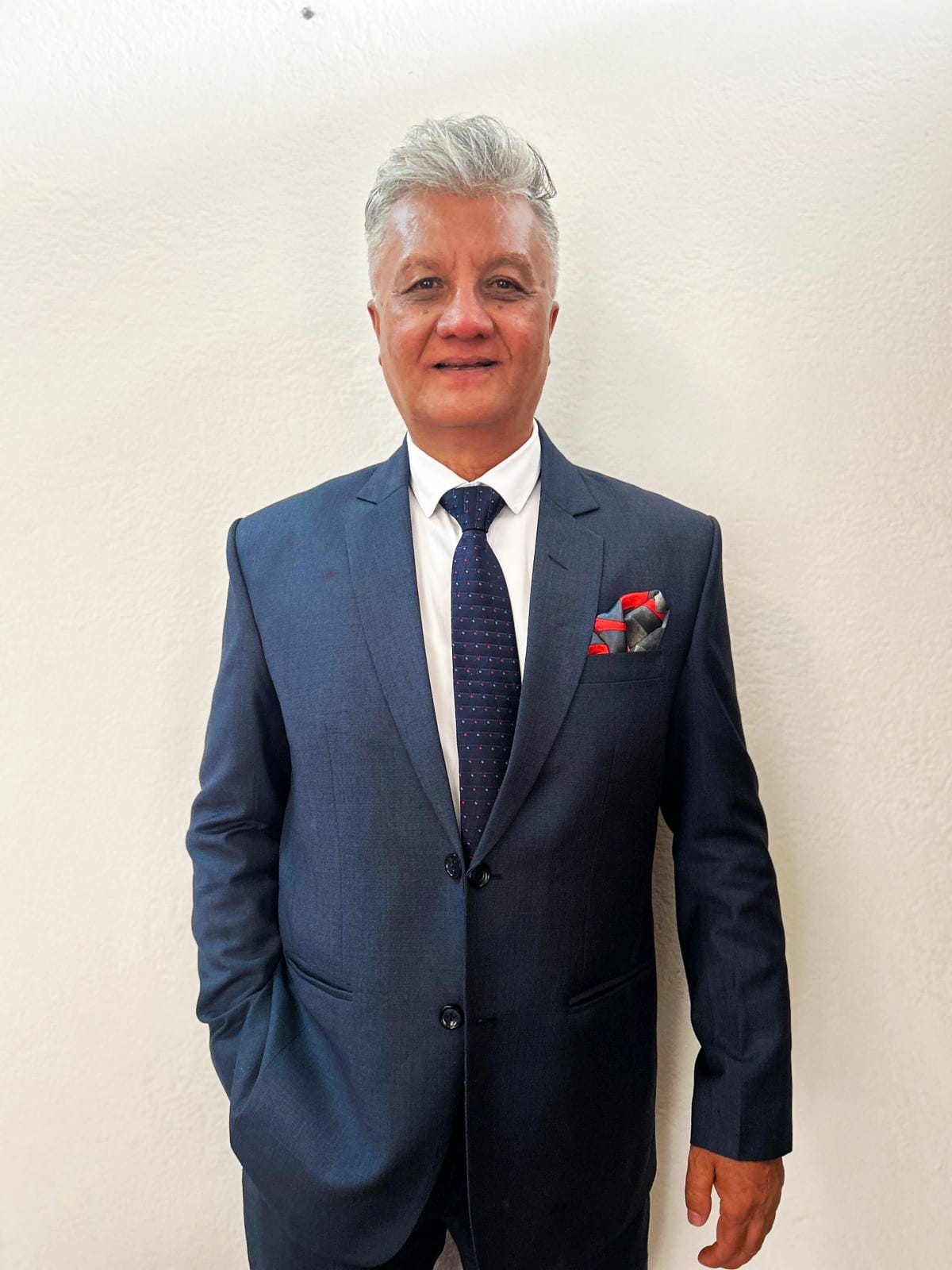
Prakash Kumar Adhikari is a veteran Nepali actor and legal advisor active in the film industry since 1989. He debuted with Anyay and gained recognition through films like Pheri Bhetaula (alongside Manisha Koirala), Behuli, Ghar Aangan, Ishwor, Aago, Khelauna, Ladain, Captain, and Yatra. With over a dozen films to his credit, Adhikari is known for portraying emotionally resonant and socially aware characters. He has also served as a legal advisor for films such as Rang Baijani and Aafanta. His contributions span acting, legal guidance, and advocacy for ethical practices in Nepali cinema.
Prakash Kumar Adhikari
Actor, Performing Artists, Film Artists
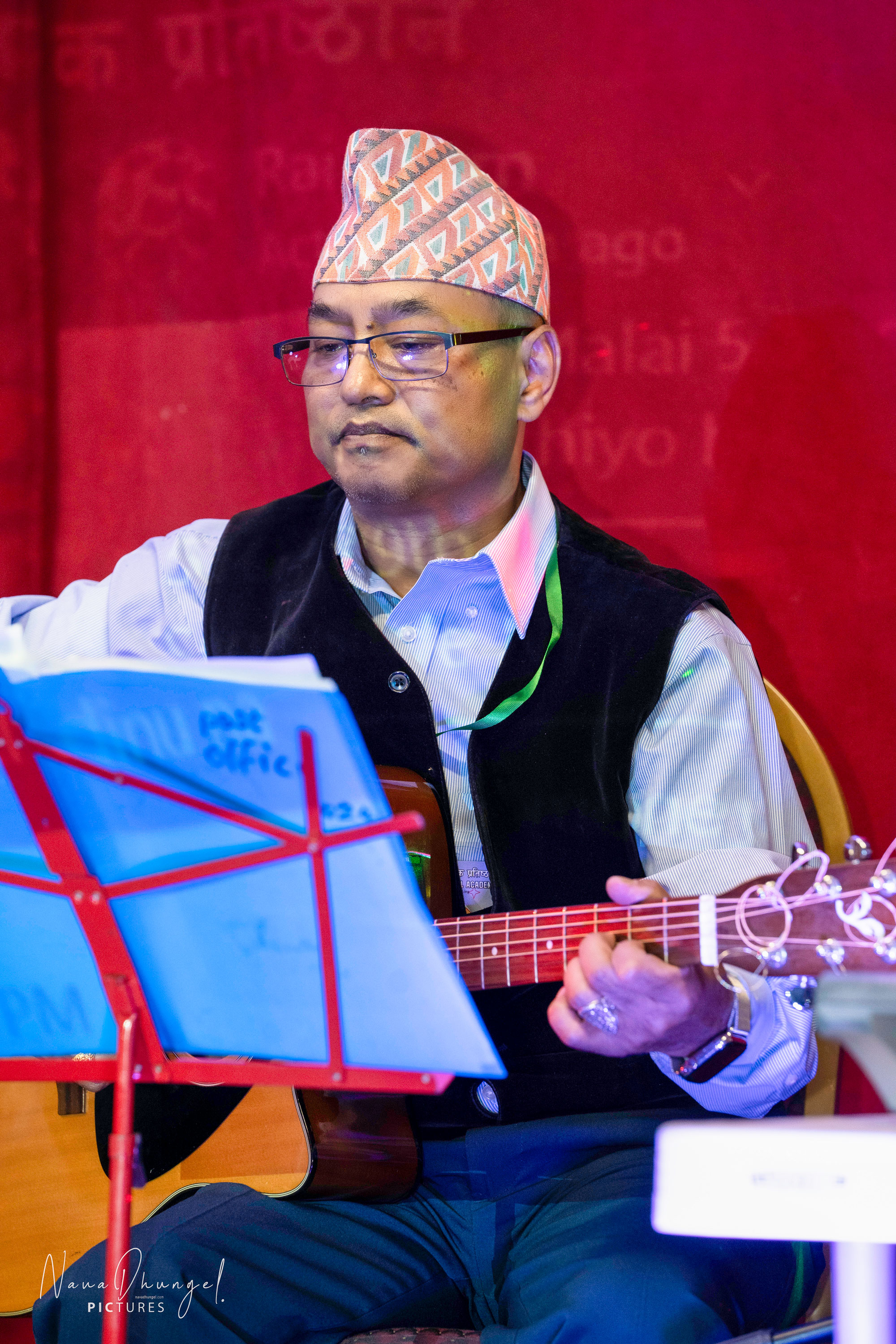
Shisir Shrestha is a respected Nepali guitarist and music educator who trained under the legendary composer Ambar Gurung. Known for his refined technique and deep understanding of both Eastern and Western musical traditions, Shrestha contributed to numerous compositions and recordings during his time with Gurung’s team. He has performed in classical and contemporary ensembles, supporting the evolution of Nepali modern music. Beyond performance, Shrestha has mentored young musicians and promoted structured music education in Nepal. His work reflects the legacy of Ambar Gurung’s vision — blending tradition with innovation in Nepali music’s instrumental landscape.
Shisir Shrestha
Music Artists, Musicians & Instrumentalists, Guitarist
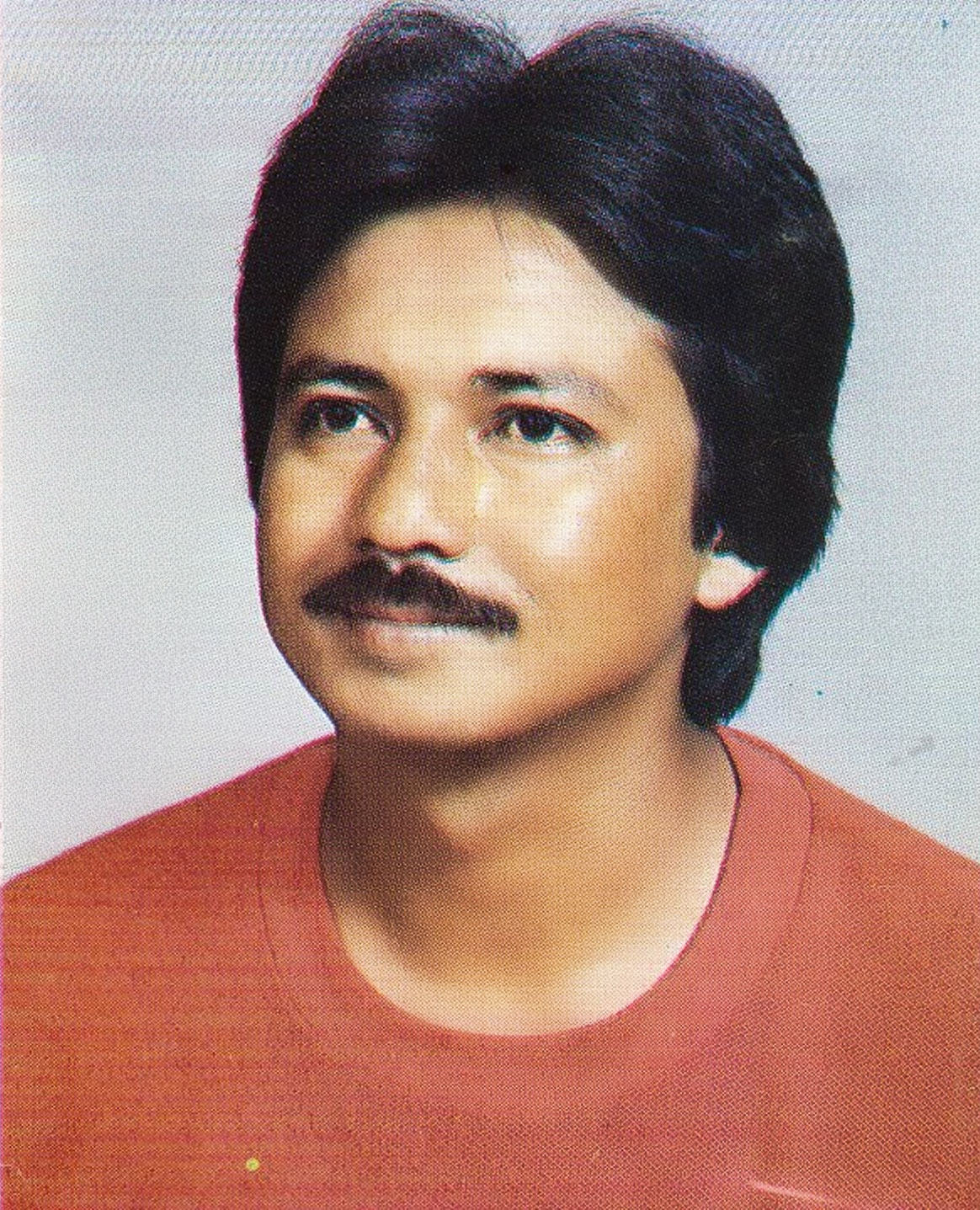
Ram Thapa (1958–2008) was a pioneering Nepali folk singer, music director, and Radio Nepal presenter known for his humorous and socially conscious songs. Born in Kamalpokhari, Kathmandu, he began his musical career in 1974 and became a 7th Grade Music Director at Radio Nepal. He sang over 150 folk songs and directed music for more than 200, with hits like Thok Na Madal Thok, Timi Yesai Lajayau, and Ritu Haruma Timi, which was ranked 7th by BBC in 2003. He was the first to publish Nepali music books with lyrics and chords, contributing to music education. Ram Thapa also served as a judge on Nepali Tara I & II, mentoring young talent. He passed away in 2008 due to liver disease.
Ram Thapa
Music Artists, Musicians & Instrumentalists, Radio Jockey [RJ], Folk Singer, Guitarist, Performing Artists
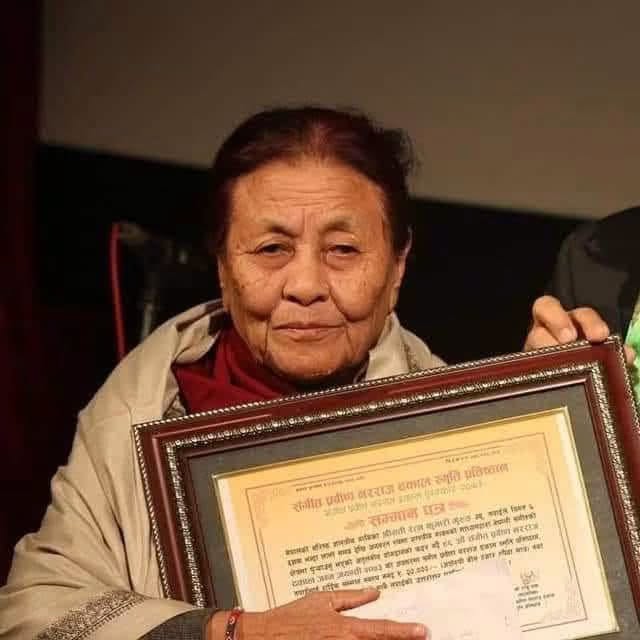
Ratna Kumari Gurung is a Nepali classical and folk‑classical singer known for her contribution to traditional vocal music and her presence in Nepali cultural performance circuits, she is recognized in Nepali music listings as a classical‑leaning vocalist with appearances in cultural programs and traditional music platforms. Within the classical domain, Ratna Kumari Gurung is associated with semi‑classical and classical vocal styles, often performed in cultural events, traditional gatherings, and Nepali folk‑classical platforms.
Ratna Kumari Gurung
Music Artists
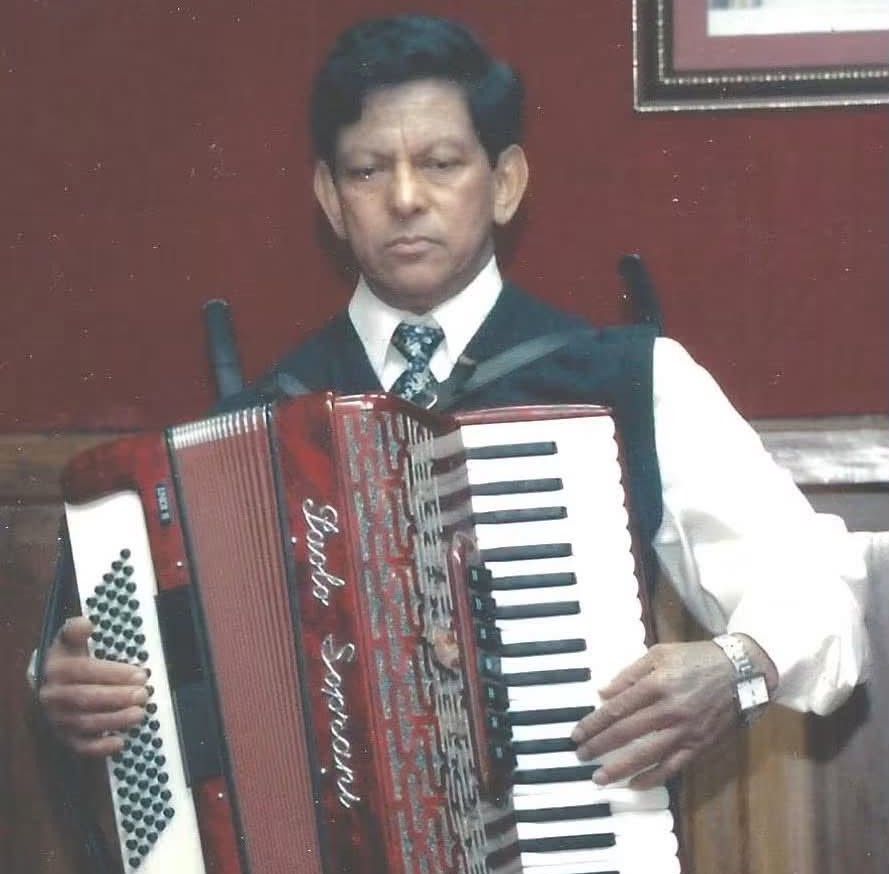
Kiran Rasaily (born 24 March 1947, Kolkata) was one of Sikkim’s most versatile and influential artists—an accomplished composer, multi‑instrumentalist, photographer, painter, architect, and cultural mentor. He gave his first public musical performance in 1953 in Gangtok and rose to prominence in 1964 after composing the patriotic song “Sikkim Dhara Hara Bhara…” written by Jaybir Subba. Gifted with mastery over harmonium, banjo, mouth‑organ, violin and the iconic piano‑accordion presented to him by the Chogyal, Rasaily became a central figure in Sikkim’s musical ceremonies and later co‑founded the Denzong Musical Society. Parallel to his artistic journey, he built a distinguished career as an architect, designing landmark structures across Gangtok, Namchi, and beyond. His passing at 79 marked the loss of a rare multi‑talented cultural treasure whose contributions continue to shape Sikkim’s artistic and architectural identity.
Kiran Rasaily
Music Artists
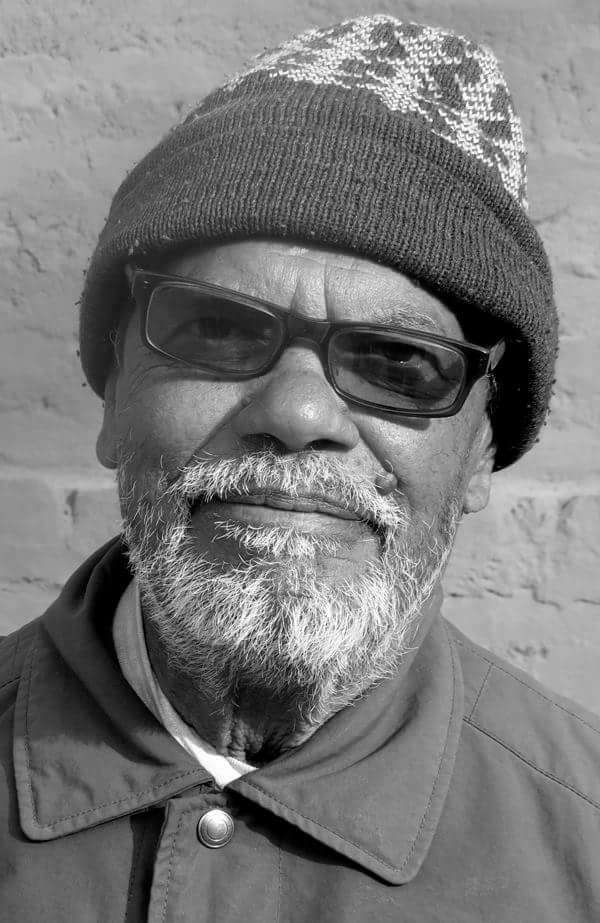
Bishnu Bhakta Phuyal was an artist and theater actor. He had been active in Nepali cinema for a long time. Phuyal passed away on the 19th of Poush, 2073 B.S. (January 3, 2017), while performing on stage at the Rastriya Nachghar in Kathmandu. He collapsed while portraying King Janak in the play Maharshi Yagya Valkya, directed by Badri Adhikari. Despite immediate attention, he could not be revived. Phuyal was also seen in the popular comedy series Tito Satya, where he played the role of actress Deepashree Niraula’s father. In addition to television, he acted in numerous Nepali films. He had once expressed a wish to die while working in the theater—and ultimately, he departed while performing on stage. His catchphrase “Youre my love” with hip-hop style from Tito Satya made him widely recognized and beloved by audiences.
Bishnu Bhakta Phuyal
Character Artists, Theatre Artists, Film Artists
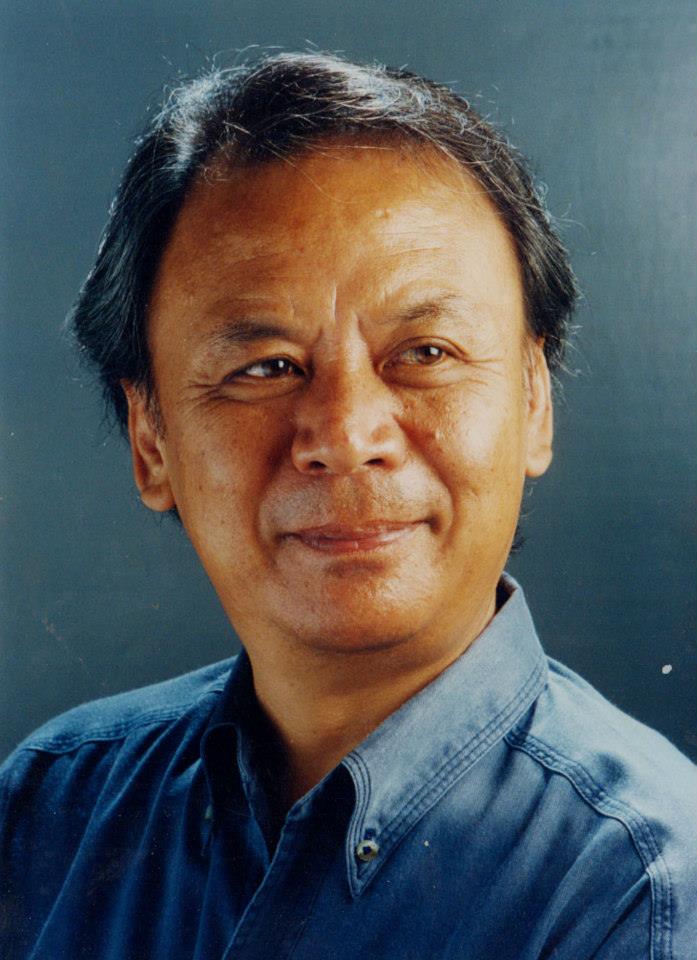
Gopal Yonjan (1943–1997) was a towering figure in Nepali music—an accomplished singer, lyricist, music director, arranger, flutist, and multi-instrumentalist. Born in Darjeeling, India, he began his musical journey with the flute, winning accolades as a young performer. His deep study of Nepali folk, Rabindra Sangeet, and classical traditions shaped a career that spanned over three decades and more than 2,000 compositions. Yonjan moved to Kathmandu in 1967 to pursue his MA in Nepali and taught music at prestigious schools while composing for Radio Nepal, Nepal Police Club, and films. His partnership with Narayan Gopal is considered the golden era of Nepali modern music. He was known for blending poetic depth with rich orchestration, often writing, composing, and arranging his own songs. His works spanned genres—patriotic, romantic, philosophical, spiritual, and children's music. He was honored with the Gorkha Dakshin Bahu, Chinnalata Song Award, and multiple Best Music Director titles. His legacy continues to inspire generations of musicians and listeners.
Gopal Yonjan
Music Artists, Music Director, Music Arranger, Singer/ Performer
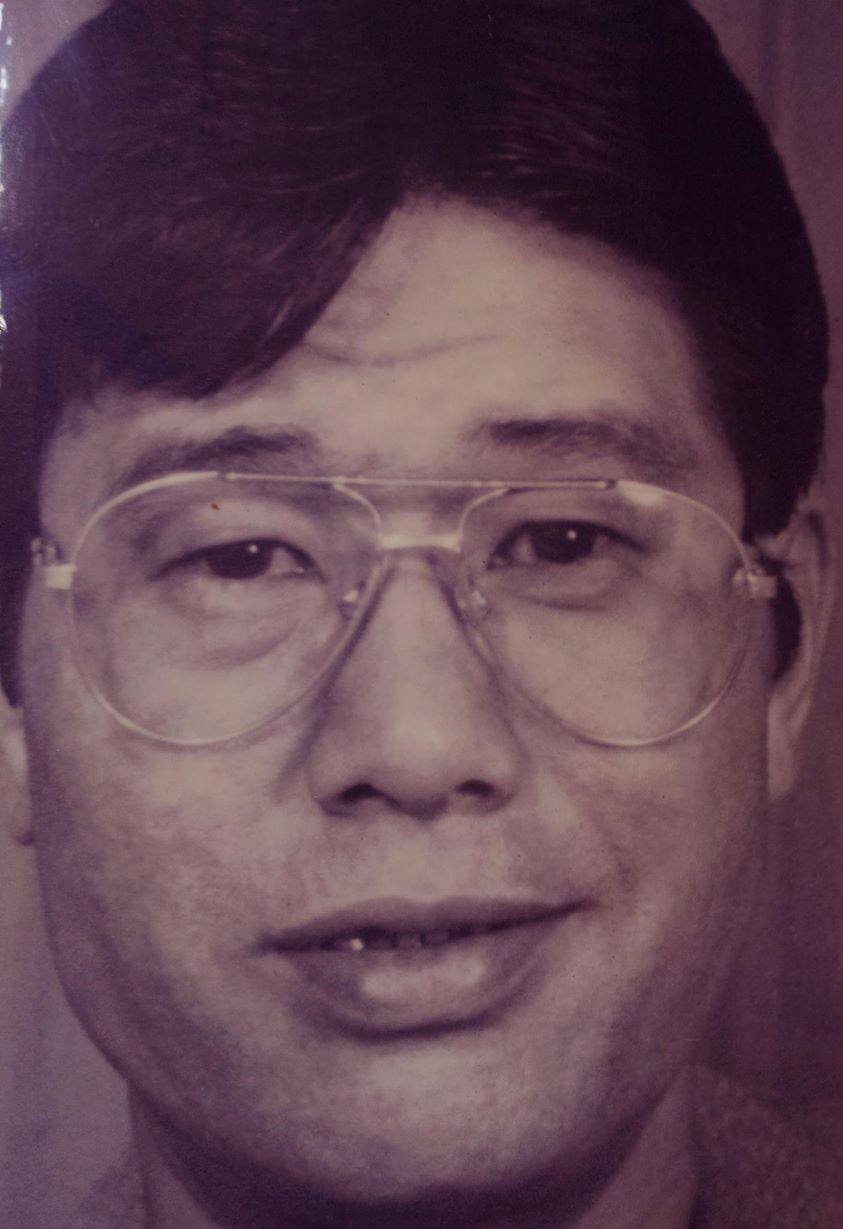
Arun Thapa (1952–1999) was a beloved Nepali singer-songwriter known for his soulful voice and emotionally resonant lyrics. Born in Calcutta, India, he moved to Kathmandu as an infant and later studied in Darjeeling before returning to Nepal to pursue music. His career began in the early 1970s, with his first major hit Jati Maya Laye Pani launching him into national fame. Thapa’s music often reflected themes of love, longing, and introspection, inspired by a personal heartbreak during his college years. His compositions blended poetic depth with melodic simplicity, earning him a devoted following. He worked briefly at Nepal Bank Limited before dedicating himself fully to music, recording for Radio Nepal and releasing two acclaimed albums: Arun and The Best of Arun. Despite battling lung and liver ailments, he continued to sing until his passing in 1999. His legacy lives on through his timeless songs, many of which are considered sadabahar (evergreen) classics.
Arun Thapa
Music Artists, Singer/ Performer
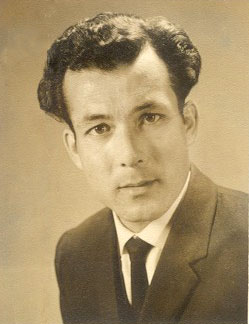
Shiva Shankar Manandhar (1932–2004) was a legendary figure in Nepali music and cinema, celebrated for his versatility as a singer, composer, and actor. Born in Newroad, Kathmandu, to a musically inclined Newar family, his early exposure to classical Newari songs through his father, Man Bahadur, laid the foundation for his lifelong devotion to music. He joined Radio Nepal in 1951, where he collaborated with Nati Kaji to shape the golden era of Nepali music. Over his prolific career, he composed around 1,200 songs and sang nearly 300, spanning genres like love ballads, bhajans, patriotic anthems, and tragic melodies. His compositions for artists such as Narayan Gopal, Tara Devi, and Aruna Lama remain timeless. 🎬 In cinema, Shiva Shankar played the lead role of Lahure Dai in Aama (1964), Nepal’s first feature film. Though he didn’t pursue acting further, he composed music for several early Nepali films, contributing to the industry's formative sound. 🎶 Sadabahar (Evergreen) Songs: Aama ko sapana – a heartfelt tribute to motherhood Yo Nepali shir uchali – a patriotic anthem Timro lagi ma birsine – a romantic classic His music blended folk traditions with orchestral arrangements, pioneering modern Nepali pop while preserving cultural authenticity. Shiva Shankar received numerous national honors and served as Executive Director of Ratna Recording Corporation (1987–1991). Even post-retirement, he remained a guardian of Nepal’s musical soul.
Shiva Shankar Manandhar
Music Artists, Actor, Playback Singer, Film Artists
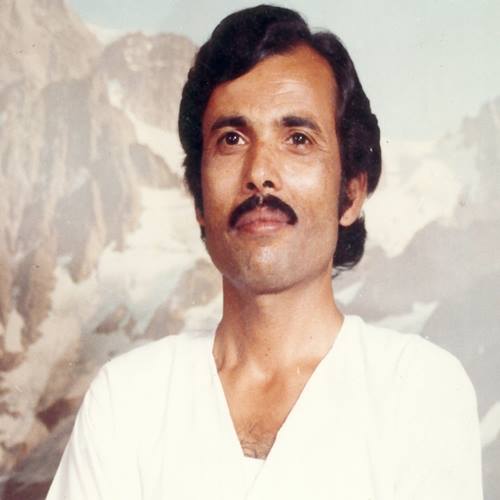
Bhakta Raj Acharya commonly referred to as Bhajan Shiromani, is a Nepali singer and music-composer. He is one of the best known singer of Nepal. He was born in Dhankuta ,Nepal and raised in Kalimpong, India. He moved to Nepal in 1970’s during the flock on Darjeeling singers to Nepal. Bhakta Raj Acharya has very beautiful Hymns or Bhajans sung in Nepali language and is entitled as the Bhajan Shiromani of Nepal. Acharya’s career started in 2030 B.S after he won a gold medal in an All Nepal Song Competition . His career spanned until 2046 B.S. He has about 450 recorded songs and has composed about 25-30 songs. Now his sons, Satya Raj Acharya and Sworup Raj Acharya have followed their father’s footsteps with them and have established themselves as promising singers are geared up to bring the real-life story of their father into reel-life.
Bhakta Raj Acharya
Music Artists, Music Director, Singer/ Performer
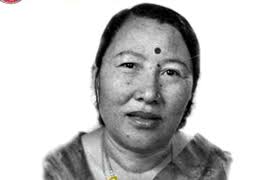
Tara Devi, revered as “The Nightingale of Nepal,” was one of the most influential and beloved voices in Nepali music. Born on 15 January 1945 in Indrachowk, Kathmandu, she began singing at Radio Nepal as a young teenager and soon emerged as the defining female voice of modern Nepali music. Over a career spanning four decades, she recorded more than 4,000 songs, ranging from modern melodies and patriotic anthems to devotional and folk compositions, shaping the emotional and cultural soundscape of an entire nation.Her voice—soft, expressive, and deeply emotive—became synonymous with Nepali identity. Songs like “Phool Ko Thunga,” “Udi Jaun Bhanne,” “Mann Ko Bandh,” “Bhimsen Thapa,” and countless others remain timeless classics, cherished across generations and the global Nepali diaspora. Tara Devi’s artistry elevated Nepali music to new heights, bringing refinement, dignity, and lyrical depth to the modern genre.In recognition of her extraordinary contribution, she received some of Nepal’s highest national honors, including the Jagadamba Shree Award (2050 B.S. / 1993 A.D.), the Indra Rajyalaxmi Pragya Puraskar, the Chhinnalata Puraskar, the Maina Puraskar, and the Nai Sur Samman. She was also decorated with the Prabal Gorkha Dakshin Bahu (First Class), the Mahendra Ratna Abhushan, the Gaddi Arohan Rajat Padak, and the Birendra Aishwarya Sewa Padak, along with numerous other national and international recognitions.Despite personal tragedies later in life, Tara Devi continued to embody grace, devotion, and artistic integrity. She passed away on 23 January 2006, leaving behind a monumental legacy that continues to inspire singers, musicians, and music lovers across the world. Her voice remains a cultural treasure—an enduring symbol of Nepal’s musical soul.
Tara Devi
Music Artists, Singer/ Performer
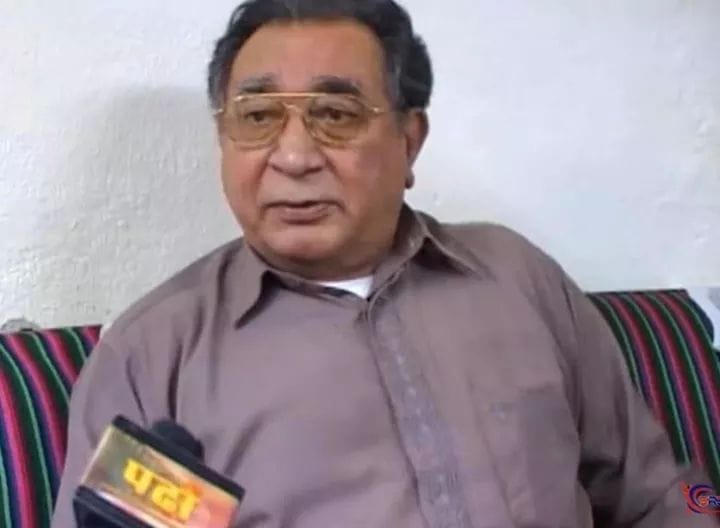
Jayananda Chand Thakuri was a prolific Nepali film actor known for his powerful screen presence and memorable roles across more than 100 films. Active from the early commercial era of Nepali cinema, he became a familiar face in action, patriotic, and social‑drama films, earning respect for his discipline, versatility, and long‑term contribution to the industry. Thakuri worked with leading directors and stars for decades, helping shape mainstream Nepali cinema. He passed away on May 31, 2020, leaving behind a respected legacy as one of Nepal’s most dedicated character actors. Selected Filmography (Representative List) Bishwas Jeevan Rekha Papi Manchhe Badal Bhai Tika Aama (later‑era remake involvement) Jali Rumal Kasam Bhai Mukti Jindagani Pahilo Prem (Note: His filmography spans over 100 titles; this list highlights widely recognized works.)
Jayananda Chand Thakuri
Character Artists, Film Artists
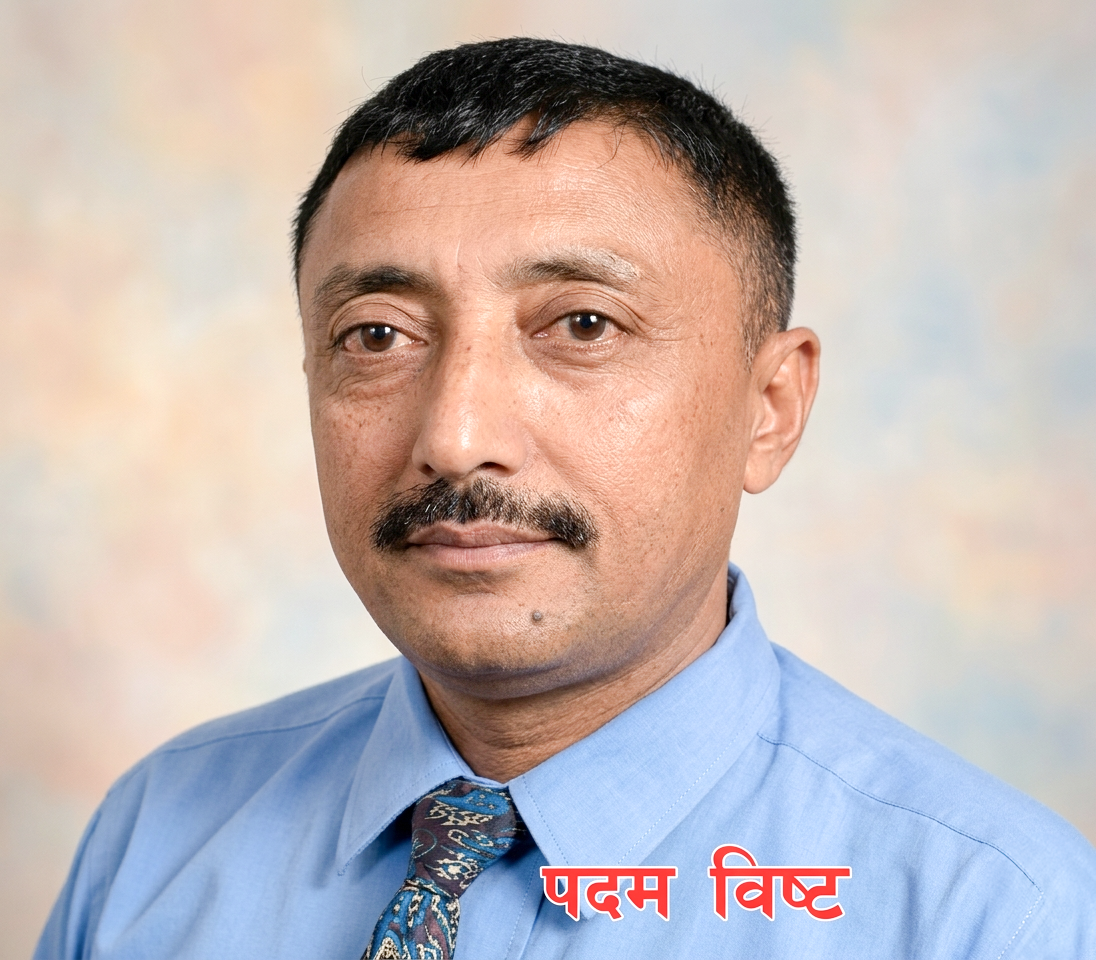
Padam Bista was a respected Nepali folk singer and a Nepal Police officer known for his dedication to preserving Nepal’s diverse musical heritage. A prominent figure of the cassette and Radio Nepal era, he traveled across regions, learning, collecting, and performing traditional melodies. He collected songs from Eastern Nepal to Western Nepal and helped preserve them in the treasury of Nepali folk music. His voice carried everything from eastern melodies to Tamang selo and western jhyaure songs. His powerful, earthy vocal tone and his ability to represent multiple regional styles made him a beloved figure among folk‑song listeners. Through stage performances, police cultural programs, and analog recordings, he brought rural stories and musical traditions to a national audience. Although digital records of his work are limited today, his songs continue to be remembered with respect and nostalgia by those who grew up listening to him.
Padam Bista
Folk Singer

Gitanjali Sunwar is a Nepali film artist/actress active in the late 1980s and 1990s, known for her roles in three notable Nepali feature films.
Gitanjali Sunwar
Film Artists
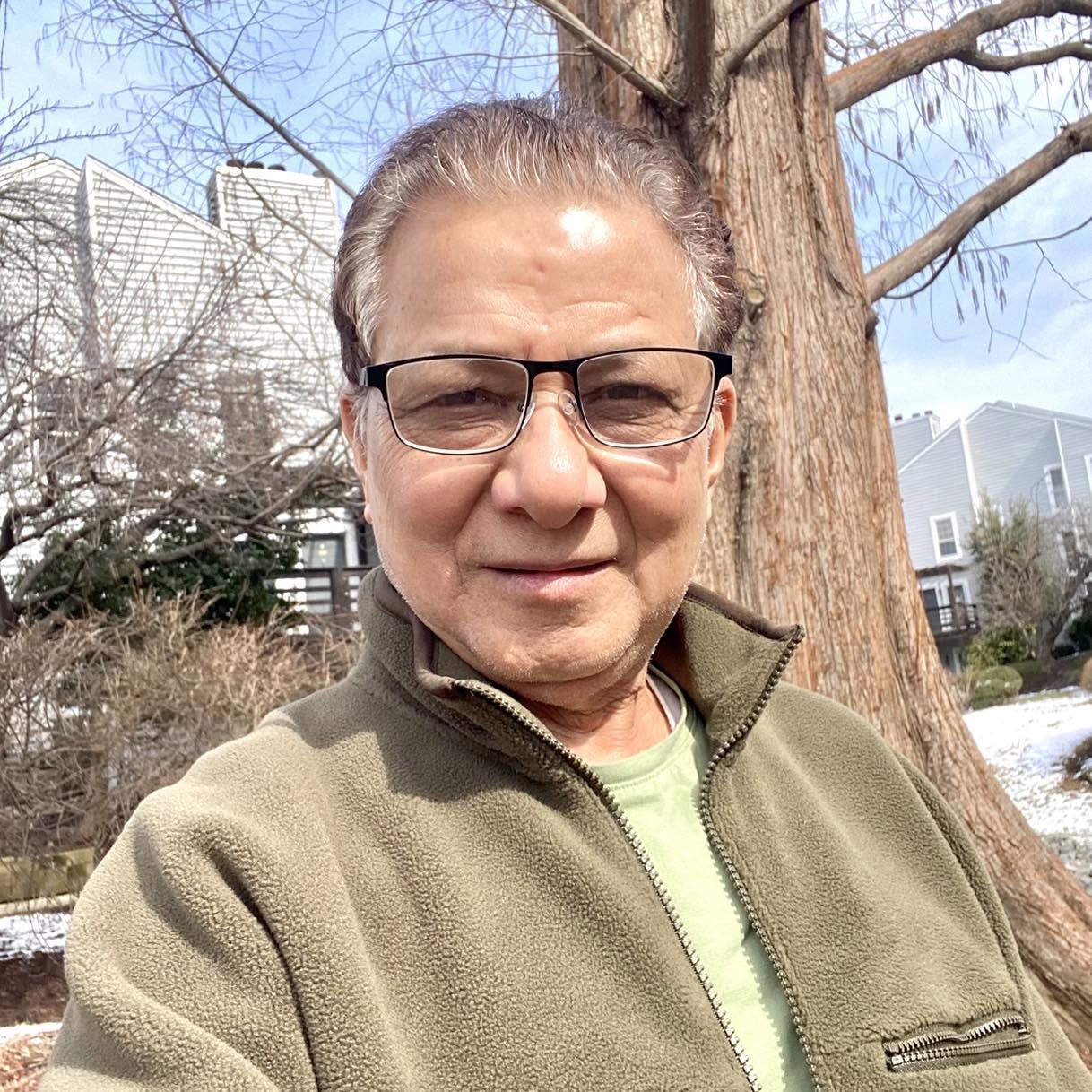
Madhu Chhetri is a legendary Nepali singer known for evergreen hits like Saili ra Maili Poila Gaechan, Phoolai Phoola Matra Pani, and Hurile Udauna Sakena, with a musical career spanning over four decades.
Madhu Chhetri
Folk Singer, Singer/ Performer
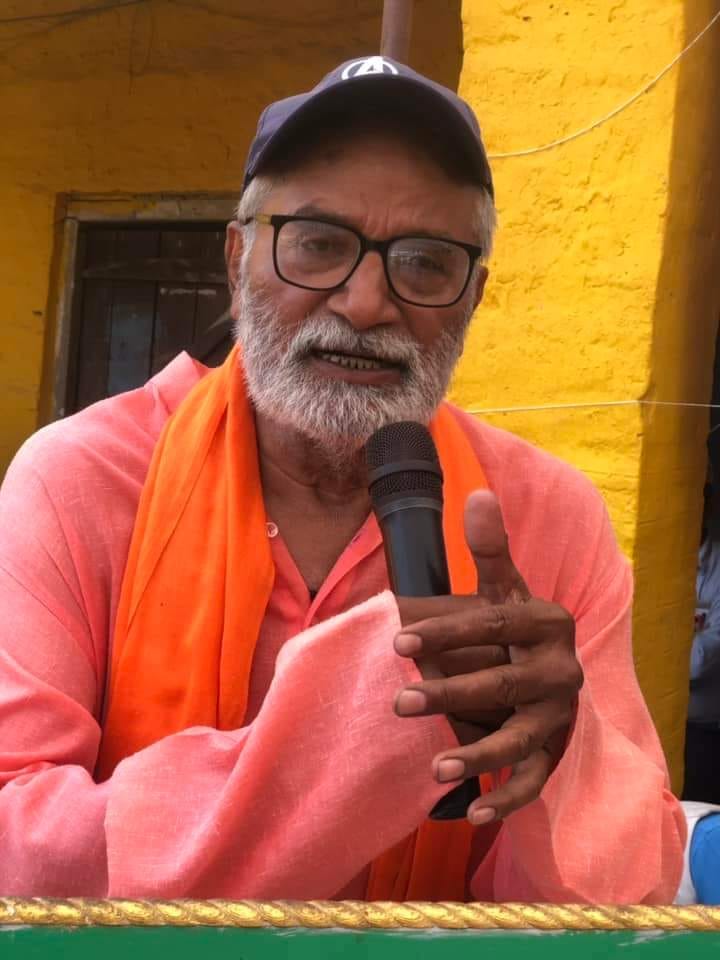
Tika Pahari is a respected veteran actor in Nepali cinema, known for his powerful supporting roles across several decades. He gained widespread recognition for his portrayal of Raj’s father in the beloved film Darpan Chhaya (2001), and has since appeared in numerous acclaimed films such as Jeevan Sangharsha (1995), Prithvi (1994), Manjari (2013), and Dui Rupaiyan (2017), where he played the role of a smuggling boss. His performances often bring emotional depth and gravitas, making him a familiar and admired figure in both classic and contemporary Nepali films. He is also the father of actor Gaurav Pahari, continuing a legacy of artistic contribution to Nepali cinema.
Tika Pahari
Actor, Character Artists, Film Maker/ Producer
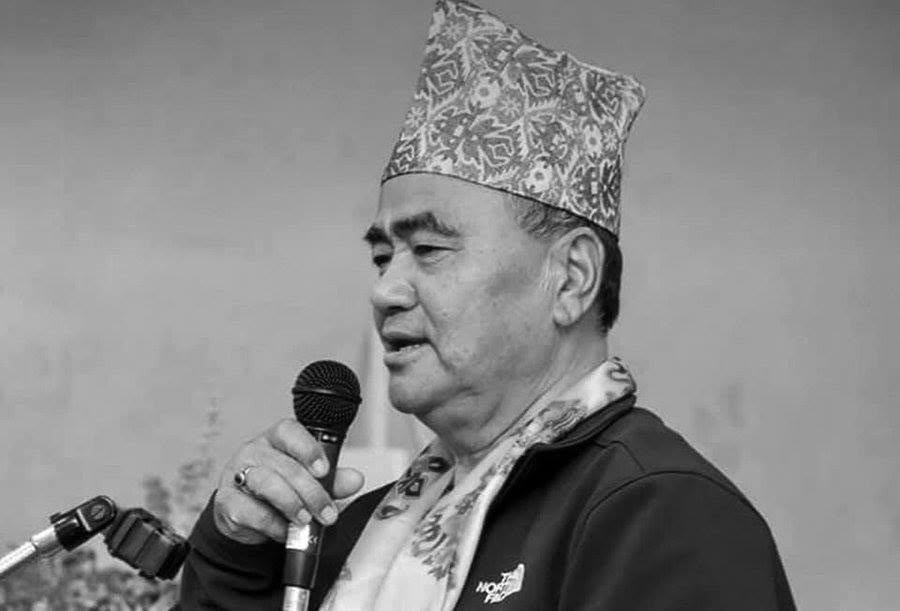
Madan Dipbim was a respected Nepali music composer, arranger, and singer, known for shaping the sound of modern Nepali music through his melodic, emotionally rich compositions. Born in Ilam, he built a long career creating songs that became staples of Nepali radio and cassette‑era music. He worked with Radio Nepal for several years, where many of his most popular works were recorded and broadcast nationwide.Across his career, Dipbim composed dozens of beloved songs, including “Surilo Rukh Sallai Ho,” “Timrai Yadma Kalpi Kalpi,” “Jhaskera Dukhchha Yo Mutu Mero,” and “Ke Bhul Bhayo Priya.” These songs remain widely recognized for their lyrical simplicity and heartfelt musical phrasing.In his later years, he lived in the United States with his daughter Mamata Dipbim, herself a singer, while continuing to remain connected to Nepali music and audiences abroad.Madan Dipbim passed away on April 22, 2019, in the United States due to a heart attack. His death was widely mourned as the loss of a gentle, influential, and melodically gifted figure in Nepali music.
Madan Dipbim
Music Director, Music Arranger