

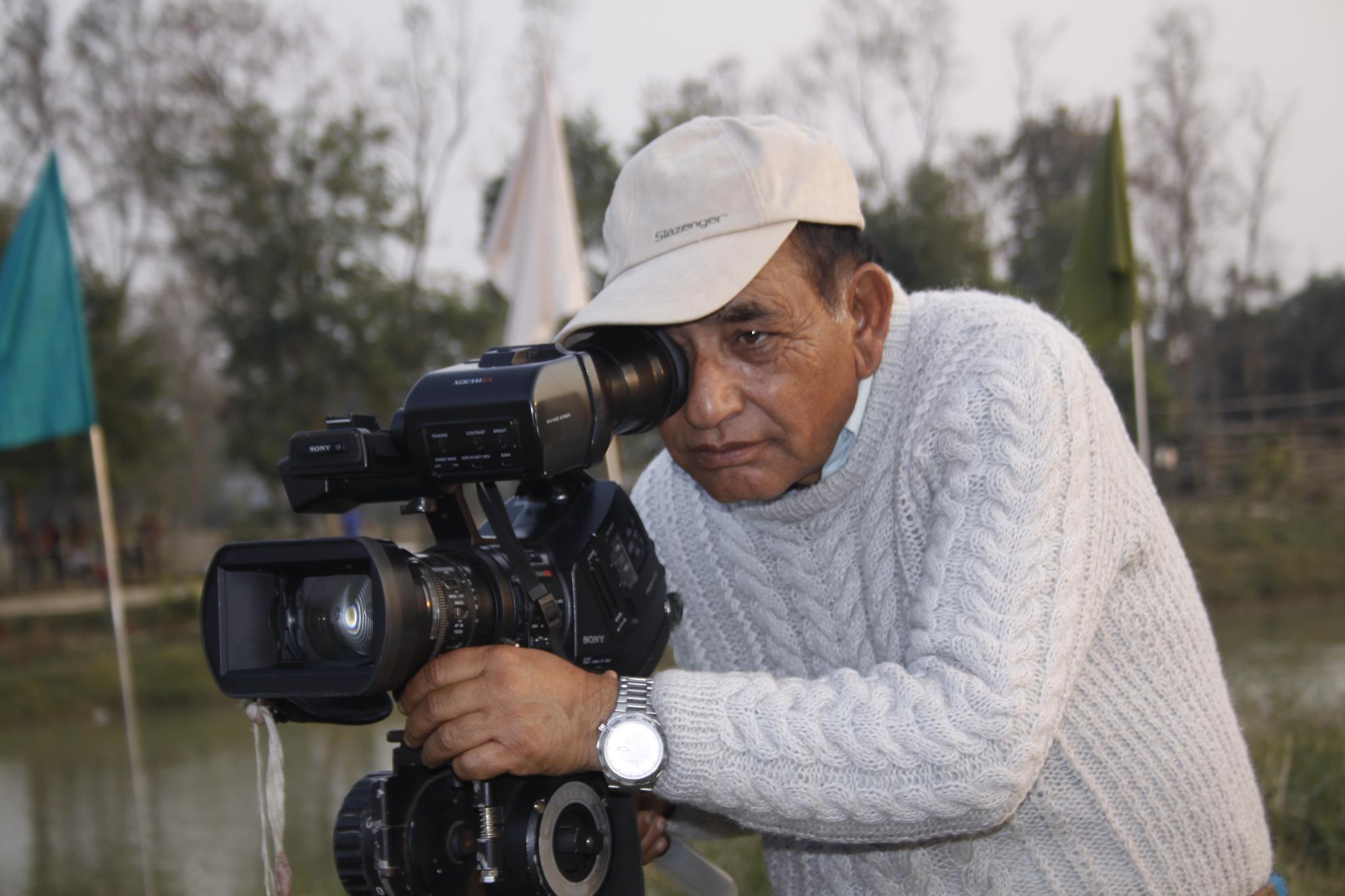
Laxminath Sharma
@laxminath-sharma · Film Director
Laxminath Sharma is a pioneering figure in Nepali cinema, known for his multifaceted contributions as a film director, screenwriter, lyricist, production designer, and legal advisor. Born on September 24, 1945 in Barbote, Ilam, he began his career in...
Biography
Laxminath Sharma is a pioneering figure in Nepali cinema, known for his multifaceted contributions as a film director, screenwriter, lyricist, production designer, and legal advisor. Born on September...
Personal Info
Career Highlights
8
Films
1
Awards
43 yrs
Experience
—
Rating
Similar Artists
Artists you might also like
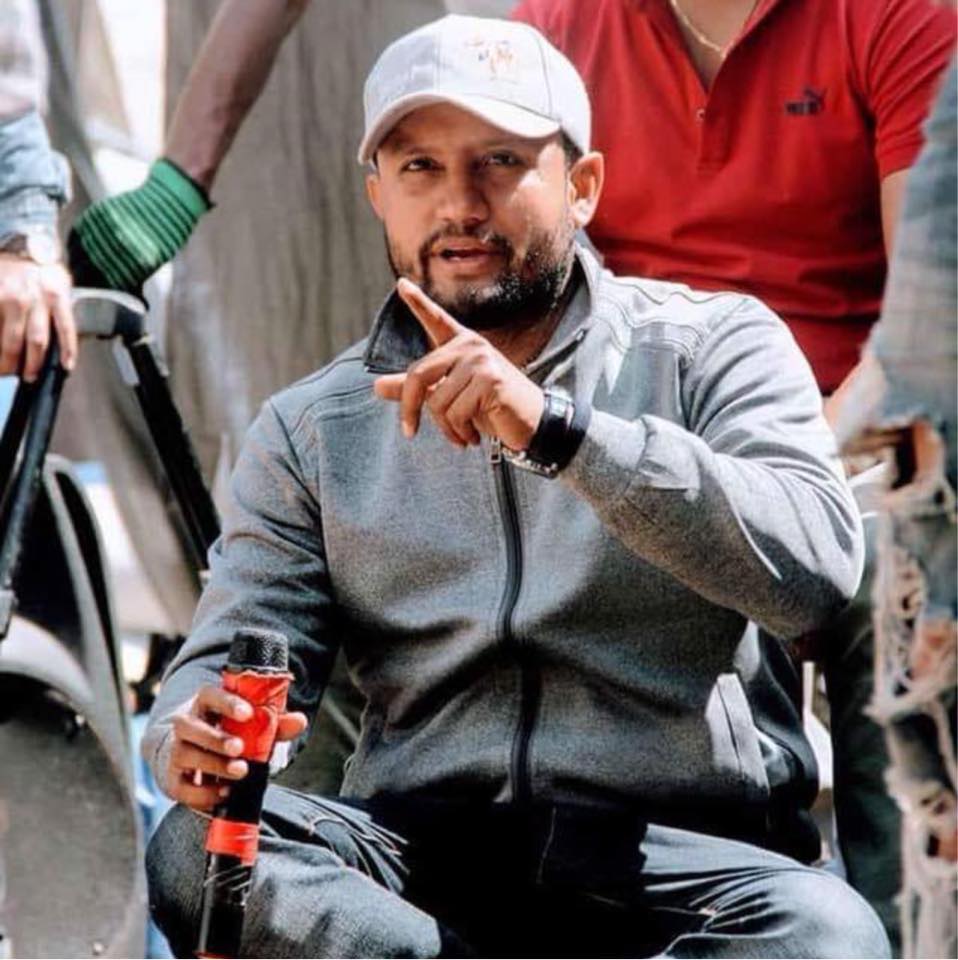
Chandra Pant is a prominent Nepali filmmaker and action director known for his work in both Nepali and Bhojpuri cinema. Starting his career as a stuntman around 2008, he moved into action direction with films like Raavan, Fanko, Dreams, Lazza, Kri, Lappan Chhappan, and many more, designing action for over 60 films. He made his directorial debut with the Bhojpuri hit Nirahua Chalal London, later directing Nepali features such as Rann, Hrashwo Deergha, and the emotional drama Aa Bata Aama, which became a major box‑office success. Pant is regarded as one of the leading action specialists shaping modern Nepali commercial cinema.
Chandra Pant
Film Director

Alok Nembang (June 9, 1973 – November 6, 2014) was one of Nepal’s most influential film and music‑video directors, celebrated for shaping the visual language of modern Nepali pop culture. Beginning his career as a VJ and model, he went on to direct over 600 music videos, introducing cinematic style, fresh aesthetics, and youth‑driven storytelling. Nembang made his feature‑film debut with the hit romantic drama Sano Sansar (2008), followed by Kohi Mero (2010). Known for his creativity, discipline, and trend‑setting vision, he remains a defining figure in Nepal’s contemporary visual and musical landscape.
Alok Nembang
Film Director, Music Video TVC Director
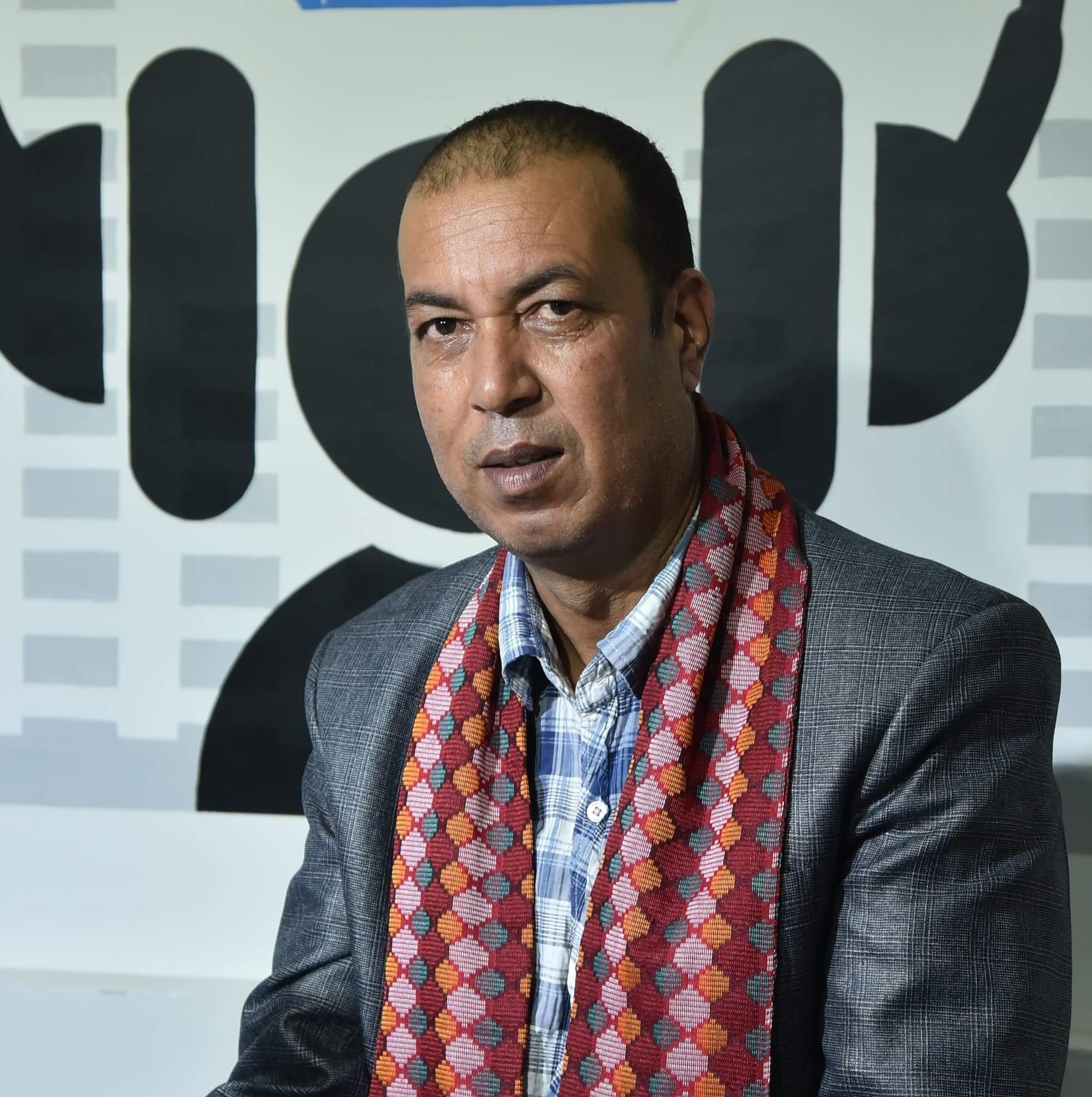
Dayaram Dahal (born 27 May 1970, Kavrepalanchok) is a veteran Nepali filmmaker active since the late 1980s, known for his multi‑disciplinary contributions as a director, actor, producer, writer, lyricist, and music director. He began his career in 1987–1990 as an assistant director before rising to prominence in the 1990s, becoming one of Nepal’s highest‑paid directors of the era. His film Nepal (2007) became the first Nepali feature film partly shot in the United States, marking a milestone in the industry. Dahal has directed, acted in, or contributed musically to over 60 films, including major hits such as Thuldai, Ta Ta Sarai Bigris Ni Badri, Ma Timi Bina Marihalchhu, Farkera Herda, and Dasgaja. He served as the Executive Chairperson of the Film Development Board of Nepal from June 4, 2020 to June 3, 2022, where he focused on policy reform, artist welfare, and institutional strengthening. He is also a founding member of the Film Directors Guild of Nepal and a long‑time contributor to multiple film associations.
Dayaram Dahal
Film Director
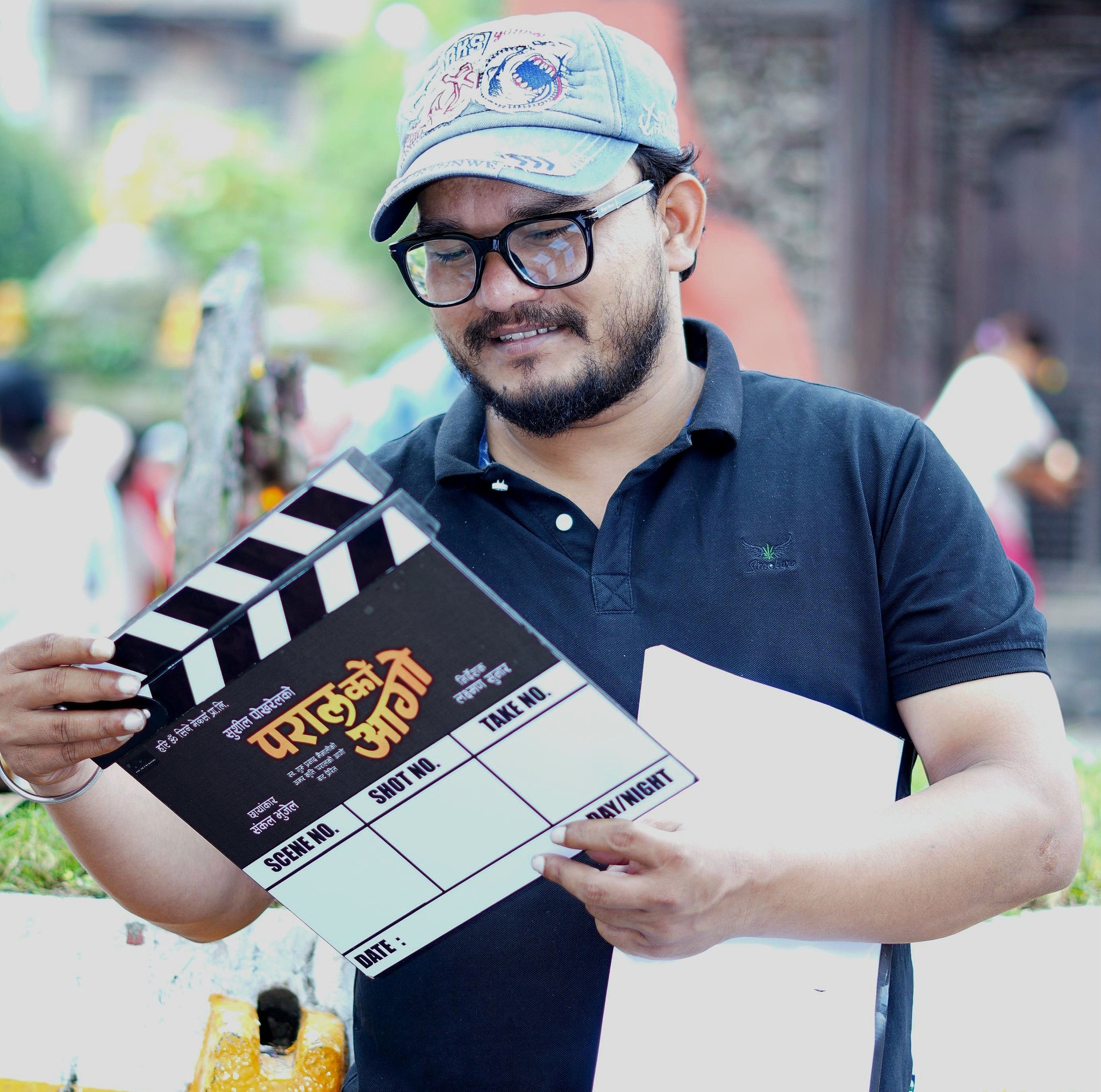
Laxman Sunar is a Nepali film director, scriptwriter, and editor known for his grounded visual style and commitment to character‑centered storytelling. Active across feature films, short films, and narrative projects, he brings a disciplined approach to structure, performance, and emotional realism. As the Founder of Kasturi Production Pvt. Ltd., Sunar has developed a creative space focused on socially rooted stories and technically polished filmmaking. His work reflects a blend of rural authenticity, psychological depth, and clean visual framing, positioning him among the thoughtful voices shaping contemporary Nepali cinema.
Laxman Sunar
Film Director