
Explore Artists
Browse through 2,080 talented actors, musicians, dancers, filmmakers and creative professionals from Nepal.
2,738
All Artists
213
Actor
234
Actress
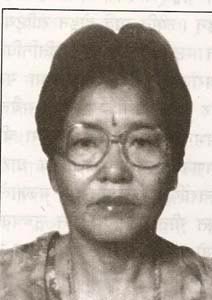
Ganga Rana was one of Nepal’s most influential voices in adhunik (modern) music, celebrated for her effortless singing style and her rare ability to perform both modern and folk songs with equal mastery. Her patriotic songs, emotional depth, and artistic versatility made her a defining figure in Nepal’s musical history. She was not only a singer but also a composer and lyricist, contributing significantly to the creative evolution of Nepali music.Born on Poush 9, 1996 BS in Rumjatar, Okhaldhunga, to Champa Singh Gurung and Chandra Devi Gurung Rana, she moved to Kathmandu at a young age with her elder sister and brother‑in‑law to pursue her education. However, her passion for music soon took precedence. While studying at Gaushala Adhar School, Chabahil, she actively participated in singing, dancing, and acting—laying the foundation for her artistic journey.Ganga Rana recorded her first song at Radio Nepal at age 14, and by 2010 BS, she was working there professionally. Her breakthrough moment came during the coronation of King Mahendra, where her performance captivated the entire audience. In 2011 BS, she gained national and international attention after singing a patriotic song to welcome Chinese Prime Minister Chou En‑lai during his visit to Nepal.She married Nur Pratap Rana in 2018 BS, and they had three children—sons Kundan Pratap and Amir Pratap, and daughter Rakshya Rana, who later became Nepal’s first female pilot.Throughout her career, Ganga Rana earned numerous honors:Gold Medal for acting from Nepal Rastriya Pustakalaya (2016 BS)2nd place in Radio Nepal’s Adhunik Singing Competition (2019 BS)1st place in the same competition (2020 BS)Awarded by King Mahendra for winning again in 2023 BSHonored for acting by the Cultural Association (2030 BS)Shree Panch Birendra Subharajyabhishek Padak (2031 BS)In 2049 BS, her husband established the Nurganga Puraskar Guthi in her memory, honoring artists from Lumbini every year.
Ganga Rana
Folk Singer, Singers & Vocalists
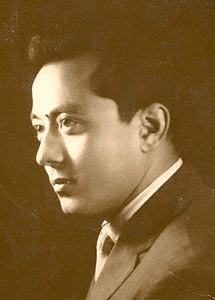
Pushpa Nepali (Born: 3 January 1932 AD – Died: 13 November 2001 AD) was a legendary Nepali singer, lyricist, and composer, celebrated for his powerful voice, disciplined artistry, and extraordinary contribution to the golden era of Radio Nepal. Born on Poush 19, 1988 BS in Kathmandu, he emerged as one of the most influential musical figures of his generation.He entered Radio Nepal in 2008 BS with a monthly salary of fifty rupees, marking the beginning of a remarkable musical journey. After serving for eight years, he briefly left the station, but his exceptional voice soon reached the ears of King Mahendra, who personally requested his return. Rejoining Radio Nepal, Pushpa Nepali resumed recording with renewed energy, and his voice quickly became one of the most admired in the country.By 2036 BS, he had recorded over 500 songs, establishing himself as one of the most prolific singers of his era. Alongside his vocal achievements, he also contributed around 25 lyrics and 25 musical compositions, all preserved as part of Nepal’s musical heritage.Pushpa Nepali’s artistry combined emotional depth, classical grounding, and cultural authenticity. His songs remain beloved across generations, and his influence continues to shape Nepali music long after his passing on Kartik 27, 2058 BS.
Pushpa Nepali
Singer/ Performer
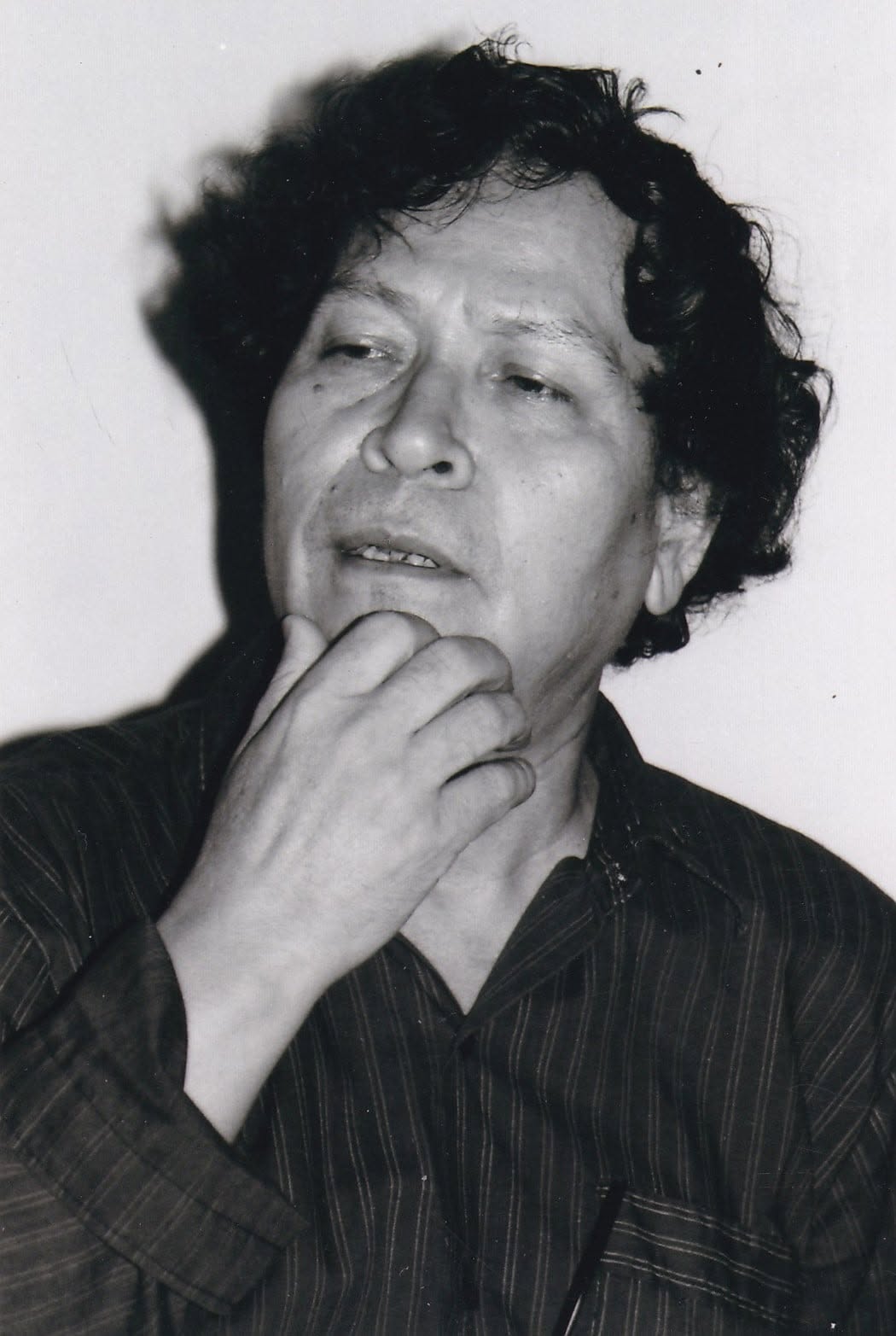
Manik Ratna Sthapit is a legendary Nepali singer and composer, widely admired for his expressive voice, refined musical discipline, and contribution to the development of Nepal’s modern musical era. Known for his smooth vocal delivery and deep melodic understanding, Sthapit became one of the respected voices who helped shape the sound of Nepali music during a transformative period.Emerging from a generation that valued classical grounding and cultural authenticity, Sthapit built his reputation through emotionally rich performances and compositions rooted in Nepali identity. His songs reflect clarity, balance, and a timeless melodic structure that continues to resonate with listeners and musicians.As a composer, he created works that blend traditional sensibility with modern musical expression. His compositions are known for their lyrical depth, elegant phrasing, and musical purity — qualities that earned him recognition among senior musicians, broadcasters, and cultural institutions.Throughout his career, Sthapit remained committed to artistic integrity. His influence extends across generations, inspiring singers, composers, and students who look to his work as a model of discipline, taste, and musical excellence.
Manik Ratna Sthapit
Music Director, Singer/ Performer
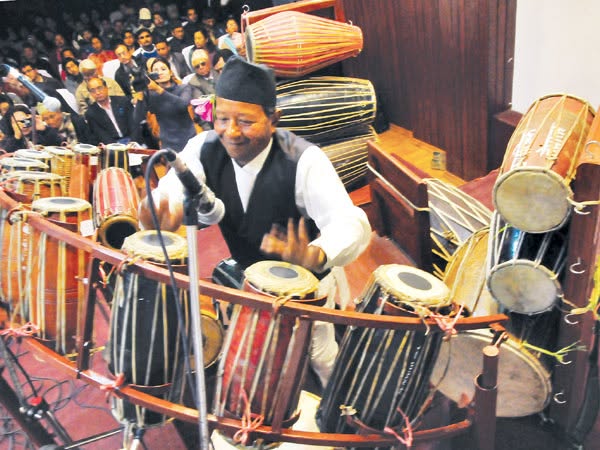
Nhuche Bahadur Dangol is a distinguished Nepali folk music educator, researcher, and multi‑instrumentalist, widely respected for his lifelong contribution to preserving and teaching Nepal’s traditional musical heritage. As an Associate Professor at Tribhuvan University, he has dedicated more than 36 years to teaching Nepali folk music, folk musical instruments, and traditional folk tunes to new generations of Nepali students.His career reflects a rare combination of academic depth, practical musicianship, and cultural stewardship. Dangol has played a central role in documenting, teaching, and transmitting the musical traditions of Nepal’s diverse ethnic communities. His classroom work, field knowledge, and performance experience have shaped thousands of young musicians, many of whom now serve as performers, teachers, and cultural ambassadors.Known for his mastery of multiple Nepali folk instruments, Dangol emphasizes authentic technique, historical context, and cultural meaning in his teaching. His approach blends scholarship, performance, and preservation, making him one of the most influential figures in Nepali folk music education.Through decades of service at Tribhuvan University, he has contributed to curriculum development, academic research, and the institutional recognition of Nepali folk music as a formal discipline. His work continues to strengthen the identity, continuity, and global appreciation of Nepal’s musical heritage.
Nhuche Bahadur Dangol
Musicians & Instrumentalists, Music Instructor, Madal - Dholak Player
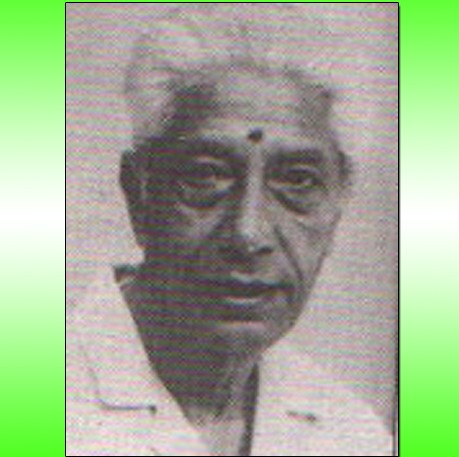
Laxman Lohani is a Nepali lyricist, poet, satirist, and playwright known for his patriotic songs, socially conscious poetry, and sharp political commentary. His writing blends folk emotion, national identity, and cultural storytelling, giving his work a distinctive voice in modern Nepali literature and music.As a lyricist, Lohani has written memorable songs rooted in Nepali life, rural sentiment, and emotional depth. His patriotic and social‑themed lyrics are recognized for their sincerity, clarity, and cultural resonance.As a poet, he creates lyrical and symbolic works that explore themes of nation, society, human emotion, and moral reflection. His poetry often highlights the struggles and aspirations of ordinary people.As a satirist, Lohani is known for bold and humorous critiques of political behavior, social hypocrisy, and leadership culture. His satire carries both wit and truth, making it powerful and memorable.
Laxman Lohani
Lyricist, Poet

Purna Thapa is a renowned comedian, playwright, and radio program presenter and producer. He was born in Jhamshikhel in the year 2020 B.S. (1963/64 A.D.) to father Haribahadur Thapa and mother Subhalakshmi Thapa. Around 2031/32 B.S. (1974/75 A.D.), satirical performances like “Khirchor” and “Pagal Dance” were being staged in and around Jhamshikhel, Lalitpur. These performances gained significant popularity at the time. The artists behind them were Purna Thapa Magar and his friend Shri Om Shrestha. Among them, Purna Thapa remains a well-known figure in the arts even today. His artistic journey, which began during that period, continues to this day. Purna studied up to Grade 10 at Tika Vidyashram School in Lalitpur and completed his Bachelor's degree in Arts from Patan Campus. Alongside acting, he has also worked in writing and directing. In 2041 B.S. (1984/85 A.D.), he got the opportunity to act in his first radio drama.
Purna Thapa
Actor, Character Artists, Performing Artists
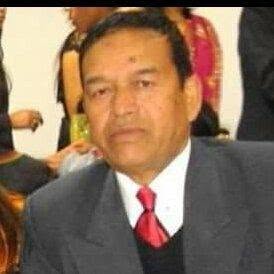
Ganesh Pariyar (1945 – 18 January 2021) was Nepal’s first music arranger, a pioneering composer, singer, and multi‑instrumentalist whose work laid the foundation of modern Nepali studio music. Beginning as a contractual instrumentalist at Radio Nepal in 2019 BS, he became a permanent musician in 2024 BS, introducing structured music arrangement to Nepali broadcasting for the first time.Before entering full‑time music, Pariyar served in the Nepal Army, rising to the rank of Havildar before resigning to pursue music professionally. A skilled violinist, saxophonist, guitarist, and folk instrumentalist, he played a central role in shaping the orchestral sound of early Nepali recordings.Across more than two decades at Radio Nepal, he contributed as an arranger, composer, vocalist, instrumentalist, and collector of lyrics and melodies. His disciplined musicianship and technical mastery helped elevate the quality of Nepali studio productions during a formative era.In 2050 BS, he joined Music Nepal as a Music Director and Arranger, influencing commercial music production and supporting countless singers and composers. His legacy remains foundational in the evolution of Nepali music arrangement.
Ganesh Pariyar
Music Arranger, Musicians & Instrumentalists, Folk Singer
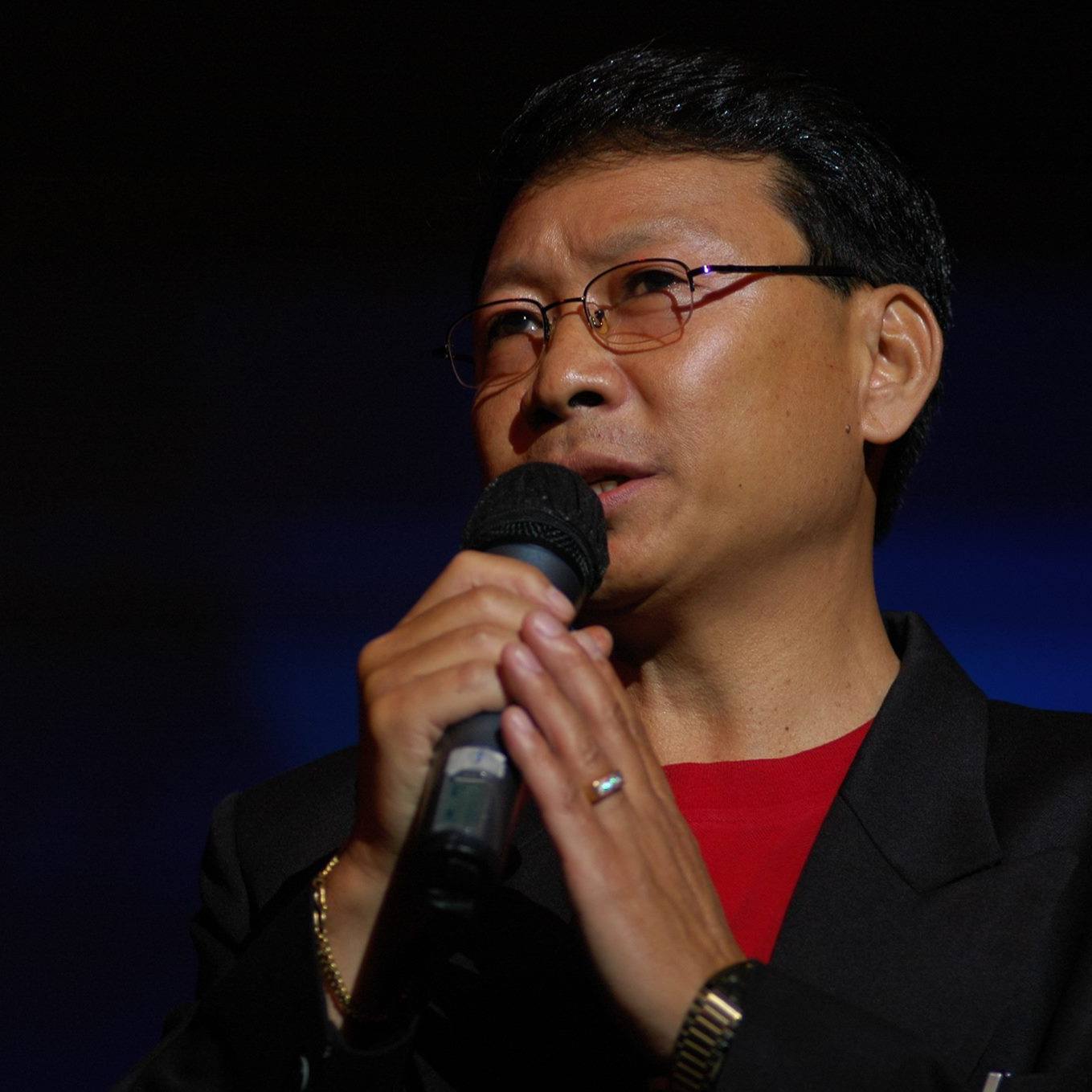
Shambhu Rai (शम्भु राई) is a legendary figure in Nepali music—a singer, songwriter, composer, and sarangi player whose work bridges traditional folk and modern styles. Born in Chungmang, Dhankuta, he rose to prominence in the 1980s and 1990s with his heartfelt lyrics and distinctive voice. Some of his most iconic songs include: “Chitthi Timilai Lekhu Bhanchu” “Yo Man Bhanchha Kaha Jau” “Chalechha Batas Sustari” “Aalu Dam Chana” He is also known for his mastery of the sarangi, a traditional Nepali string instrument, which adds a soulful texture to his compositions. Beyond performance, Shambhu Rai has contributed to the institutional development of Nepali music—he currently serves as the Vice Chancellor of the Nepal Academy of Music and Drama.
Shambhu Rai
Music Artists, Singer/ Performer
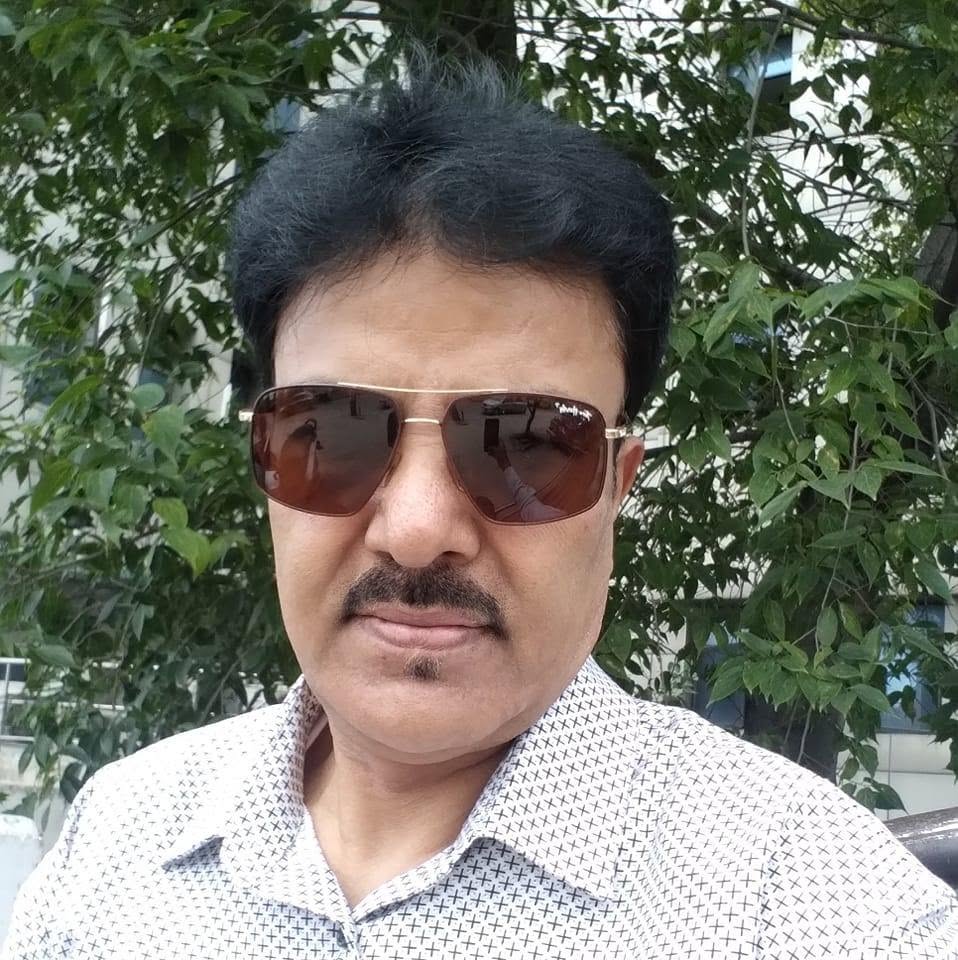
Pradeep Raj Pandey is a Nepali modern‑song vocalist known for his expressive singing style and recordings featured across Nepali audio labels and digital platforms. His notable songs include “Kina Aauchha Yaad,” “Kamjor Nasamjha,” and “Pathar Ko Mutu Banai,” which continue to circulate among Nepali listeners through radio, albums, and online music channels. His discography is also catalogued on AllMusic, reflecting his presence in the contemporary Nepali music scene. Although he maintains a low public profile, his recorded works have earned him recognition among modern Nepali music audiences.
Pradeep Raj Pandey
Singer/ Performer, Singers & Vocalists
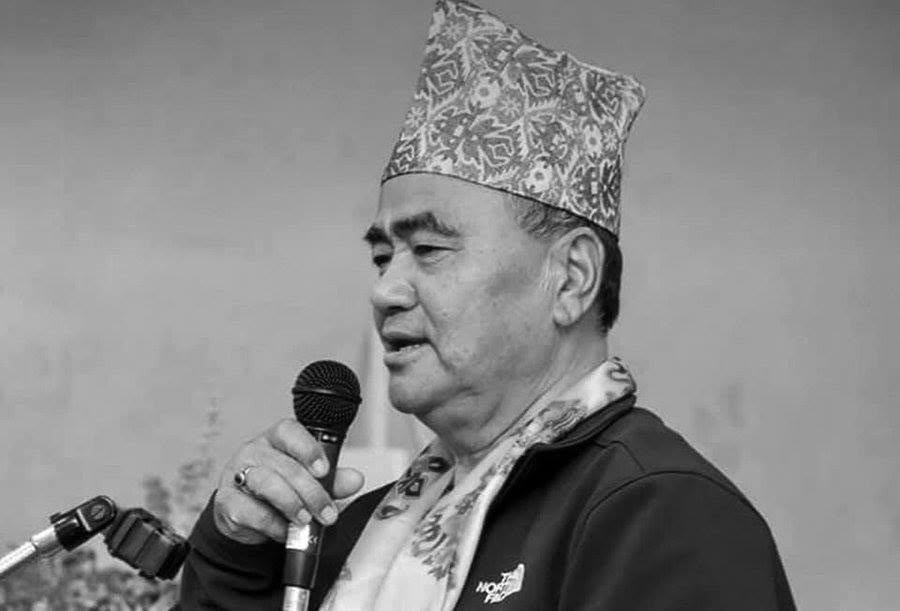
Madan Dipbim was a respected Nepali music composer, arranger, and singer, known for shaping the sound of modern Nepali music through his melodic, emotionally rich compositions. Born in Ilam, he built a long career creating songs that became staples of Nepali radio and cassette‑era music. He worked with Radio Nepal for several years, where many of his most popular works were recorded and broadcast nationwide.Across his career, Dipbim composed dozens of beloved songs, including “Surilo Rukh Sallai Ho,” “Timrai Yadma Kalpi Kalpi,” “Jhaskera Dukhchha Yo Mutu Mero,” and “Ke Bhul Bhayo Priya.” These songs remain widely recognized for their lyrical simplicity and heartfelt musical phrasing.In his later years, he lived in the United States with his daughter Mamata Dipbim, herself a singer, while continuing to remain connected to Nepali music and audiences abroad.Madan Dipbim passed away on April 22, 2019, in the United States due to a heart attack. His death was widely mourned as the loss of a gentle, influential, and melodically gifted figure in Nepali music.
Madan Dipbim
Music Director, Music Arranger
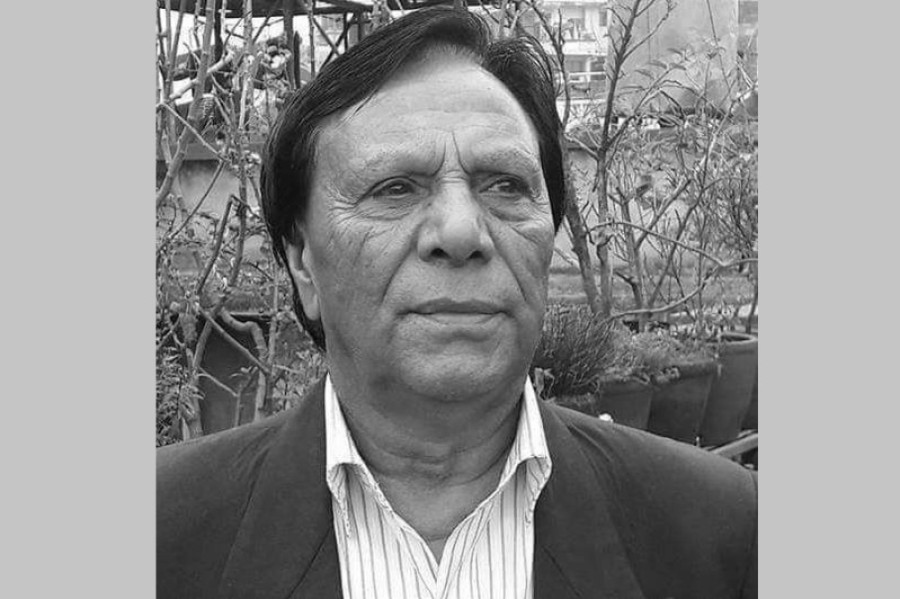
Bishwa Ballabh (born Ashoj 29, 2002 BS – died October 9, 2024) was a celebrated Nepali lyricist, poet, and Radio Nepal creator, known for writing more than 250 recorded songs that shaped modern Nepali music. Beginning his career as a teacher in Nuwakot, he later joined Radio Nepal, where he wrote and recorded iconic songs such as Bhagyale Khushi Khosera Lagyo, Shubhakamana, and Dherai Din Bho Timro Jhajhalko. He also hosted the popular program “Phulbari” and contributed to drama writing and direction. The younger brother of renowned writer Ishwar Ballabh, he remained an influential literary figure throughout his life. His passing at age 80 marked a significant loss to Nepali music and literature.
Bishwa Ballabh
Lyricist
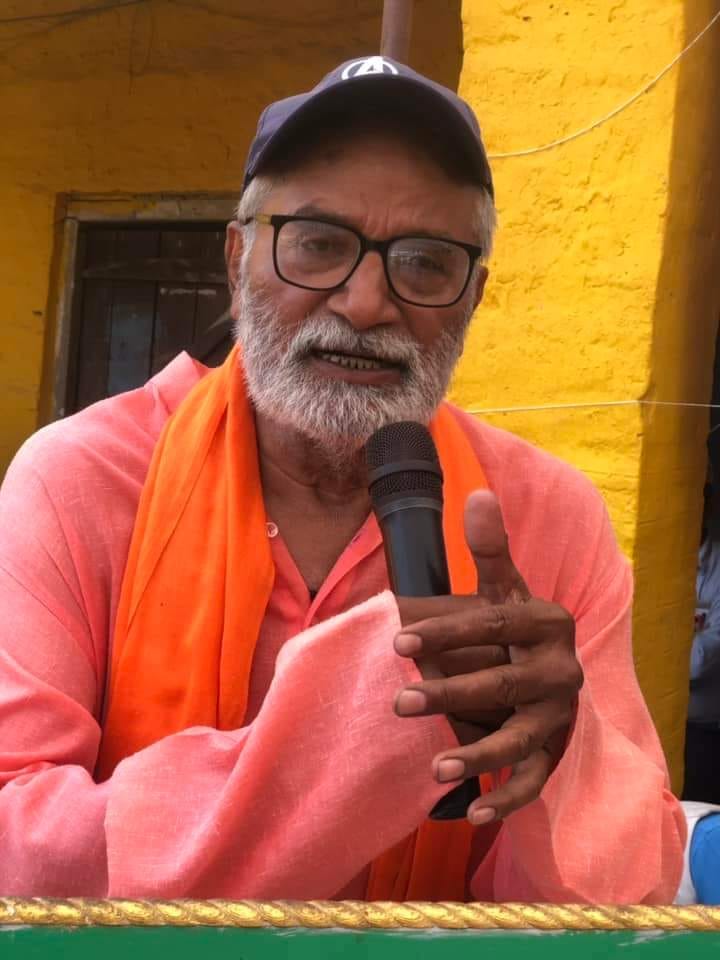
Tika Pahari is a respected veteran actor in Nepali cinema, known for his powerful supporting roles across several decades. He gained widespread recognition for his portrayal of Raj’s father in the beloved film Darpan Chhaya (2001), and has since appeared in numerous acclaimed films such as Jeevan Sangharsha (1995), Prithvi (1994), Manjari (2013), and Dui Rupaiyan (2017), where he played the role of a smuggling boss. His performances often bring emotional depth and gravitas, making him a familiar and admired figure in both classic and contemporary Nepali films. He is also the father of actor Gaurav Pahari, continuing a legacy of artistic contribution to Nepali cinema.
Tika Pahari
Actor, Character Artists, Film Maker/ Producer
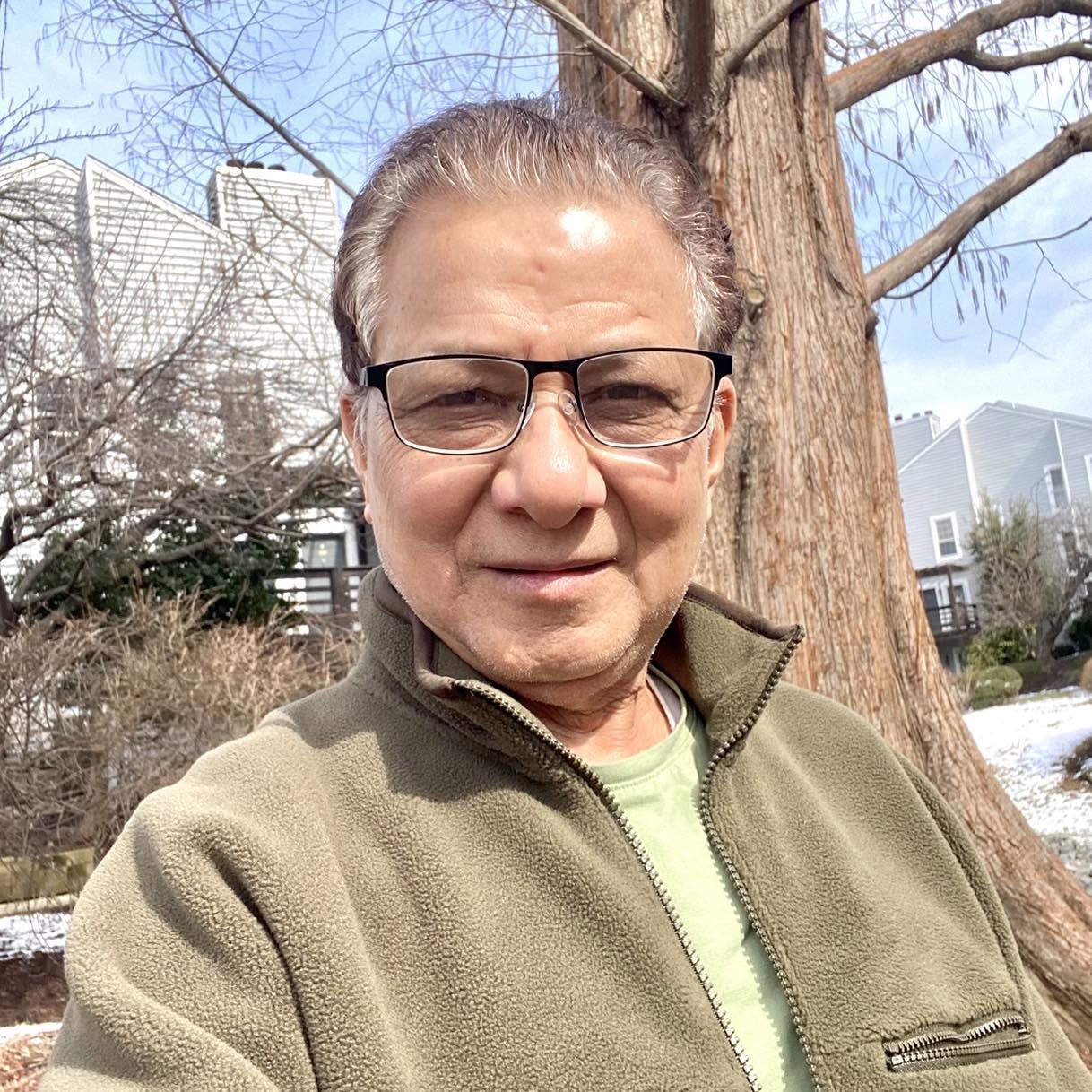
Madhu Chhetri is a legendary Nepali singer known for evergreen hits like Saili ra Maili Poila Gaechan, Phoolai Phoola Matra Pani, and Hurile Udauna Sakena, with a musical career spanning over four decades.
Madhu Chhetri
Folk Singer, Singer/ Performer

Gitanjali Sunwar is a Nepali film artist/actress active in the late 1980s and 1990s, known for her roles in three notable Nepali feature films.
Gitanjali Sunwar
Film Artists
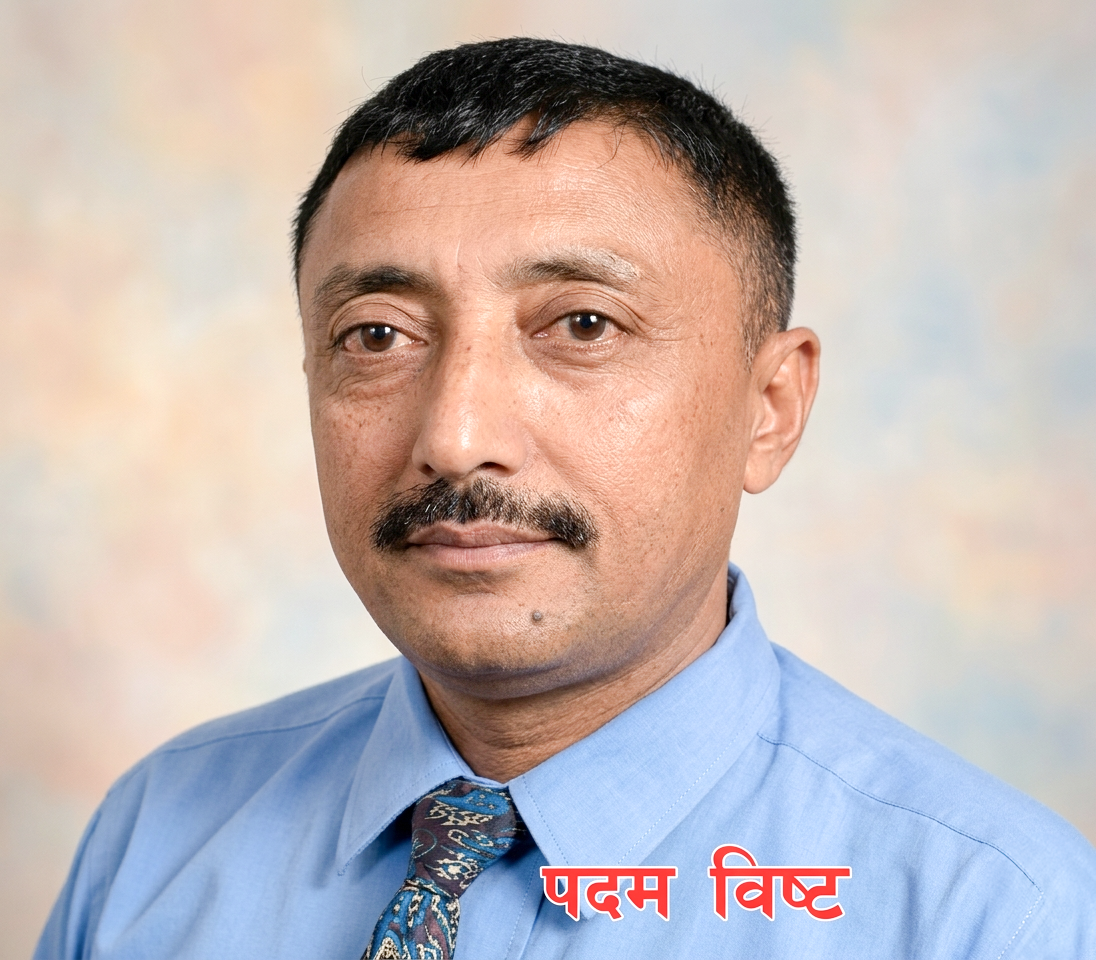
Padam Bista was a respected Nepali folk singer and a Nepal Police officer known for his dedication to preserving Nepal’s diverse musical heritage. A prominent figure of the cassette and Radio Nepal era, he traveled across regions, learning, collecting, and performing traditional melodies. He collected songs from Eastern Nepal to Western Nepal and helped preserve them in the treasury of Nepali folk music. His voice carried everything from eastern melodies to Tamang selo and western jhyaure songs. His powerful, earthy vocal tone and his ability to represent multiple regional styles made him a beloved figure among folk‑song listeners. Through stage performances, police cultural programs, and analog recordings, he brought rural stories and musical traditions to a national audience. Although digital records of his work are limited today, his songs continue to be remembered with respect and nostalgia by those who grew up listening to him.
Padam Bista
Folk Singer

Prem Lopchan is a respected Nepali folk and Tamang Selo singer, composer, dancer, and cultural artist from Bhuvagaun, Chautara Sangachokgadhi‑3, Sindhupalchok. Active for more than four decades, he is known for preserving and promoting Tamang musical heritage through soulful vocals, traditional rhythms, and dynamic stage performances. Born into a musically gifted family, he developed his craft from an early age and later gained national recognition through cultural programs during his service in Nepal Police. He continues to represent Tamang identity in Nepal and abroad, contributing significantly to folk music, dance direction, and cultural documentation.
Prem Lopchan
Folk Singer
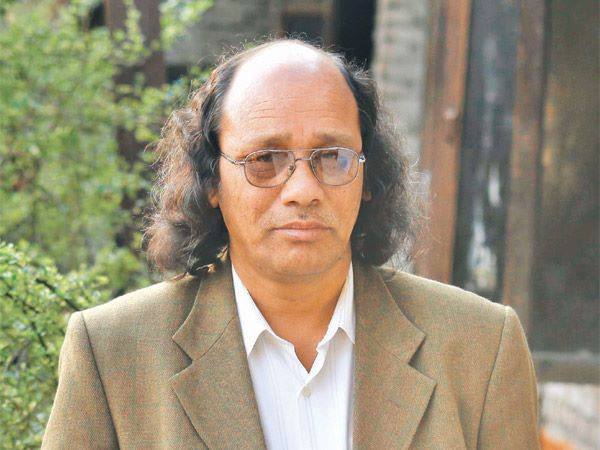
Saru Bhakta (born 1955), pen name of Bhakta Raj Shrestha, is a celebrated Nepali novelist, playwright, poet, and songwriter, honored with the Madan Puraskar for his landmark novel Pagal Basti, widely regarded as a classic of Nepali literature. A leading figure in post‑1970s Nepali writing, he introduced psychological depth, postmodern narrative techniques, and experimental dramatic forms. He has also contributed significantly to Nepal’s cultural institutions, serving in the Nepal Academy and as Chancellor of the Nepal Music and Drama Academy, while founding multiple literary and theatre organizations in Pokhara.
Saru Bhakta
Poet, Novelist, Playwright, Songwriter
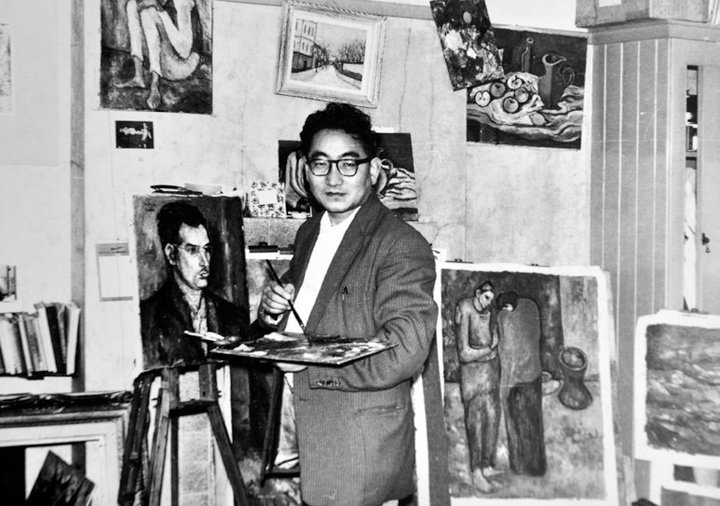
Lain Singh Bangdel (1919–2002) was Nepal’s pioneering modern painter, distinguished art historian, and acclaimed novelist, recognized as the Father of Modern Art in Nepal. His Paris‑influenced modernist style transformed Nepali painting, while his landmark research on stolen and early sculptures safeguarded national heritage. As Royal Nepal Academy Chancellor, he shaped Nepal’s artistic, academic, and cultural institutions.
Lain S. Bangdel
Professional Painter
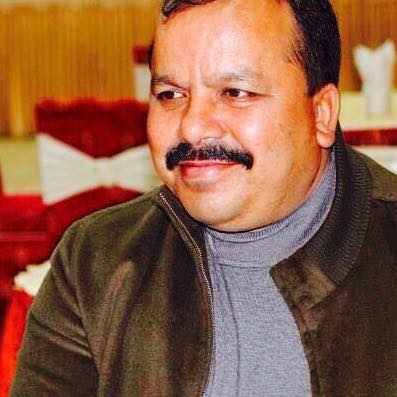
Umesh Pandey is a Nepali playback singer whose voice defined the popular film songs of the 2050s era, a time when audiences often went to cinema halls because of hit songs. Known for delivering melodies that instantly connected with listeners, Pandey rose to prominence with evergreen numbers such as “Rato Tika Nidharma Talkyo…”, which remain widely loved across generations.Pandey began his musical journey while studying at RR Campus in 2034 BS, where his close circle included singer Rabin Sharma and actor Bhuwan KC. Later, during his studies at Tri‑Chandra Campus, he became associated with noted musicians Shakti Ballav, lyricist Rajendra Paudel, and Prakash Shrestha. After passing the Radio Nepal test, he recorded his first song on 24 Poush 2036 BS, “Nai Bhanchhau Bhan…”, written by Vishwambhar Byakul and composed by Sambhujeet Baskota, at the age of 19.In 2039 BS, Pandey secured third place in the nationwide talent hunt “Pratibhāko Khoji,” organized by Ratna Recording Sansthan, earning him the opportunity to record professionally at a time when gramophone recording was considered a major achievement.His breakthrough came in the 2050s with Sambhujeet Baskota and director Ashok Sharma, who introduced him to film music through Nirmaya, where he sang “Meri Maya Saanchen Hai Ropi…” with Ramana Shrestha and Devika Pradhan. The massive success of “Rato Tika Nidharma Talkyo…” from Sharma’s film Allare established him as a leading playback voice. This success led to further hits, including “Goli Sisako…” (Gaunle), “Ma Bharma…” (Mr. Ramkrishna), and popular songs from films such as Aadhar, Naulothau Pari, Dharmaputra, Khatabah, Mitini, Jwalamukhi, and Saiyanji.Over his career, Umesh Pandey recorded songs for more than 25 films, with most becoming audience favorites. His expressive, melodic singing style made him one of the defining voices of Nepali cinema’s golden musical era.
Umesh Pandey
Singer/ Performer
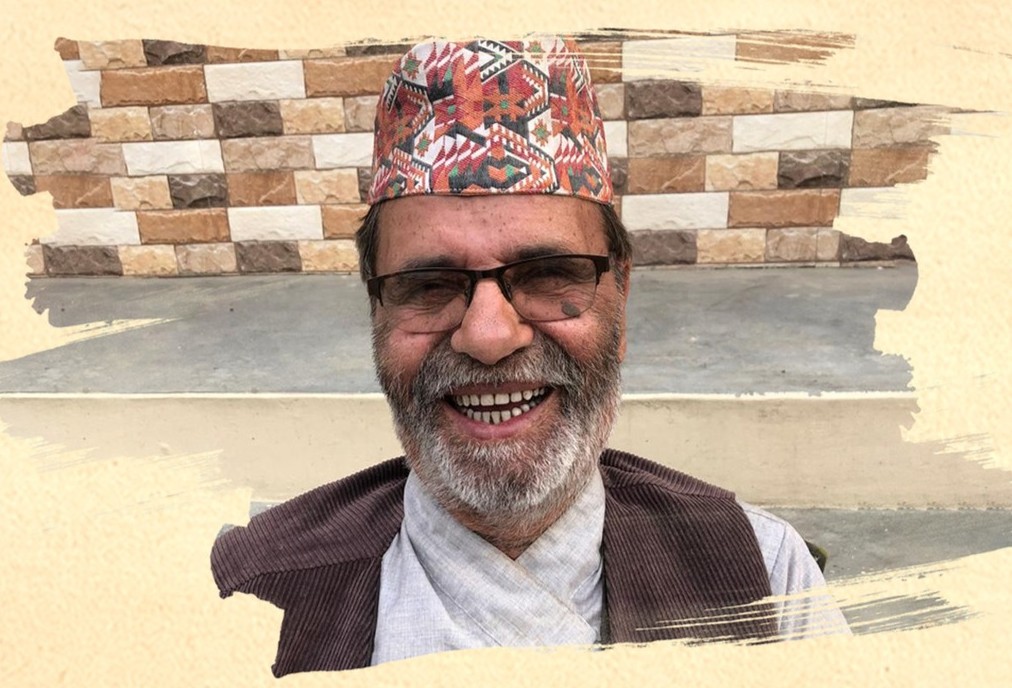
Lokmani Sapkota is a Nepali actor, director, and audio‑drama specialist whose career spans radio, theatre, television, and cinema. He began his artistic journey through Radio Nepal, where he directed and performed in numerous acclaimed radio dramas such as Aadambar and Ani Bajchha Sahanai, establishing himself as a prominent voice‑actor and drama director.Transitioning from radio to stage, Sapkota expanded his craft into theatre performance and direction, later moving into television series and eventually feature films. His screen credits include roles in Gaunthali (2001) and The Puppet (2021), reflecting his shift from audio‑based storytelling to on‑screen acting.With a career rooted in classical Nepali radio drama and strengthened by decades of multi‑platform performance, Sapkota remains recognized for his versatility across voice acting, stagecraft, and film.
Lokmani Sapkota
Theatre Artists, Film Artists
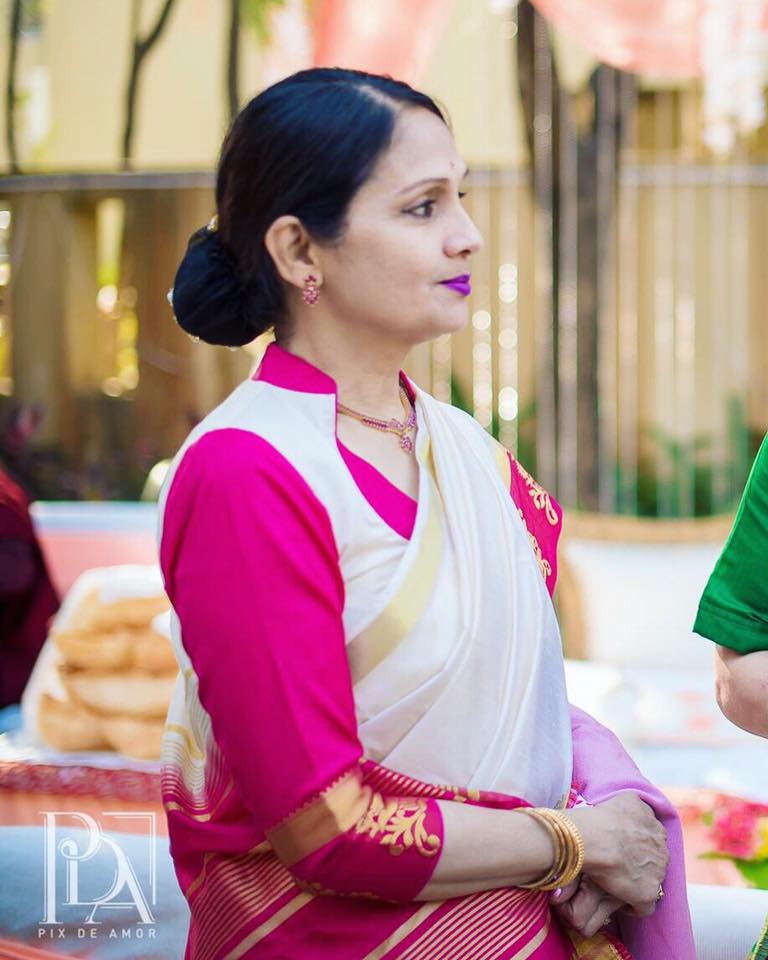
Nutan Pradhan is a versatile Nepali film writer, screenwriter, story writer, actress, lyricist, producer, and playback singer active since the late 1980s. She has contributed to some of Nepali cinema’s most memorable films, including Behuli, Sworga, Saraswati, Sorah Barshe Jowan, Nepal Pyaro Chha, and Rang Baijani. Known for her emotional storytelling and strong character-driven narratives, she has written dialogue, screenplay, and lyrics across multiple genres. Nutan also acted in Saraswati alongside Shiva Shrestha and Gauri Malla, and performed playback vocals in Sworga. Her multi‑disciplinary work has made her one of the most influential women creatives of her era.
Nutan Pradhan
Screenwriter/Script Writer, Film Maker/ Producer, Film Artists
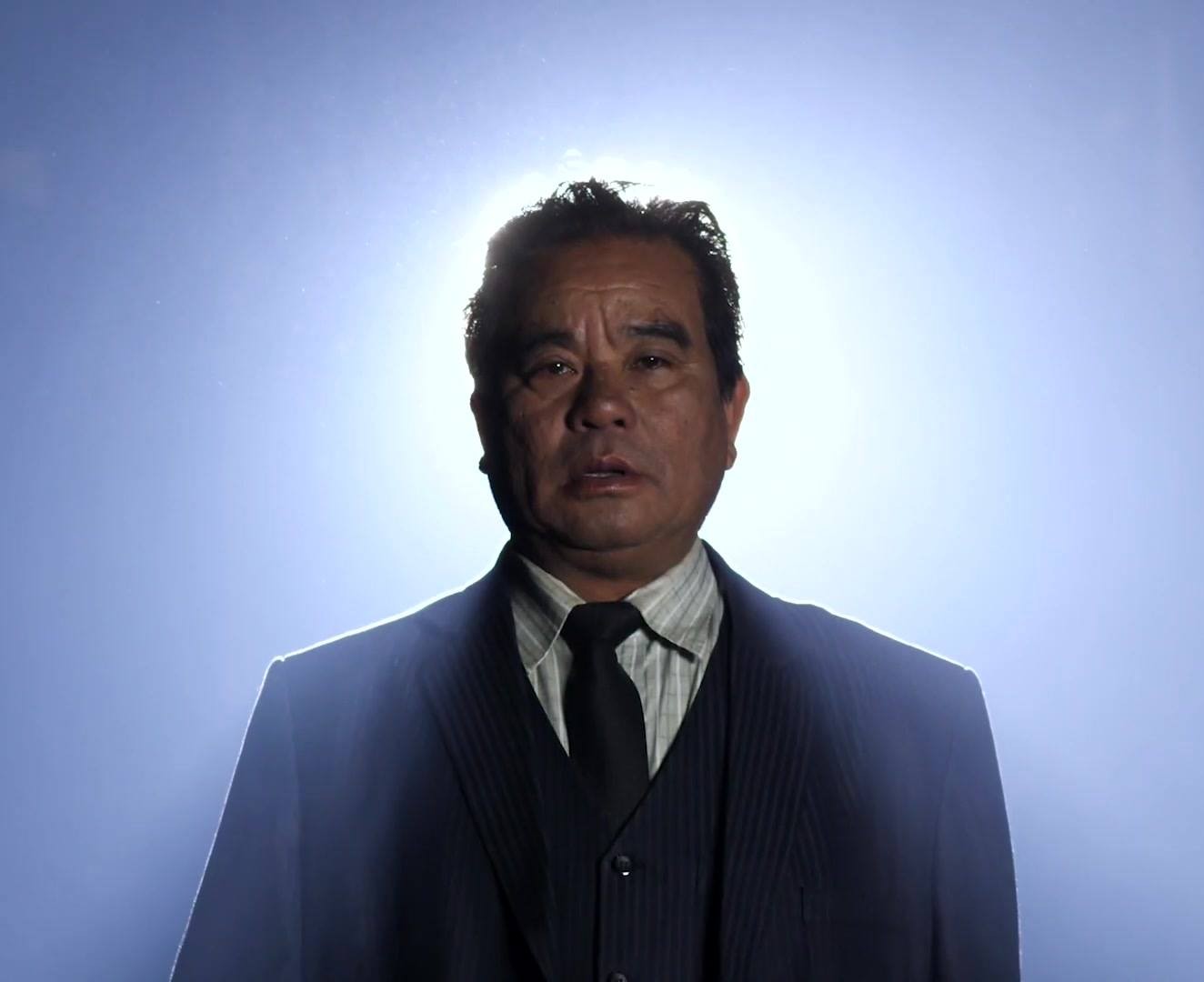
Jayananda Lama (1956–2020) was a respected Nepali singer, actor, and cultural contributor known for his powerful folk‑based vocal style and memorable performances in Nepali cinema. A graduate of Lalit Kala Campus and an advocate of Nepali folk heritage, he recorded numerous hit songs and appeared in several films, earning recognition for his natural acting and deep musical understanding. His work blended authenticity, humor, and cultural storytelling, making him one of the beloved figures in Nepali performing arts.
Jayananda Lama
Folk Singer, Film Artists
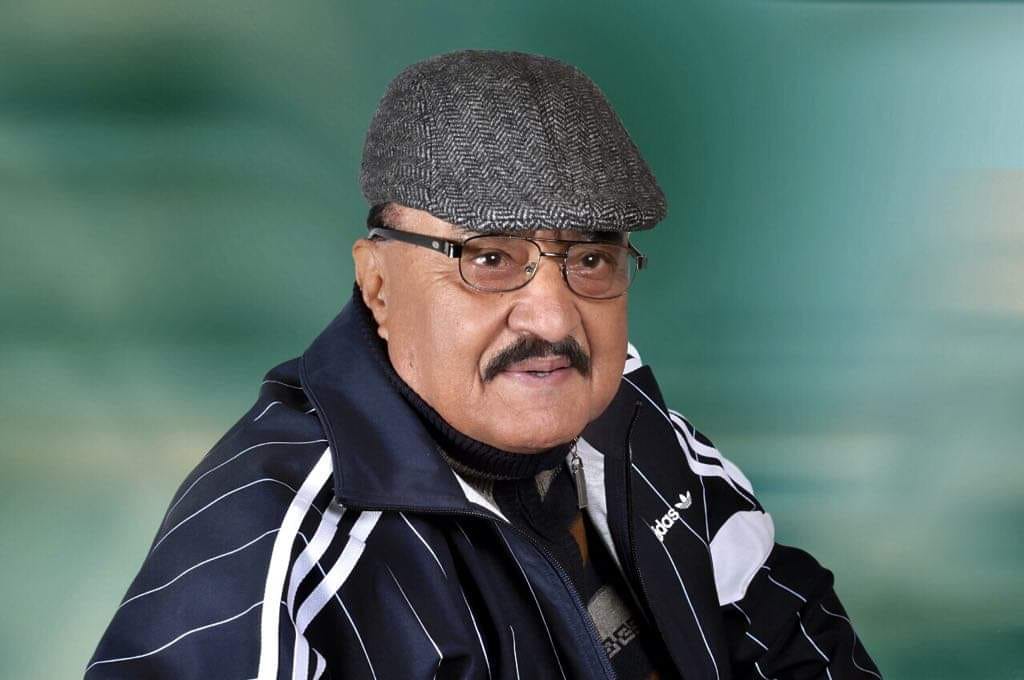
Mukunda Kishor Bhattarai is a veteran Nepali film artist known for his multi‑disciplinary contributions as an actor, writer, screenplay/dialogue creator, and story writer, active since 1989. His work spans some of the most influential films of the 1990s, especially Bhariya, Anartha, and Daju Bhai. As Actor Tilahari (1989) Kanyadan (1990) Pariwar (1991) Deuki (1993) Daju Bhai (1995) Anartha (1996) Bhariya (1996) Pachheuri (1997) Gham Chaya (1998) Timi Nai Baseu Mero Manma (2000) Ko Hola Mero Mayalu (2008) Mero Manko Sathi (2013) Timro Kasam (2013) Euta Mancheko Maya (2014)
Mukunda Kishor Bhattarai
Music Artists, Film Artists
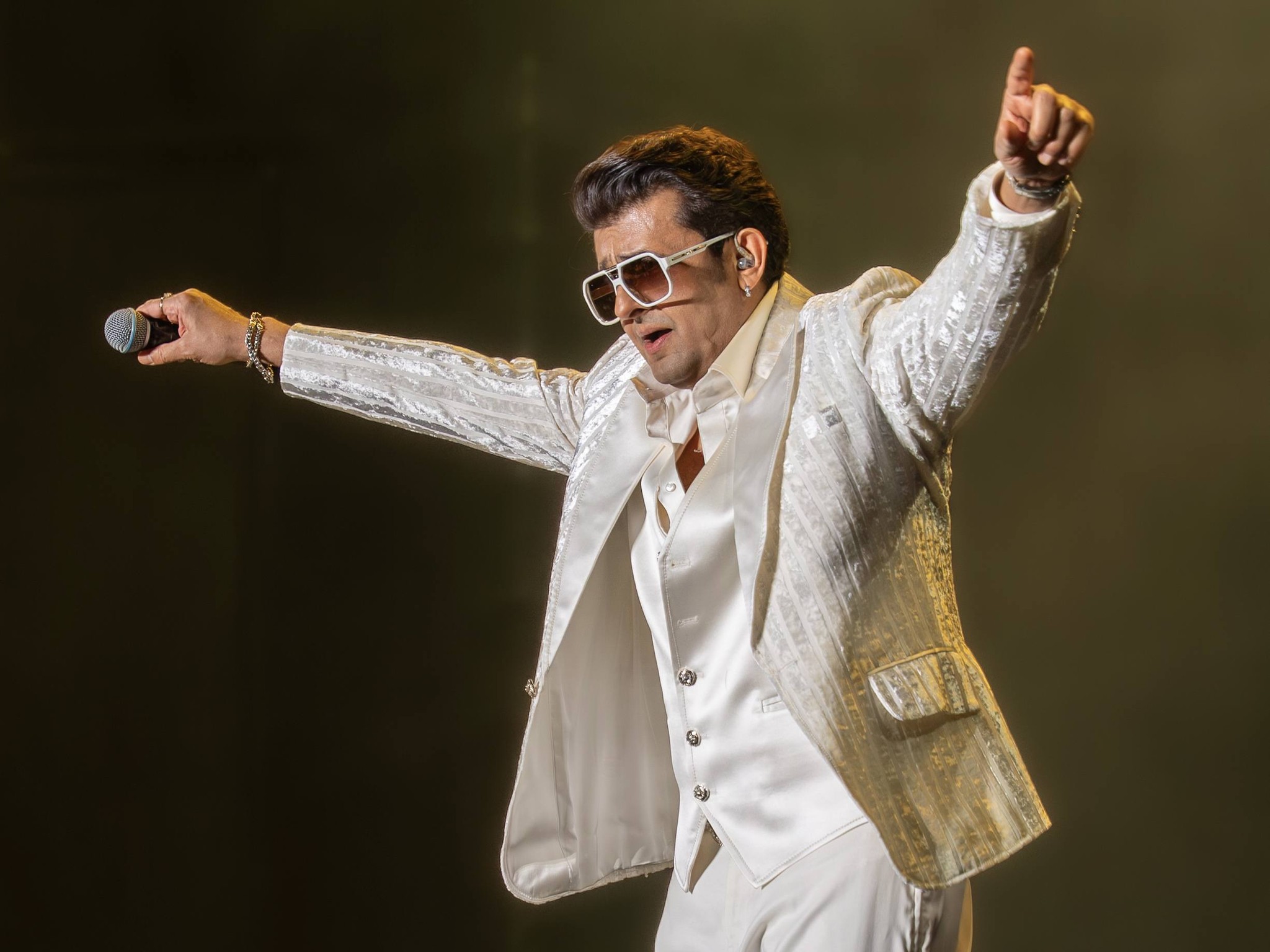
Sonu Nigam is an acclaimed Indian playback singer who has also contributed to Nepali cinema through a select number of modern and filmy songs. Known for his smooth vocal texture and emotional delivery, he became one of the few top‑tier Indian singers to record Nepali tracks during the 1990s and early 2000s, adding cross‑border appeal to Nepali film music. His Nepali songs, composed by leading Nepali music directors of the era, remain popular for their melodic richness and expressive vocal style.
Sonu Nigam
Playback Singer

Parvati Adhikari is a former Nepali film actress who was active in Nepali cinema during the late 1988s and 2000s. She is remembered for her appearances in several notable Nepali films of that era, including Bhumari, Pheri Bhetaula, Kasturi, Soltini, Garib, Dautari, and Bahadur.During her active years in the Nepali film industry, Parvati Adhikari worked alongside many popular actors and filmmakers of the time. Her performances in social and family-oriented films helped her gain recognition among audiences during the golden period of 1990s Nepali cinema. Although she was not frequently seen in mainstream media after the late 1990s, her contribution to Nepali films remains part of the industry's archival history.Apart from cinema, Parvati Adhikari has also been associated with the Nepali artistic community abroad. She has been linked with the Belgium-based organization “Euro Nepal Kalakar Sangh,” where she served in a leadership role supporting Nepali artists and cultural activities within the Nepali diaspora community.
Parvati Adhikari
Actress
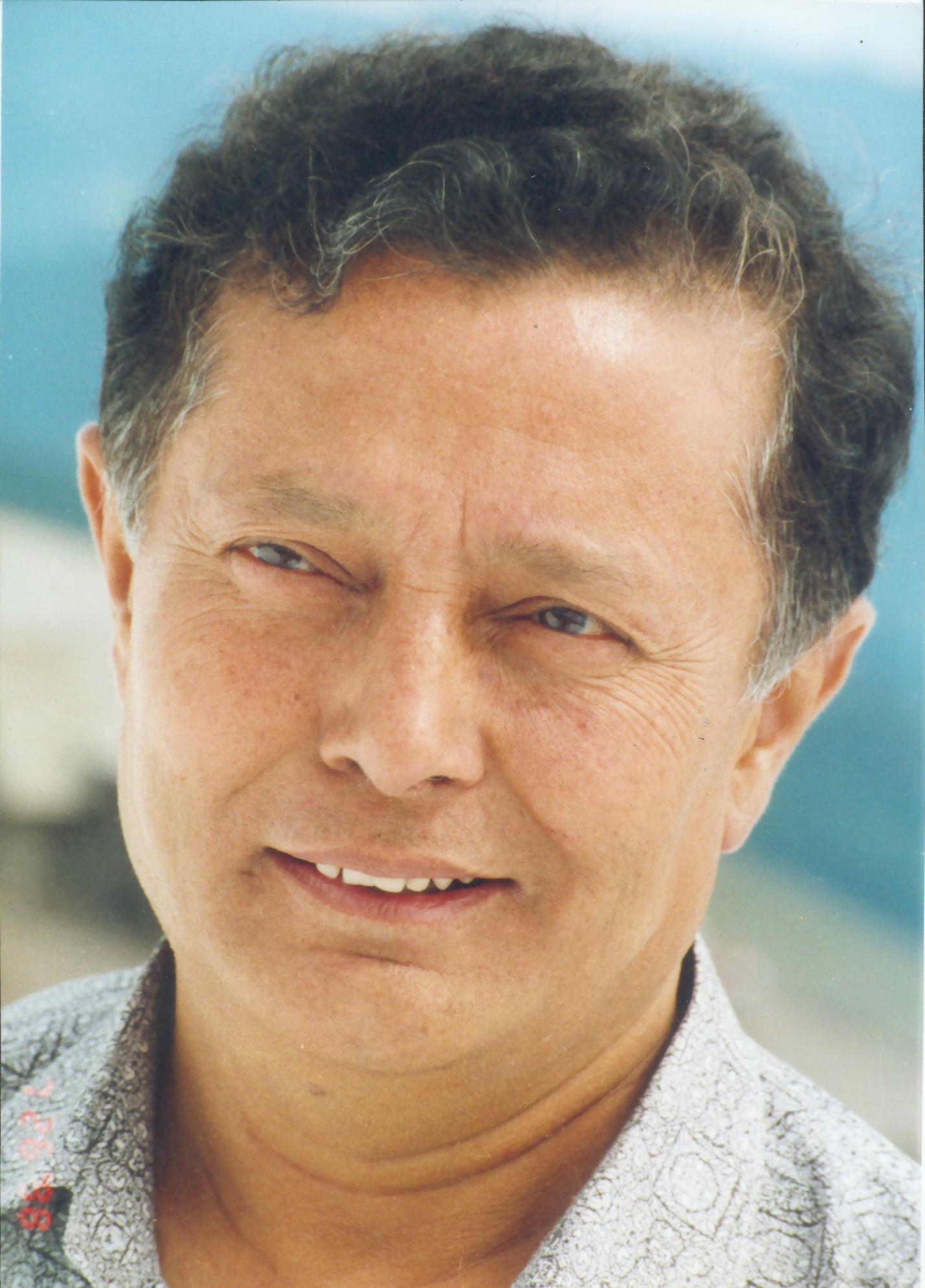
Prem Dhoj Pradhan is a Nepalese musician, born in 1938 in Chautara, a small town 28 miles east of Kathmandu. He is a singer, composer, and a regional playback singer. He sings in the two major languages of Nepal, Nepal Bhasa and Nepali. He is also known as the Golden Voice and King of Romantic Melodies of Nepal. Prem Dhoj is known for being the first to perform with a guitar in Nepal. He was also the first Nepali singer to sing with Indian playback singer Usha Mangeshkar for the movie Maitighar in 1965. In 1985, he sang duet songs with Asha Bhosle for the movie Mayalu in Bombay, India. Prem Dhoj has varied his musical style throughout his career and recorded approximately 700 songs on Radio Nepal, including live broadcasting and recorded songs.
Prem Dhoj Pradhan
Music Artists, Singer/ Performer
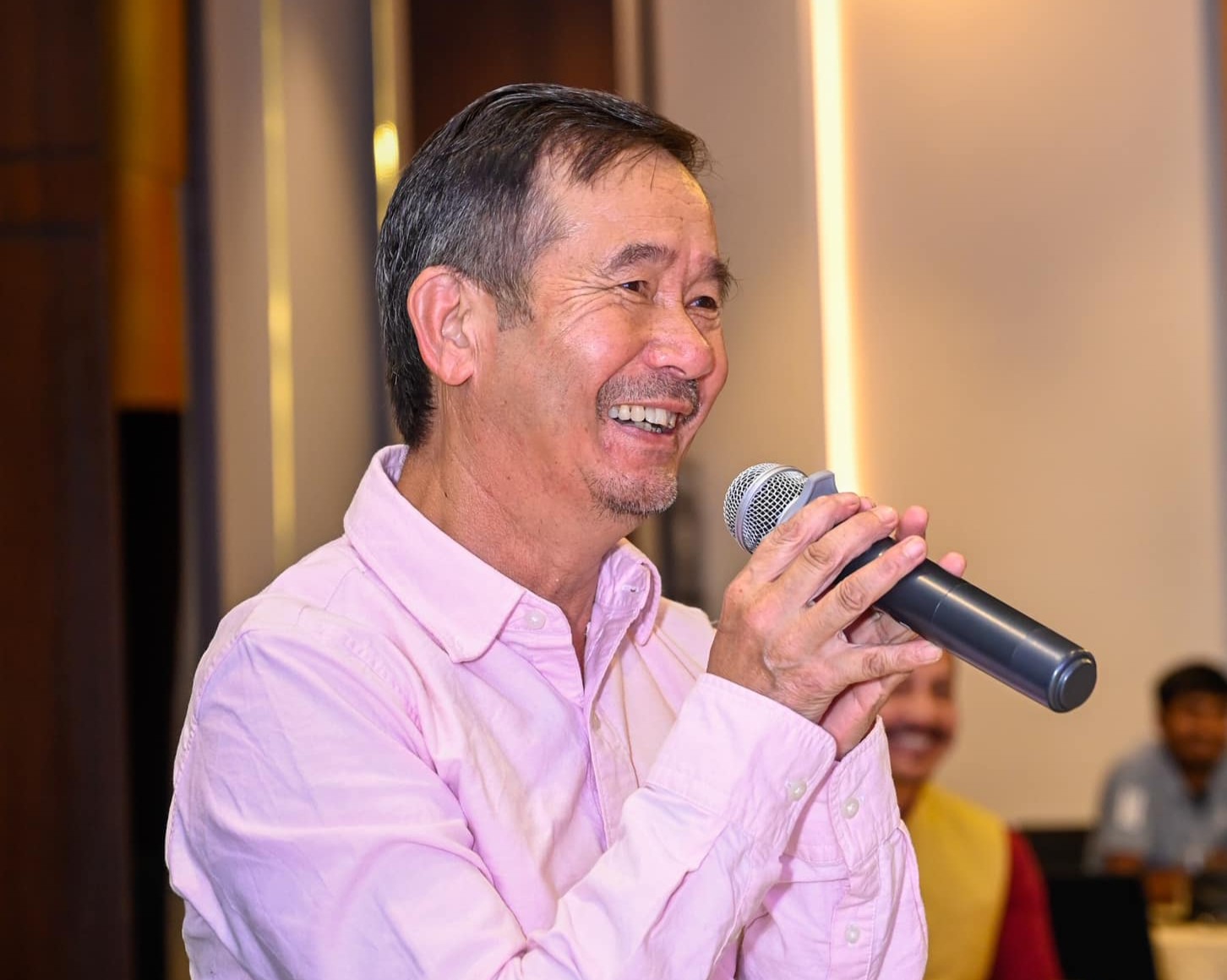
Shila Bahadur Moktan is a veteran Nepali music director, arranger, composer, and multi‑instrumentalist, celebrated for more than five decades of contribution to Nepali music. He is regarded as one of the most respected figures in modern and folk‑influenced Nepali music, known for his refined arrangements, melodic sensibility, and mastery of multiple instruments.Born and raised in Darjeeling, he received formal classical training under J.C. Rai, which shaped his foundation as a composer and instrumentalist. His first recorded song, “Aakha Kahile Najudos,” was broadcast on All India Radio, Kurseong, in the 1980s .Shila Bahadur Moktan has contributed to over 1,200 songs, working as a composer, arranger, and instrumentalist across genres ranging from folk to adhunik Nepali music. His notable early works include folk songs such as “Hoina Maile Dhakeko Badulki Lageko” and “Topi Hataile Bunera,” and the modern classic “Kahile Kahi Malai Pani Herideuna Pharkera,” a song that introduced both Kunti Moktan (vocals) and Shila Bahadur (music) to the Nepali music scene .He is married to legendary singer Kunti Moktan, and together they are considered pillars of Nepali music. Their daughters Subani Moktan and Shital Moktan are also successful musicians, continuing the family’s artistic legacy .After retiring from Music Nepal, Shila Bahadur initially planned to step back from active work, but his passion for music kept him fully engaged in composing, arranging, and performing. He continues to appear in concerts, including the Paleti Series, where he performs his own compositions and vocals .With nearly 50 years in music, he remains an influential figure whose arrangements, compositions, and instrumental work have shaped generations of Nepali music lovers.
Shila Bahadur Moktan
Music Director, Music Arranger, Musicians & Instrumentalists
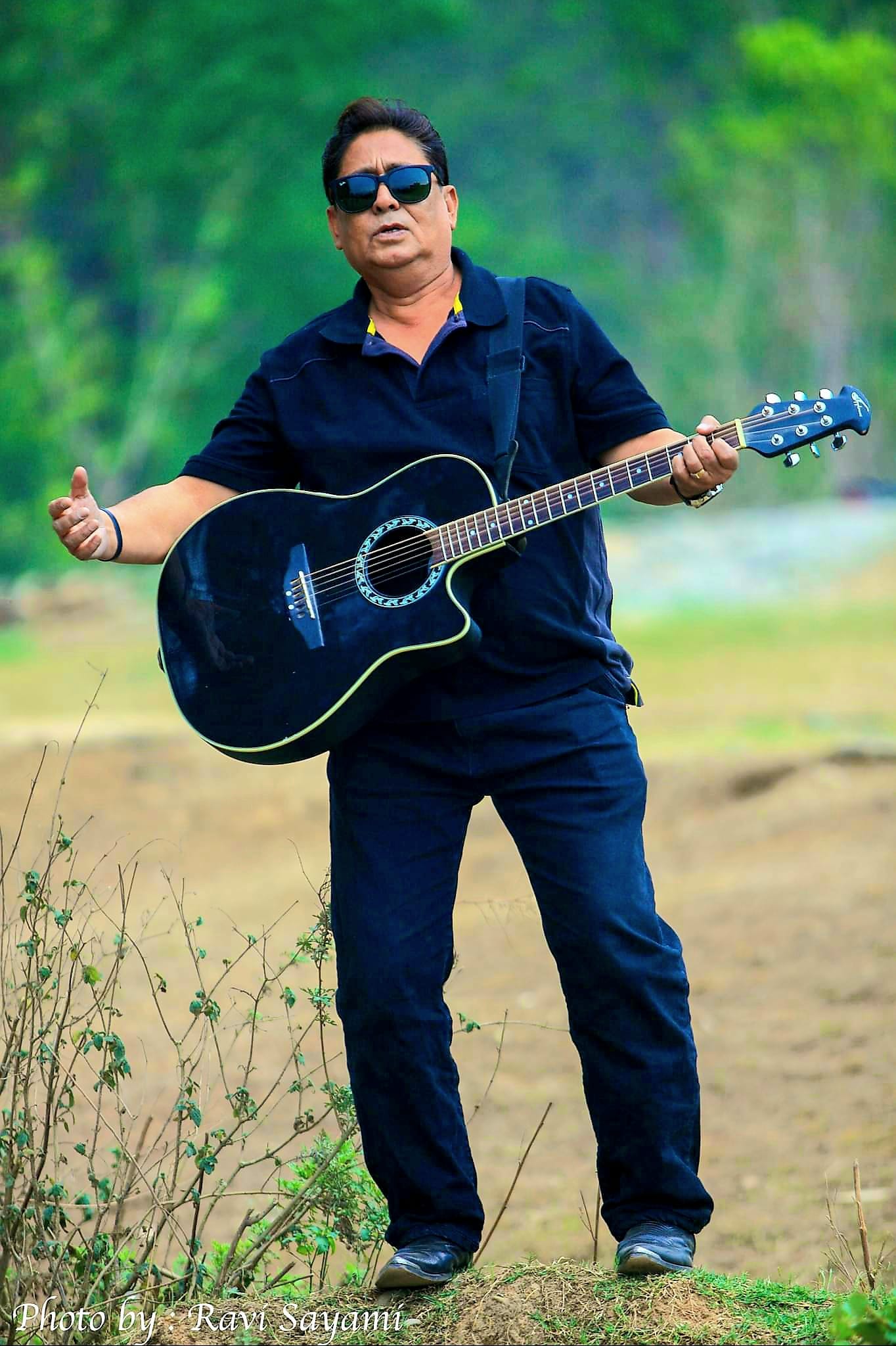
Om Bikram Bista (ॐ विक्रम विष्ट) is a pioneering Nepali musician, singer, and composer widely celebrated as Nepal’s “King of Pop.” Emerging in the 1970s and rising to national fame through his modern, youth‑oriented sound, he helped introduce Western‑influenced pop music to Nepal’s mainstream. His energetic vocals, melodic compositions, and charismatic stage presence made him one of the most influential figures in Nepali contemporary music. With a career spanning decades, Bista’s songs remain timeless, and his contribution continues to shape the identity and evolution of Nepali pop culture.
Om Bikram Bista
Pop Artist, Singer/ Performer
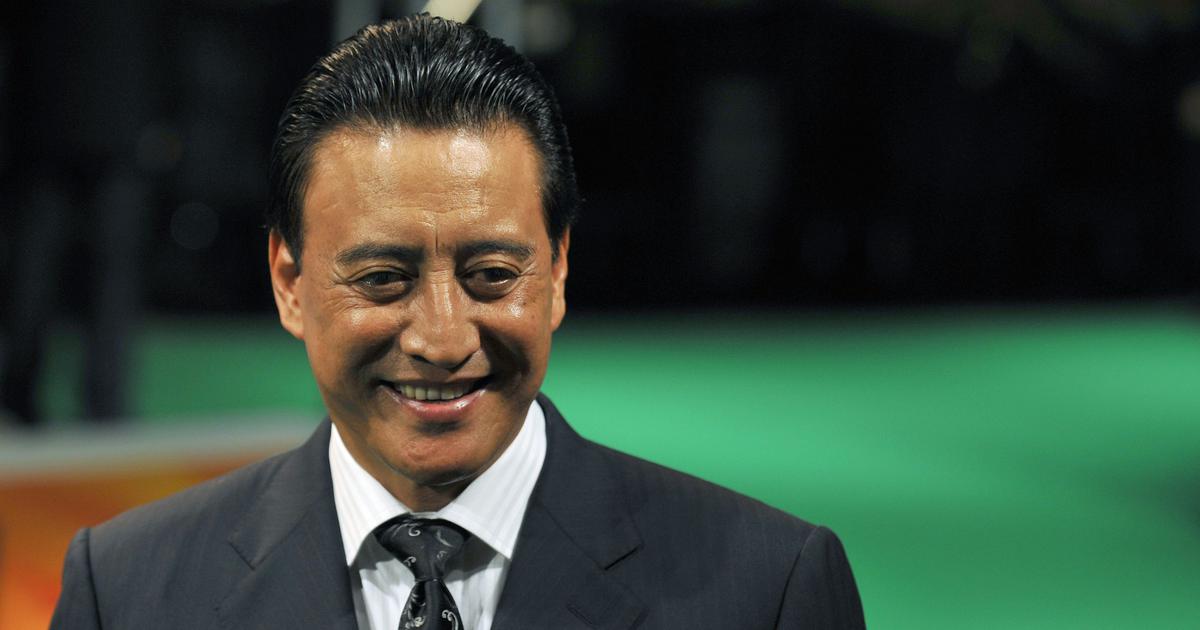
Danny Denzongpa is a legendary Nepali‑origin Indian actor, singer, and filmmaker whose career spans more than five decades, with over 190 films since his debut in 1971.. Born in Yuksom, Sikkim, he rose to prominence in Hindi films through memorable roles in Khuda Gawah, Agneepath, Ghatak, Hum, Andhi Gali, and many others, becoming one of the most respected character actors of his generation. As a singer, he recorded several Nepali hits, including the evergreen “Musu Musu Hasi Deu”,Rato Rani Phulejhai and “Chiso Chiso Hawama”, which remain beloved across Nepal. Danny also acted in the Nepali film Saino, a classic of Nepali cinema.
Danny Denzongpa
Actor, Singer/ Performer
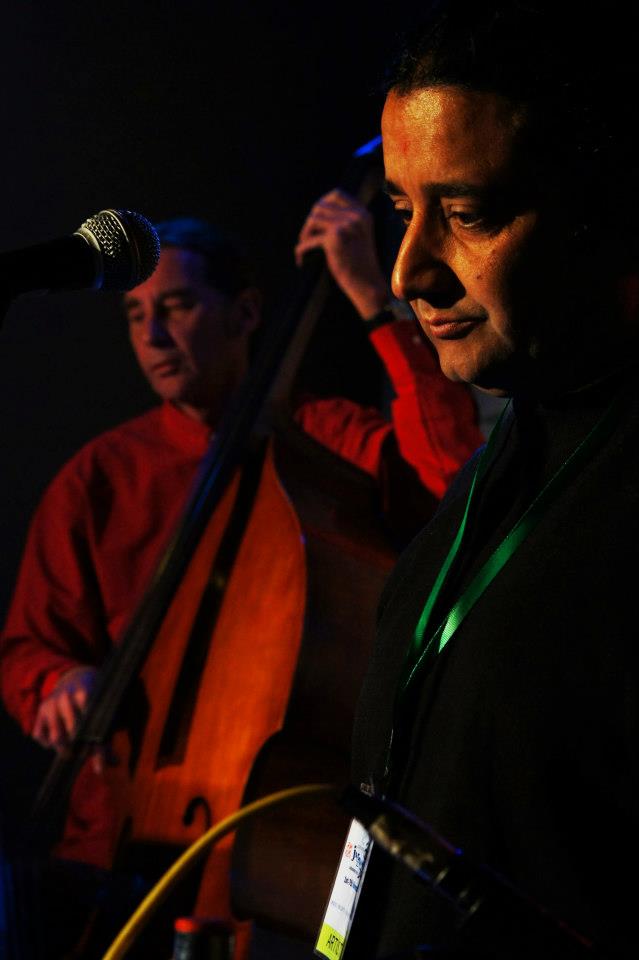
Prabhu Raj Dhakal is a renowned Nepali classical vocalist, composer, and music educator, currently serving as a vocal teacher at the Music Department of Kathmandu University and Nepal Music School. Born on 29th Shrawan 2025 B.S., he is the son of the legendary Sangeet Pravin Pragya Pandit Nara Raj Dhakal and Jyoti Dhakal. Growing up in Dhobichaur, Chhetrapati, he was surrounded by music from an early age, with many prominent radio singers frequenting his home to learn from his father. Inspired by this rich musical environment, Dhakal developed a deep-rooted passion for classical music. Though initially advised by his father not to pursue music professionally, his dedication and progress eventually earned his father’s support. He began teaching classical vocals over two decades ago, first as a substitute for his father and then full-time as student numbers grew. Over the years, he has contributed significantly to the classical music scene in Nepal. His notable albums include ‘Moment’, a collaboration with fellow musicians, and ‘Sohani’, featuring his compositions performed by his students. He is also a founding member of the classical ensemble Dafa, alongside Suresh Bajracharya and Rabin Shrestha. The group not only performs but also organizes annual events to honor veteran artists who have contributed to Nepali music.
Prabhu Raj Dhakal
Music Artists, Music Instructor, Singer/ Performer
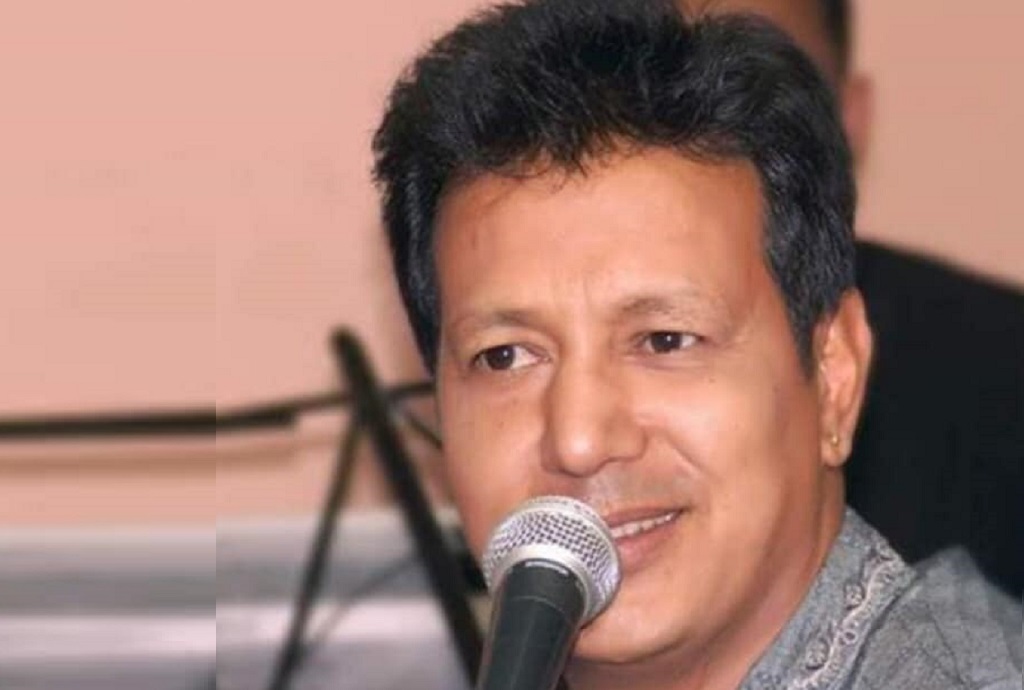
Nishan Bhattarai was a senior Nepali ghazal singer who emerged in the late 2040s BS, known for his soulful voice, emotional depth, and long dedication to stage and restaurant ghazal performances. He was the younger brother of renowned singer Lochan Bhattarai, and was respected for his gentle personality and commitment to the art of ghazal singing.He spent part of his career working at Radio Nepal, where he recorded several memorable songs. Among his notable works are “Yo mutubhitra timro tasbir…” composed by Milan Moktan, and “Kamanale bharieko…” written by Dirgha Singh Bam. Another well‑known song, “Maya gar maya gar…”, featured female vocals by Sukmit Gurung.Through decades of performances and recordings, he contributed significantly to the growth and preservation of Nepali ghazal music, earning admiration from audiences and fellow musicians alike.Nishan Bhattarai passed away in a road accident at Tinkune, Kathmandu, on Monday night, 28 Poush 2076 (13 January 2020 AD).
Nishan Bhattarai
Playback Singer
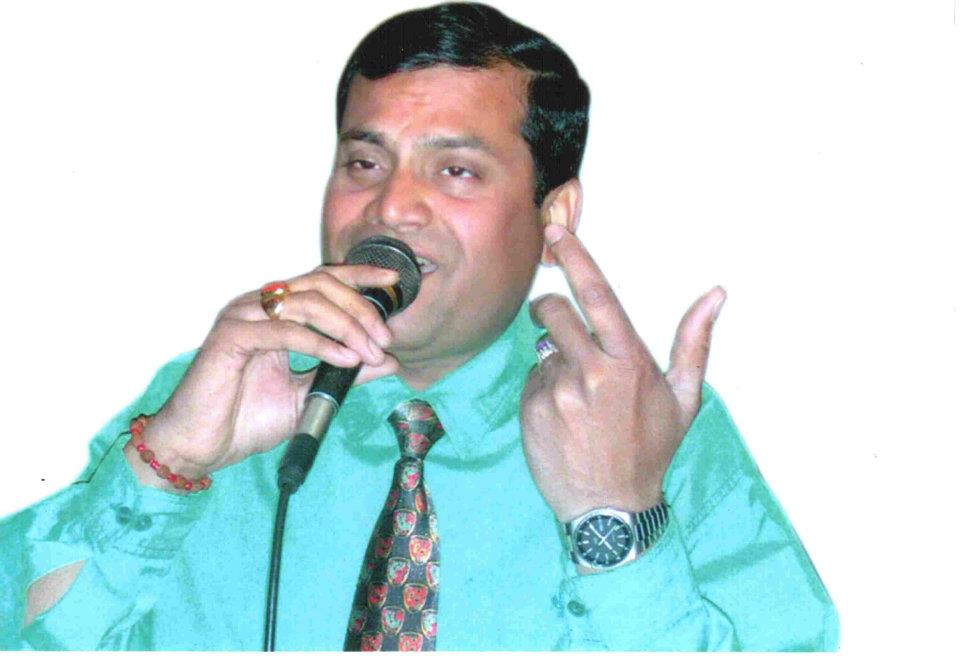
Rama Mandal is a veteran Nepali singer active since 2038 BS (1981 AD), known for his powerful folk and modern vocal style and for contributing more than 700 songs across Nepali, Maithili, Bhojpuri, Hindi, Tharu, and Awadhi languages.His formal musical journey began in 2038 BS (1981 AD) when he won the Koshi Anchal Modern Singing Competition. In 2039 BS (1982 AD), he secured second place in the Nationwide Lokgeet Competition at Birendra Sabhagriha, Biratnagar, receiving a Rs. 700 cash prize from Queen Aishwarya, which further motivated him.He later joined Tyros, the musical group led by Bhupendra Rayamajhi, becoming active in various musical programs. Around 2041 BS (1984 AD), he passed the Radio Nepal voice test with the song “Chahana ra ichchhāharu sabai phool jastai oiligae”. After completing Sangeet Prabhakar from Allahabad Music School, he joined Radio Nepal in 2045 BS (1988 AD).His playback journey began with the film Manakamana, singing “Jai Jai Aama Manakamana” and “Bujhdai nabujhne yo manlai bujhauna sakinina maile”. His fame rose sharply after “Kaha chhau kaha” from Gopikrishna (2048 BS / 1991 AD).Across his career, he has recorded 700+ songs, including 150+ film songs, with popular hits such as Yo ketiko thik chaina chala, Nyurod ma euti keti palis launa aaki, Jodi milne bho panchebaja thokne bho, Swargbhanda sundar chha hamro sano ghar.His multi‑language mastery and decades of contribution make him one of the most respected and prolific singers in Nepali music.
Rama Mandal
Playback Singer
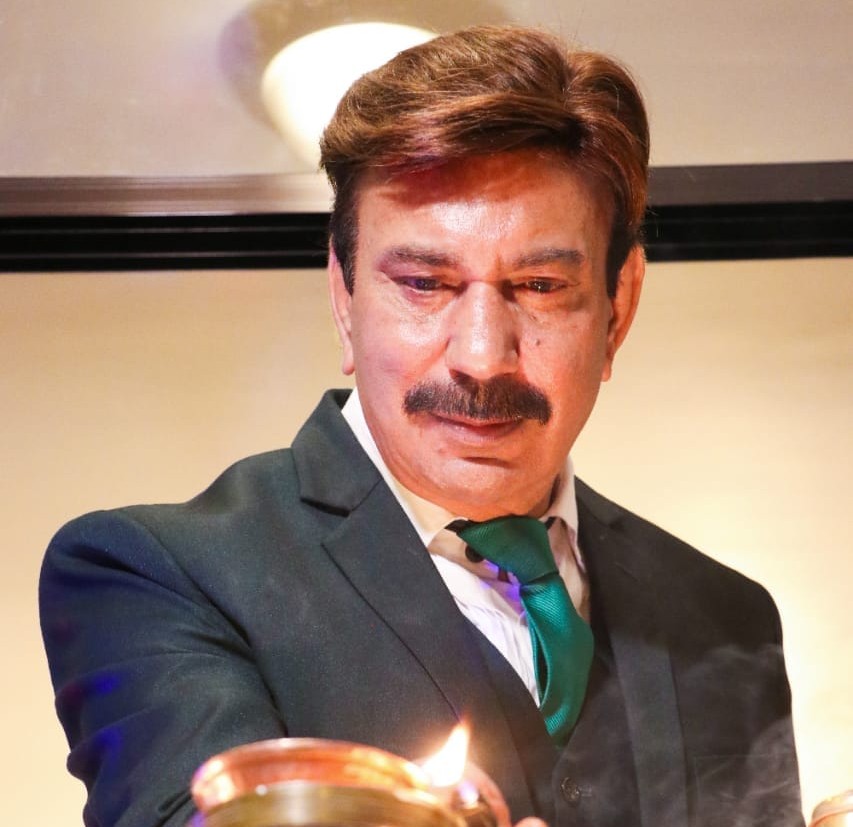
Bhuwan KC (born 23 August 1957) is a leading figure in Nepali cinema whose career spans singing, acting, film production, and direction. He began his artistic journey as a singer in the late 1970s, recording modern Nepali songs before transitioning to acting. His breakthrough as an actor came with the blockbuster film Samjhana (1983), establishing him as one of the most popular romantic heroes of the 1980s and 1990s.In the early 1990s, KC expanded into film production, producing several commercially successful films that strengthened his position in the industry. He later moved into direction, making his directorial debut with Dreams (2016), starring his son Anmol KC.Across four decades, Bhuwan KC has remained a central figure in Nepali cinema, contributing to its evolution through performance, production, and direction.
Bhuwan KC
Actor, Film Director, Film Maker/ Producer

Ugen Chhopel (also credited as Ugyen Chopel) is a Nepali film director and screenwriter best known for shaping the emotional, character‑driven style of late‑1980s and 1990s Nepali cinema. He made a landmark debut with the classic Saino (1988), a film that became a cultural milestone and later inspired the Hindi TV series Ajnabi. Chhopel continued his directorial journey with Bandhu (1992), Trishna (1991), Nepali Babu (1999), and the acclaimed fantasy‑drama Badal Paree (2001). His work spans Nepali and Indian productions, marked by emotional depth, strong performances, and cross‑cultural storytelling. Chhopel is also the nephew of actor Danny Denzongpa, linking him to a prominent artistic lineage.
Ugen Chhopel
Film Director
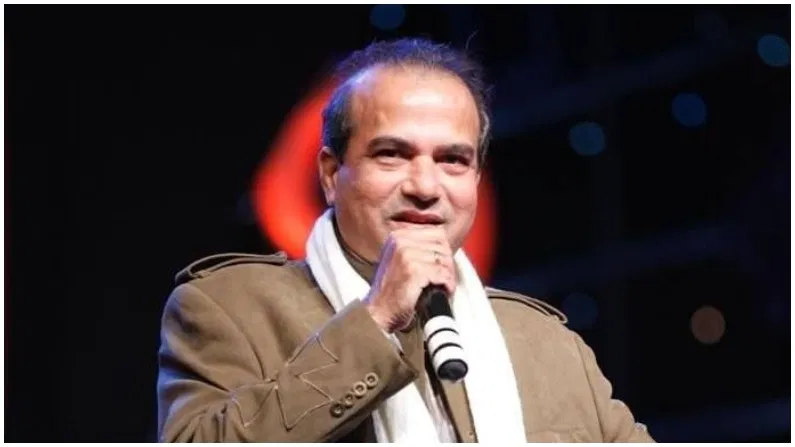
Suresh Wadkar has sung several Nepali playback songs, especially during the 1988s–1998s, and remains one of the few major Indian playback singers with a recognized presence in Nepali cinema. His Nepali songs are not widely documented in mainstream Indian sources, but his contribution is acknowledged in Nepali music circles.
Suresh Wadkar
Playback Singer
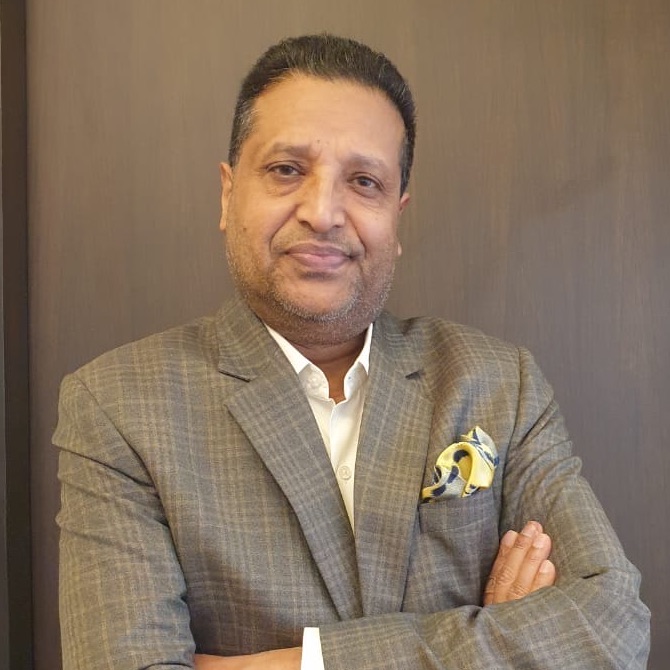
Basant Chaudhary is a celebrated Nepali poet, lyricist, writer, and cultural patron whose work spans poetry, songs, essays, and social commentary. His literary journey began with the poem Tusharolai Piundai (1983), written under the pseudonym Simool, and later expanded into acclaimed collections such as Rashtriyata Nadukhos (2006), Samvad (2008), and the poetry compilation Megha (2011). A prolific lyricist, he has penned widely loved songs including the patriotic Shanti Lukau Kahan, along with numerous musical collaborations across Nepal and India. Known for blending emotional depth with contemporary themes, Chaudhary is also active in promoting art, literature, and heritage conservation, making him one of Nepal’s most influential modern literary voices.
Basant Chaudhary
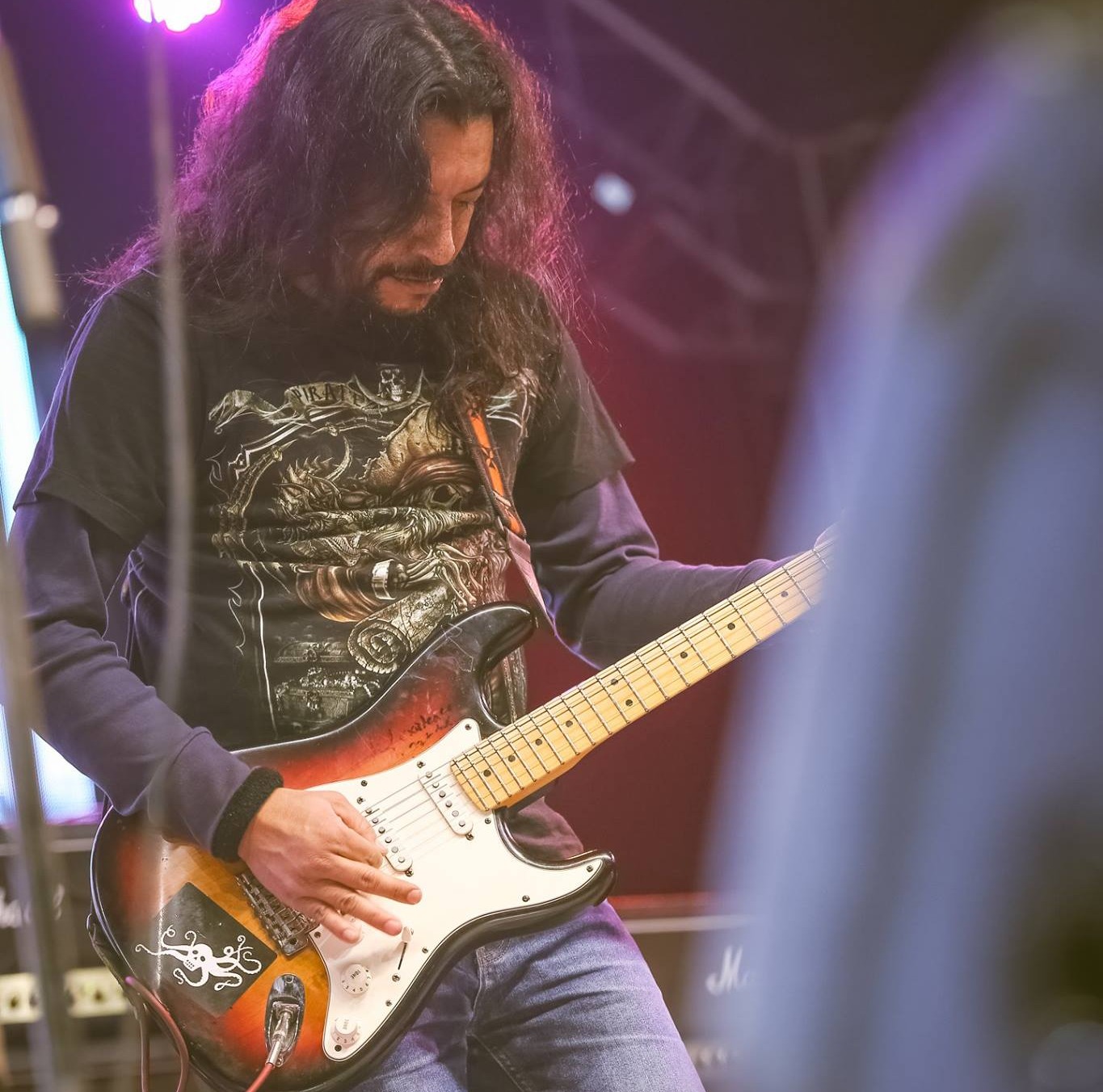
Sarad Shrestha is one of Nepal’s most influential guitarists and genre‑shifting musicians, active for over three decades in the Nepali music scene. Beginning his journey after SLC, he formed his first band Black Band and later became widely known as the guitarist of The Axe Band, contributing 12 years and four albums. A versatile performer, he has worked across rock, stoner metal, ska‑punk, rap‑rock, and grunge, performing with bands such as Black Wizard, The Sound Mill, Kathmandu Mayhem, Intellectual Morons, Tumbleweed Inc., Project One, and Shree 3, where he also sings. Respected for his emotional playing and fearless experimentation, Shrestha remains a defining figure in modern Nepali rock.
Sarad Shrestha
Guitarist, Singer/ Performer
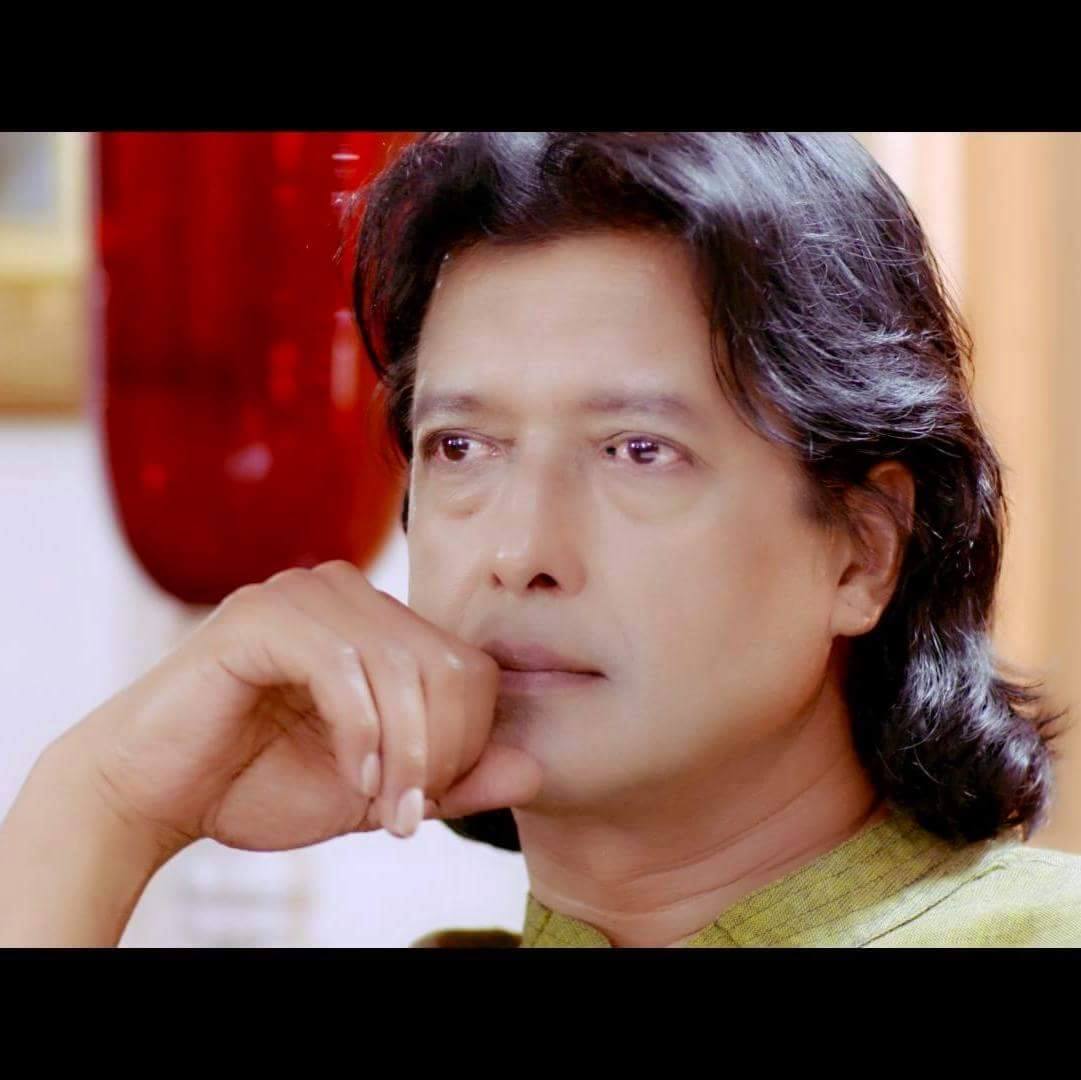
Rajesh Hamal is a legendary Nepali actor and television presenter whose career has shaped the identity of modern Nepali cinema. Born on June 9, 1964 in Tansen, Palpa, he is celebrated as one of the most influential performers in the history of Nepali films. He began his acting journey in the early 1990s, rising to national stardom with films like Deuta (1992), which earned him his first National Film Award for Best Actor. Known for his commanding screen presence, versatility, and charismatic persona, Hamal has acted in 250+ films, spanning romance, action, drama, and social narratives. A scholar with a Master’s degree in English Literature, he is also recognized for his humanitarian work and public influence.
Rajesh Hamal
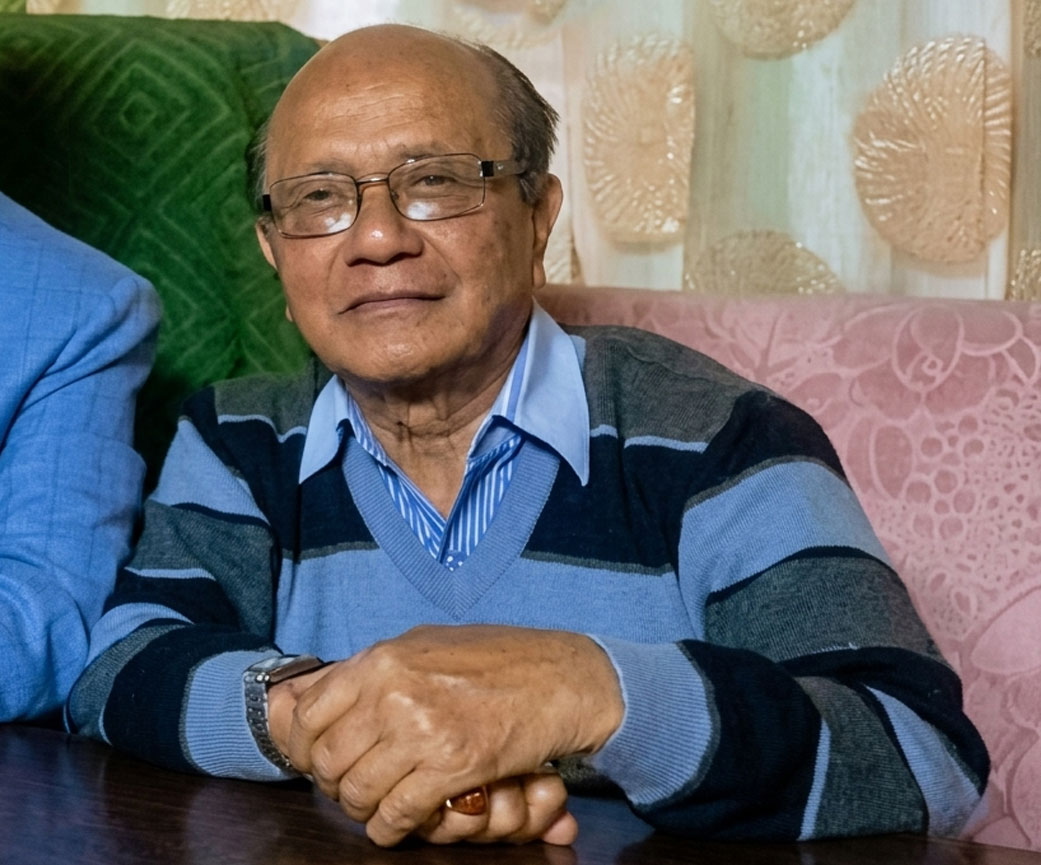
Tirtha Lal Shrestha is recognized as the first film editor of Nepali cinema, establishing his legacy with the landmark film ‘Man Ko Bandh,’ released on Falgun 7, 2030 BS, marking the beginning of credited film editing in Nepal. Working in the era of manual flatbed editing, he shaped the narrative rhythm, emotional tone, and cinematic structure of early Nepali films, earning the industry’s respect as the “second director” for his decisive role in transforming raw footage into cohesive storytelling. Shrestha edited notable films including Man Ko Bandh, Kumari, Ke Ghar Ke Dera, and dozens of other productions, contributing significantly to the foundation of Nepal’s post‑production craft and influencing generations of editors who followed.
Tirtha Lal Shrestha
Video-film Editor, Colorist
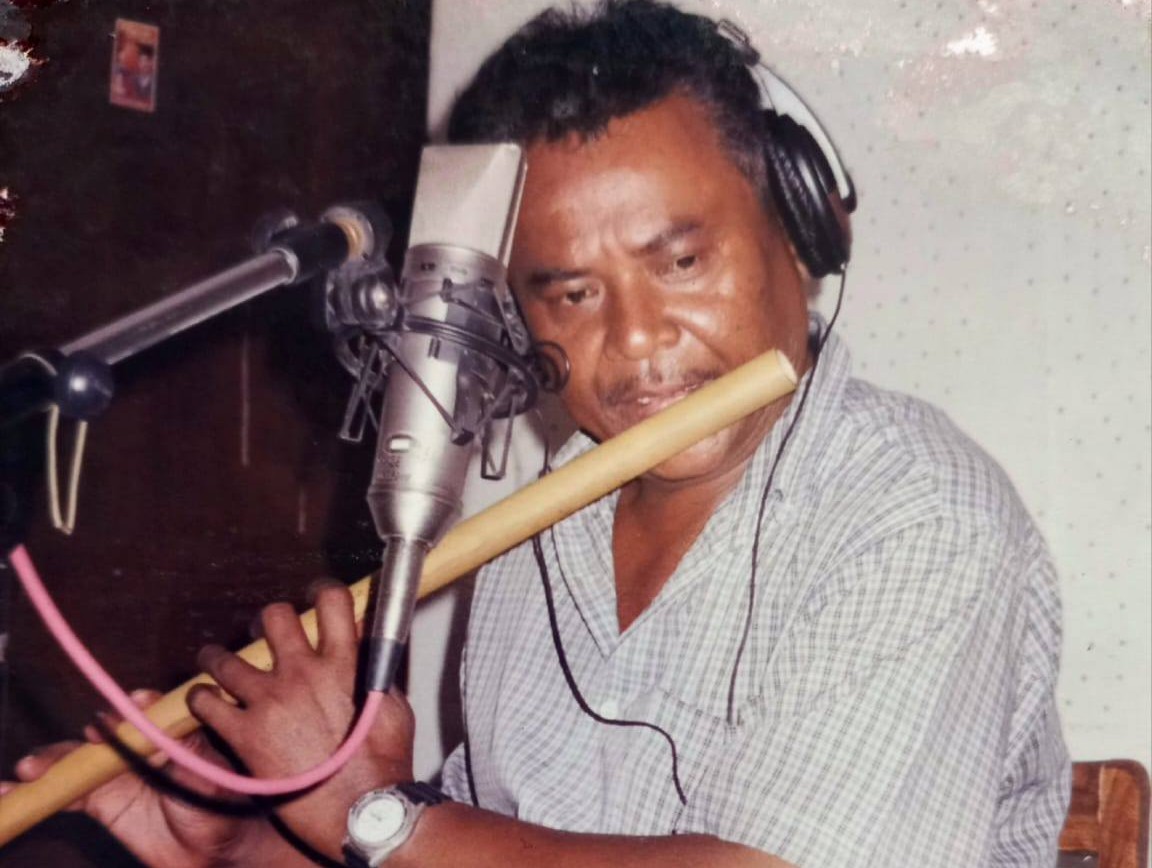
JB Lama is one of Nepal’s senior and most respected flutists, widely recognized for his decades‑long contribution to Nepali modern, folk, and film music. He has collaborated with legendary icons including Narayan Gopal, Gopal Yonjan, Nati Kaji, Fatteh Man, and many others, shaping the sound of Nepali music across multiple eras. Lama is also credited with creating his own flute‑playing pattern, a stylistic signature still followed by many contemporary flutists.
JB Lama
Musicians & Instrumentalists, Flautist
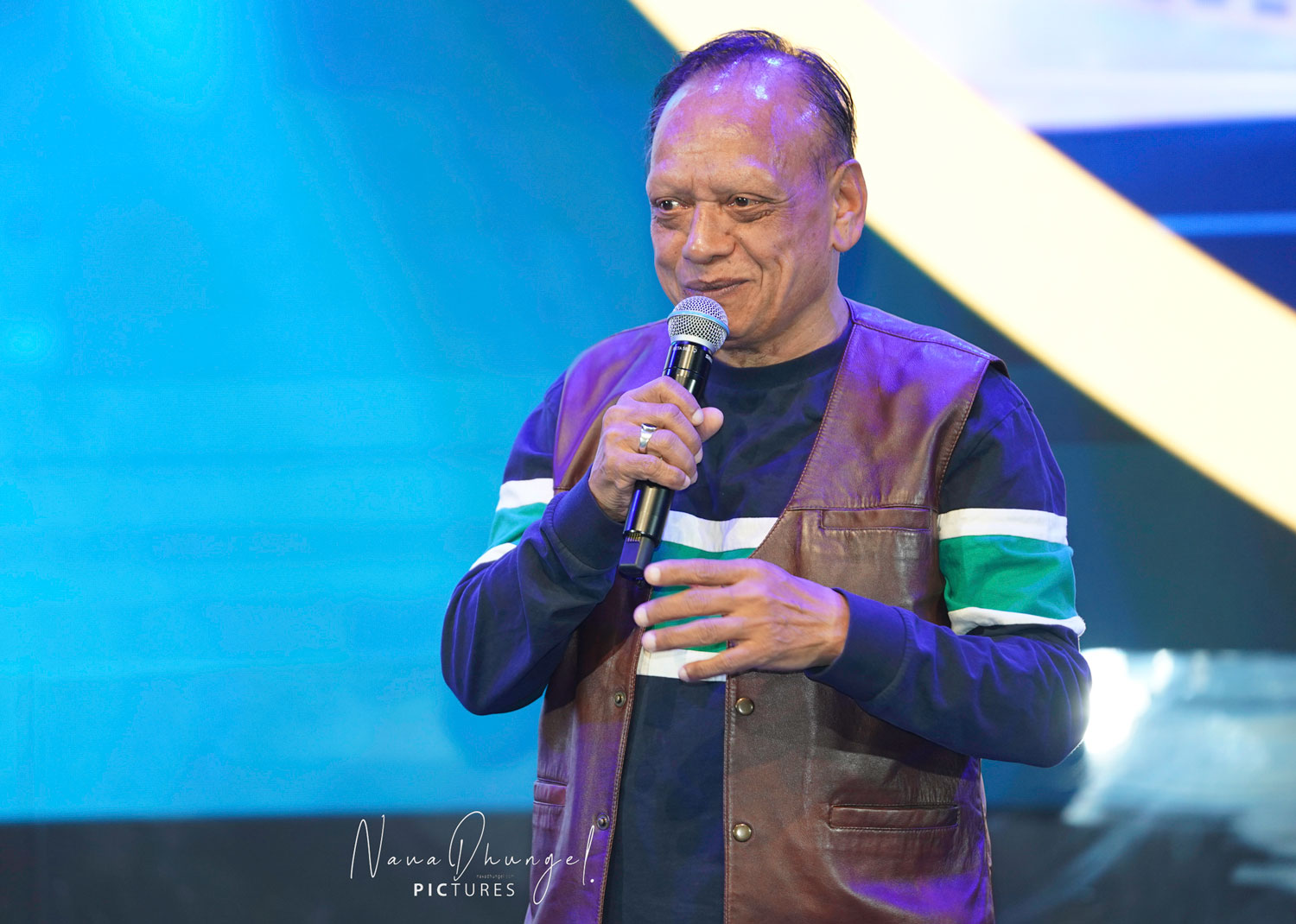
Madan Singh Nepali is a pioneer Nepali singer and guitarist, celebrated for his defining influence on the golden era of modern Nepali music. A key studio musician of Radio Nepal, he contributed guitar to countless classic recordings and lent his voice to memorable songs including “Relimai” and “Pal Pal.”His discography features enduring favorites such as “Yo Hawa Yo Lahar,” “Sunsan Raat,” “Seti Dovana,” “Jadaichhu,” “Danda Mathi,” and multiple versions of “Relimai.” His 1997 album “Pal Pal Raharama” remains one of his signature works and a milestone in Nepali pop‑folk music.
Madan Singh Nepali
Singer/ Performer

Subarna Limbu is a pioneering Nepali musician with over 40 years of professional experience, widely recognized as one of the earliest artists to bring the bass guitar into the mainstream of Nepali contemporary and rock music. His career spans Nepal and India, where he performed with formative bands such as Diamond (Darjeeling) and Brotherhood, contributing to the rise of modern Nepali rock. He is celebrated as the iconic bassist of the evergreen Prism Band, performing and singing at major venues, including regular appearances at five‑star hotels and high‑profile events. Subarna Limbu is also known for his role as a composer, with works such as “Hawa Sanga Bagu Bhanchha, Paat Sanga Bolu Bhanchha”, performed by Darjeeling‑based singer Pawan Gole, who continues to present Limbu’s compositions on major stages like Paleti.
Subarna Limbu
Musicians & Instrumentalists, Guitarist
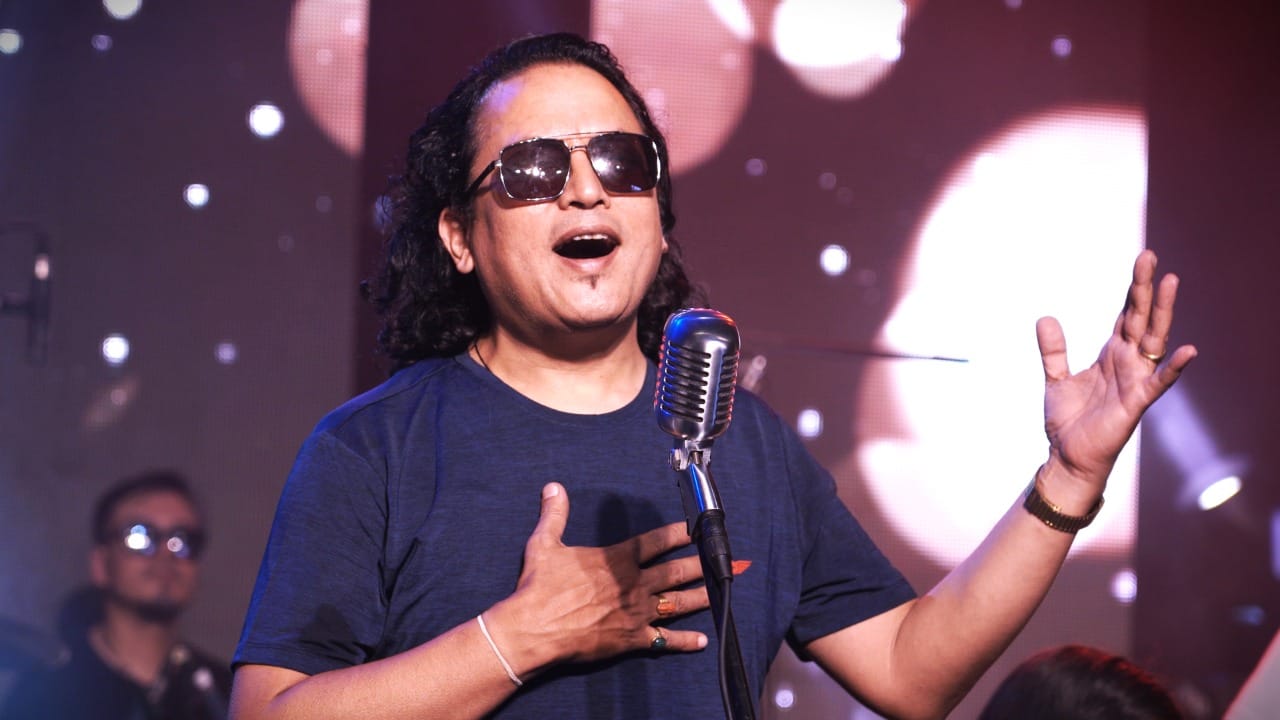
Bhim Tuladhar is a Nepali pop and contemporary music artist best known for starting his career with Nepal’s early pop band The Influence in 2043 B.S. He gained recognition in the 2040s as a stylish pop singer, known for his long hair, signature look, and energetic stage performances. Tuladhar later built a solo career, releasing multiple albums including Mayalulai, Sapny, Samjhina, and Antaral, and performing widely across Nepal. He is also associated with Buddhist devotional music, with popular releases such as Gyanmala Bhajan Vol. 1 & 2, which have accumulated hundreds of thousands of views. Honored for his contribution to Nepali pop music, Tuladhar continues to perform and remains active in connecting with new audiences.
Bhim Tuladhar
Singer/ Performer
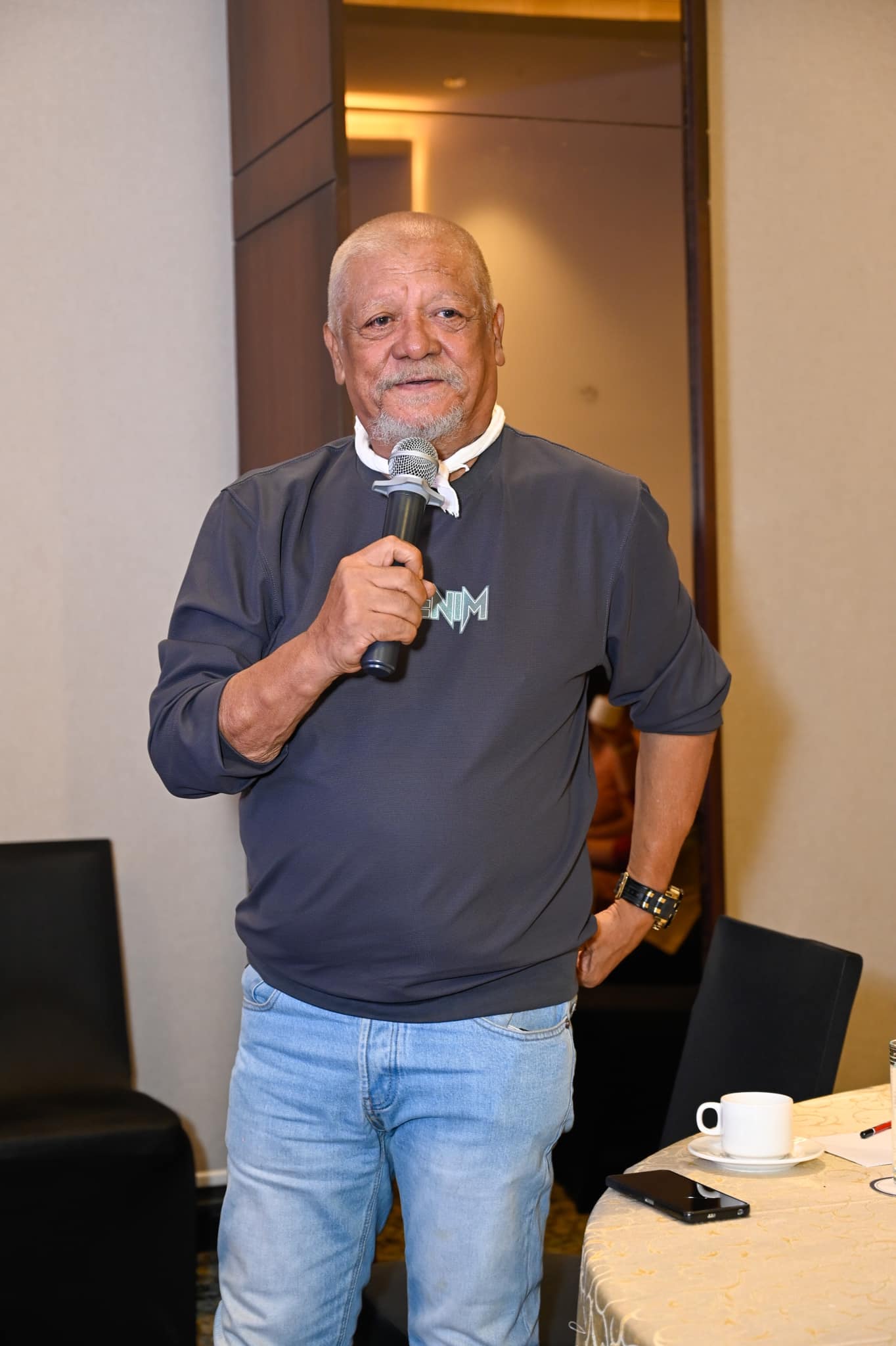
(Legendary Actor • Iconic Villain • Nepali, Bollywood & Bhojpuri Star)Sunil Thapa (19 May 1957 – 7 February 2026) was one of the most influential actors in Nepali cinema, celebrated for redefining villainy and character acting across Nepali, Bollywood, and Bhojpuri films. Born in Dang, Nepal, he began his acting career in Bollywood with Ek Duuje Ke Liye and went on to become a household name in Nepal through unforgettable roles—most famously “Rate Kaila” in the cult classic Chino (1989).His career spanned 1974–2025, with more than 150+ films, making him one of the most prolific actors in Nepali film history.He passed away on 7 February 2026 in Kathmandu, leaving behind a monumental legacy in South Asian cinema.
Sunil Thapa
Character Artists, Film Artists
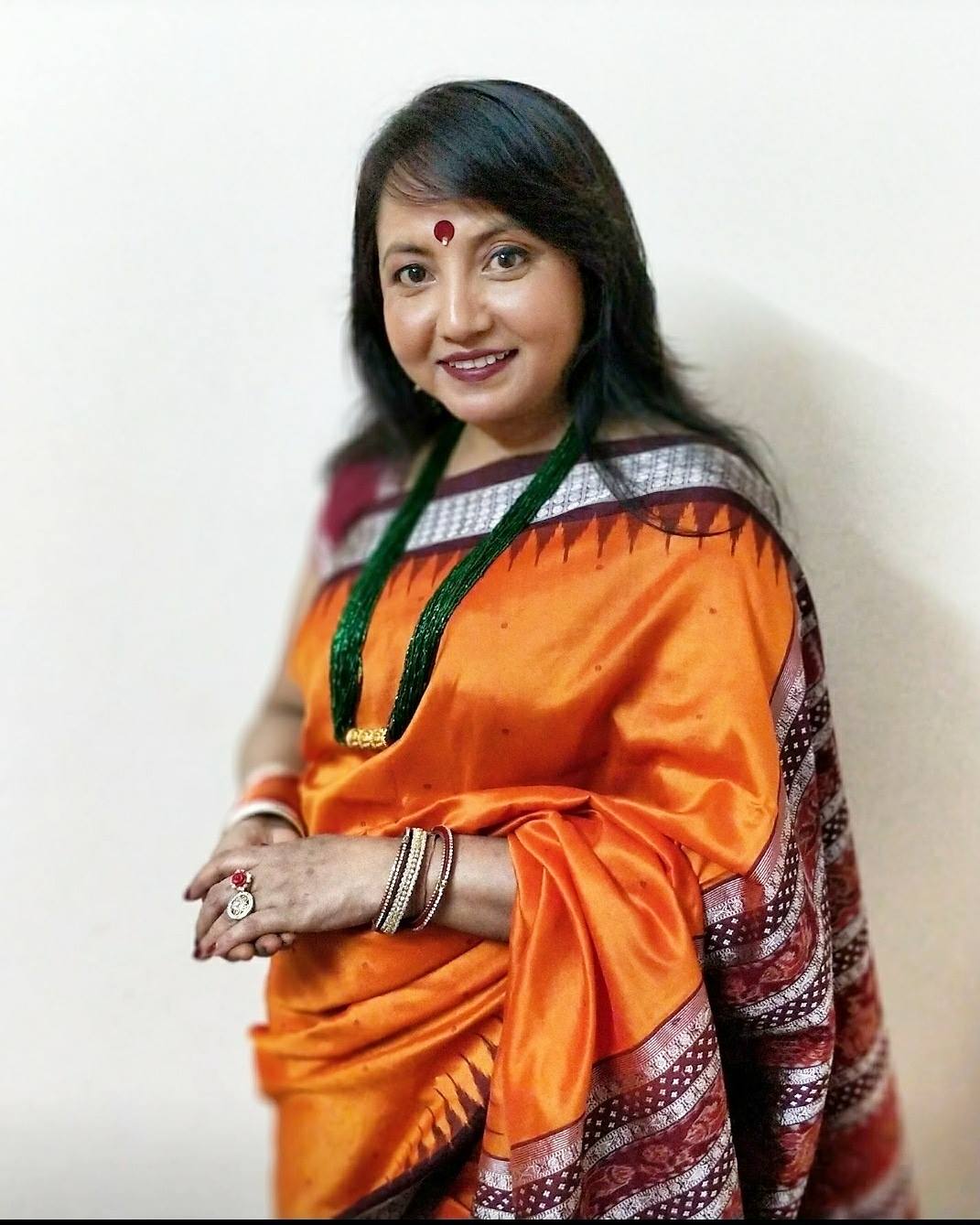
(Playback Singer • Actress • Choreographer • Chief Assistant Director • Golden‑Era Voice of Nepali Cinema)Bharati Ghimire (also credited as Bharati Gajmer) is one of the most prolific and respected female playback singers of Nepali cinema’s golden era (1980s–1990s). Active since 1981, she has contributed vocals to more than 20+ classic Nepali films, including Basudev, Kusume Rumal, Lahure, Deuta, Dakshina, Chino, Rahar, and Dui Thopa Aansu. Her voice—soft, expressive, and emotionally rich—became a defining sound of Nepali film music for two decades.Beyond singing, Bharati Ghimire also worked as an actress, choreographer, and chief assistant director, making her one of the few multi‑disciplinary female artists of her generation.
Bharati Ghimire (Gajmer)
Playback Singer, Assistant Director
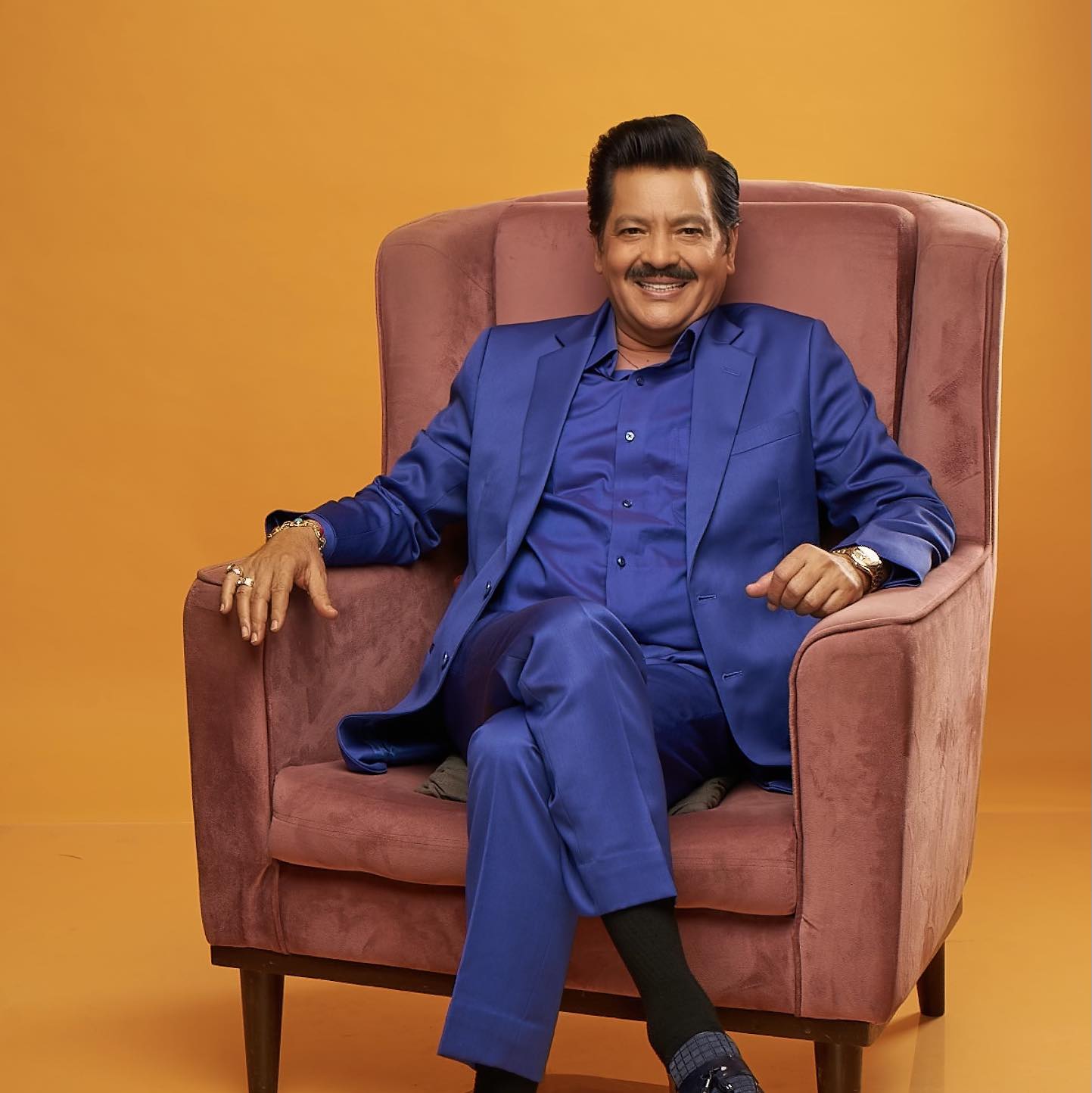
Udit Narayan Jha is a renowned Nepali-Indian playback singer widely celebrated for his melodious voice and major contributions to South Asian film music. He was born on December 1, 1955, in Baisi, Saptari, Nepal. Udit Narayan began his musical journey by singing for Radio Nepal before moving to India to pursue a professional career in playback singing.He gained international recognition after singing the hit song “Papa Kehte Hain” in the 1988 Hindi film Qayamat Se Qayamat Tak, which established him as one of Bollywood’s leading singers. Over the decades, he has recorded thousands of songs in Hindi, Nepali, and many other languages.Throughout his long and successful career, Udit Narayan has received numerous honors, including multiple Filmfare Awards as well as India’s prestigious civilian awards, the Padma Shri and Padma Bhushan. He remains one of the most respected and influential voices in Nepali and Indian film music.
Udit Narayan Jha
Playback Singer
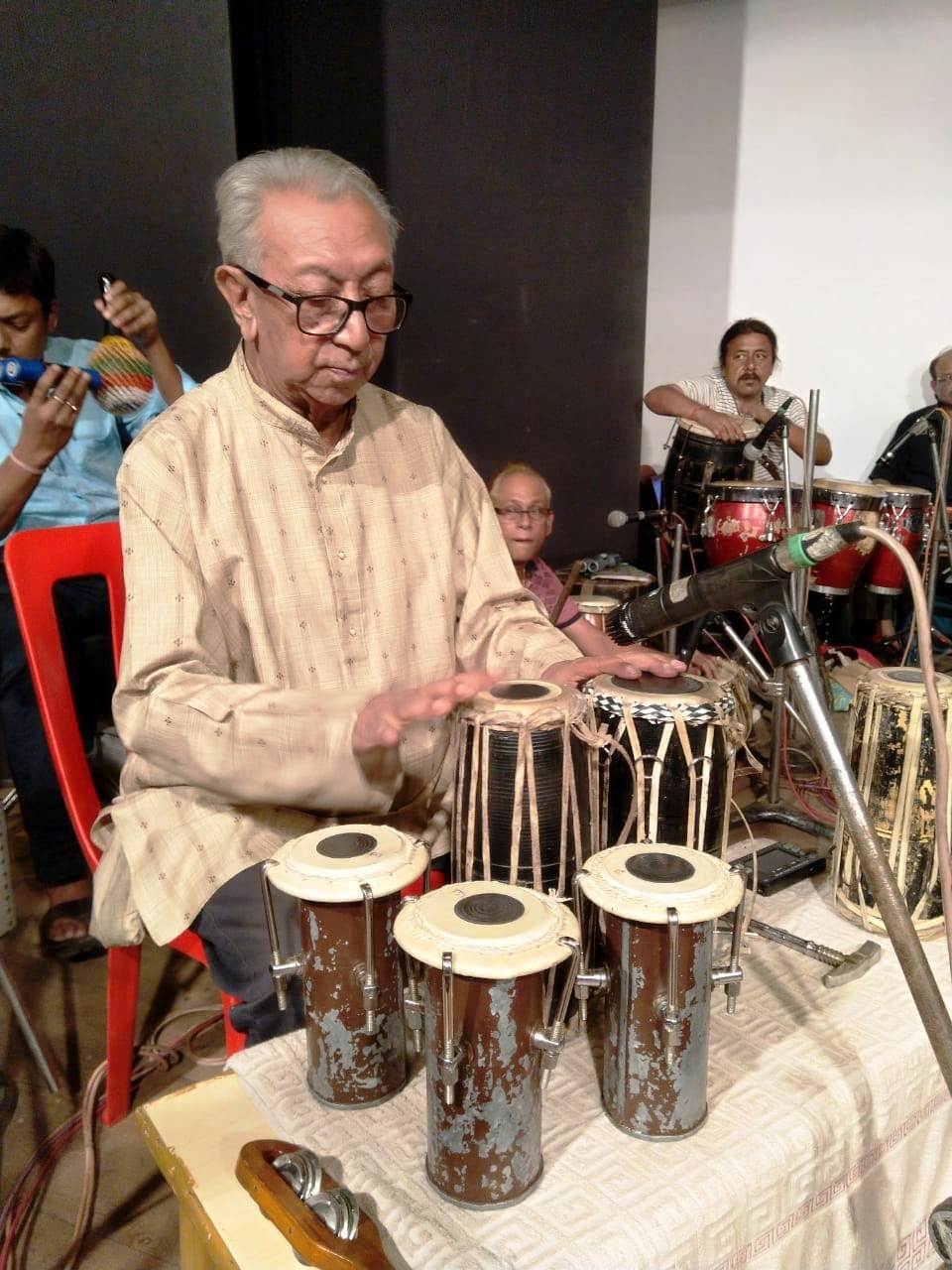
Ranjit Gazmer (also spelled Ranjit Gajmer) is a renowned Nepali film music composer, arranger, and instrumentalist known for his major contributions to Nepali cinema and South Asian music. Born on October 3, 1941, in Darjeeling, India, he developed an early passion for music and studied under legendary composer Amber Gurung at the Art Academy of Music in Darjeeling.Gazmer began his professional journey as a studio musician at Radio Nepal in the late 1960s before moving to Mumbai in 1971, where he worked closely with the legendary Bollywood composer R. D. Burman. As a skilled percussionist—particularly known for playing the Nepali madal—he contributed to numerous Hindi film recordings and became part of Burman’s core musical team for many years.He later established himself as one of the most influential music directors in Nepali cinema, composing music for many classic films such as Samjhana, Kusume Rumal, Saino, Lahure, and Darpan Chhaya. His music played a significant role in shaping the sound and popularity of modern Nepali film songs.Gazmer is also credited with arranging one of the early Nepali songs sung by Asha Bhosle, helping bridge Nepali and Indian film music cultures. Over decades of work as a composer, arranger, and instrumentalist, Ranjit Gazmer has remained one of the most respected figures in Nepali film music history.
Ranjit Gazmer
Music Director
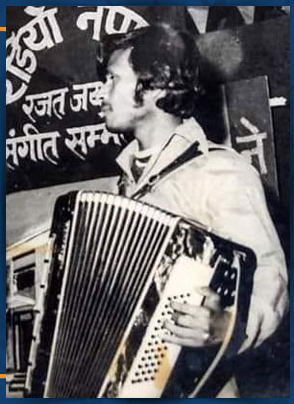
Madan Pariyar was a renowned Nepali music composer, arranger, instrumentalist, and singer who made significant contributions to Nepali music and film. He is widely recognized as Nepal’s first music arranger, known for his exceptional skill as an accordion player and for his innovative musical arrangements. Throughout his career, he composed music for numerous songs recorded at Radio Nepal, arranged music for many popular tracks, and performed as a talented instrumentalist in various recordings.Pariyar also worked as the music director for the film Aadarsha Nari (1984). His daughter, Sapana Shree, is also a well-known Nepali singer. Through his work as a composer, arranger, and musician, Madan Pariyar remains remembered as one of the respected pioneers who helped shape modern Nepali music.
Madan Pariyar
Music Director, Music Arranger, Singer/ Performer

Honey Rauniar was an actress associated with the Nepali film Aadarsha Nari (1984), where she appeared as part of the film’s cast. Detailed information about her life and acting career is not widely available in public records. However, her involvement in Aadarsha Nari reflects the participation of emerging artists in the early phase of Nepal’s film industry. Even with limited documentation, Honey Rauniar’s contribution remains a small but meaningful part of the history of early Nepali cinema.
Honey Rauniar
Actor
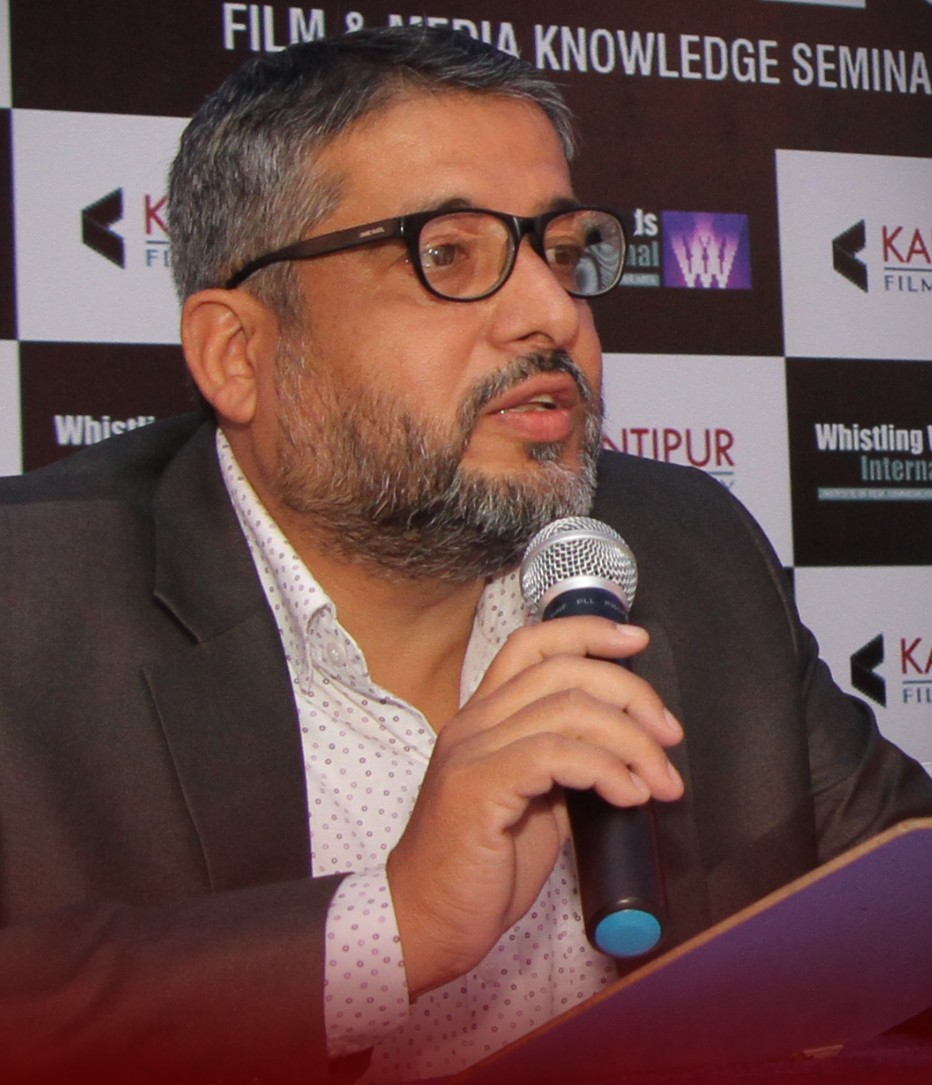
(Producer • Distributor • Exhibitor • Franchise Builder • Star‑Maker) Chhabi Raj Ojha is one of the most influential and commercially successful film producers in Nepali cinema, known for shaping mainstream commercial filmmaking from the late 1980s onward. Beginning his career as a film distributor in 1988, he quickly rose to prominence by producing blockbuster hits that launched and sustained the careers of some of Nepal’s biggest stars. He is the founder of Chhabiraj Films, a banner associated with major commercial successes and long‑running franchises. His first production, Yug Dekhi Yug Samma, was a massive box‑office hit and marked the debut of superstar Rajesh Hamal, setting the tone for Ojha’s reputation as a star‑maker. Over the next three decades, he produced more than 20+ major films, including Nata, Hero, Himmat, Kismat, Kasle Choryo Mero Maan, Andaaz, and Mangalam.
Chhabi Raj Ojha
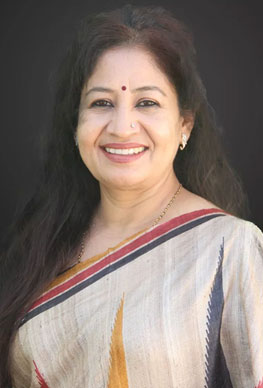
(Senior Actress • Theatre Artist • Acting Educator • Chairperson, Mala Arts Academy) Chandramala Sharma is a respected senior Nepali actress and theatre artist best known for her long-standing contribution to Nepali stage performance, acting education, and cultural development. Active since the 1980s, she has appeared in Nepali films—including the 1984 feature Basudev—and has been a prominent figure in Kathmandu’s theatre community. Her leadership role as Chairperson of Mala Arts Academy positions her among the key mentors shaping Nepal’s next generation of actors.
Chandramala Sharma
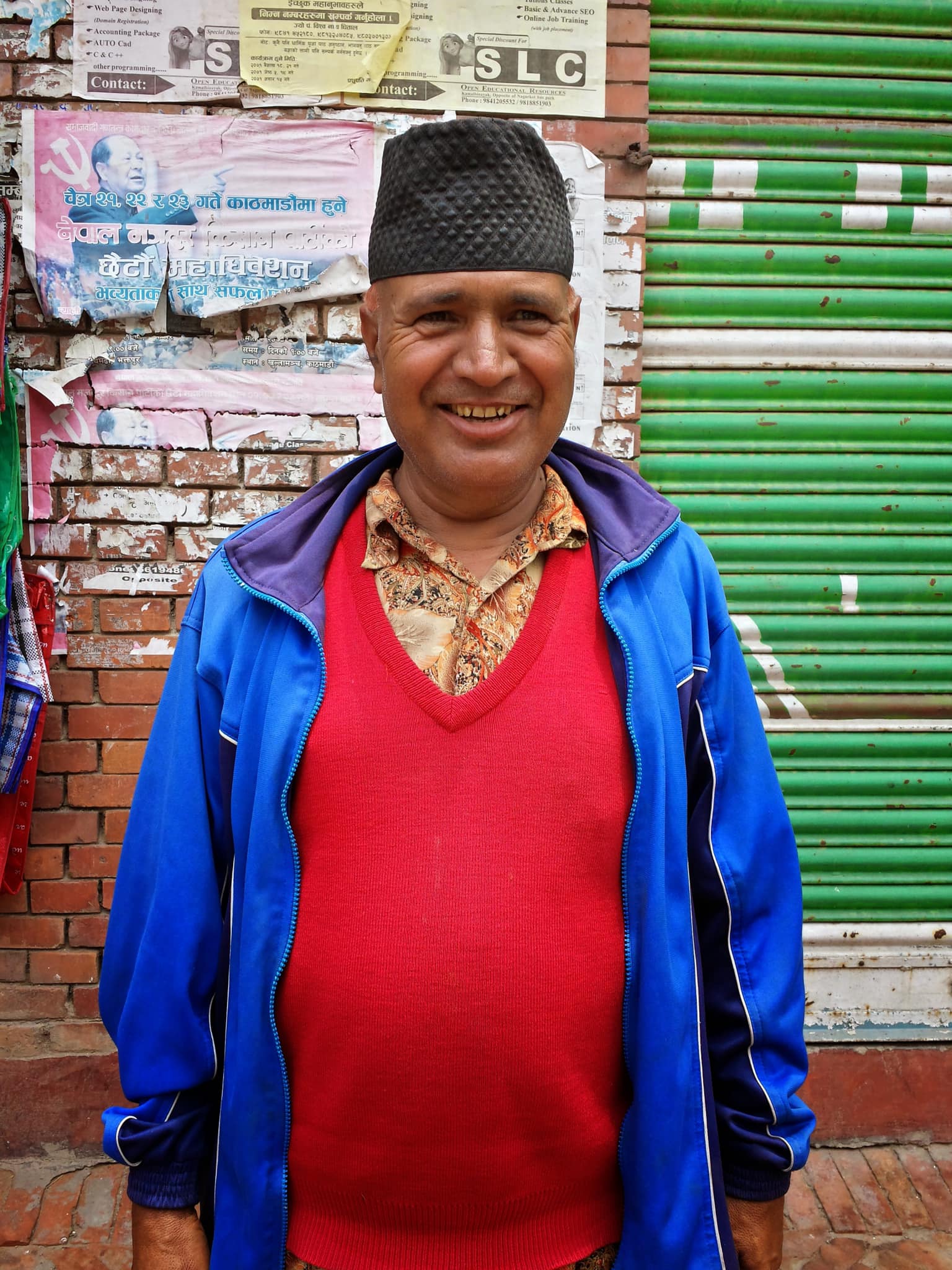
(Legendary Folk Singer • Composer • Lyricist • Cultural Voice of Nepal) Buddhi Krishna Lamichhane (1955–2021) was a revered Nepali folk singer, composer, and lyricist whose earthy voice and authentic storytelling made him one of the most beloved figures in Nepal’s lok‑geet tradition. Born in Bhaktapur, he rose to national recognition through songs that captured rural life, emotional simplicity, and the cultural soul of Nepal. His classics—especially “Pidi Ma Basera” and “Ghas Katne Khurkera”—remain evergreen staples, widely performed, remixed, and taught across generations. Lamichhane passed away at age 66 after long‑term illness (paralysis and pneumonia), leaving behind a legacy that continues to define Nepali folk identity.
Buddhi Krishna Lamichhane
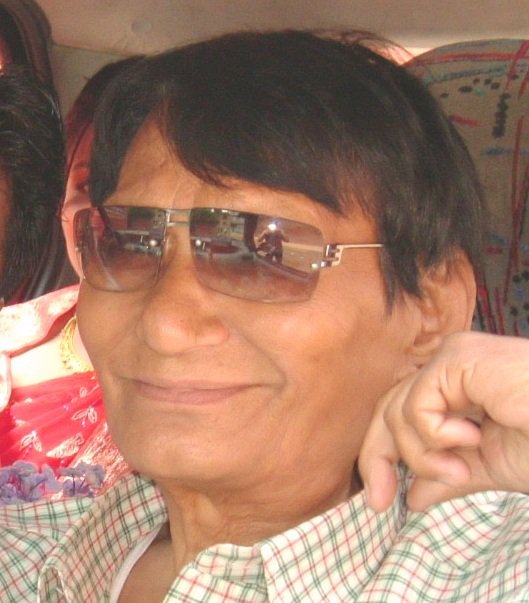
(Lyricist • Poet • Writer • Editor • Adhunik Sangeet Contributor) Bhim Birag (Bhim Bahadur Maharjan) (1991 BS – 2068 BS) was one of Nepal’s most respected lyricists, poets, and literary voices, celebrated for his emotionally rich songs and contributions to Nepali Adhunik Sangeet. Born in Maisthan, Birgunj on Magh 15, 1991 BS, he overcame severe childhood illness and economic hardship to become a defining figure in Nepali music and literature. His lyrics—recorded by legends like Narayan Gopal and Prem Dhoj Pradhan—remain timeless, blending philosophy, pain, romance, and human depth.
Bhim Birag
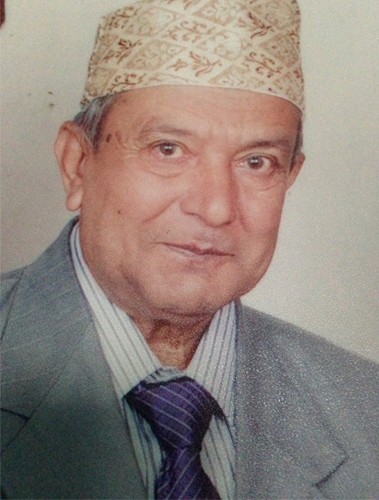
Radio Nepal Icon • Children’s Program Pioneer • Singer • Cultural Broadcaster Basudev Munal (1949–2025) was a beloved Nepali radio presenter, singer, and cultural voice best known for shaping generations of Nepali children through his iconic Radio Nepal program “Pyaara Bhaai Bahini Ho”. Born in Biratnagar, he joined Radio Nepal early in his career and went on to serve for nearly four decades, becoming one of the most recognizable and affectionate voices in Nepali broadcasting. His warm tone, storytelling skill, and musical contributions made him a household name across Nepal. Munal passed away at age 68 while undergoing treatment for throat cancer, leaving behind a legacy deeply rooted in Nepali radio culture.
Basudev Munal
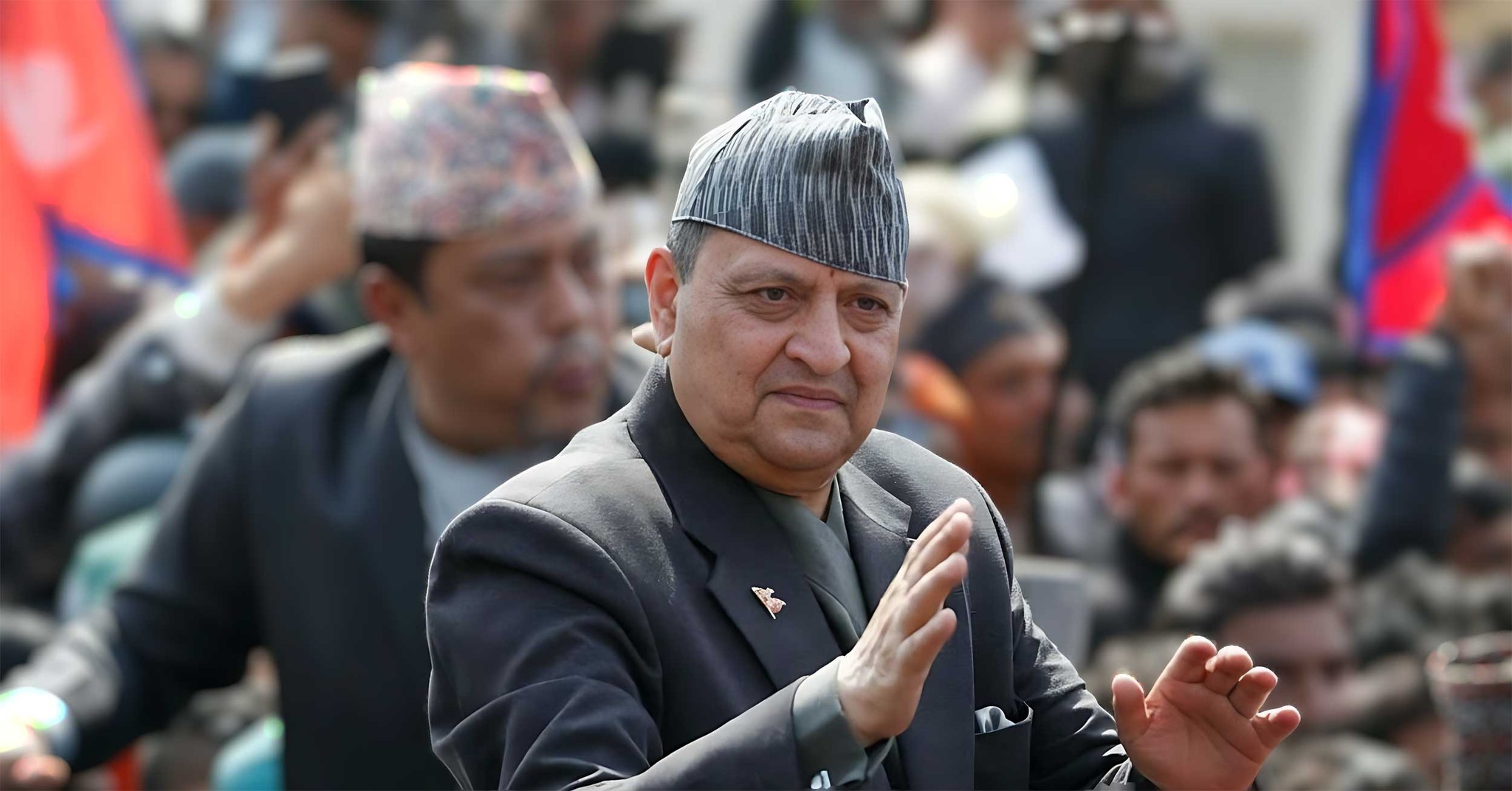
G. Shah is the literary identity of former King Gyanendra Bir Bikram Shah, whose poetic and lyrical works have contributed a distinct voice to Nepali music and literature. Active as a songwriter and poet, his creations reflect deep patriotism, emotional sincerity, and a profound attachment to the Nepali soil. His lyrics have been performed by celebrated singers including Prakash Shrestha, Ananda Karki, Sapana Shree, and Jyoti Shrestha, giving his words a wide musical presence.Among his notable works are songs such as “Bachnu Nai Chha Yadi Bhane” (vocals: Prakash Shrestha), “Pahilo Milanko” (vocals: Ananda Karki), and “Ma Jasto Thiye” (vocals: Sapana Shree). His lyrical compositions are also featured in the album ‘Rajasi’, where Jyoti Shrestha and other respected artists have brought his words to life.In literature, his poetry collection ‘Dui Mutu, Eauta Bato’ stands as a significant publication, released on the occasion of his 76th birthday. Through his songs and poems, G. Shah expresses themes of national pride, cultural identity, and heartfelt human experience, establishing him as a unique creative figure within Nepal’s contemporary literary and musical landscape.
G. Shah
Lyricist, Poet
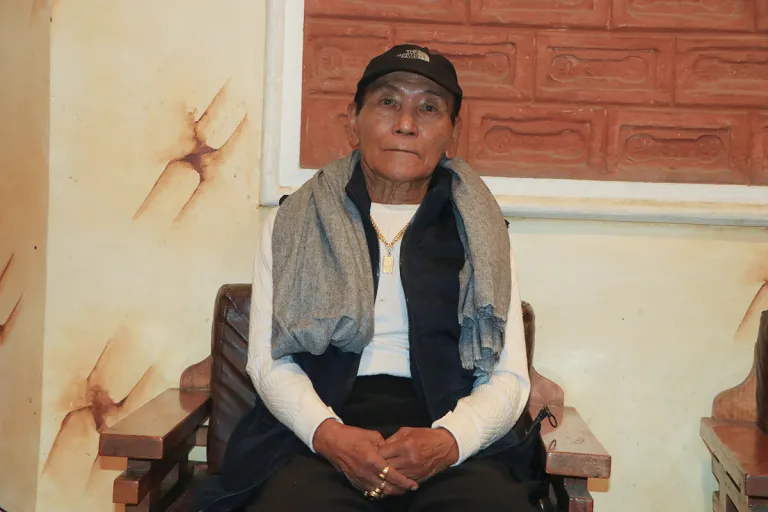
Nabin Kishor Rai is a Nepali folk singer recognized for his contributions to Rai cultural music, including Sakela, Palam, and Eastern Nepali lok‑geet traditions. His works such as “Soi Dhole Soi,” “Hirkauna Lourile Tyak Tyak,” and collaborations with artists like Karna Rai, Shreya Rai, and Manoj Sangson Rai highlight his role in documenting and modernizing indigenous melodies. Rai’s recordings—featured across YouTube, Spotify, and cultural archives—continue to strengthen the preservation of Kirati musical heritage.
Nabin Kishor Rai
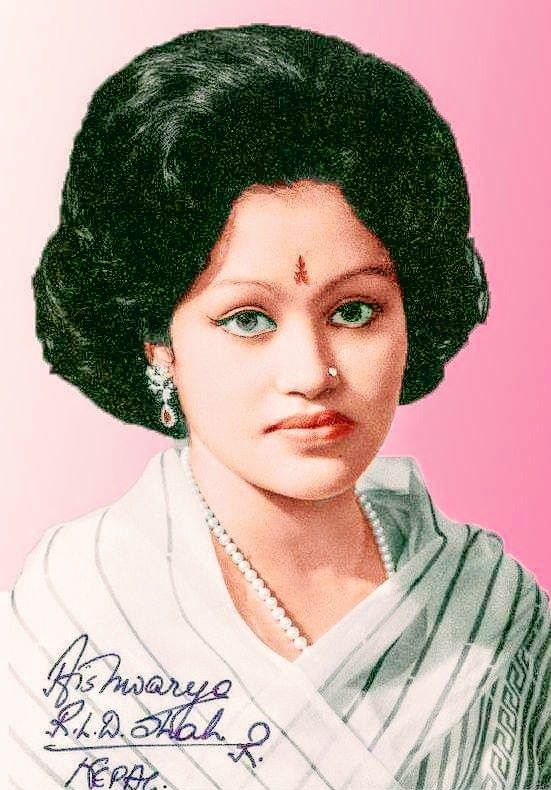
Chandni Shah, known formally as Queen Aishwarya Rajya Lakshmi Devi Shah, was the Queen of Nepal and one of the most admired figures in modern Nepali history. Revered for her grace, intellect, and deep cultural presence, she became a beloved symbol of national pride. Beyond her royal duties, she expressed her artistic spirit through writing — composing heartfelt Nepali songs, poems, and reflective pieces that revealed her emotional depth and patriotic devotion. Her creative works, often shared under the name Chandni Shah, highlight themes of love, humanity, and the Nepali identity. Remembered as the “heart of the Nepali people,” she remains an enduring cultural and emotional icon.
Chandni Shah
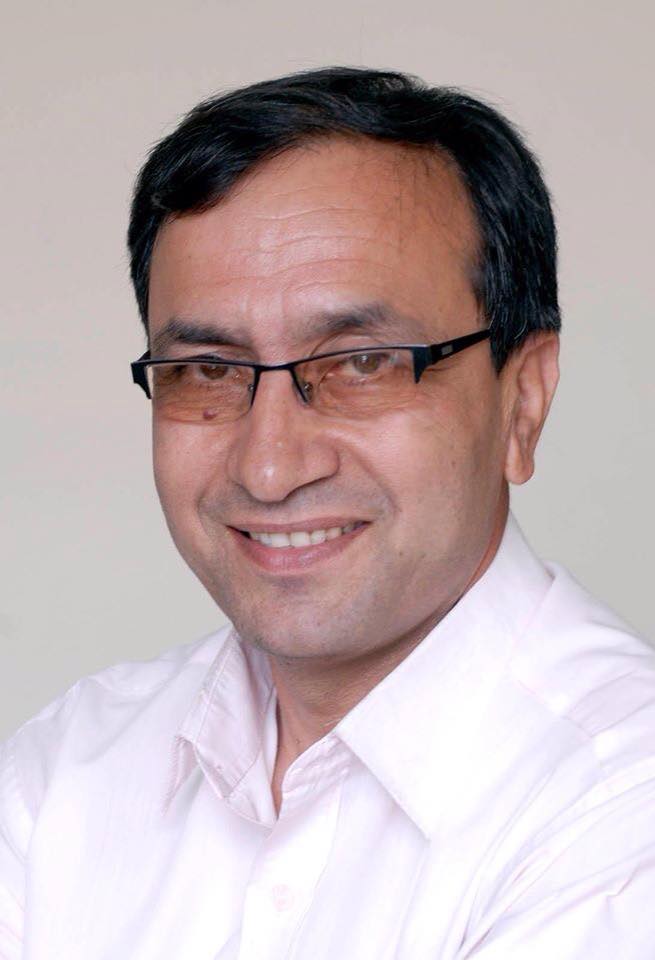
Raman Ghimire is a renowned Nepali lyricist, poet, and literary figure. He has made significant contributions to Nepali literature. Some of his major works include songs such as "Aadhi Bato Hinde Pachhi Timisanga Bhet Bhayo", "Euta Bato Sadhai Bhetghat Bhairahta", and "Kahile Timro Pachauri Ma Aljhe" . He has established his place in Nepali literature, and his creations have influenced many readers.
Raman Ghimire
Lyricist, writer-author
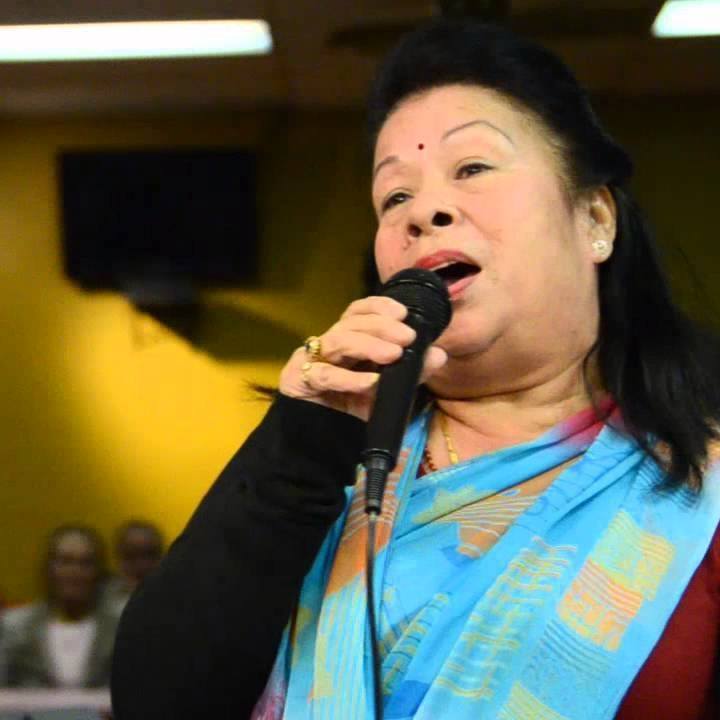
Mira Rana (also known as Meera Rana) is a renowned Nepali singer who has made significant contributions to the Nepali music industry. Born on September 24, 1951, she has sung over 1,600 songs in her 55-year musical career. Mira Rana is considered a part of "Nepal's first wave of recording stars," recording folk, classical, and even pop songs during the country's modernization after the fall of the Rana regime. She has collaborated with artists like Narayan Gopal, Gopal Yonjan, Kumar Basnet, Udit Narayan Jha, and Ram Thapa. In addition to her musical career, Mira Rana has also been involved in politics. She joined the Rastriya Prajatantra Party Nepal in 2009 and contested for parliament from the Kathmandu-3 constituency in 2013. She was awarded the Narayan Gopal memorial prize in 2016, shared with Gyanu Rana, in recognition of her contribution to Nepali music.
Mira Rana
Music Artists, Folk Singer
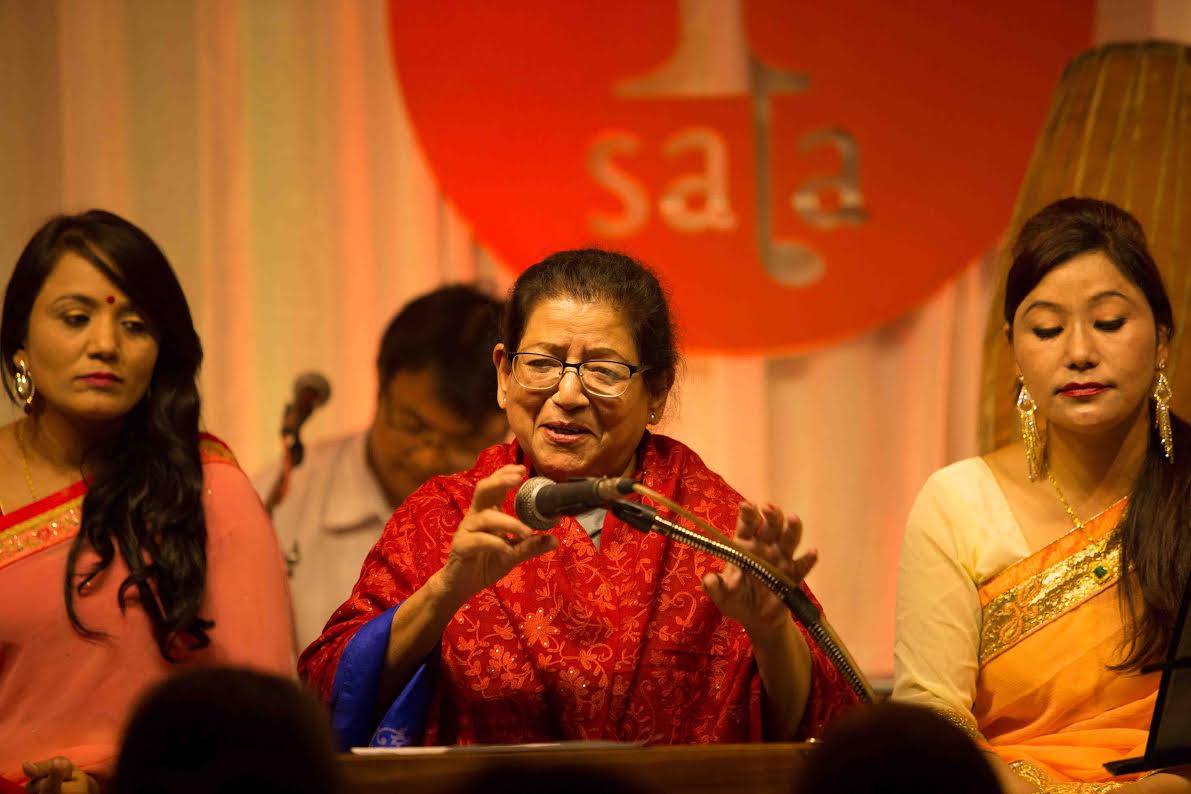
Shanti Thatal (शान्ति ठटाल) is a renowned Nepali music composer and singer known for her contributions to the Nepali film industry. Born on April 4, 1938, in Darjeeling, India, she is celebrated as the first female music composer in the Nepali film industry. Shanti Thatal has composed music for several Nepali films and has more than 200 songs to her credit. Some of her well-known songs include "Mayalu Ley Samjhe Ki Kaso", "Udi Jaun Bhaney Mo Panchi Hoina", and "Samhalera Rakha". Shanti Thatal's work has earned her numerous accolades, including the Jagadamba Shree Puraskar in 2020 for her contribution to Nepali music. She has also been awarded the Master Mitra Sen Smriti Award for Music by the Sikkim government in 2002.
Shanti Thatal
Music Artists, Music Director