
Explore Artists
Browse through 2,086 talented actors, musicians, dancers, filmmakers and creative professionals from Nepal.
2,744
All Artists
213
Actor
235
Actress

Nirmala Shrestha is a respected Nepali singer known for her contributions to the country's music industry, particularly in the golden era of Nepali music. She has captivated audiences with her melodious voice and heartfelt performances across various genres. Her melodious voice and heartfelt performances have left a lasting impact on the industry.
Nirmala Shrestha
Music Artists, Singer/ Performer
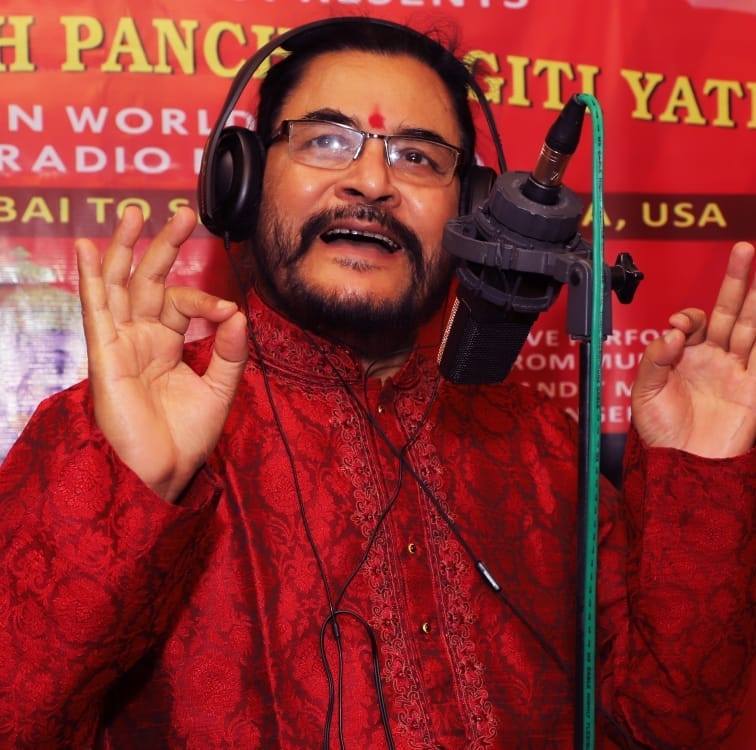
Murali Dhar is a veteran singer, composer, and lyricist from Radio Nepal’s golden era. He has sung over 100 Nepali songs, along with numerous tracks in Hindi, Maithili, and Bhojpuri. Some of his most beloved songs include: "Uḍāyo Sapana Sabai Hurīle" (“The storm blew away all dreams”) "Niṣṭhurīle Māyā Garī Āphainlāī Rogī Banāyo" (“The cruel one loved and made me sick”) "Pahāḍko Pallō Ḍāḍāmā Cha Sānō Gāũ" (“There’s a small village on the far hill”) He also collaborated with Udit Narayan Jha, lending his voice to folk-style songs like "Āmāile Bhanthē Dhārāko Pānī" (“Mother used to say, water from the spout…”), which became iconic in Nepali households. Murali Dhar is not only a singer but also a popular actor, known for playing villainous and negative roles in many Nepali films. He has acted in several Hindi movies as well. His film credits include: Hindi film: Mr. India Nepali films: Samjhana, Saino, Kanyadaan, Pirati, among others He has also been involved in producing Bhojpuri and Maithili films His songs "Uḍāyo Sapana Sabai Hurīle…" and "Āmāile Bhanthē Dhārāko Pānī…" are considered timeless classics, instantly recognizable to most Nepalis.
Murali Dhar
Music Artists, Actor, Playback Singer, Film Artists
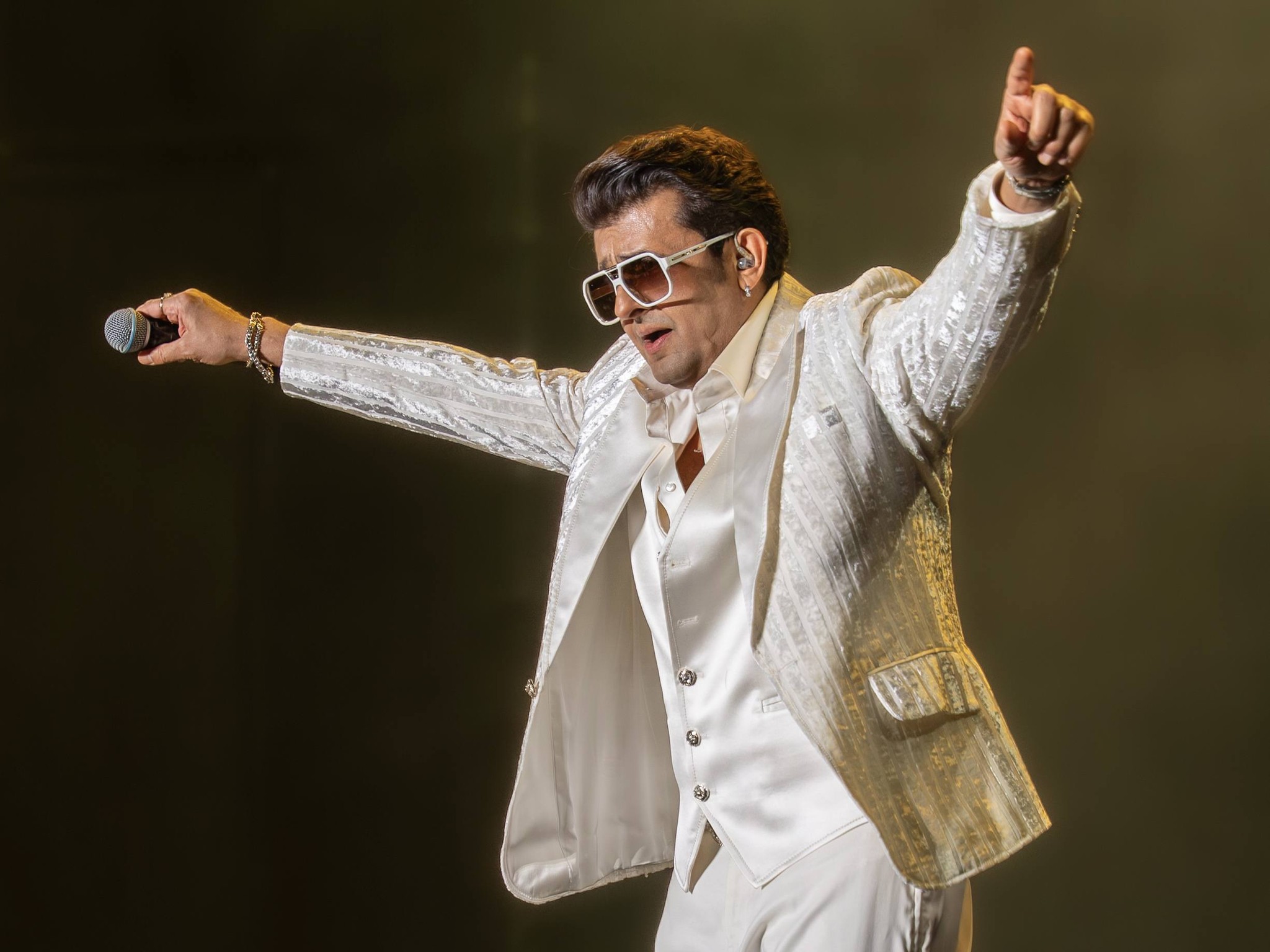
Sonu Nigam is an acclaimed Indian playback singer who has also contributed to Nepali cinema through a select number of modern and filmy songs. Known for his smooth vocal texture and emotional delivery, he became one of the few top‑tier Indian singers to record Nepali tracks during the 1990s and early 2000s, adding cross‑border appeal to Nepali film music. His Nepali songs, composed by leading Nepali music directors of the era, remain popular for their melodic richness and expressive vocal style.
Sonu Nigam
Playback Singer
Ram Man Trishit, also known as Ram Man Shrestha, was a renowned Nepali lyricist celebrated for his contributions to modern Nepali music. Born around 1941, he was not only a gifted lyricist but also a medical doctor by profession. His lyrics were often brought to life by composers like Shiva Shankar and singers such as Tara Devi and Narayan Gopal. Some of his notable songs include: "Dilma Hajur Ayera" (sung by Tara Devi) "Mancheko Maya Yaha" (sung by Narayan Gopal and Gyanu Rana) "Yek Phool Jharera Ke Bho" (sung by Tara Devi) He passed away on May 31, 2011, leaving behind a legacy of timeless music.
Ram man trishit
Lyricist
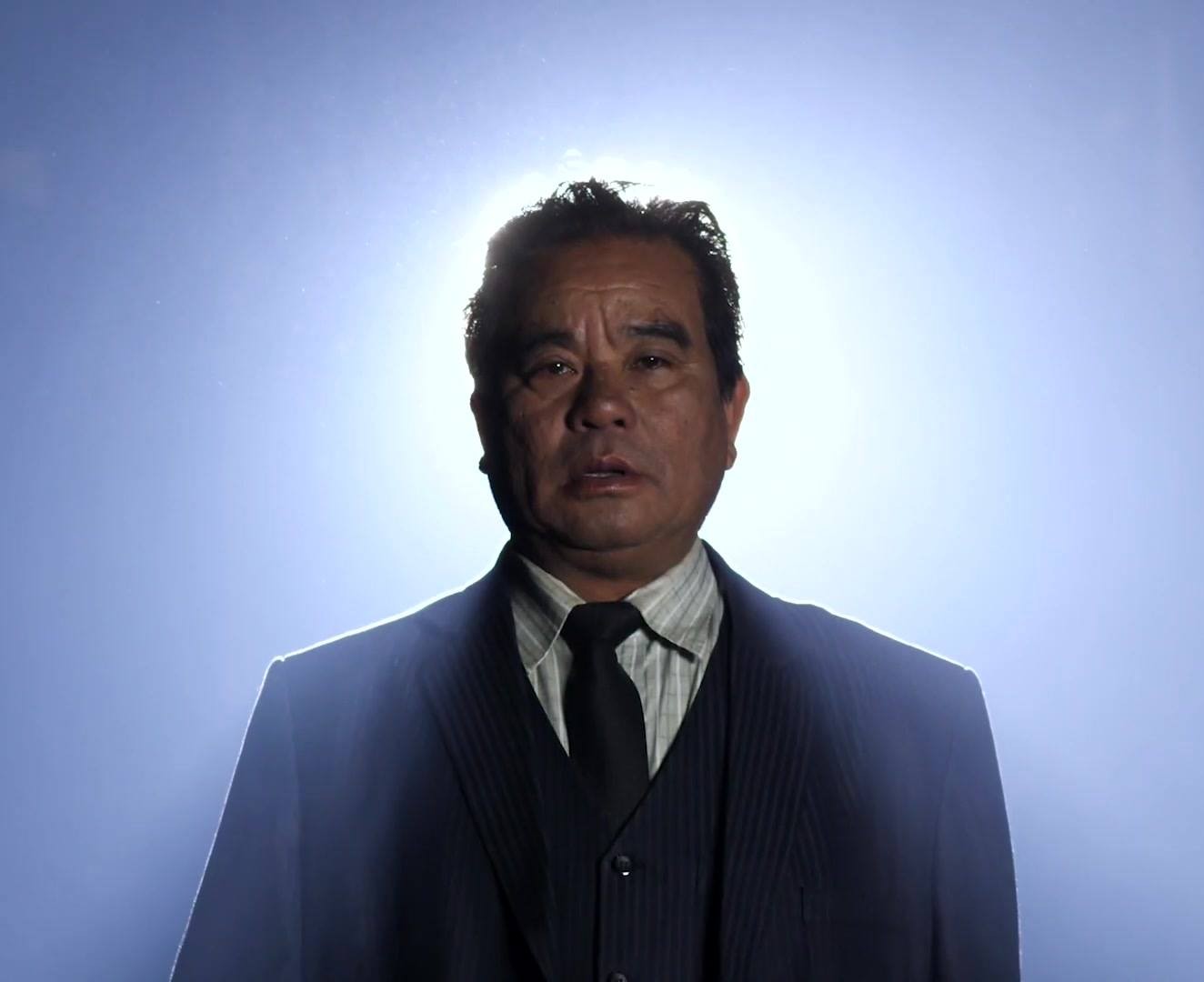
Jayananda Lama (1956–2020) was a respected Nepali singer, actor, and cultural contributor known for his powerful folk‑based vocal style and memorable performances in Nepali cinema. A graduate of Lalit Kala Campus and an advocate of Nepali folk heritage, he recorded numerous hit songs and appeared in several films, earning recognition for his natural acting and deep musical understanding. His work blended authenticity, humor, and cultural storytelling, making him one of the beloved figures in Nepali performing arts.
Jayananda Lama
Folk Singer, Film Artists
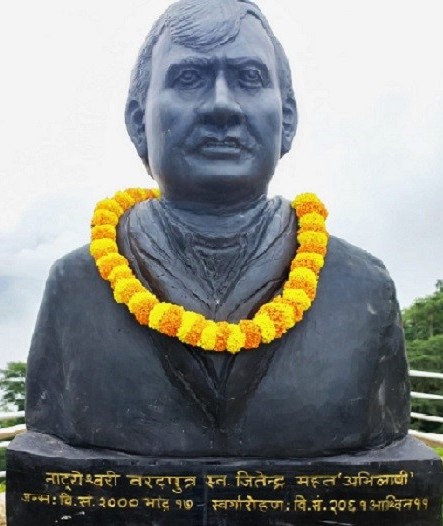
Jitendra Mahat Abhilasi (1956–2004) was a pioneering Nepali stage, radio, television, and film actor known for his powerful voice, disciplined craft, and exceptional contribution to Nepali performing arts. Born on 11 September 1956 in Kabilas, Nuwakot, he began his artistic journey as a student with a deep interest in theatre and literature. Abhilasi wrote, directed, and acted in his first historical play “Shree 5 Ranabahadur Shah” (1969) and went on to perform in over 482 radio dramas, 460 radio scripts, and more than 60 stage plays. He appeared in around 40 telefilms and over three dozen feature films including Manko Baadh, Basudev, Anyaya, Koseli, Chino, Basanti, Lagangatho, and Simarekha. Renowned for his radio drama legacy and versatile screen presence, Abhilasi remained one of Nepal’s most respected multi‑disciplinary artists until his passing on 27 September 2004.
Jitendra Mahat Abhilasi
Theatre Artists, Film Artists, Playwright

Komal Oli is a Nepali folk singer and former Radio Nepal news anchor known for her powerful lok‑geet vocals and her long career in national broadcasting. She rose to prominence with hit folk numbers that blended traditional melodies with her distinct vocal style, making her one of the most recognizable female voices in Nepali folk music.As a news anchor and program presenter at Radio Nepal, she became a trusted national voice, contributing to Nepali media for many years before transitioning fully into music and public life. Her songs, stage performances, and cultural presence have made her a prominent figure in modern Nepali lok‑sangeet.
Komal Oli
Media Personality, Folk Singer
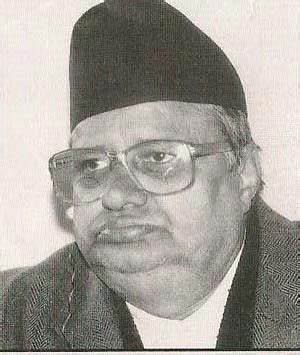
Chandra Raj Sharma was a prominent Nepali musician and composer, celebrated for his contributions to classical and modern Nepali music. Born on Falgun 24, 2000 BS (1943 AD) in Maitidevi, Kathmandu, he was the son of Sangeet Shiromani Yagya Raj Sharma, who introduced him to classical music. Chandra Raj Sharma pursued formal education in music, earning a Bachelor of Music degree from Prayag Sangeet Samiti, Allahabad, and later a Bachelor of Commerce degree. Throughout his career, he composed music for over 350 modern songs and sang more than 50. He gained fame for his work in Giti Natak (musical dramas) such as "Muna Madan," "Bhrikuti," and "Shree Krishna Lila," as well as Nepali movies like "Kumari" and "Jiwan Jyoti." He also served as a music teacher and held various positions in cultural institutions, including the Cultural Department of His Majesty's Government.
Chandra Raj Sharma
Music Artists, Music Director, Music Instructor
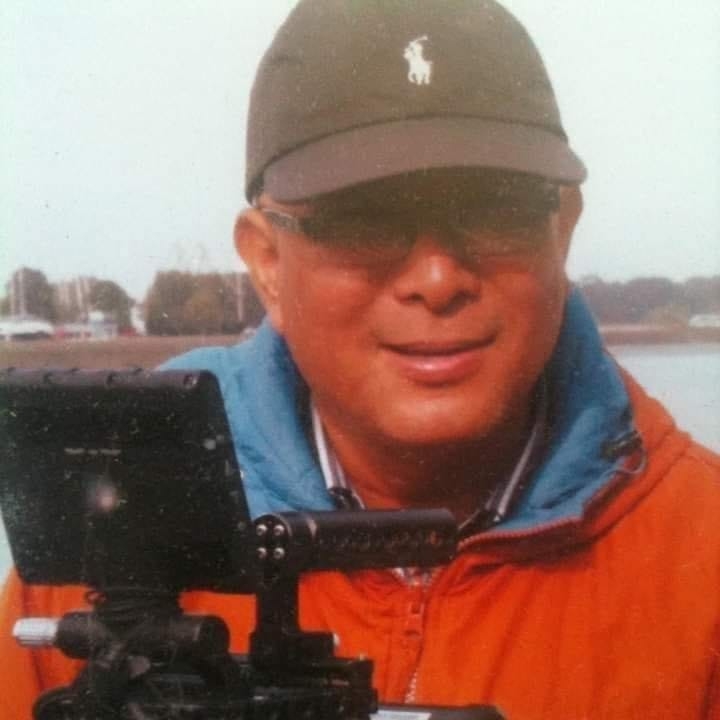
Raju Shah (born 26 February 1965) is one of Nepal’s most influential dance choreographers, with a career spanning over three decades and more than 200 films. Beginning as a dancer in Badalindo Aakash (1982), he became a leading choreographer from Dui Thopa Aansu (1993) and later expanded into film direction and production. He has directed feature films including Sapana Ko Naulo Sansar and Namaste Nepal—one of the first Nepali films shot entirely in Europe. Shah is also the founder chairman of the Nepal Film Dance Association and remains a defining figure in Nepali film choreography and visual storytelling.
Raju Shah
Dance Choreographer
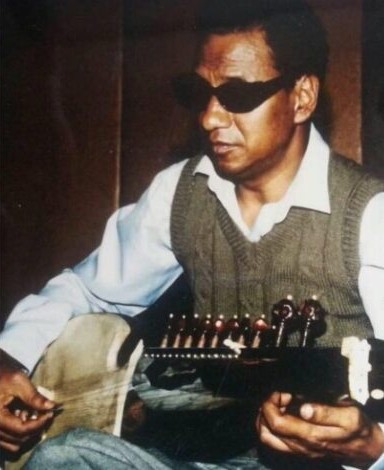
Mohan Sundar Shrestha was a distinguished Nepali sarod player who dedicated nearly five decades of his life to the art of sarod performance. Despite losing vision in both eyes, he made an extraordinary contribution to the development and promotion of sarod music in Nepal. Early Life and Musical Training He was born in Kilagal, Kathmandu, Nepal. At the age of 12, he began learning the sarod under the guidance of senior sitar and sarod maestro Narayan Prasad Shrestha. His formal musical journey began in 1970, marking the start of a lifelong devotion to classical instrumental music. Professional Career In 2026 B.S., Shrestha joined Rastriya Nachghar (National Theatre) as a staff musician. From 2037 to 2068 B.S., he worked on a contractual basis as a musician at Radio Nepal. His sarod compositions were featured in songs by singer Shiv Shankar, bringing classical depth to Nepali music. He also served as a court musician at the former Royal Palace of Nepal and officially retired in 2007. A significant milestone in his life came in 2042 B.S. (1985 A.D.), when he was granted the opportunity to perform before King Birendra. After the performance, the King praised his artistry and inquired about his well-being. Upon learning of his wish for stable employment, the King recommended him to perform regularly at the Royal Palace. As a result, Shrestha performed sarod at royal events for 22 years. Following an unexpected retirement notice from Radio Nepal without prior information, he continued his musical journey by performing regularly at Hotel Annapurna. Performances and Contributions Throughout his career, he performed at several prominent venues and religious sites including: Kirateshwar Mahadev Temple, Ram Mandir Battisputali, Yala Maya Kendra & Rastriya Nachghar. He also released instrumental albums titled Favorite and Favorite–2, which featured sarod melodies cherished by classical music enthusiasts. Passing Mohan Sundar Shrestha passed away on 24 Falgun 2077 B.S. (March 8, 2021), at 6:40 PM at Green City Hospital in Kathmandu at the age of 80. Legacy Despite the immense challenges of losing his eyesight, Mohan Sundar Shrestha remained devoted to music throughout his life. His dedication, resilience, and mastery of the sarod have left a lasting legacy in Nepal’s classical music tradition. He is remembered as one of the pioneering figures in Nepali sarod performance.
Mohan Sundar Shrestha
Musicians & Instrumentalists
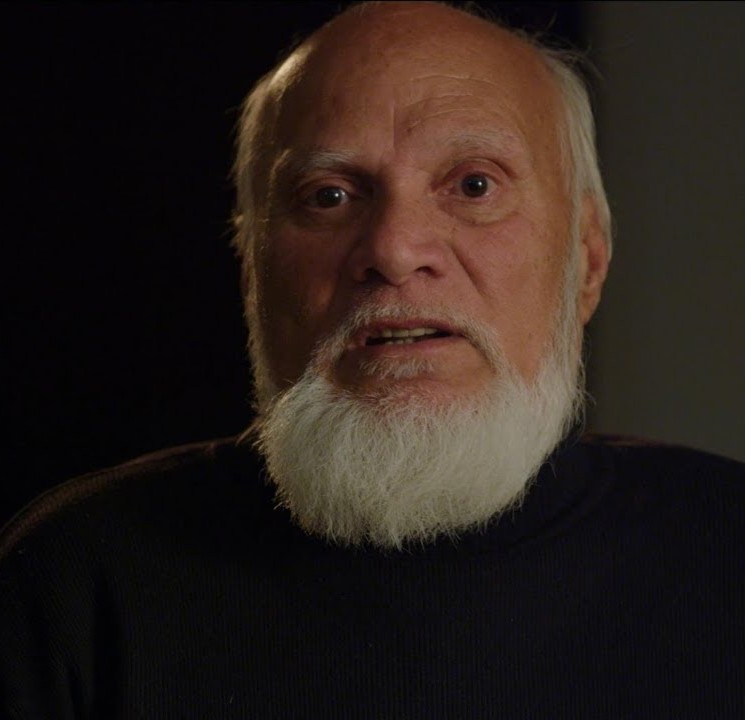
Javed Shah is one of the foundational cinematographers of Nepali cinema’s classic era (1989–2004), known for shaping the visual language of action‑drama films through his signature gritty lighting, bold framing, and dynamic camera movement. His work spans more than 15 major feature films, making him one of the most respected technicians of his generation.
Javed Shah
Cinematographer
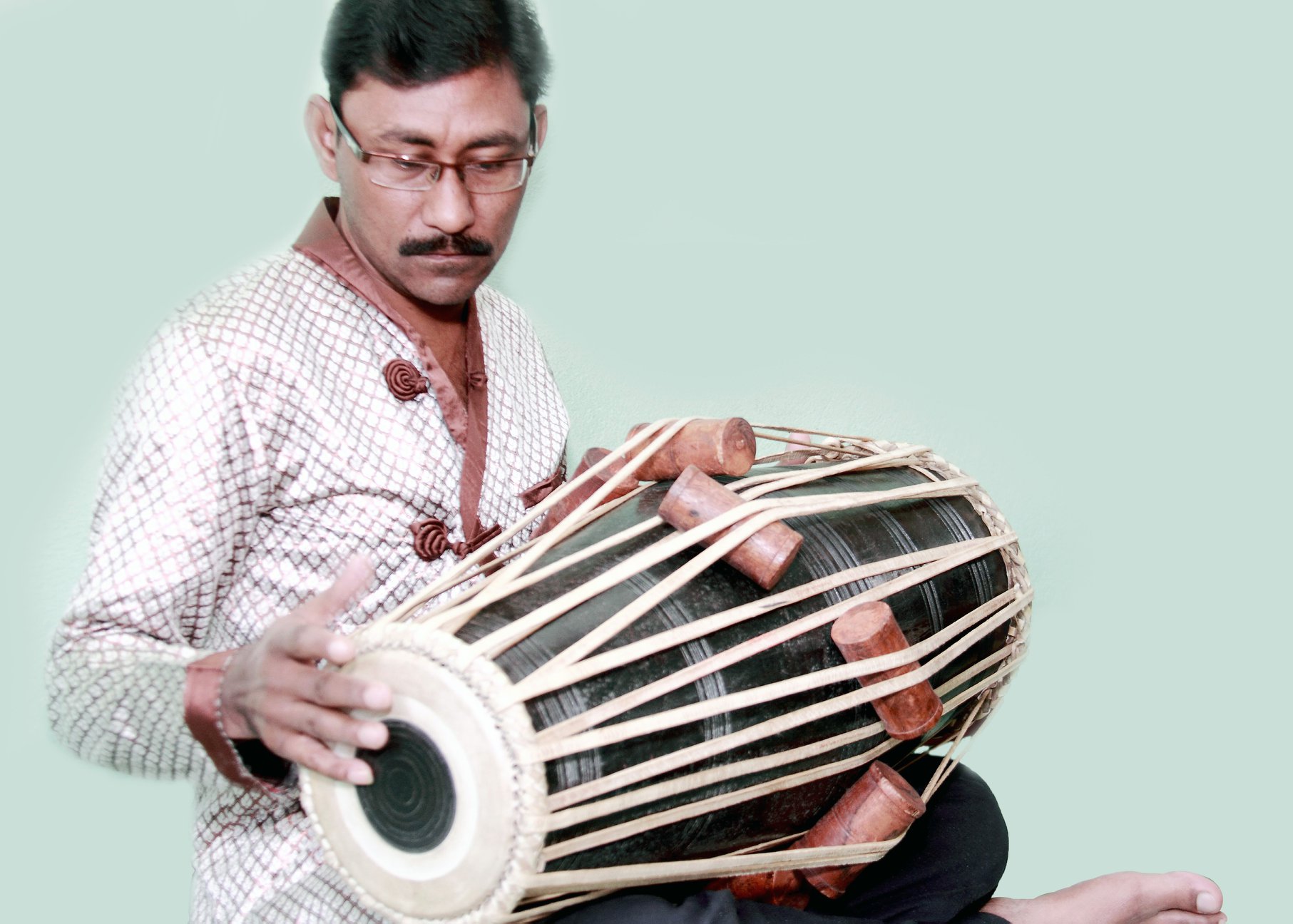
Rabin Lal Shrestha is a Nepali tabla virtuoso and music educator known for his contributions to classical and devotional music in Nepal. Born in Kathmandu, he has been a leading figure in preserving and teaching the tabla tradition for several decades, both as a performer and as a mentor to young musicians. Key facts Birthplace: Kathmandu, Nepal Primary Instrument: Tabla Teaching Position: Lalit Kala Campus, Bhotahiti (since 1989) Notable Albums: Tabla Solo, Grand Rehearsal Collaborations: Suresh Raj Bajracharya (sarod), Prabhu Raj Dhakal (vocals) Musical training and influences Shrestha began studying tabla at the age of ten, inspired by bhajans sung by his father. His early training was under Sadhuram Manandhar, followed by advanced tutelage from Ganesh Raj Wonta, Nara Raj Dhakal, Homnath Upadhyaya, and Sambhu Prasad Misra. This diverse lineage grounded him in the North Indian classical tradition while connecting it to Nepal’s own devotional music culture. Teaching and mentorship Since joining Lalit Kala Campus in 1989 after three years at Holy Garden School, Shrestha has educated generations of students through structured intermediate and diploma programs. His classes maintain a rigorous schedule, emphasizing rhythm discipline and improvisational skill. He is regarded as a key figure in institutionalizing tabla education in Nepal. Performances and recordings Beyond teaching, Shrestha regularly performs at Kathmandu’s Hotel Vajra in a long-running program titled Dafa. He has toured internationally—including performances in Europe with sitarists Tarabir and Bijaya Vaidya—and released two albums: Tabla Solo, accompanied by his instructional book Dafa, and Grand Rehearsal. His work bridges traditional and contemporary interpretations of tabla music. Legacy Rabin Lal Shrestha continues to inspire Nepal’s younger generation of classical musicians. His dual role as performer and educator has made him a cornerstone of the country’s evolving Hindustani percussion scene, ensuring the tabla’s rhythmic heritage remains vibrant in modern Nepal.
Rabin Lal Shrestha
Musicians & Instrumentalists, Tabla Players
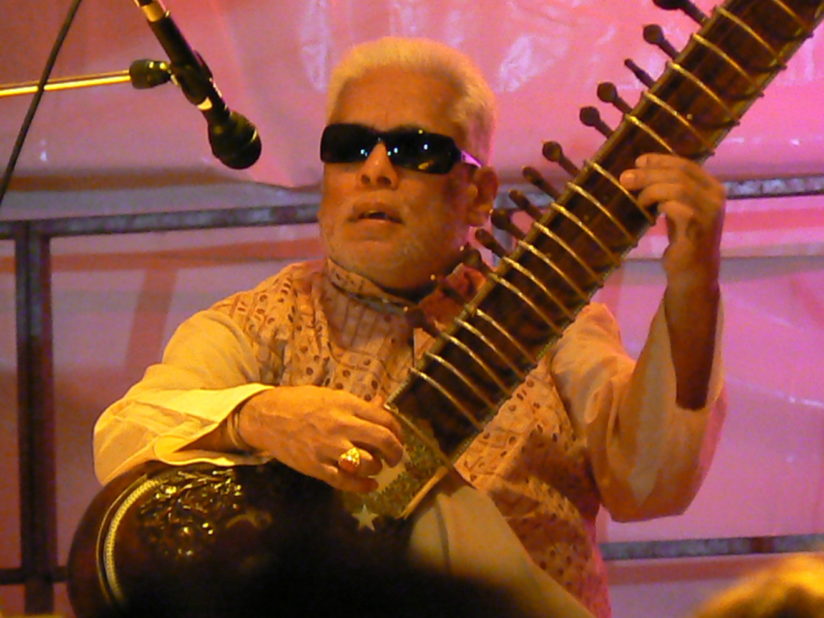
Narendra Bataju Narendra Bataju (died 2018) was a Nepali-born sitar and surbahar virtuoso renowned for his mastery of Hindustani classical music. A disciple of Ravi Shankar, he became an influential cultural bridge between South Asia and Europe through performance and teaching. Key facts Born: Kathmandu, Nepal (year not publicly documented) Died: September 2018, Paris, France Discipline: Hindustani classical (Maihar gharana) Instruments: Sitar, surbahar Based in: Paris since 1972 Early life and training Blind from birth, Bataju began learning sitar at age eight. He pursued formal training for a decade at the Conservatory of Music in Lucknow, India, earning a master’s diploma and two Grand Prizes. His prodigious skill earned recognition from Ravi Shankar, who praised his natural musicality and emotional sensitivity. Career and recordings Settling in Paris in 1972, Bataju performed for the Nepalese royal family and later across European concert halls and festivals, including the Centre Mandapa, the Musée du Quai Branly, and the Festival du Tibet et des Peuples de l’Himalaya. His recordings include Sitar: Râga Kirvani / Surbahar: Râga Gunkali (1975), Les Sitar et Surbahar de Narendra Bataju (1980), and Jog Kauns / Misra Pilu (2006). Collaborations and performances Bataju collaborated internationally, performing alongside the Egyptian oud player Hussein El Masry at Paris’s Cité de la Musique (1996) and appearing at cultural events such as France’s Festival de l’Inde. His cross-cultural work extended to Western artists, including contributions to Symphonie celtique (Tír na nÓg) by Alan Stivell. Legacy Celebrated as a pioneer of Indian classical music in France, Narendra Bataju inspired new generations of European and Nepali musicians through his teaching and emotive performance style. His artistry remains documented in a modest but significant body of recordings and archival radio broadcasts.
Narendra Bataju
Musicians & Instrumentalists
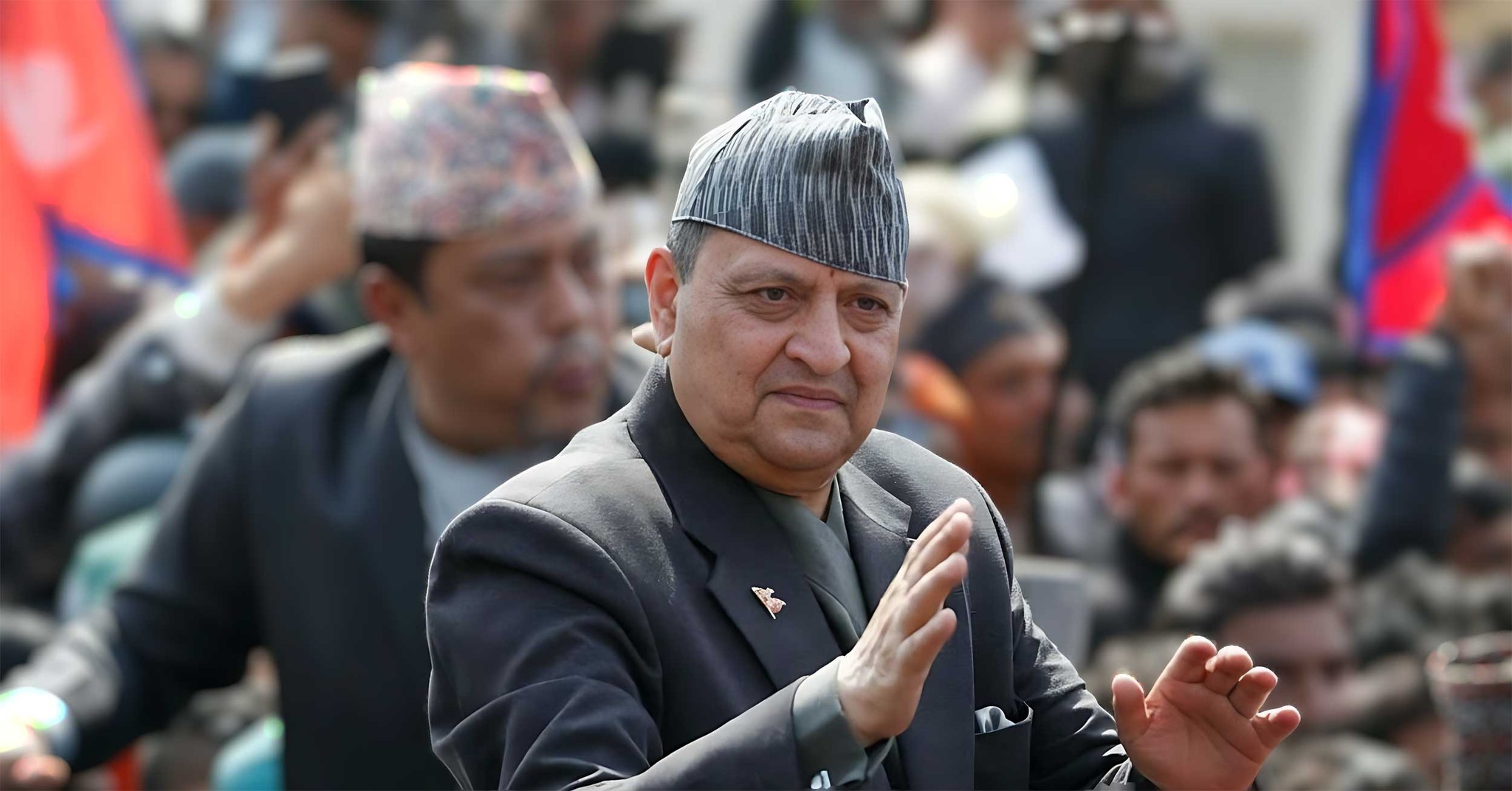
G. Shah is the literary identity of former King Gyanendra Bir Bikram Shah, whose poetic and lyrical works have contributed a distinct voice to Nepali music and literature. Active as a songwriter and poet, his creations reflect deep patriotism, emotional sincerity, and a profound attachment to the Nepali soil. His lyrics have been performed by celebrated singers including Prakash Shrestha, Ananda Karki, Sapana Shree, and Jyoti Shrestha, giving his words a wide musical presence.Among his notable works are songs such as “Bachnu Nai Chha Yadi Bhane” (vocals: Prakash Shrestha), “Pahilo Milanko” (vocals: Ananda Karki), and “Ma Jasto Thiye” (vocals: Sapana Shree). His lyrical compositions are also featured in the album ‘Rajasi’, where Jyoti Shrestha and other respected artists have brought his words to life.In literature, his poetry collection ‘Dui Mutu, Eauta Bato’ stands as a significant publication, released on the occasion of his 76th birthday. Through his songs and poems, G. Shah expresses themes of national pride, cultural identity, and heartfelt human experience, establishing him as a unique creative figure within Nepal’s contemporary literary and musical landscape.
G. Shah
Lyricist, Poet
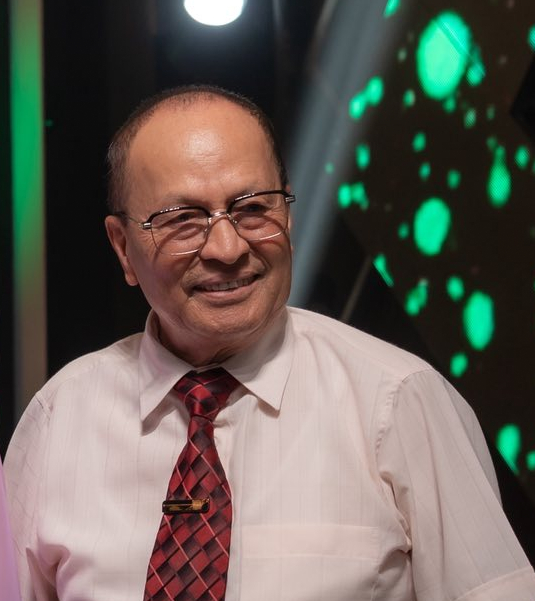
Basanta Shrestha is one of Nepal’s most prolific and influential choreographers, active from the early 1980s to the present, with a career spanning more than 150 films. Known for blending classical Nepali movement with modern cinematic rhythm, he helped define the visual language of Nepali song sequences across multiple eras of filmmaking. His choreography is recognized for precision, expressive storytelling, and the ability to elevate both folk and contemporary compositions. His collaborations with leading actors, directors, and filmmakers reflect his central role in shaping Nepali film dance.
Basanta Shrestha
Dance Choreographer
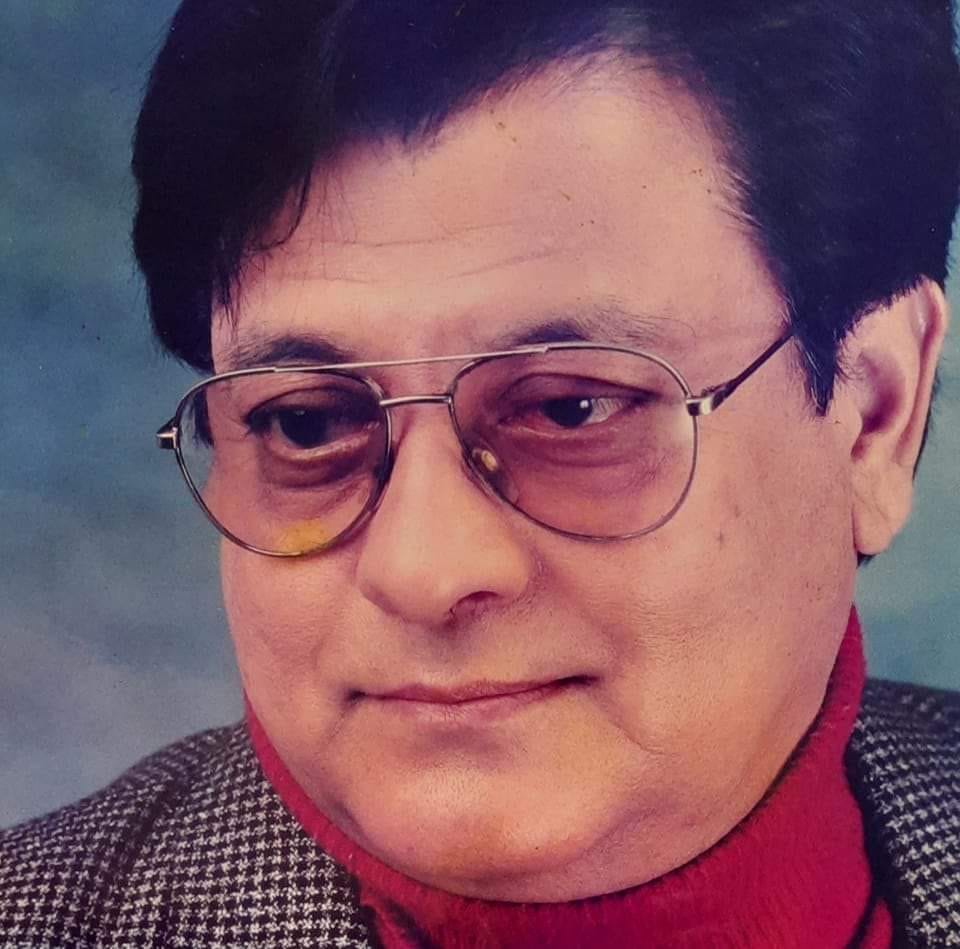
Yogesh Vaidya was a Nepalese singer and musician, often referred to as the Muhammad Rafi of Nepal. He was born in Kathmandu between 1946 and 1947 and passed away on January 18, 2024, at the age of 77. Vaidya was known for his contributions to Nepali and Newari-language music, with popular songs like "Sapana Bhulayee Saara," "Mero Aanshumaa Nahanse," and "Nepal Mero Timilai Upahar Bhayo". He also sang well-known Newari songs such as "Jai Namo Siri Buddha Bhagwan" and "Jimi Yahmah Thaun Jithay Wai". Beyond music, he worked in civil service for 33 years, retiring as a joint secretary in 2005. He held a master’s degree in food and nutrition from Ghent University, Belgium. Vaidya received several prestigious awards, including the Chhinnalata Song Award, the Mahila Geetkar Sangh Lifetime Achievement Award (2016), and the Bindabasini Lifetime Achievement Award (2021)
Yogesh Vaidya
Music Artists, Singer/ Performer
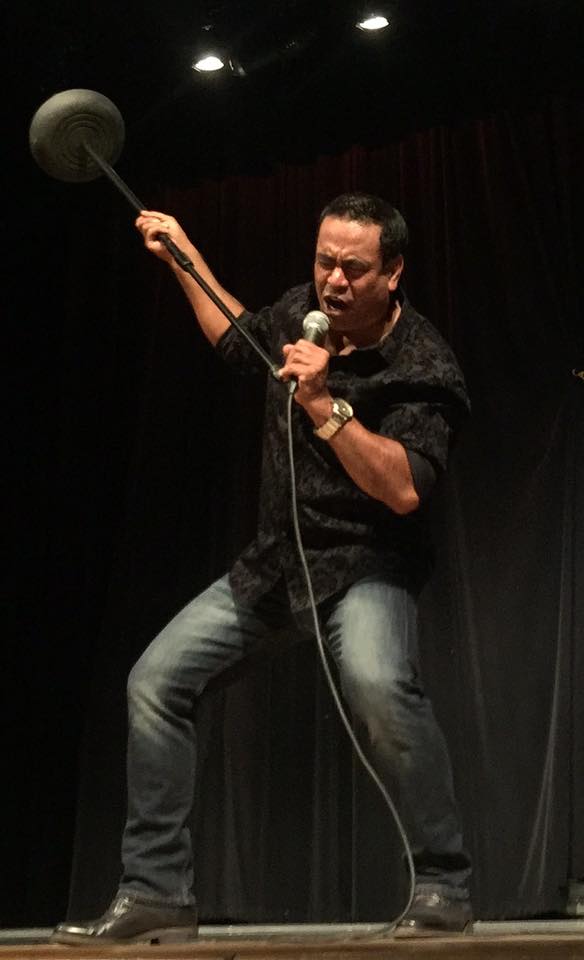
Ratan Subedi is a Nepali singer, comedian, and film actor known for his energetic performances and humorous musical style. Active prominently between 2040–2060 B.S. (1983–2003 A.D.), he appeared in several Nepali films including Aadhi‑Beri, Sapana, Jwala, Apaharan (Ekadeshma), Anartha, Mukundo, Filim, and Nepal Pyaro Cha. Alongside acting, he gained wide popularity as the singer of the hit comedic song “Watti Baler”, which became a staple of stage shows and radio comedy programs. His musical career includes several successful albums, often created in collaboration with Nirmal Raj Paudel, such as Fashion Fashion (7 songs), Maitighar Najau (8 songs), Sansad Dohari – comedy/parody (Gaijatre audio) (7 songs), and Khabardar Hosiyar – comedy/parody (Gaijatre audio) (8 songs). Blending satire, social commentary, and folk humor, Ratan Subedi established himself as a distinctive voice in Nepal’s comedic‑musical tradition and remains a memorable figure in Nepali entertainment
Ratan Subedi
Comedian Artists, Singer/ Performer, Film Artists
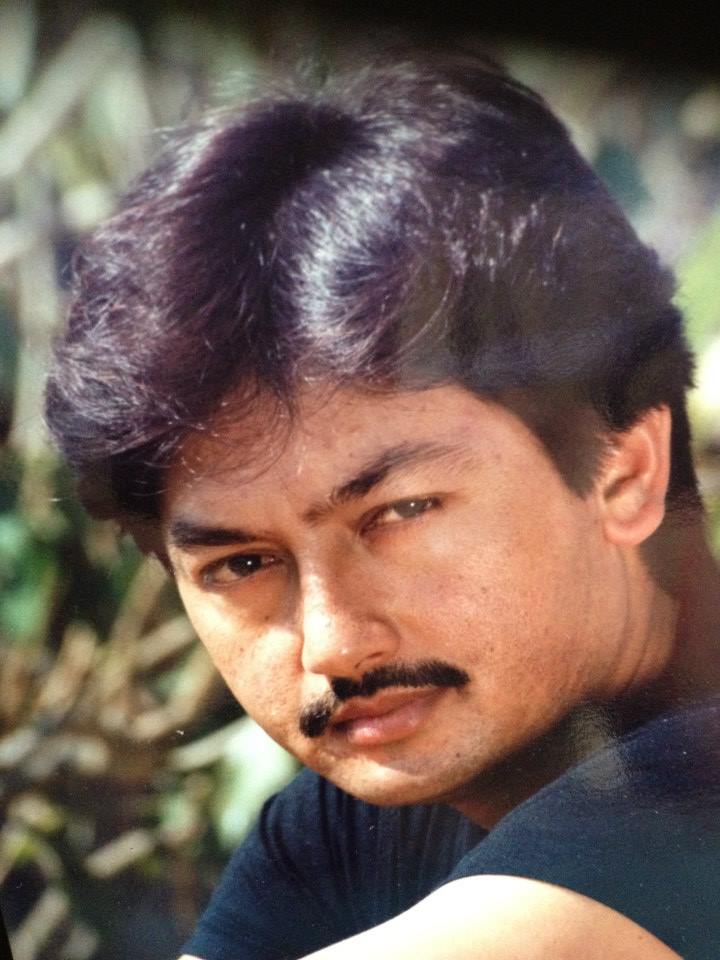
Arjun Jung Shahi is a Nepali film actor known for his work in the early and mid‑modern era of Nepali cinema. Recognized for his calm screen presence and character‑driven performances, he appeared in several notable films across the 2040s and 2050s B.S. His acting career includes roles in Jivan Rekha, Bishwas (2043‑1‑22), Santaan (2044‑8‑14), Shanti‑Dip (2046‑9‑16), Bhumari (2046‑1‑29), Cheli‑Beti (2046‑12‑29), Ghar‑Aangan (2053‑11‑8), and Mohar. Through these films, he contributed to the evolving narrative style of Nepali cinema, portraying family‑centered, emotional, and socially grounded characters. His body of work reflects the transition period of Nepali filmmaking, where traditional storytelling began merging with contemporary themes.
Arjun Jung Shahi
Actor
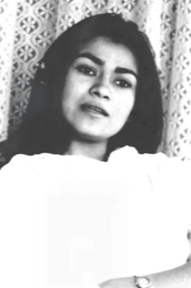
Anshumala Shahi is a Nepali film actress best known for her appearance in the 1989 feature film Pachhis Basanta, the earliest and only verified credit currently documented in Nepali film archives. Her career is listed as active 1989 , though public records show limited available documentation of her later works.
Anshumala Shahi
Actress
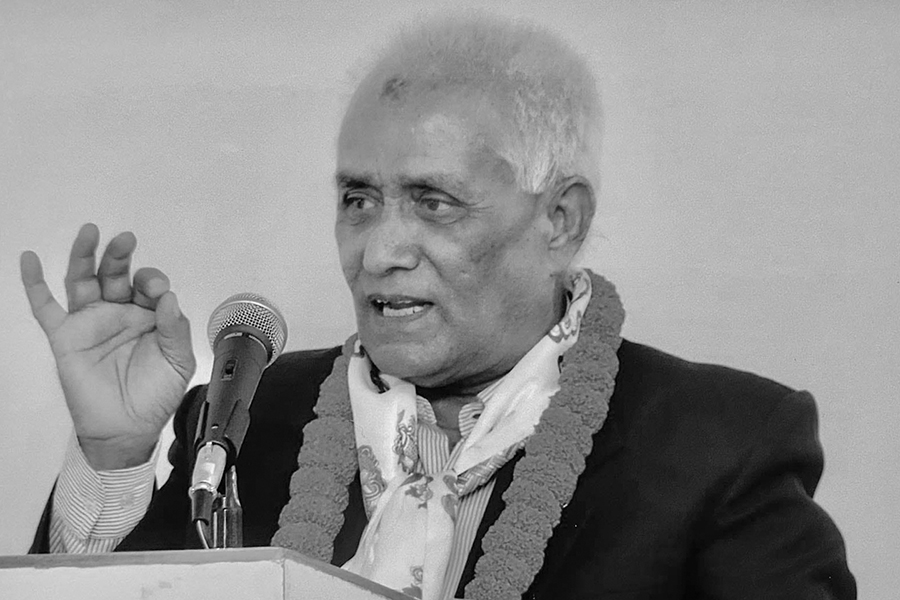
Chetan Karki was a legendary Nepali lyricist, film director, screenwriter, and novelist who made a lasting impact on Nepali cinema and music. Born on November 7, 1938, in Syangja, Nepal, he was one of the first screenwriters in Nepali cinema, writing his debut screenplay for Pariwartan. Over his career, he contributed to more than 100 Nepali films as a writer and director. Career Highlights Chetan Karki was known for his versatile storytelling and lyrical compositions. Some of his notable works include: Films: Bishwas, Pahilo Prem, Bhumari, Maya Priti, Kanchi, Kanyadan Songs: Teejako Rahara Aayo Barilai, Bainiko Dayacha Bhane Publications: He published poetry collections in Nepali, Hindi, and Urdu, along with novels and song collections. Personal Life & Legacy Chetan Karki passed away on May 16, 2021, due to COVID-19 complications at the age of 83. His contributions to Nepali literature, music, and cinema remain influential, and he is remembered as one of Nepal’s most extraordinary talents.
Chetan Karki
Lyricist, writer-author
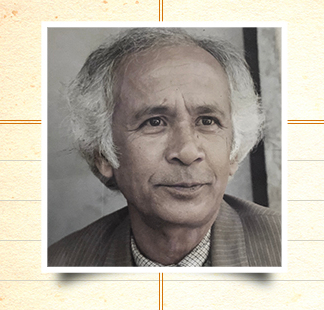
Basu Sashi was a pioneering Nepali poet, playwright, novelist, lyricist, and translator whose creative influence spanned literature, theatre, and cinema. Born on Chaitra 13, 1993 B.S. in Pashupati, Kathmandu, he founded the literary circle Rodi, where he worked alongside Bhupi Sherchan, Krishnabhakta Shrestha, Himanshu Thapa, and Kumar Nepal. Celebrated primarily as a poet, he also excelled in drama, fiction, songwriting, and translation, publishing more than two dozen works in Nepali and Newari. He wrote for the films Maya (2047‑10‑12) and Lobhi‑Papi (2047‑12‑15), the latter being especially associated with his name. He passed away on Chaitra 4, 2049 B.S. at Tata Memorial Hospital in India, and was cremated in Kathmandu the following day.
Basu Sashi
writer-author
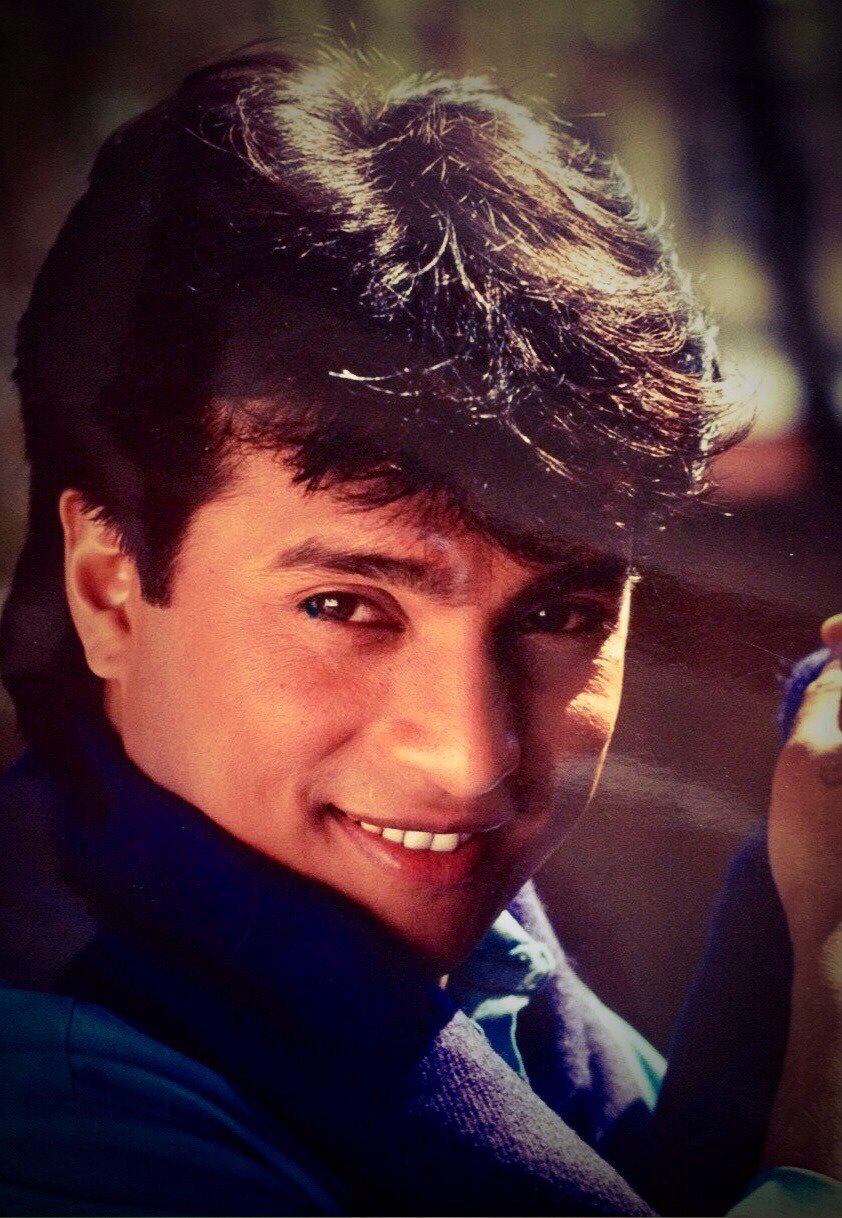
Shree Krishna Shrestha was a legendary Nepali actor and producer known for his contributions to Nepali cinema. Born on December 30, 1967, in Sindhupalchowk, Nepal, he was widely recognized for his acting, dancing skills, and charming screen presence. He was one of the highest-paid actors in Nepali cinema during his career. Career Highlights Shree Krishna Shrestha made his acting debut with Bhumari (1989), which became a box office success. He went on to star in several commercially successful films, including: Maiti (2001) Bar Pipal (2000) Aafno Manche (2001) Gorkhali (2000) A Mero Hajur (2002) Upakar (2000) Sukha Dukha (2002) Hami Tin Bhai (2004) Kaha Bhetiyela (2008) Kohinoor (2014) (his last film) His final film, Kohinoor, was released posthumously and became the highest-grossing Nepali movie at the time. Personal Life & Legacy Shree Krishna Shrestha married Shweta Khadka in July 2014. Shortly after their wedding, he traveled to India, where his health deteriorated. He was diagnosed with pneumonia and bone cancer and passed away on August 10, 2014, at the age of 47. His funeral was attended by thousands of people, and he was given national honors by the Nepal Government.
Shree Krishna Shrestha
Actor
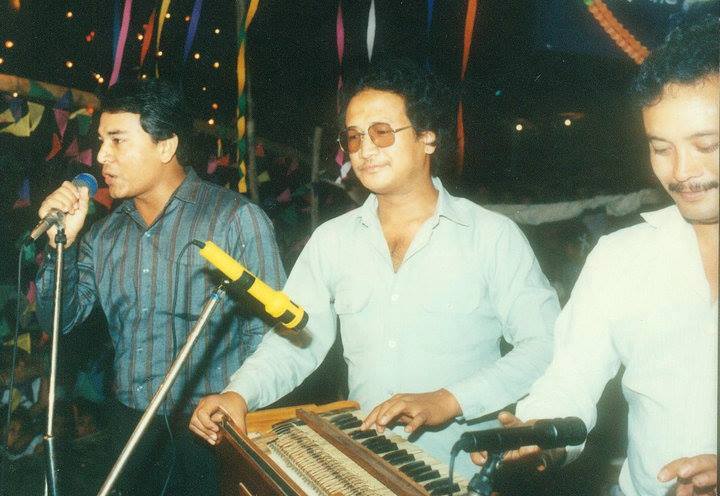
Dibya Khaling (March 28, 1952 (15 Jestha 2009 BS)) is a famous Nepali musician, composer and lyricist. Dibya Khaaling has rendered music for about 1000 songs, including the famous “Mero geet sabai timi laai..” sung by Arun Thapa , Ma Ta Laligurans Bhayechhu, Hey Bir Hinda Aghi Sari, Preyasika Yaadharu, Mayako Aadharma, and Bipana Babhaye Bachidine, and music for plays and films (Nepali film Didi by Pratap Subba). Khaling moved to Nepal from Darjeeling in the 1960s and worked with Radio Nepal. He composed music for singers like Narayan Gopal, Arun Thapa, Gyanu Rana, Mira Rana etc. A book “Dibya Sangeetkaar, Dibya Khaaling” has been written by his friends and family members, such as poet Madhav Prasad Ghimire and musicians Kiran Pradhan and Bulu Mukarung in his memory. He was married to Grace Khaaling. He is survived by three sons (Prajaya, Pradesh, Pratibimba), one daughter (Pratigya), two granddaughters (Divyanah Grace and Aanyata Parisa) and two grandsons (Noah and Deedan Daniel). Dibya was suffering from heart problems and died on 25 June 2006.
Dibya Khaling
Music Artists, Music Director
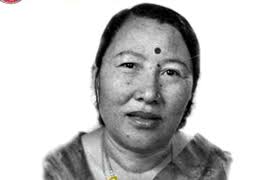
Tara Devi, revered as “The Nightingale of Nepal,” was one of the most influential and beloved voices in Nepali music. Born on 15 January 1945 in Indrachowk, Kathmandu, she began singing at Radio Nepal as a young teenager and soon emerged as the defining female voice of modern Nepali music. Over a career spanning four decades, she recorded more than 4,000 songs, ranging from modern melodies and patriotic anthems to devotional and folk compositions, shaping the emotional and cultural soundscape of an entire nation.Her voice—soft, expressive, and deeply emotive—became synonymous with Nepali identity. Songs like “Phool Ko Thunga,” “Udi Jaun Bhanne,” “Mann Ko Bandh,” “Bhimsen Thapa,” and countless others remain timeless classics, cherished across generations and the global Nepali diaspora. Tara Devi’s artistry elevated Nepali music to new heights, bringing refinement, dignity, and lyrical depth to the modern genre.In recognition of her extraordinary contribution, she received some of Nepal’s highest national honors, including the Jagadamba Shree Award (2050 B.S. / 1993 A.D.), the Indra Rajyalaxmi Pragya Puraskar, the Chhinnalata Puraskar, the Maina Puraskar, and the Nai Sur Samman. She was also decorated with the Prabal Gorkha Dakshin Bahu (First Class), the Mahendra Ratna Abhushan, the Gaddi Arohan Rajat Padak, and the Birendra Aishwarya Sewa Padak, along with numerous other national and international recognitions.Despite personal tragedies later in life, Tara Devi continued to embody grace, devotion, and artistic integrity. She passed away on 23 January 2006, leaving behind a monumental legacy that continues to inspire singers, musicians, and music lovers across the world. Her voice remains a cultural treasure—an enduring symbol of Nepal’s musical soul.
Tara Devi
Music Artists, Singer/ Performer
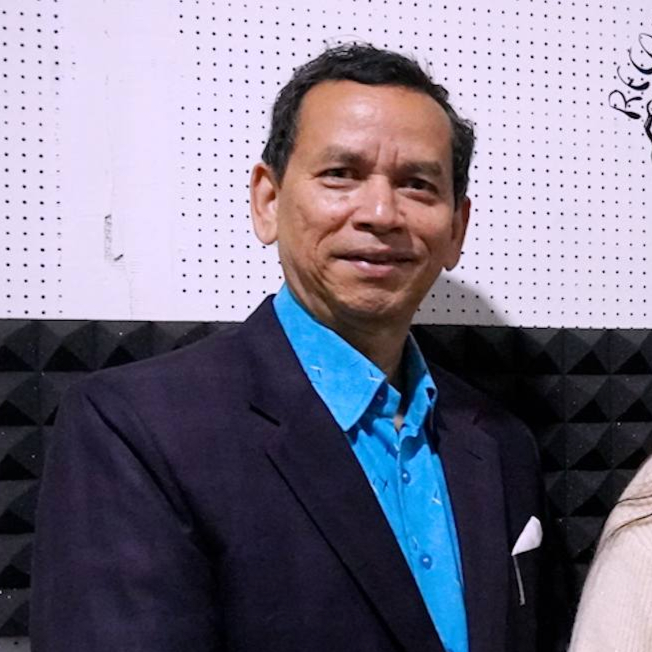
Bhupendra Rayamajhi is a renowned Nepali musician, music director, arranger, and lyricist with over 30 years of experience in the music industry. His passion for music began in childhood and turned professional when he joined Radio Nepal as a guitarist in 1983, later becoming a music arranger in 1990. He earned his Bachelor’s degree in Music from Prayag Samiti, Allahabad, India. In 1998, he was appointed Chief of the Music Department at Radio Nepal, where he played a vital role in nurturing and uplifting Nepali music. He retired from Radio Nepal in 2018 and continues to create heartfelt music that connects with audiences worldwide.
Bhupendra Rayamajhi
Music Artists, Music Director, Music Arranger
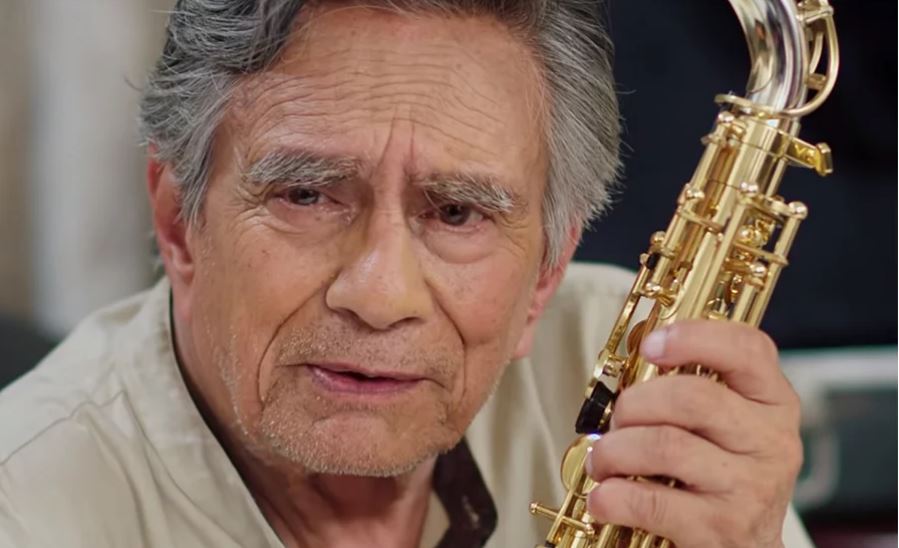
B.S. Rana is a veteran Nepali actor celebrated for his commanding presence and memorable character roles across several decades of Nepali cinema. Known for his natural performance style and disciplined craft, he has appeared in many acclaimed films, contributing depth to social dramas, family stories, and commercial hits alike. Rana’s work in classics such as Basudev, Prem Pinda, Chino, Dakshina, Kanyadan, Muna Madan, and Dharma Sankat helped establish him as one of the industry’s most reliable senior actors. His enduring career reflects a rare combination of versatility, professionalism, and a deep commitment to Nepali storytelling.
BS Rana
Actor, Film Artists
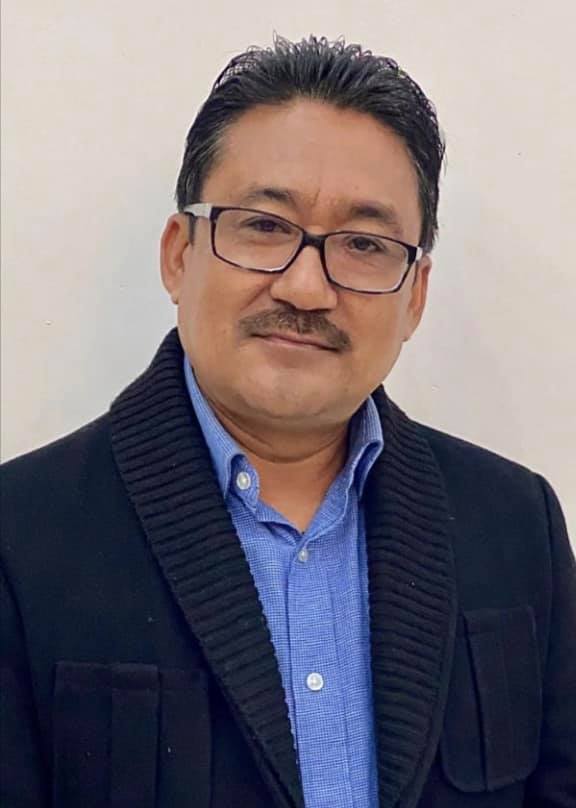
Sunil Maskey is a revered Nepali music director, flutist, and composer, born on March 24, 1967 in Gorkha, Nepal. He began playing the flute in grade 7 and is entirely self-taught. His musical journey took off in the 1980s, and he formally entered the industry around 1988. Maskey’s signature lies in his soulful flute melodies and emotionally resonant compositions. After a 13-year hiatus to pursue business, he made a powerful comeback in 2010 with the song “Sunibha”. Over the years, he has released multiple solo albums like “Shubh”, “Madhur Milan”, and “Shravani”, each showcasing his unique musical identity.
Sunil Maskey
Music Artists, Music Director
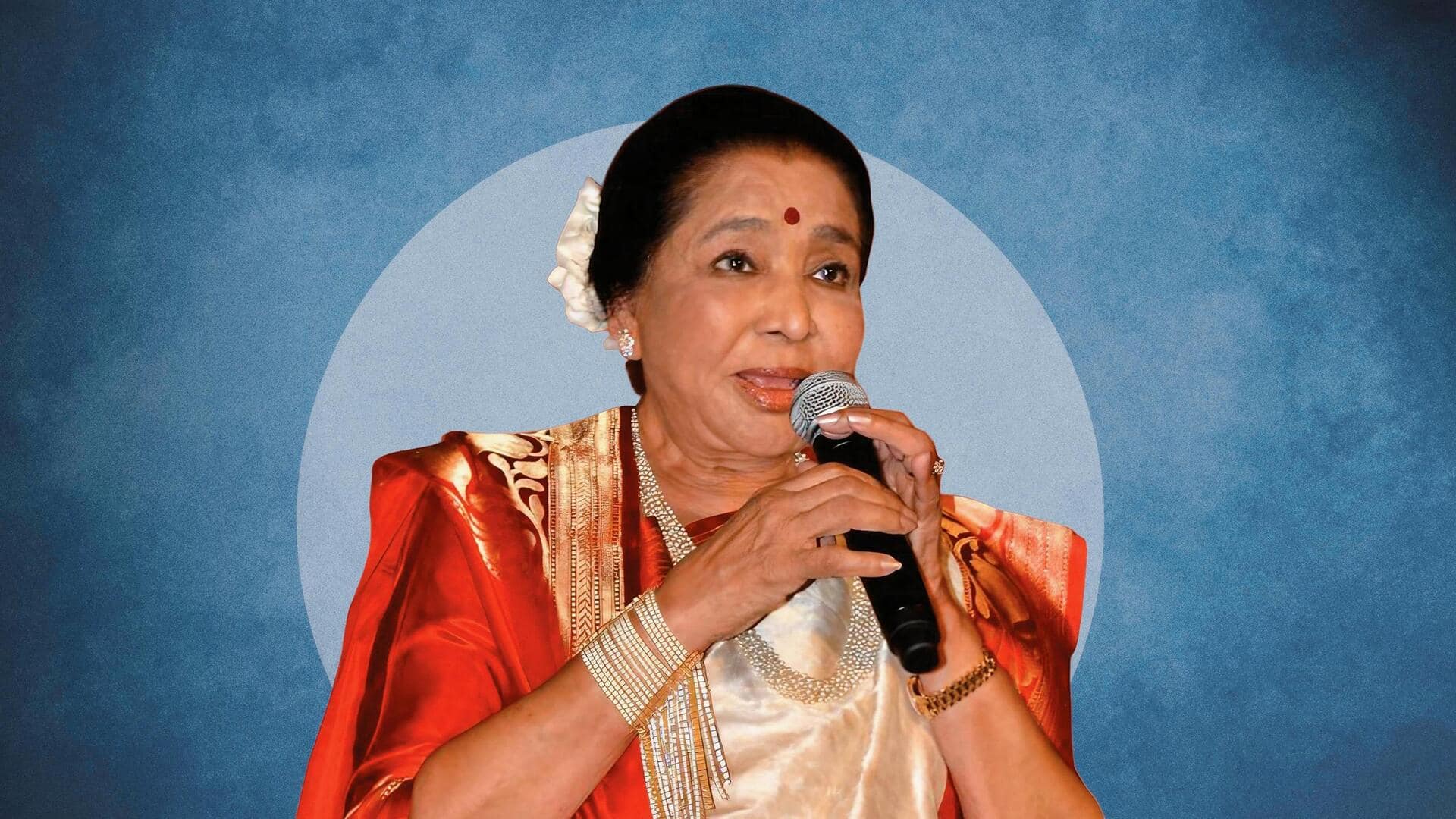
Asha Bhosle (born 8 September 1933) is one of South Asia’s most celebrated playback singers, renowned for her versatility across filmi, classical, ghazal, folk, and pop genres. Her connection to Nepal is rooted in her collaborations with legendary Nepali composer Ranjit Gazmer (Kancha Da), through whom she recorded several Nepali film songs. Her most iconic Nepali hits include “Mohani Lagla Hai” and “To Bachunjeli Lai” from the film Badalindo Aakash (1982), songs that remain evergreen in Nepal. With a Guinness World Record for most studio recordings and honors like the Dadasaheb Phalke Award and Padma Vibhushan, she holds a revered place in Nepali musical memory.
Asha Bhosle
Playback Singer

Ugen Chhopel (also credited as Ugyen Chopel) is a Nepali film director and screenwriter best known for shaping the emotional, character‑driven style of late‑1980s and 1990s Nepali cinema. He made a landmark debut with the classic Saino (1988), a film that became a cultural milestone and later inspired the Hindi TV series Ajnabi. Chhopel continued his directorial journey with Bandhu (1992), Trishna (1991), Nepali Babu (1999), and the acclaimed fantasy‑drama Badal Paree (2001). His work spans Nepali and Indian productions, marked by emotional depth, strong performances, and cross‑cultural storytelling. Chhopel is also the nephew of actor Danny Denzongpa, linking him to a prominent artistic lineage.
Ugen Chhopel
Film Director
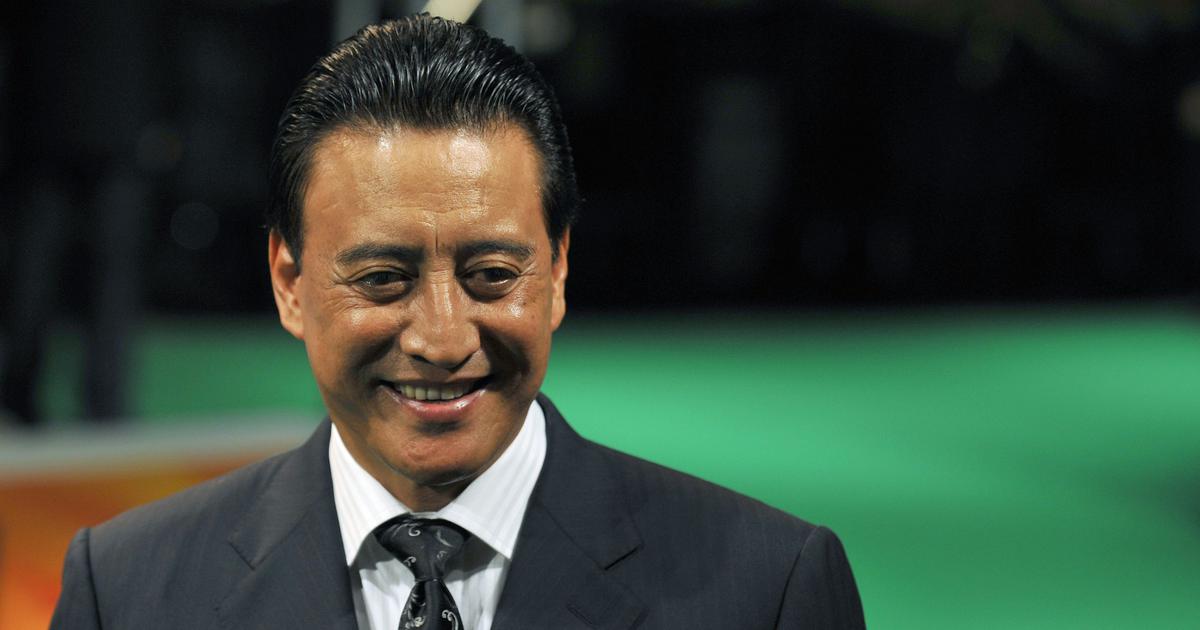
Danny Denzongpa is a legendary Nepali‑origin Indian actor, singer, and filmmaker whose career spans more than five decades, with over 190 films since his debut in 1971.. Born in Yuksom, Sikkim, he rose to prominence in Hindi films through memorable roles in Khuda Gawah, Agneepath, Ghatak, Hum, Andhi Gali, and many others, becoming one of the most respected character actors of his generation. As a singer, he recorded several Nepali hits, including the evergreen “Musu Musu Hasi Deu”,Rato Rani Phulejhai and “Chiso Chiso Hawama”, which remain beloved across Nepal. Danny also acted in the Nepali film Saino, a classic of Nepali cinema.
Danny Denzongpa
Actor, Singer/ Performer

Om Bikram Bista (ॐ विक्रम विष्ट) is a pioneering Nepali musician, singer, and composer widely celebrated as Nepal’s “King of Pop.” Emerging in the 1970s and rising to national fame through his modern, youth‑oriented sound, he helped introduce Western‑influenced pop music to Nepal’s mainstream. His energetic vocals, melodic compositions, and charismatic stage presence made him one of the most influential figures in Nepali contemporary music. With a career spanning decades, Bista’s songs remain timeless, and his contribution continues to shape the identity and evolution of Nepali pop culture.
Om Bikram Bista
Pop Artist, Singer/ Performer
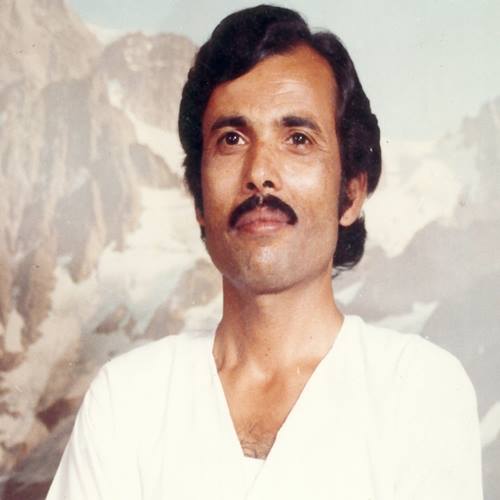
Bhakta Raj Acharya commonly referred to as Bhajan Shiromani, is a Nepali singer and music-composer. He is one of the best known singer of Nepal. He was born in Dhankuta ,Nepal and raised in Kalimpong, India. He moved to Nepal in 1970’s during the flock on Darjeeling singers to Nepal. Bhakta Raj Acharya has very beautiful Hymns or Bhajans sung in Nepali language and is entitled as the Bhajan Shiromani of Nepal. Acharya’s career started in 2030 B.S after he won a gold medal in an All Nepal Song Competition . His career spanned until 2046 B.S. He has about 450 recorded songs and has composed about 25-30 songs. Now his sons, Satya Raj Acharya and Sworup Raj Acharya have followed their father’s footsteps with them and have established themselves as promising singers are geared up to bring the real-life story of their father into reel-life.
Bhakta Raj Acharya
Music Artists, Music Director, Singer/ Performer
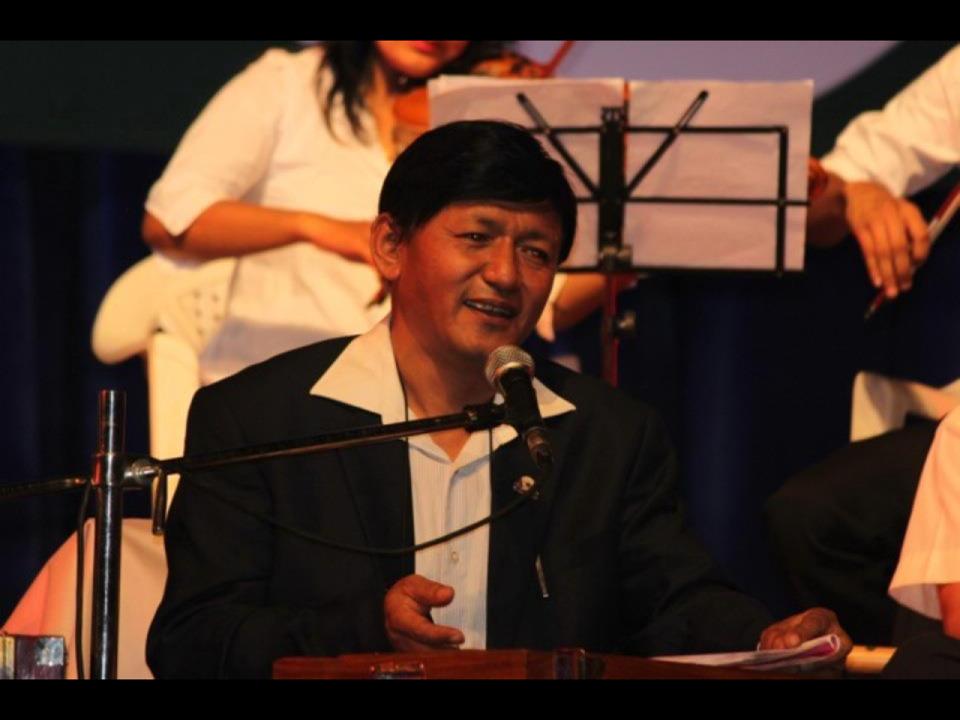
Kiran Pradhan is a renowned Nepali singer celebrated for his soulful voice and contributions to Nepali music. His career has been marked by his ability to evoke deep emotions through his performances, making him a cherished figure in the Nepali music scene. He has collaborated with legendary composers like Gopal Yonjan, which has further enriched his musical journey. Here are some of his most popular songs: Lakhaun Aankha Bhool Ho Tero Ke Soche Maile Timro Tyo Muskan Aankha Bhari Mero Manma Jindagi Ko Yatra Samjhana Ko Gaanth Timi Nai Hau Mero Sapana These songs showcase his versatility and the depth of his artistry.
Kiran Pradhan
Singer/ Performer
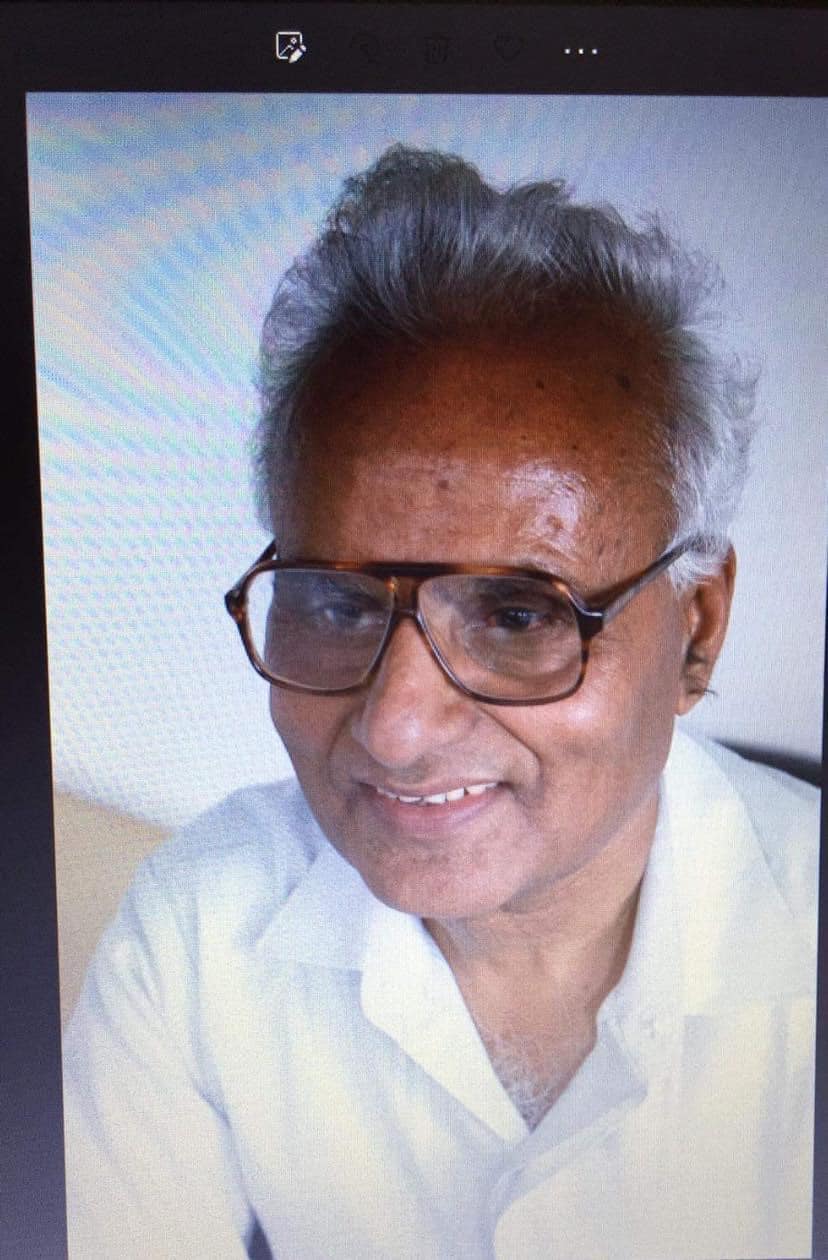
Kali Prasad Rijal is a celebrated Nepali lyricist and poet. His works are deeply admired for their poetic essence and emotional depth. Some of his classic songs, such as Kehi Mitho Baat Gara, Aankha Chopi Narou Bhani, and Jhareko Paat Jhai, were performed and composed by the legendary Narayan Gopal. Recently, Rijal collaborated with musician Aavaas for the Paleti music series, where Aavaas presented compositions and vocals for Rijal's new lyrics. Additionally, Rijal launched his new book, Kehi Mitho Baat Gara, which features 20 poems and 68 songs, along with staff notations for 10 of his songs to assist musicians. Rijal's contributions to Nepali music and literature have earned him numerous accolades, including awards from the Nepal Academy. His work continues to inspire and resonate with audiences across generations.
Kali Prasad Rijal
Lyricist, writer-author
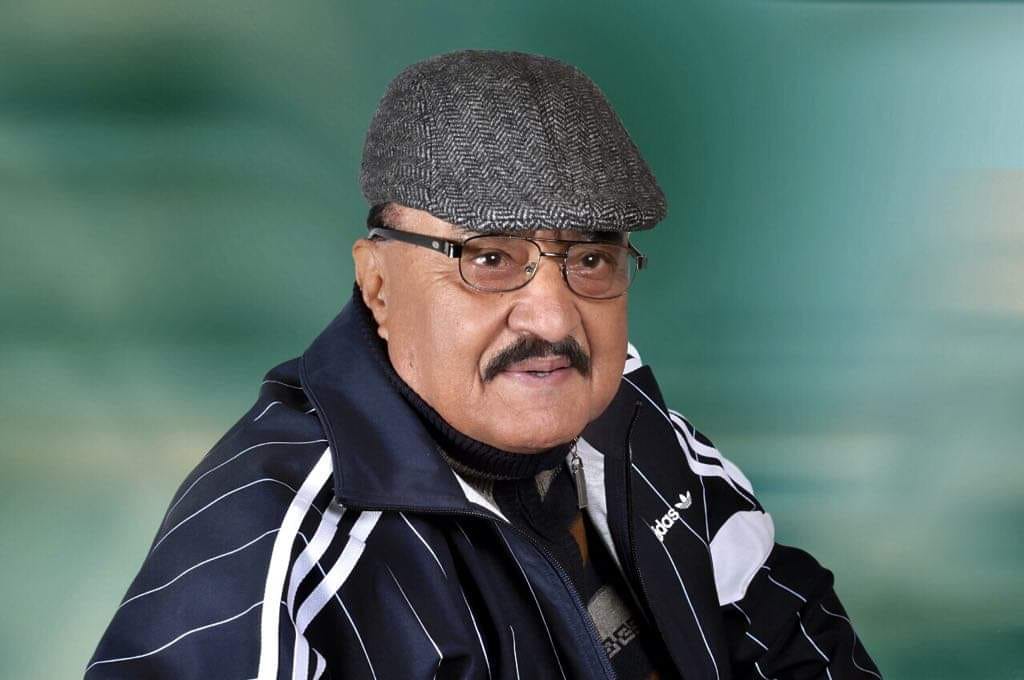
Mukunda Kishor Bhattarai is a veteran Nepali film artist known for his multi‑disciplinary contributions as an actor, writer, screenplay/dialogue creator, and story writer, active since 1989. His work spans some of the most influential films of the 1990s, especially Bhariya, Anartha, and Daju Bhai. As Actor Tilahari (1989) Kanyadan (1990) Pariwar (1991) Deuki (1993) Daju Bhai (1995) Anartha (1996) Bhariya (1996) Pachheuri (1997) Gham Chaya (1998) Timi Nai Baseu Mero Manma (2000) Ko Hola Mero Mayalu (2008) Mero Manko Sathi (2013) Timro Kasam (2013) Euta Mancheko Maya (2014)
Mukunda Kishor Bhattarai
Music Artists, Film Artists
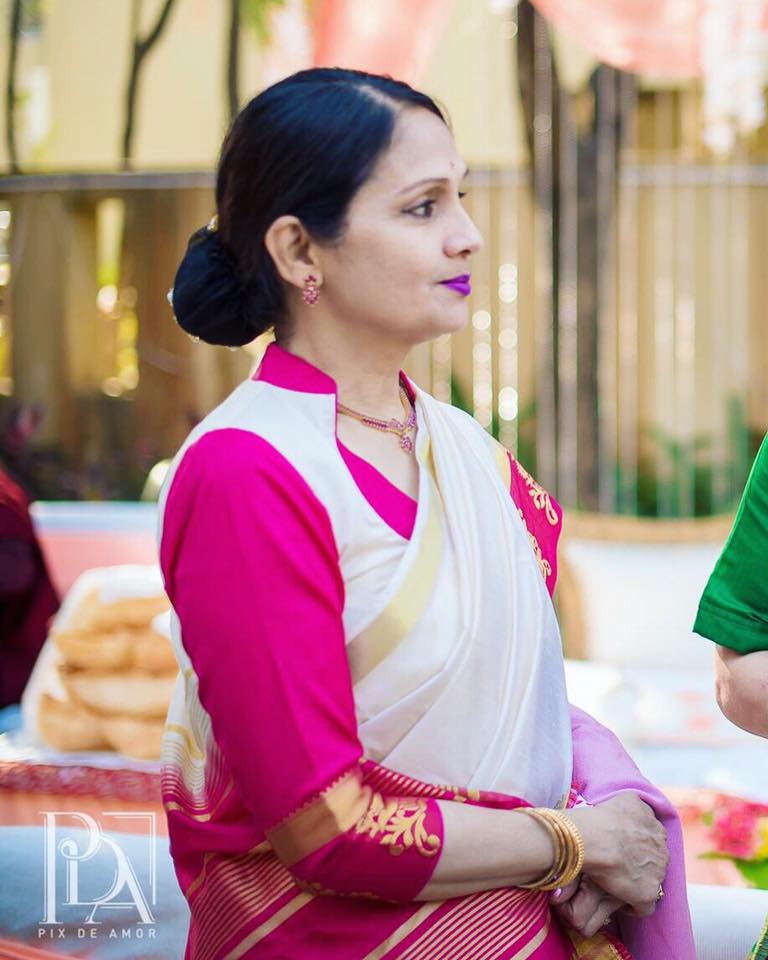
Nutan Pradhan is a versatile Nepali film writer, screenwriter, story writer, actress, lyricist, producer, and playback singer active since the late 1980s. She has contributed to some of Nepali cinema’s most memorable films, including Behuli, Sworga, Saraswati, Sorah Barshe Jowan, Nepal Pyaro Chha, and Rang Baijani. Known for her emotional storytelling and strong character-driven narratives, she has written dialogue, screenplay, and lyrics across multiple genres. Nutan also acted in Saraswati alongside Shiva Shrestha and Gauri Malla, and performed playback vocals in Sworga. Her multi‑disciplinary work has made her one of the most influential women creatives of her era.
Nutan Pradhan
Screenwriter/Script Writer, Film Maker/ Producer, Film Artists

Chaitya Devi is a pioneering figure in Nepalese cinema, celebrated for her remarkable contributions to the industry. She rose to fame with her role in Aama (1964), the first Nepali film, and further solidified her legacy by starring in Kumari (1977), Nepal's first color film. Her exceptional talent has left a lasting impact on Nepali film history. Beyond her acting achievements, Chaitya Devi pursued academic excellence, earning an MA in Stage and Film Acting from a university in Moscow. Her dedication to her craft has inspired countless artists, and she remains an iconic figure in the world of Nepali entertainment.
Chaitya Devi
Actress
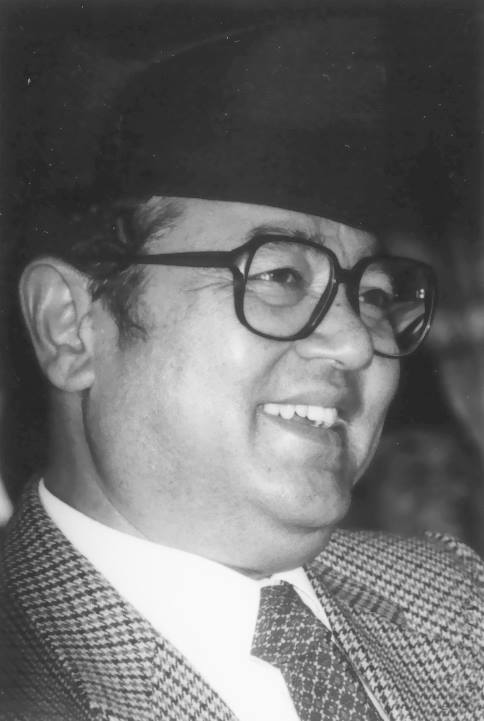
Bachchu Kailash is a celebrated Nepali singer, composer, and lyricist known for shaping the golden era of modern Nepali music. Rising to prominence in the 1960s and 70s, he introduced a poetic, introspective style that blended classical nuance with contemporary melody. His timeless songs like Timi Nai Hau, Jati Chot Dinchhau, Timro Tyo Hasilo Ankhama, and Mero Pyaro Okhaldhunga remain cultural landmarks. Revered for his soft vocal texture, literary depth, and emotional clarity, Bachchu Kailash is remembered as one of Nepal’s most original and influential musical creators, leaving a legacy that continues to inspire generations.
Bachchu Kailash
Music Artists, Singer/ Performer
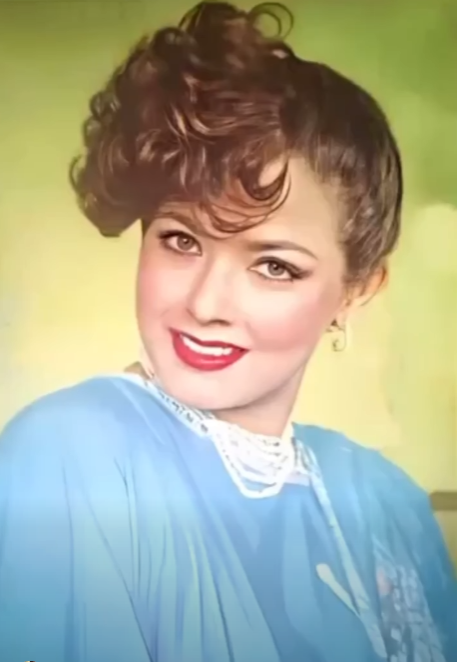
Sushma Shahi is a talented actress known for her roles in various Nepali films. She has appeared in notable films such as Bhabhi Dian Choorian (1986), Man ko bandh (1973), and Manila Ki Bijlian (1987). Her performances have garnered attention and appreciation, making her a prominent figure in the Nepali film industry. For those interested in exploring her work further, there are numerous videos and biographical insights available online, providing a comprehensive look at her career and contributions to cinema.
Sushma Shahi
Actress

Bhim Tuladhar is a Nepali pop and contemporary music artist best known for starting his career with Nepal’s early pop band The Influence in 2043 B.S. He gained recognition in the 2040s as a stylish pop singer, known for his long hair, signature look, and energetic stage performances. Tuladhar later built a solo career, releasing multiple albums including Mayalulai, Sapny, Samjhina, and Antaral, and performing widely across Nepal. He is also associated with Buddhist devotional music, with popular releases such as Gyanmala Bhajan Vol. 1 & 2, which have accumulated hundreds of thousands of views. Honored for his contribution to Nepali pop music, Tuladhar continues to perform and remains active in connecting with new audiences.
Bhim Tuladhar
Singer/ Performer
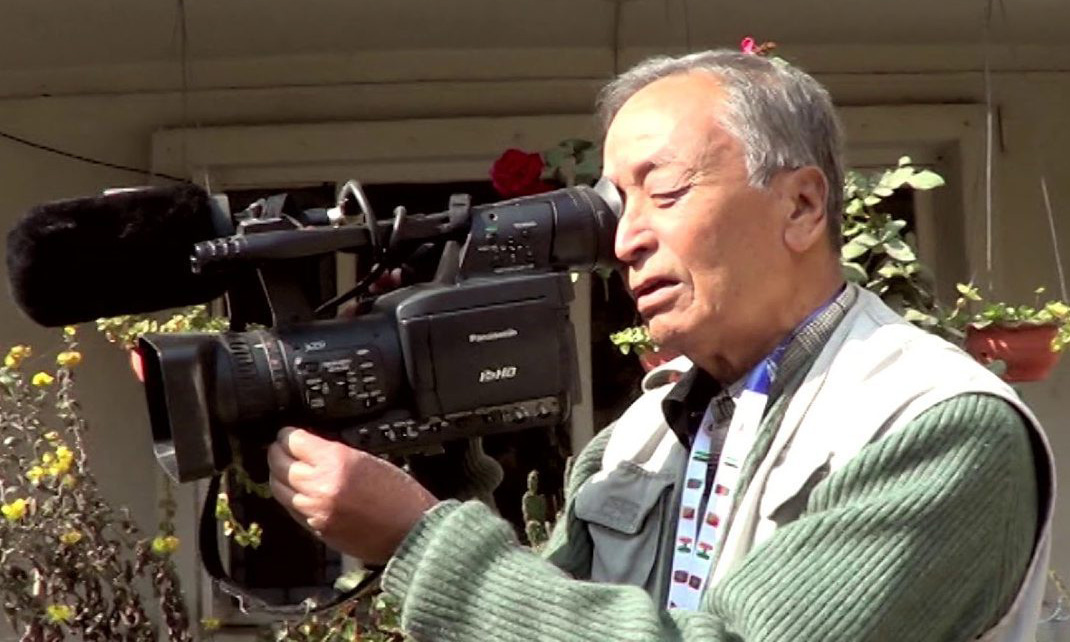
Baikuntha Man Maskey is honored as the first cinematographer of Nepali cinema, a pioneering figure who helped shape the visual foundation of early Nepali films. He earned a Diploma in Cinematography from the Film and Television Institute in Pune, India, in the 1960s, and began his career as the chief cinematographer for “Manko Baadh.” Maskey went on to shoot numerous films, including “Parivartan” and “Hijo Aaja Bholi,” along with extensive work in documentaries and television. He passed away at the age of 83, leaving behind a lasting technical and artistic legacy.
Baikuntha Man Maskey
Cinematographer
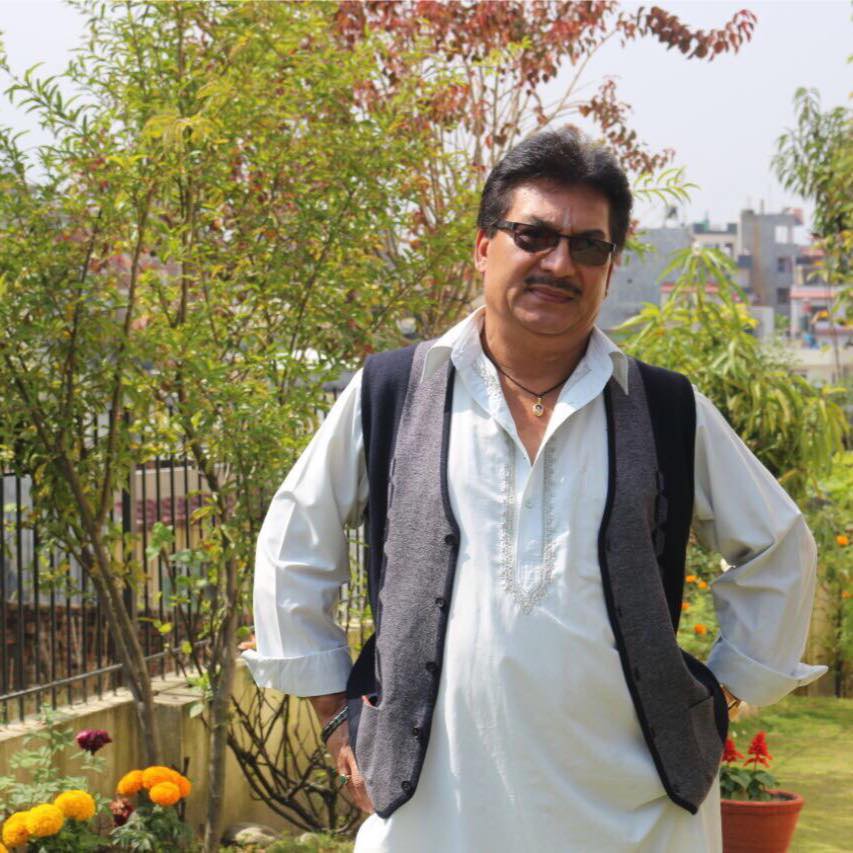
Puran Joshi is a Nepali actor, director, and producer known for his steady contribution to contemporary Nepali cinema and television. Active across multiple creative roles, he has built a reputation for thoughtful storytelling, disciplined craft, and a strong command of both performance and direction. Joshi has worked on a range of projects—from feature films to TV serials—often focusing on socially grounded narratives and character‑driven drama. His involvement in production further highlights his commitment to strengthening Nepal’s film ecosystem, making him a versatile and respected figure in the industry.
Puran Joshi
Actor, Film Maker/ Producer, Film Artists
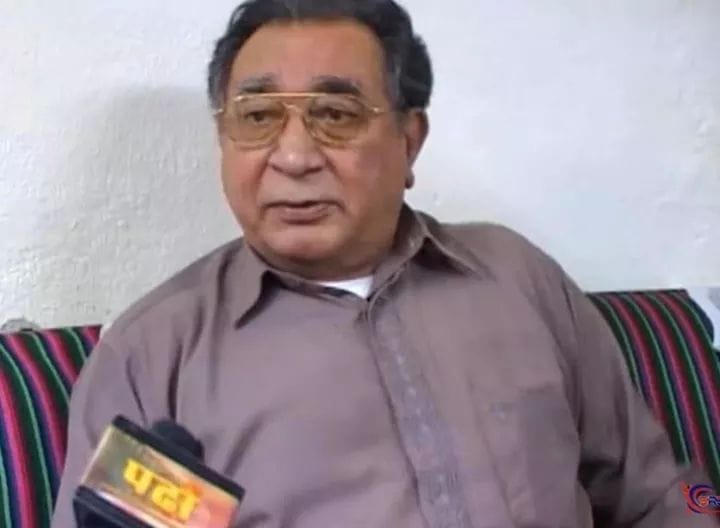
Jayananda Chand Thakuri was a prolific Nepali film actor known for his powerful screen presence and memorable roles across more than 100 films. Active from the early commercial era of Nepali cinema, he became a familiar face in action, patriotic, and social‑drama films, earning respect for his discipline, versatility, and long‑term contribution to the industry. Thakuri worked with leading directors and stars for decades, helping shape mainstream Nepali cinema. He passed away on May 31, 2020, leaving behind a respected legacy as one of Nepal’s most dedicated character actors. Selected Filmography (Representative List) Bishwas Jeevan Rekha Papi Manchhe Badal Bhai Tika Aama (later‑era remake involvement) Jali Rumal Kasam Bhai Mukti Jindagani Pahilo Prem (Note: His filmography spans over 100 titles; this list highlights widely recognized works.)
Jayananda Chand Thakuri
Character Artists, Film Artists
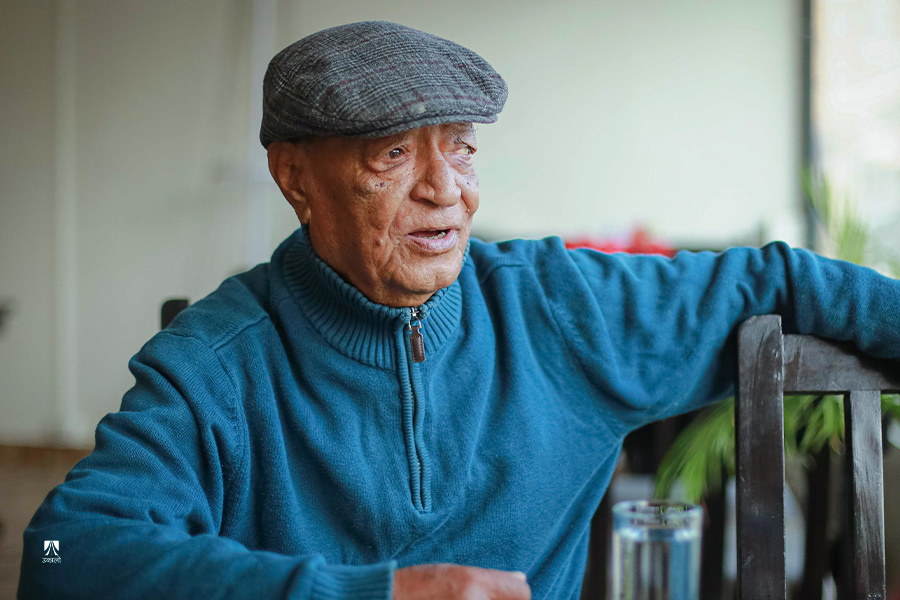
Prem Bahadur Basnet is a Nepali film director known for his contribution to the early development of Nepali cinema and for directing the culturally important film Kumari.After completing his B.Ed., Basnet received scholarships to study abroad, including one from a university in Hawaii, USA, and another to study scriptwriting at the Film and Television Institute of India in Pune, India. While many students at the time were going to the United States for higher education, Basnet chose to pursue film studies in Pune because of his strong interest in cinema.He studied there for two years, going to Pune in 1962 and returning to Nepal in 1964. After returning, he worked at Nepal’s Information Department, where he became involved in cultural and media-related activities.Having studied filmmaking, Basnet was more interested in creating original and artistic films rather than purely commercial cinema. During this period, when Nepal was invited to represent the country in international film festivals, he decided to make a film based on the living goddess Kumari tradition of the Newar community in Kathmandu.This idea eventually led to the creation of Kumari, which became an important cultural film portraying Nepal’s traditions and social life. Through his work, Prem Bahadur Basnet helped introduce culturally rooted and artistic storytelling to Nepali cinema.
Prem Bahadur Basnet
Film Director, Film Maker/ Producer
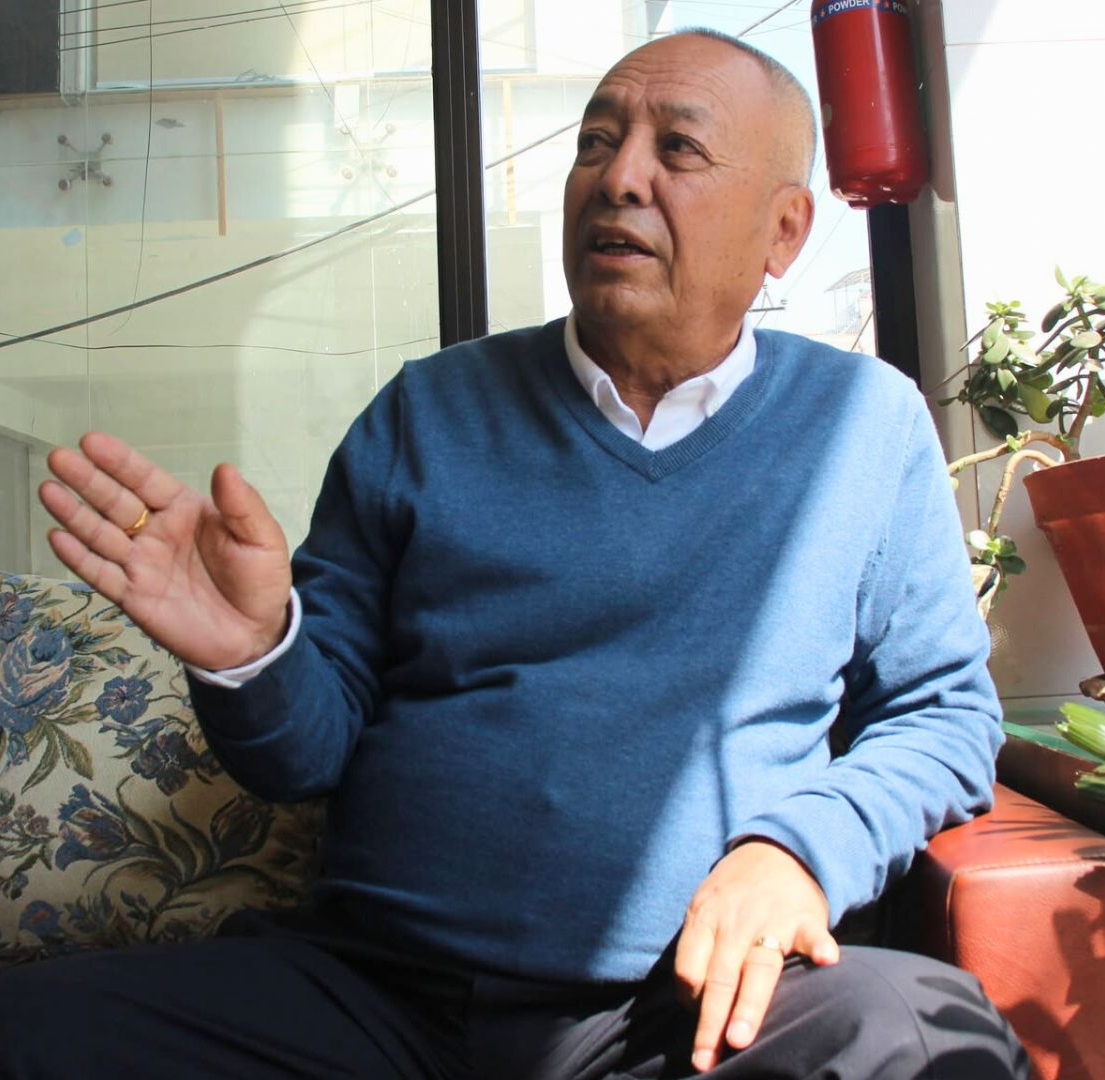
Manju Kumar Shrestha is a Nepali cinematographer who played an important role in the early technical development of Nepal’s film industry. In 2029 B.S., he joined the Royal Nepal Film Corporation (then known as Shahi Nepali Chalchitra Sansthan).In 2030 B.S., he worked as a film photographer for the corporation’s first production, Man Ko Bandh. At that time, most technical experts in Nepali filmmaking—such as directors, cameramen, and lighting technicians—had to be brought from India due to the lack of local professionals.During the shooting of Man Ko Bandh, the Indian cinematographer fell ill, and Shrestha stepped in to operate the camera himself. Although he carried out much of the filming, he was credited only as an assistant cameraman when the film was released. This experience marked the beginning of his career as a cinematographer.He later went on to shoot many Nepali films, including Kumari, recognized as Nepal’s first color film, and Jeevan Rekha. Over the course of his career, Manju Kumar Shrestha has worked as a cinematographer on more than 70 films, making a significant contribution to the growth and technical progress of Nepali cinema.
Manju Kumar Shrestha
Cinematographer
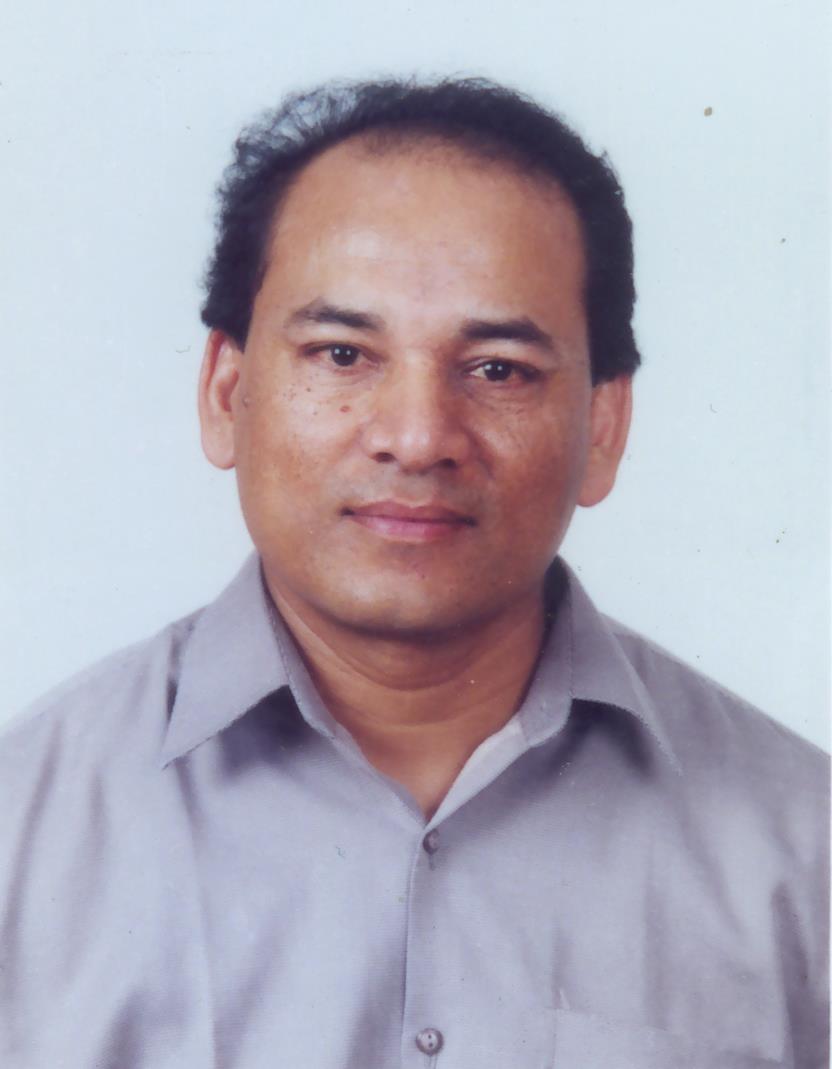
Prakash Shrestha (born January 28 in Birgunj) is one of Nepal’s most enduring and beloved singers, known for his velvety voice and evergreen romantic melodies. Since beginning his musical journey in 1973 (2030 B.S.), he has recorded over 1,000 songs, released 12 albums in cassette and an equal number in CD format, and performed in more than 500 national and international concerts. A versatile playback singer, he has contributed vocals to over 150 Nepali films. Shrestha holds a Bachelor’s in Commerce from Thakur Ram College and a Sangeet Prabhakar diploma from Allahabad University. Before music, he excelled in sports, particularly table tennis, cricket, and football. Over his decades‑long career, he has earned deep admiration for his artistry, humility, and gentlemanly presence. His global performances span Asia, Europe, Australia, and the Middle East, making him a distinguished cultural ambassador of Nepali music.
Prakash Shrestha
Playback Singer

Karma Yonjan is a respected figure in Nepali Adhunik (modern) music, known for his lyrical depth and evocative compositions. Originally from Darjeeling, he gained recognition through his performances in the Paleti music series, where his collaborations with artists like Kumar Subba and Daisy Baraili stood out for their emotional resonance and poetic storytelling. Some of his most beloved works include: “Kati Bujhaaun” — a poignant reflection on emotional endurance, written and composed by Yonjan himself. “Samjhera Bujhera” — a duet with Dil Maya Khati that showcases his melodic sensitivity. “Mechiko Wari Basera” — a nostalgic piece performed with Kumar Subba.
Karma Yonjan
Music Artists, Singer/ Performer
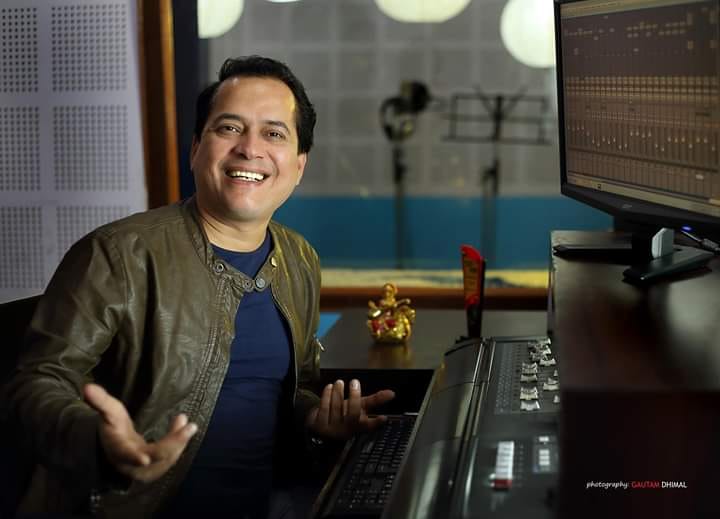
Laxman Shesh (also known as Laxman Bindari, born 18 August 1972, Hetauda) is a renowned Nepali music composer, music director, lyricist, and playback singer with a career spanning from 1988 to the present. Recognized officially as a “Renowned Class Music Composer/Music Director” by the Nepal Academy of Music and Drama under the Government of Nepal, he has become one of the key figures in modern Nepali film music.He has worked in more than 60 Nepali feature films, contributing as music director, lyricist, playback singer, and background‑score composer. His filmography includes titles such as Muna Madan, Mayako Saino, Timi Bina, Timro Maya 99 Mero Maya 100, Naya Nepal, Kina Lagchha Maya, Ko Hu Ma, Basanta Ritu, Nagarik, and Je Sukai Hos, among many others.Beyond composing, Shesh has been deeply involved in music and film policy and rights work: he has served on the Piracy Control Committee of the Nepal Film Development Board, the Film Censor Board, the Music Royalty Collection Society, and several government committees on copyright and intellectual property policy.
Laxman Shesh
Music Director
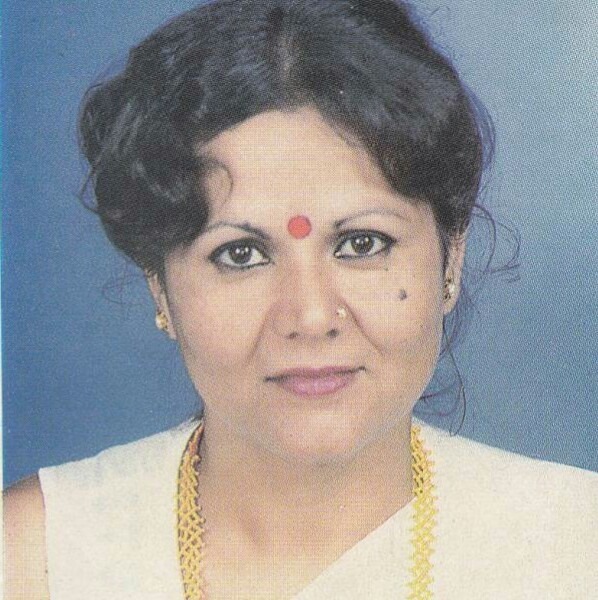
Gyanu Rana is a celebrated Nepali singer known for her contributions to modern and folk music. Born on October 3, 1949, in Batulechaur, Pokhara, Nepal, she grew up in a musically rich environment. Her father, Dharmaraj Thapa, was a renowned poet and folk singer, and her mother, Savitri Thapa, was a cultural promoter. Gyanu Rana's upbringing deeply influenced her musical journey. She has recorded over 2,000 songs in various languages, including Nepali, Hindi, Urdu, Bhojpuri, Maithili, and Newari. Her repertoire spans modern, classical, folk songs, bhajans, and ghazals. Some of her most iconic songs include "Siri Ma Siri Ni Kanchha" and "Manchhe Ko Maya Yaha," which she performed with the legendary Narayan Gopal. Gyanu Rana has also been a judge in national music competitions and has represented Nepal in international cultural festivals. Her career includes contributions to more than ten Nepali films as a playback singer. She retired as an Assistant Director of Music from the Royal Nepal Academy in 2006.
Gyanu Rana
Music Artists, Singer/ Performer
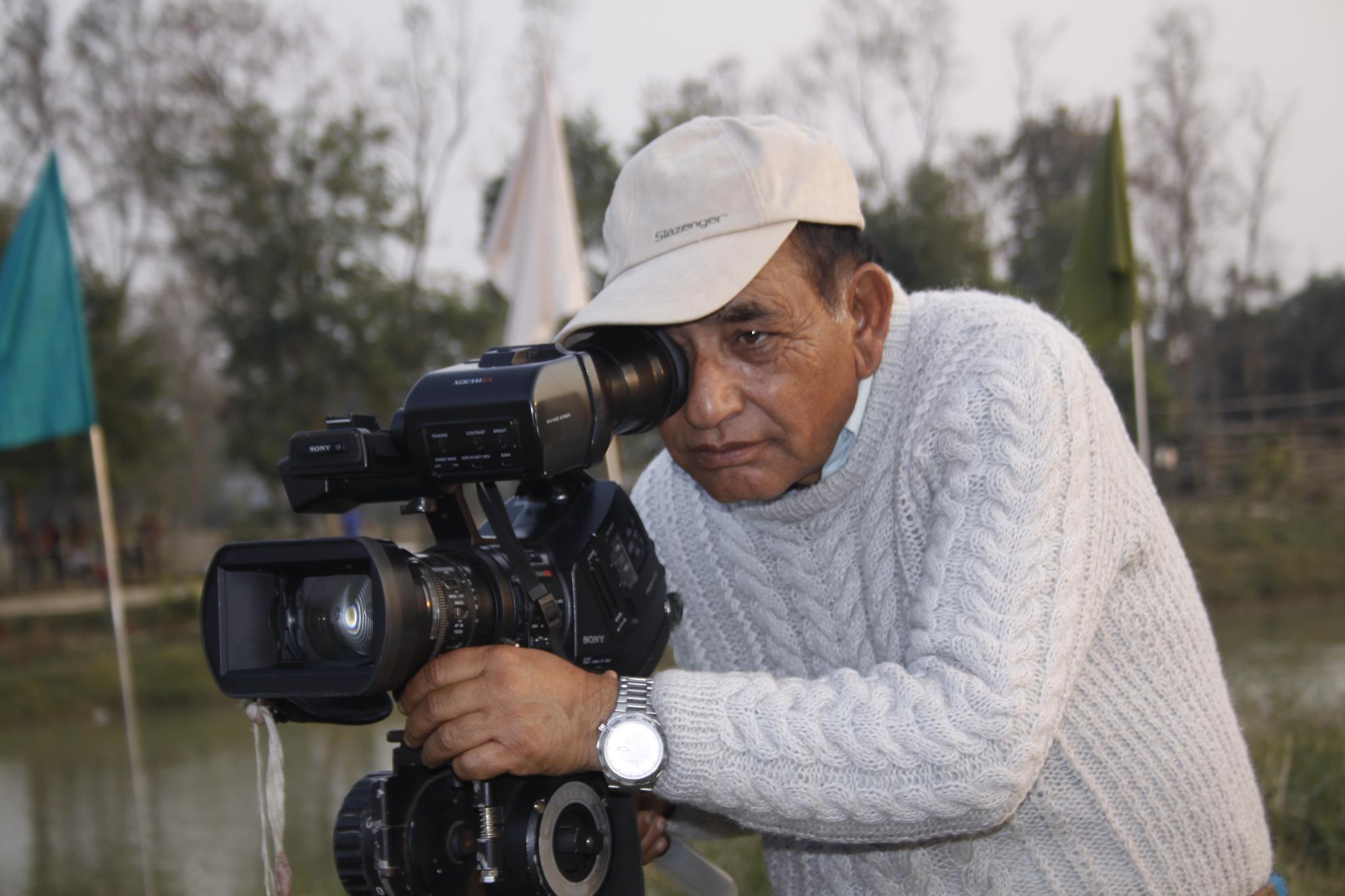
Laxminath Sharma is a pioneering figure in Nepali cinema, known for his multifaceted contributions as a film director, screenwriter, lyricist, production designer, and legal advisor. Born on September 24, 1945 in Barbote, Ilam, he began his career in the early 1970s with the Royal Nepal Film Corporation and later became a leading force in shaping narrative-driven Nepali films Education: MA in History, Tribhuvan University Diploma in Cinema (Direction), FTII Pune (1977) Film/TV/Animation training, AIBD Malaysia (1982) Notable Roles: Director of acclaimed films like Badlindo Aakash (1983), Shanti Deep (1989), Milan (1993), Sarangi (1994), Bidrohi (2002) Screenwriter and lyricist for Bhai Tika, Apaharan (Ekadeshma), Angalo Angaloma Legal advisor for Timro Kasam (2013) Board member at Oscar International College of Film Studies since 2003
Laxminath Sharma
Film Director
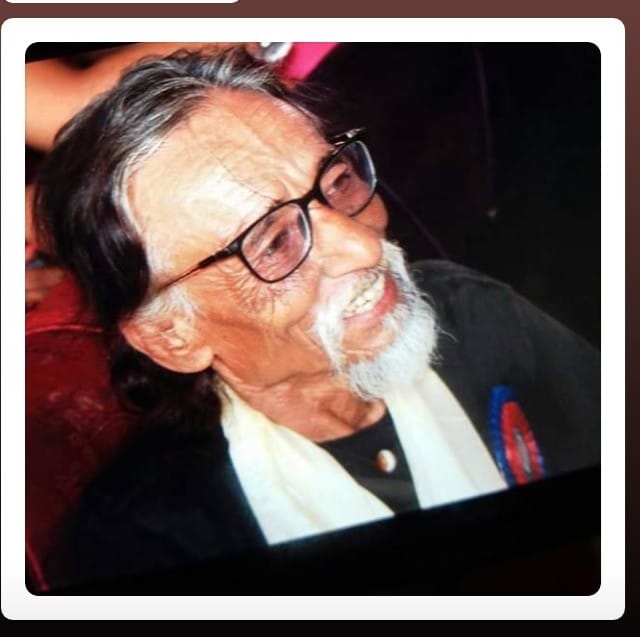
Prem Dev Giri (b. Magh 10, 2010 BS, Birendranagar, Surkhet) is a pioneering figure in Nepali dance, theatre, and radio drama. He began his artistic journey in 2025 BS and, in 2041 BS, joined the then Rastriya Nach Ghar (now the Cultural Corporation) with a monthly salary of NPR 200. Giri made significant contributions as an actor, director, and music accompanist in dozens of plays and musical dramas. His powerful performances in notable works such as Balkrishna Sama’s Masan, plays by Gopal Prasad Rimal, Harishchandra, Andhabeg, Hasdai Jalnu Parcha, Gham, and Hamro Pani Katha Chha are widely remembered. He also acted in the telefilm Sanai Roirahenchha and the feature film Bandhaki. A skilled madal player, Giri recorded hundreds of collected folk songs at Radio Nepal. Revered as a “Guru of the Stage,” he stands as a defining cultural pillar of western Nepal.
Prem Dev Giri
Theatre Artists

Ranu Devi Adhikari (1936–2020) holds the distinction of being the first female singer of Radio Nepal. Born in Birgunj, Nepal, she grew up in Benaras, India, and later became a prominent figure in Nepal's music and political spheres. Her revolutionary songs, such as "Jaago Nepali," were instrumental in inspiring the movement against the Rana regime. She began her singing career with Prajatantra Nepal Radio in Biratnagar, which later became Radio Nepal. Despite societal challenges, she pursued her passion for music and education, eventually earning a Master's degree. Ranu Devi also worked as a teacher and remained a source of inspiration for many.
Ranu Devi Adhikari
Music Artists, Singer/ Performer
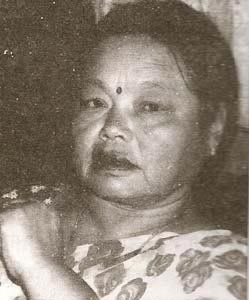
Kamala Shrestha is a celebrated Nepali singer known for her expressive voice and versatility across genres. She was born on Kartik 9, 2005 BS (approximately October 25, 1948 AD) in Kathmandu to Ram Bahadur Shrestha and Indra Maya Shrestha. Kamala began singing as a child and entered the professional music scene around 2024 BS (1967 AD) when she won first prize at a Radio Nepal anniversary competition for her song Naugediko Mala Mero. This marked the beginning of her active musical career, which flourished through the late 1960s, 1970s, and beyond. She was mentored by legendary composer Natikaji, who recognized her talent when she was just 13. Through Radio Nepal, she collaborated with iconic artists like Shiva Shankar and contributed to a wide range of musical styles—bhajans, Newari songs, Bhojpuri numbers, patriotic anthems, folk tunes, and adhunik (modern) songs. Over her career, she recorded more than 400 songs, many of which remain sadabahar (evergreen) classics. Kamala Shrestha also performed internationally, representing Nepal in India, China, Bangladesh, Hong Kong, Japan, and other countries. Her dedication to music continued even after marriage and motherhood, defying social expectations of the time.
Kamala Shrestha
Music Artists, Singer/ Performer
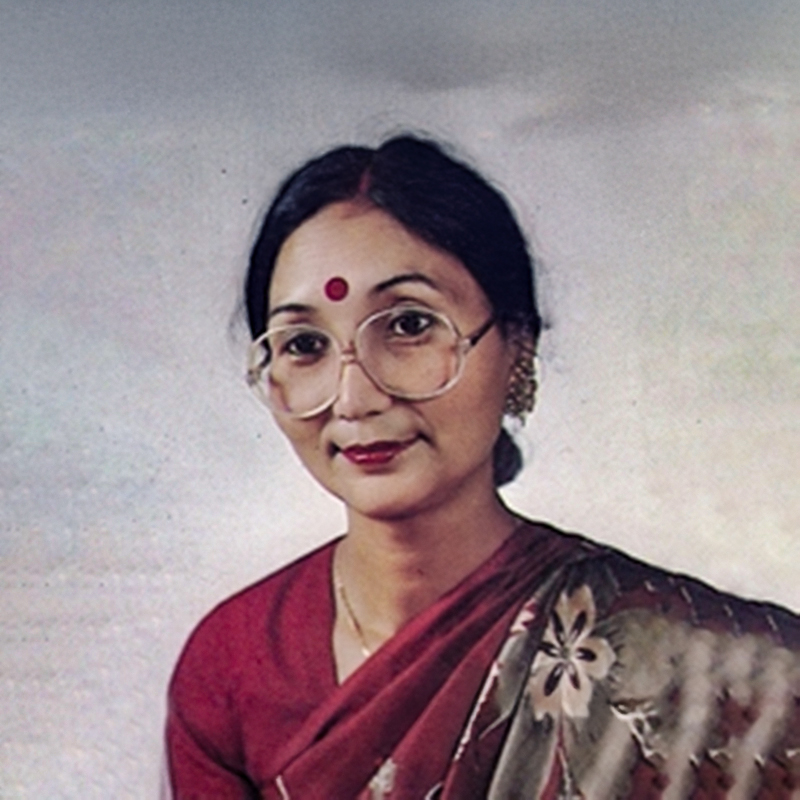
Bharati Upadhyaya is a renowned Nepali singer and composer, celebrated for her contributions to Nepali music. She is best known for her melodious voice and her ability to blend traditional and modern styles in her songs. Bharati's music often reflects themes of love, life, and cultural pride. Some of her popular songs include: "Mai Chhori Sundari" – A timeless classic that remains a favorite among Nepali music enthusiasts. "Birsidinu Pardo Rahechha" – A soulful track that showcases her emotive singing style. "Mayako Chhayama Maya Rakhana" – A beautiful composition that resonates with listeners. "Karmaima Chhaina Mero Maya" – A song that highlights her versatility as a singer. "Kina Kina Mero Man" – A track that captures the essence of Nepali music. Her work has left an indelible mark on the Nepali music industry, and her songs continue to inspire and entertain audiences.
Bharati Upadhyaya
Music Artists, Singer/ Performer
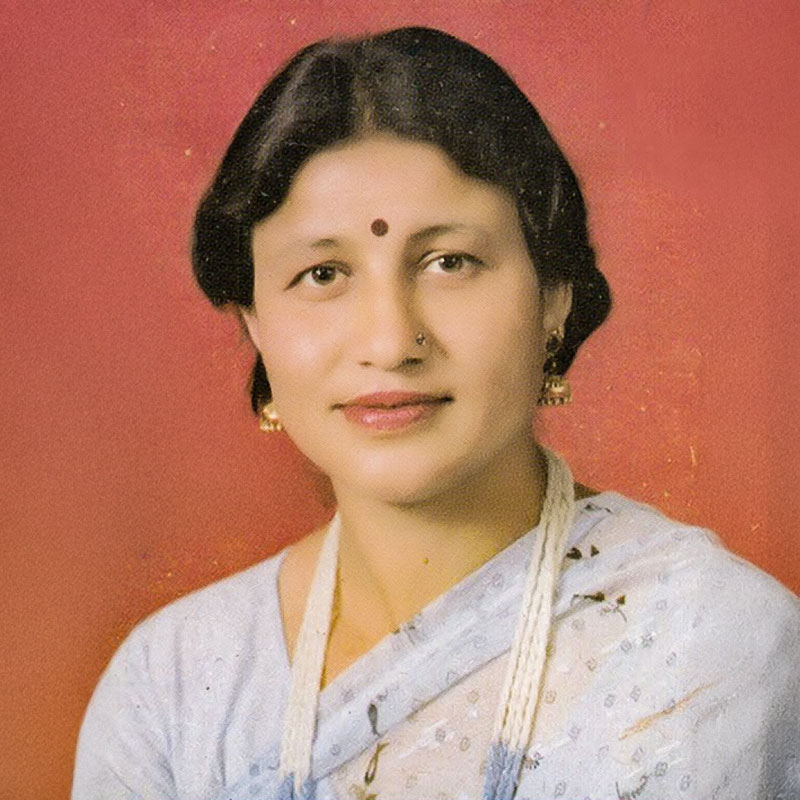
Rachana GC is a talented Nepali folk singer celebrated for her contributions to traditional Nepali music. Her songs often reflect the rich cultural heritage and emotions of rural Nepal, resonating deeply with audiences. She has a unique ability to blend storytelling with melody, making her music both captivating and meaningful. Some of her popular songs include: "Saune Khola Urlera" – A beautiful depiction of nature and emotions. "Tara Butte Juneli" – A melodious tune that captures the essence of Nepali folk music. "Timilai Sunakhari" – A heartfelt song showcasing her vocal prowess. "Aaja Mero Karmai" – A track that resonates with listeners for its lyrical depth. "Phool Fulyo" – A song that celebrates the beauty of life and nature. Her music continues to inspire and entertain, preserving the essence of Nepali folk traditions.
Rachana GC
Music Artists, Singer/ Performer

Nabina Shrestha is a Nepali actress best known for her leading role in the landmark Newar‑language film Silu (1987). Portraying Tuyu Maicha in the first feature film made in Nepal Bhasa, she became part of a historic moment in Nepali cinema, helping bring Newar culture, language, and emotional storytelling to the screen. Her performance in Silu is remembered for its natural expression and cultural authenticity, securing her a respected place in the cinematic memory of the late 1980s.
Nabina Shrestha
Actress
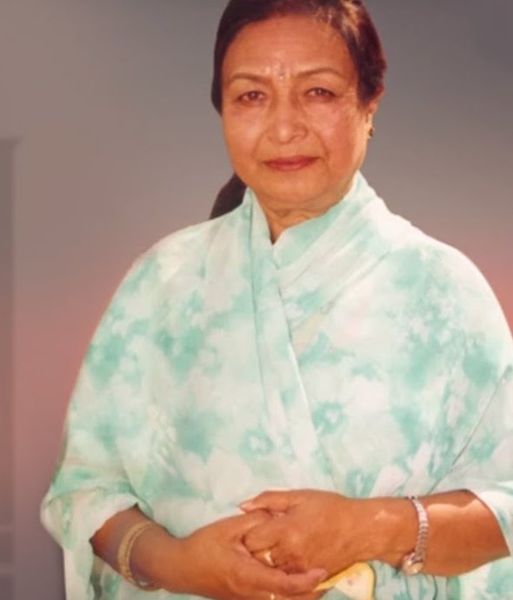
Dil Maya Khati was a beloved Nepali singer known as the “Melody Moon” of the Himalayas. Born in 1999 BS in Ghumpahad, Darjeeling, she began singing at age five and quickly captivated audiences across Nepal, Sikkim, and Bhutan. Her golden voice earned admiration from legends like Raj Kapoor and Narayan Gopal. In 2018 BS, she debuted on Radio Nepal and won a gold medal in a national music competition. Though she recorded only 12 songs between 2018 and 2030 BS, her impact was profound. After a long hiatus, she made a triumphant return in 2056 BS with the album Shikha. Honored with numerous awards, including the Devkota Samman and Bhupal Sangeet Puraskar, she was celebrated for her emotional depth and vocal purity. Her legacy continues to inspire generations of Nepali music lovers.
Dil Maya Khati
Music Artists, Folk Singer
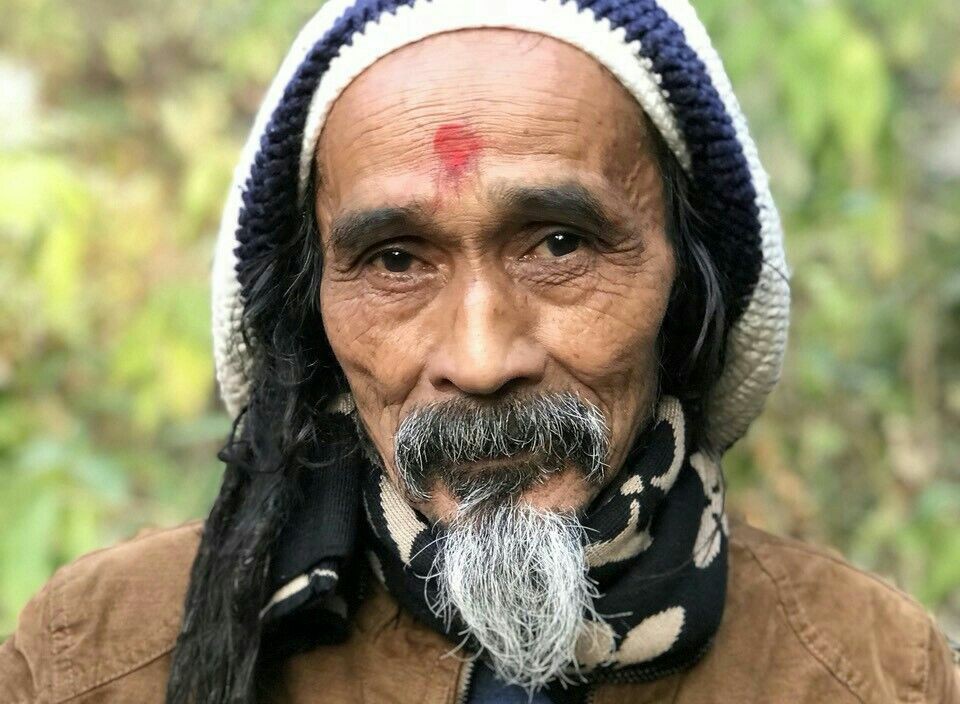
Ganga Bardan is a legendary Nepali folk singer, lyricist, and composer known for his expressive vocal depth and poetic writing that shaped the golden era of Nepali lok‑geet. His classic song “Kaha Ma Katyo”—first recorded at Radio Nepal in 1978 (2035 BS)—remains one of the most iconic folk recordings in Nepal’s musical history.He is also celebrated for evergreen hits such as “Chapanile Chan Chan,” “Bazarai Bharau Dharanai,” “Arunai Taryo Ni,” and “Mero Mayalu Tyo.”Bardan’s soulful lyrics, subtle tone, and authentic storytelling preserve the emotional landscape of rural Nepali life, making him one of the most respected voices in Nepali folk heritage.
Ganga Bardan
Folk Singer
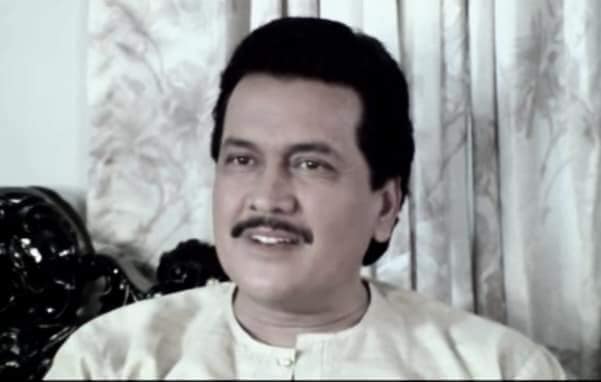
Starting from his early life in Biratnagar, Prakash Pathak was born in 2001 B.S. (1944 AD) and later became a familiar face in Nepali cinema. He entered the Nepali film industry in the early 2040s B.S. (1980s AD), gradually establishing himself through steady, heartfelt performances in social and family‑oriented films.Over the course of nearly three decades, Pathak contributed to a wide range of Nepali feature films and telefilms. He appeared in several well‑known titles, including Mayalu, Tilahari, Gopikrishna, Tuhuro, and Bandhan, along with numerous other productions across the 1980s, 1990s, and early 2000s.Prakash Pathak was known for portraying grounded, relatable characters — often fathers, uncles, community figures, or emotionally layered supporting roles. His natural acting style, calm presence, and ability to reflect everyday Nepali life made him a respected contributor to the golden and transitional eras of Nepali cinema.
Prakash Pathak
Film Artists
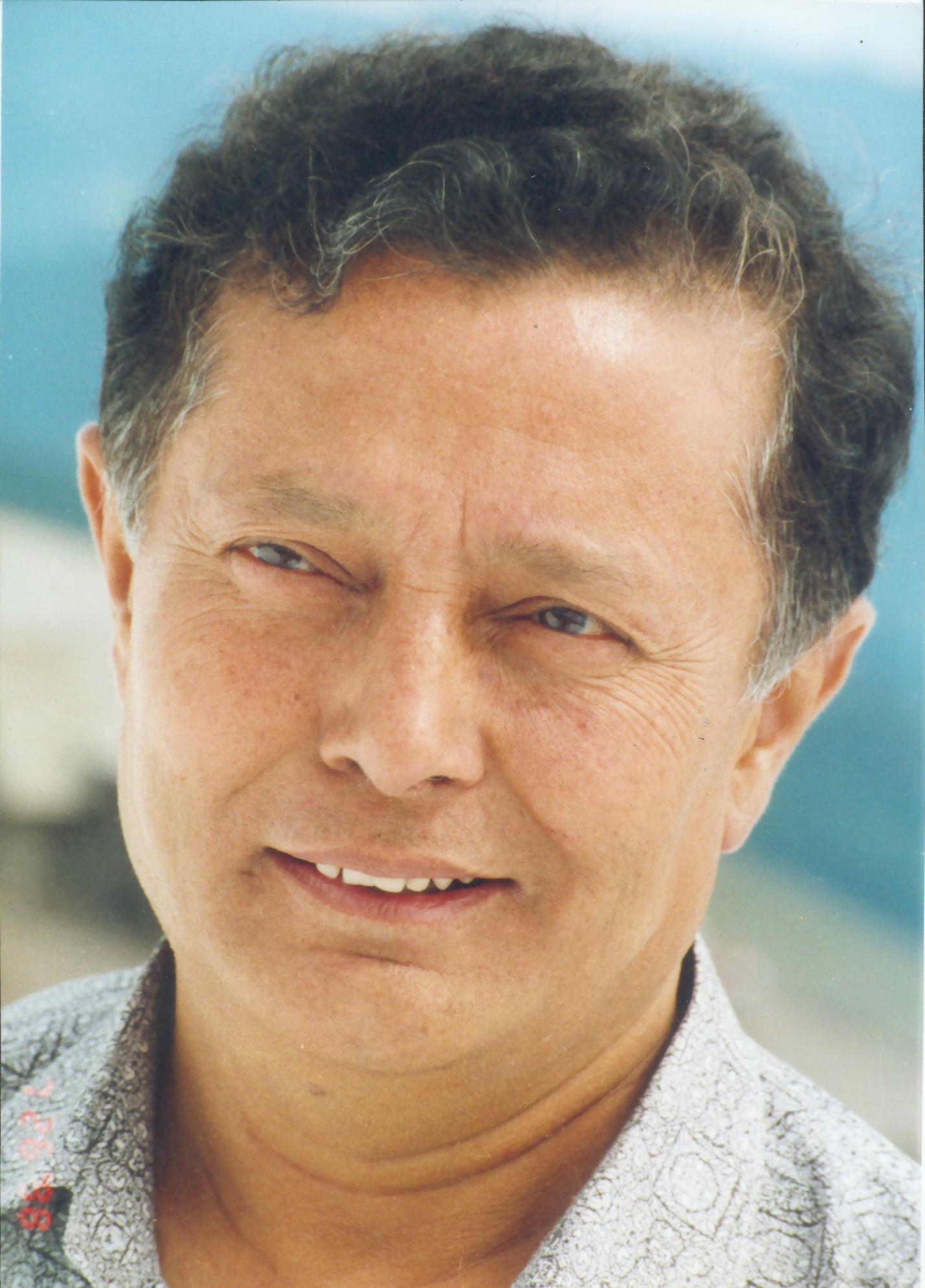
Prem Dhoj Pradhan is a Nepalese musician, born in 1938 in Chautara, a small town 28 miles east of Kathmandu. He is a singer, composer, and a regional playback singer. He sings in the two major languages of Nepal, Nepal Bhasa and Nepali. He is also known as the Golden Voice and King of Romantic Melodies of Nepal. Prem Dhoj is known for being the first to perform with a guitar in Nepal. He was also the first Nepali singer to sing with Indian playback singer Usha Mangeshkar for the movie Maitighar in 1965. In 1985, he sang duet songs with Asha Bhosle for the movie Mayalu in Bombay, India. Prem Dhoj has varied his musical style throughout his career and recorded approximately 700 songs on Radio Nepal, including live broadcasting and recorded songs.
Prem Dhoj Pradhan
Music Artists, Singer/ Performer