
Explore Artists
Browse through 2,086 talented actors, musicians, dancers, filmmakers and creative professionals from Nepal.
2,744
All Artists
213
Actor
235
Actress
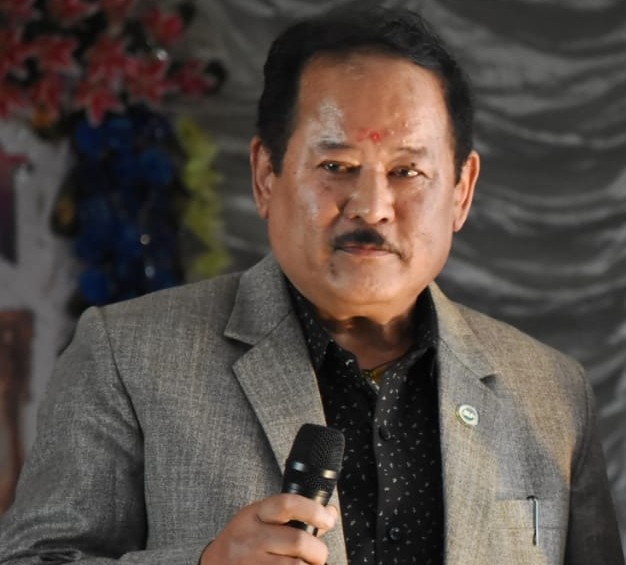
Pawan Golay, widely known by his stage name Gole, is a modern–folk vocalist from Darjeeling known for his melodious voice and emotional delivery. He began his musical journey performing in local community events and small stages, where his natural vocal sweetness quickly drew attention. Rooted in Darjeeling’s rich musical culture, he developed a style defined by simplicity, clarity, and heartfelt expression. His songs such as Yati Thulo, Manlai Samjhai Samjhai, Hawa Sanga, Mirmire Behana, and Chhadi Jane Mayaluko earned him recognition across Darjeeling and Nepal. Gole continues to represent Darjeeling’s musical identity in contemporary Nepali music.
Pawan Gole
Music Artists, Singer/ Performer, Singers & Vocalists
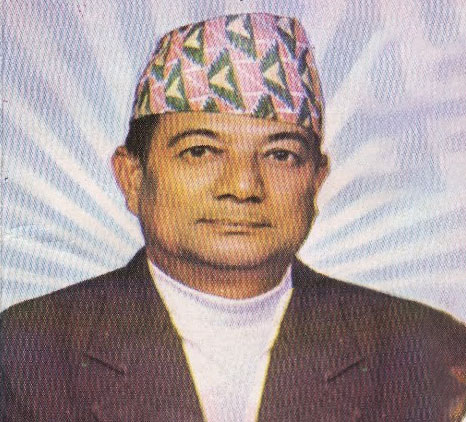
Krishna Man, born in Ashar 1982 BS (1925 AD) in Bandegaon, Lalitpur, is one of the foundational figures of early modern Nepali music. He began his musical career in 2008 BS (1951/1952 AD) by composing for Satyanarayan Dangol’s song “Timrai Khatir Ni Sodhinau Maile Abiral Aansu Bagaye” shortly after the establishment of democracy in Nepal.Around 2016 BS (1959/1960 AD), he recorded two songs in Kolkata, marking his entry into the international music scene. In the same year, he gained significant recognition for composing music for Balkrishna Sama’s acclaimed play “Ma”. He also taught Nepali folk songs to Chinese dancers, earning international appreciation, and received a commendation from King Mahendra the following year.In 2019 BS (1962/1963 AD), he secured second place at Radio Nepal’s All Nepal Modern and Folk Song Conference and received a medal from King Mahendra. In 2020 BS (1963/1964 AD), he was honored again as the Best Composer.He completed a Bachelor’s degree in Classical Music from Allahabad around 2030 BS (1973/1974 AD) and participated in numerous national and international programs. In 2033 BS (1976/1977 AD), he was decorated with the Gorkha Dakshin Bahu (Fifth Class). In 2047 BS (1990/1991 AD), he won first place in modern songs at Radio Nepal. In 2048 BS (1991/1992 AD), he received an appreciation certificate from Ganeshman Singh for his music direction in the film “Aajako Yuwa”.His body of work includes 30 bhajans, 12 Newari songs, national songs, and film compositions released through cassettes and CDs, along with 34 bhajan videos produced for Nepal Television.
Krishna Man
Music Director, Singers & Vocalists
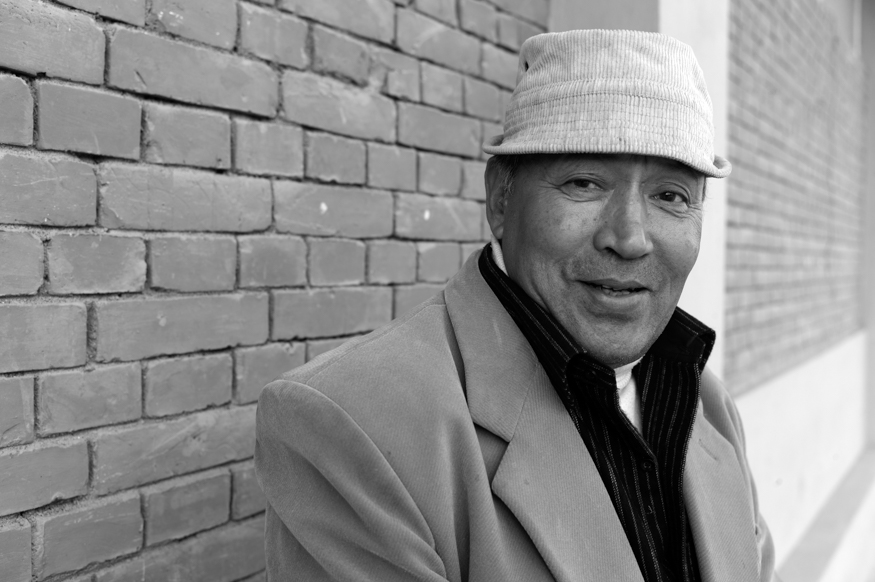
Gautam Ratna Tuladhar is a respected Nepali visual artist and veteran film actor, widely recognized as the first color‑film villain of Nepali cinema for his memorable performance in Nepal’s first color feature film Kumari (1977). A multi‑talented figure, Tuladhar built a parallel career as a वरिष्ठ चित्रकार (senior painter) while establishing himself as a powerful screen presence across dozens of Nepali films.Emerging from Kathmandu’s artistic community, Tuladhar became known for his expressive face, controlled intensity, and ability to portray layered antagonists with dignity and emotional depth. His role in Kumari marked a turning point in Nepali film history, introducing a new visual era and giving him a lasting place in the industry’s foundational narrative.Beyond cinema, Tuladhar was deeply active in Nepal’s theatre movement. During the early BS 2040s, he performed in numerous stage productions under the Sanskriti Sansthan, contributing to a generation of socially conscious, performance‑driven Nepali theatre. His stage work strengthened his craft and shaped his reputation as a disciplined, versatile performer.Across film, theatre, and visual art, Gautam Ratna Tuladhar is remembered as a multi‑disciplinary artist whose contributions helped define the early aesthetic and emotional language of modern Nepali storytelling.
Gautam Ratna Tuladhar
Professional Painter, Film Artists, Film & Theatre, Traditional Artist
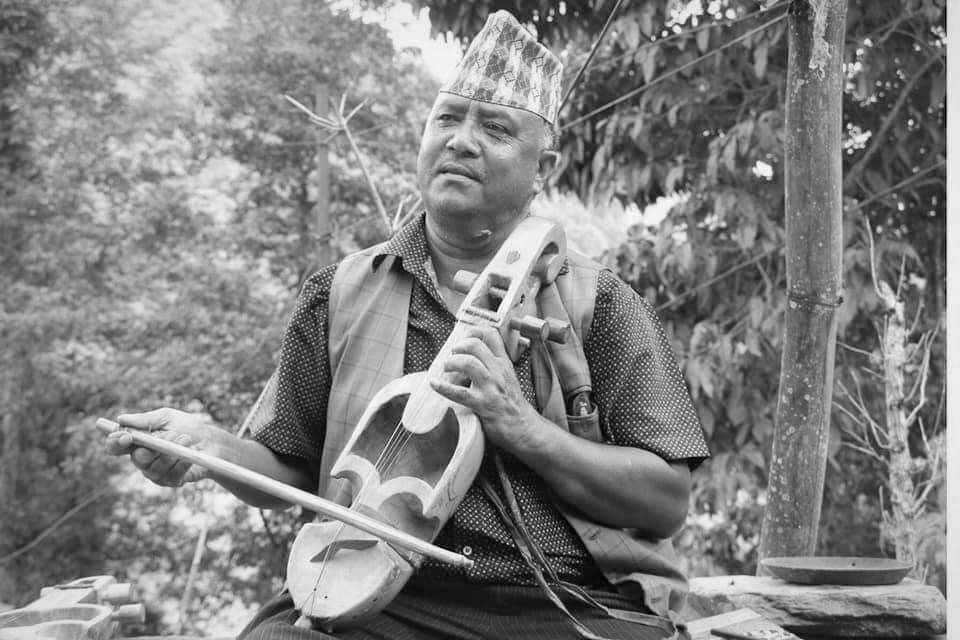
Dhana Bahadur was a leading advocate for sarangi preservation, a respected singer, and a dedicated lyric collector from Batulechaur, Pokhara. He is widely remembered as the creator of the evergreen songs “Naraunu Mayalu” and “Beli ra Chameli,” beautifully performed by singer Prabin Gurung. Committed to safeguarding Nepal’s folk heritage, he operated a Sarangi Pathshala, teaching children and youth and nurturing a new generation of sarangi players. He passed away on Magh 11, 2077, leaving behind a legacy that continues to inspire Nepali folk music and sarangi culture.
Dhana Bahadur
Sarangi Player, Folk Singer
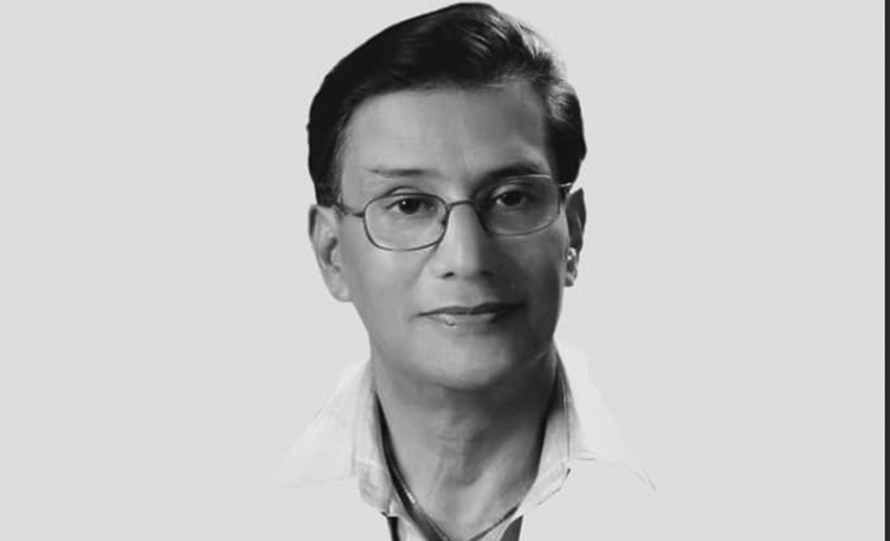
Dhurba KC was a prominent modern Nepali singer whose expressive voice helped shape some of the finest songs of the 2030s era. He reached the peak of national recognition with the evergreen hit “Mayalu Hajar Hunchan,” a song that firmly established him among Nepal’s beloved modern vocalists. He voiced several memorable songs including “Naraunu Naraunu Saili,” “Aru Kalo Relko Dhuwale,” and “Timro Maya Kagajko,” all of which remain timeless among Nepali music listeners. Born on Mangsir 3, 2002 BS to Yagyabahadur KC and Padmakumari KC, he was the eldest son in the family and the uncle of actor Bhuwan KC. Dhurba KC passed away on Magh 8, 2077 (Thursday) at 4:45 PM at Orchid Care Center, Bhaisepati, leaving behind a legacy of soulful modern songs that continue to resonate across generations.
Dhurba KC
Singer/ Performer
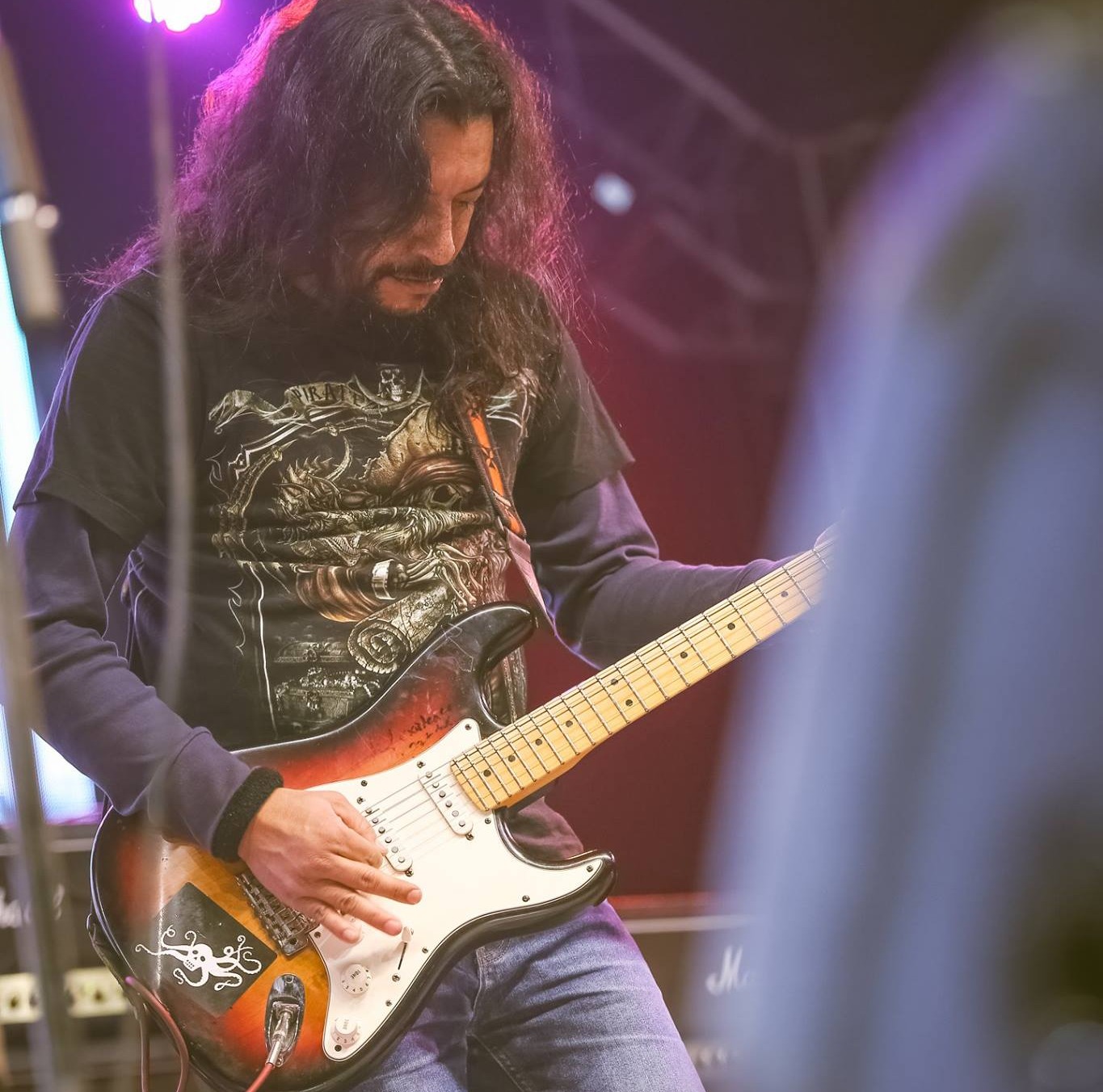
Sarad Shrestha is one of Nepal’s most influential guitarists and genre‑shifting musicians, active for over three decades in the Nepali music scene. Beginning his journey after SLC, he formed his first band Black Band and later became widely known as the guitarist of The Axe Band, contributing 12 years and four albums. A versatile performer, he has worked across rock, stoner metal, ska‑punk, rap‑rock, and grunge, performing with bands such as Black Wizard, The Sound Mill, Kathmandu Mayhem, Intellectual Morons, Tumbleweed Inc., Project One, and Shree 3, where he also sings. Respected for his emotional playing and fearless experimentation, Shrestha remains a defining figure in modern Nepali rock.
Sarad Shrestha
Guitarist, Singer/ Performer
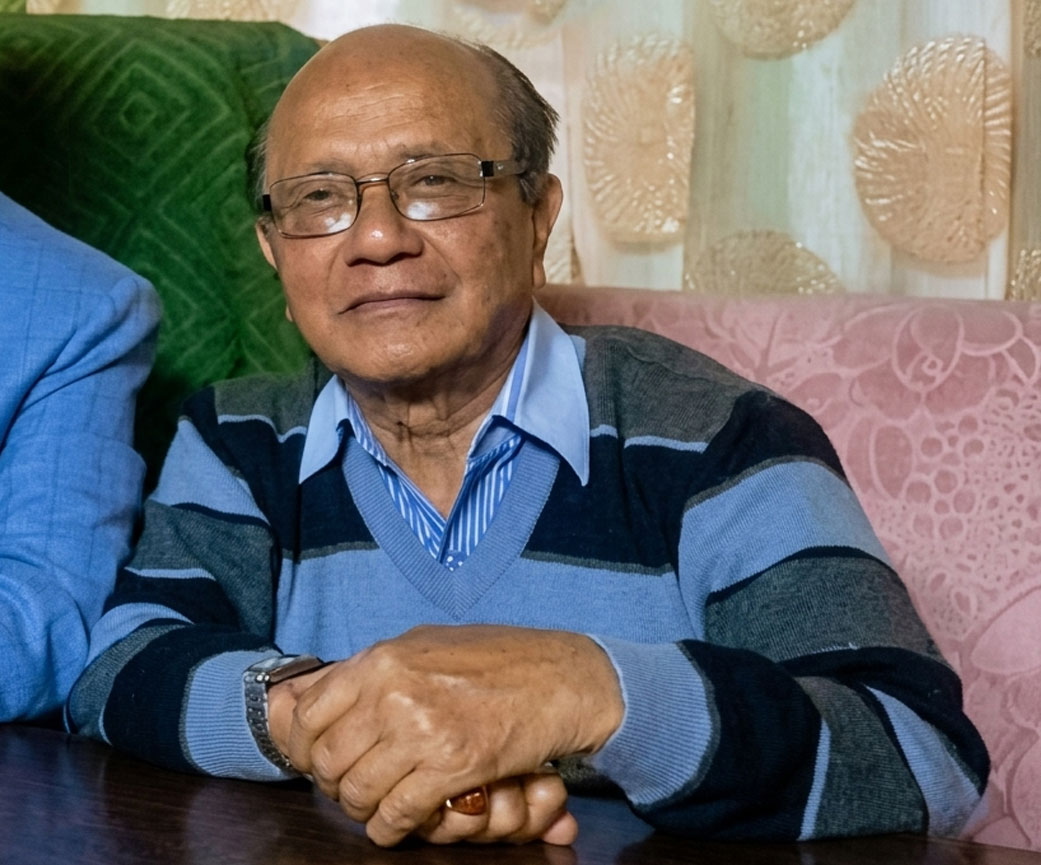
Tirtha Lal Shrestha is recognized as the first film editor of Nepali cinema, establishing his legacy with the landmark film ‘Man Ko Bandh,’ released on Falgun 7, 2030 BS, marking the beginning of credited film editing in Nepal. Working in the era of manual flatbed editing, he shaped the narrative rhythm, emotional tone, and cinematic structure of early Nepali films, earning the industry’s respect as the “second director” for his decisive role in transforming raw footage into cohesive storytelling. Shrestha edited notable films including Man Ko Bandh, Kumari, Ke Ghar Ke Dera, and dozens of other productions, contributing significantly to the foundation of Nepal’s post‑production craft and influencing generations of editors who followed.
Tirtha Lal Shrestha
Video-film Editor, Colorist
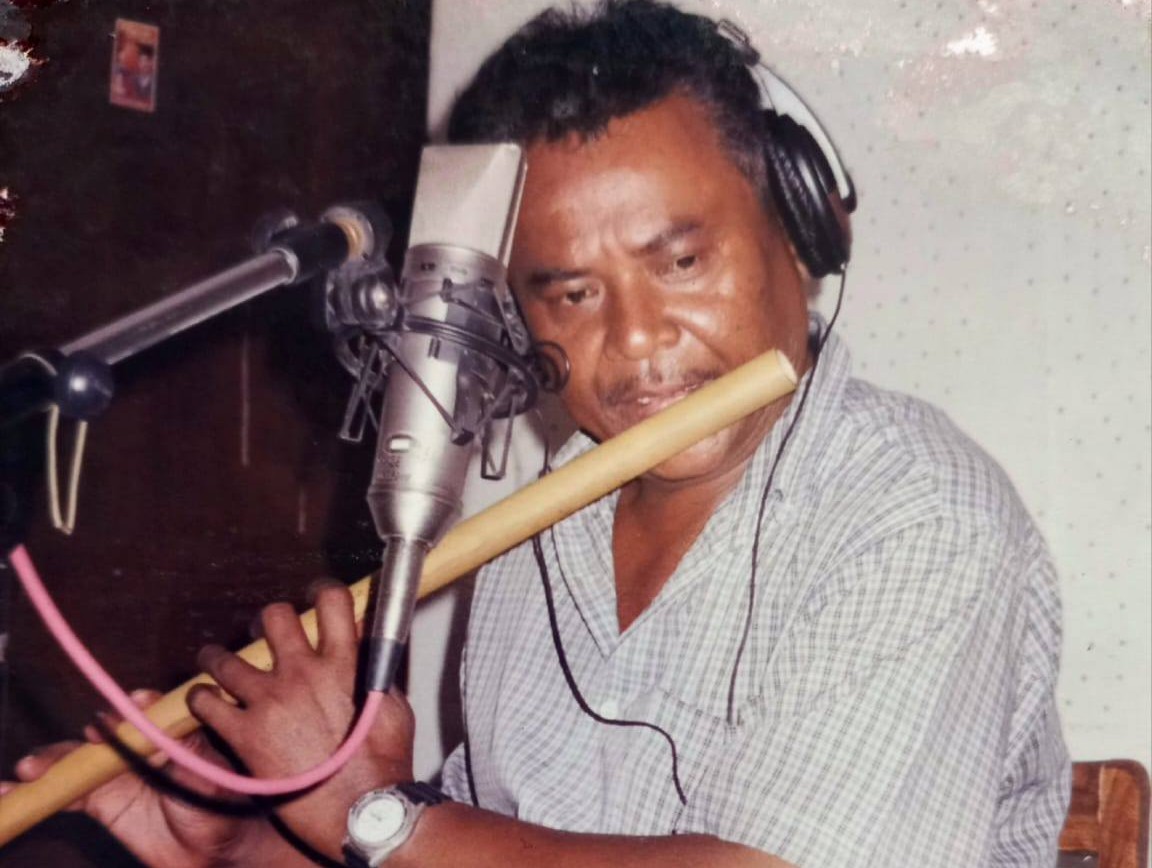
JB Lama is one of Nepal’s senior and most respected flutists, widely recognized for his decades‑long contribution to Nepali modern, folk, and film music. He has collaborated with legendary icons including Narayan Gopal, Gopal Yonjan, Nati Kaji, Fatteh Man, and many others, shaping the sound of Nepali music across multiple eras. Lama is also credited with creating his own flute‑playing pattern, a stylistic signature still followed by many contemporary flutists.
JB Lama
Musicians & Instrumentalists, Flautist
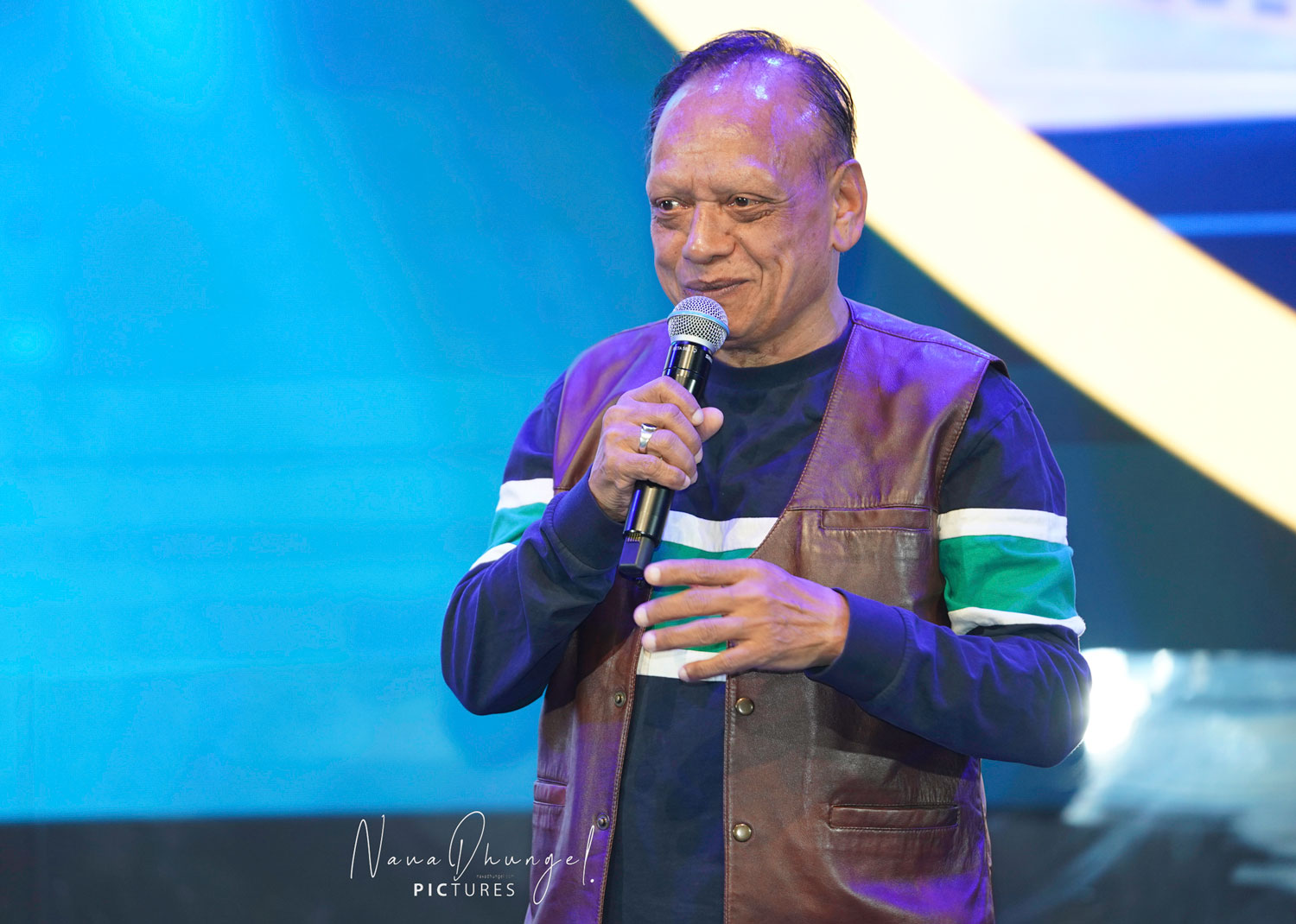
Madan Singh Nepali is a pioneer Nepali singer and guitarist, celebrated for his defining influence on the golden era of modern Nepali music. A key studio musician of Radio Nepal, he contributed guitar to countless classic recordings and lent his voice to memorable songs including “Relimai” and “Pal Pal.”His discography features enduring favorites such as “Yo Hawa Yo Lahar,” “Sunsan Raat,” “Seti Dovana,” “Jadaichhu,” “Danda Mathi,” and multiple versions of “Relimai.” His 1997 album “Pal Pal Raharama” remains one of his signature works and a milestone in Nepali pop‑folk music.
Madan Singh Nepali
Singer/ Performer

Subarna Limbu is a pioneering Nepali musician with over 40 years of professional experience, widely recognized as one of the earliest artists to bring the bass guitar into the mainstream of Nepali contemporary and rock music. His career spans Nepal and India, where he performed with formative bands such as Diamond (Darjeeling) and Brotherhood, contributing to the rise of modern Nepali rock. He is celebrated as the iconic bassist of the evergreen Prism Band, performing and singing at major venues, including regular appearances at five‑star hotels and high‑profile events. Subarna Limbu is also known for his role as a composer, with works such as “Hawa Sanga Bagu Bhanchha, Paat Sanga Bolu Bhanchha”, performed by Darjeeling‑based singer Pawan Gole, who continues to present Limbu’s compositions on major stages like Paleti.
Subarna Limbu
Musicians & Instrumentalists, Guitarist
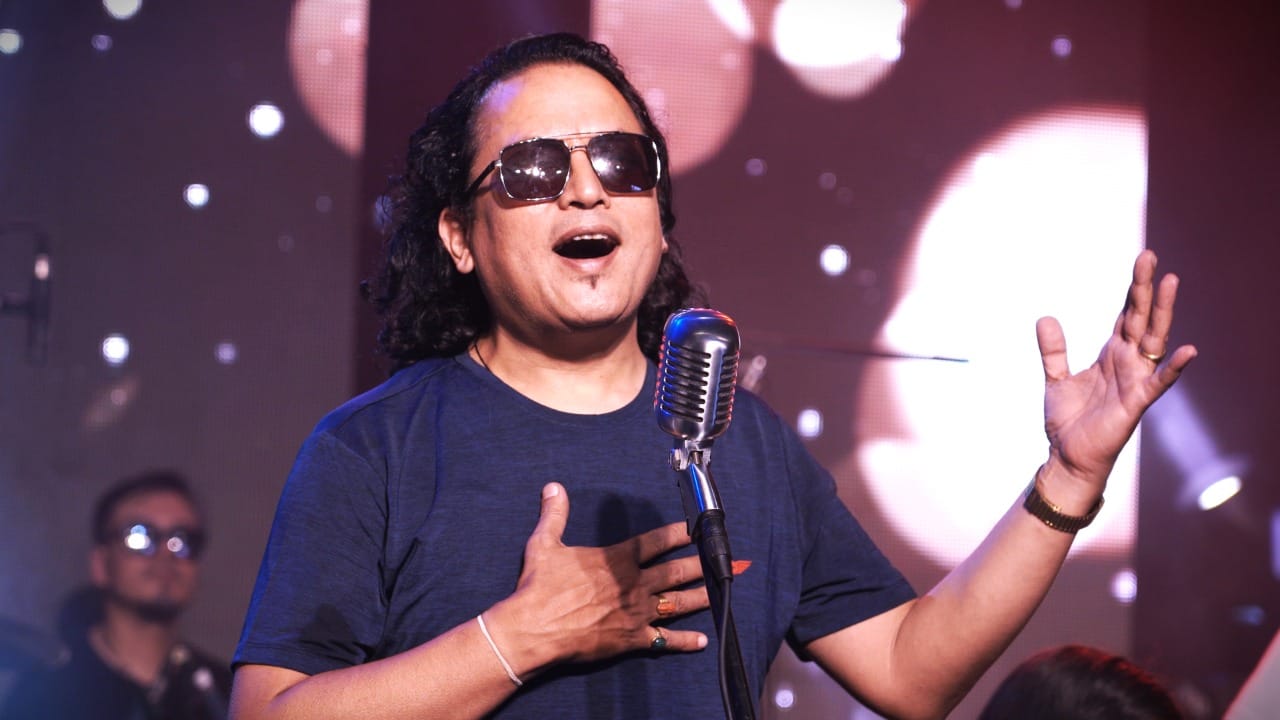
Bhim Tuladhar is a Nepali pop and contemporary music artist best known for starting his career with Nepal’s early pop band The Influence in 2043 B.S. He gained recognition in the 2040s as a stylish pop singer, known for his long hair, signature look, and energetic stage performances. Tuladhar later built a solo career, releasing multiple albums including Mayalulai, Sapny, Samjhina, and Antaral, and performing widely across Nepal. He is also associated with Buddhist devotional music, with popular releases such as Gyanmala Bhajan Vol. 1 & 2, which have accumulated hundreds of thousands of views. Honored for his contribution to Nepali pop music, Tuladhar continues to perform and remains active in connecting with new audiences.
Bhim Tuladhar
Singer/ Performer
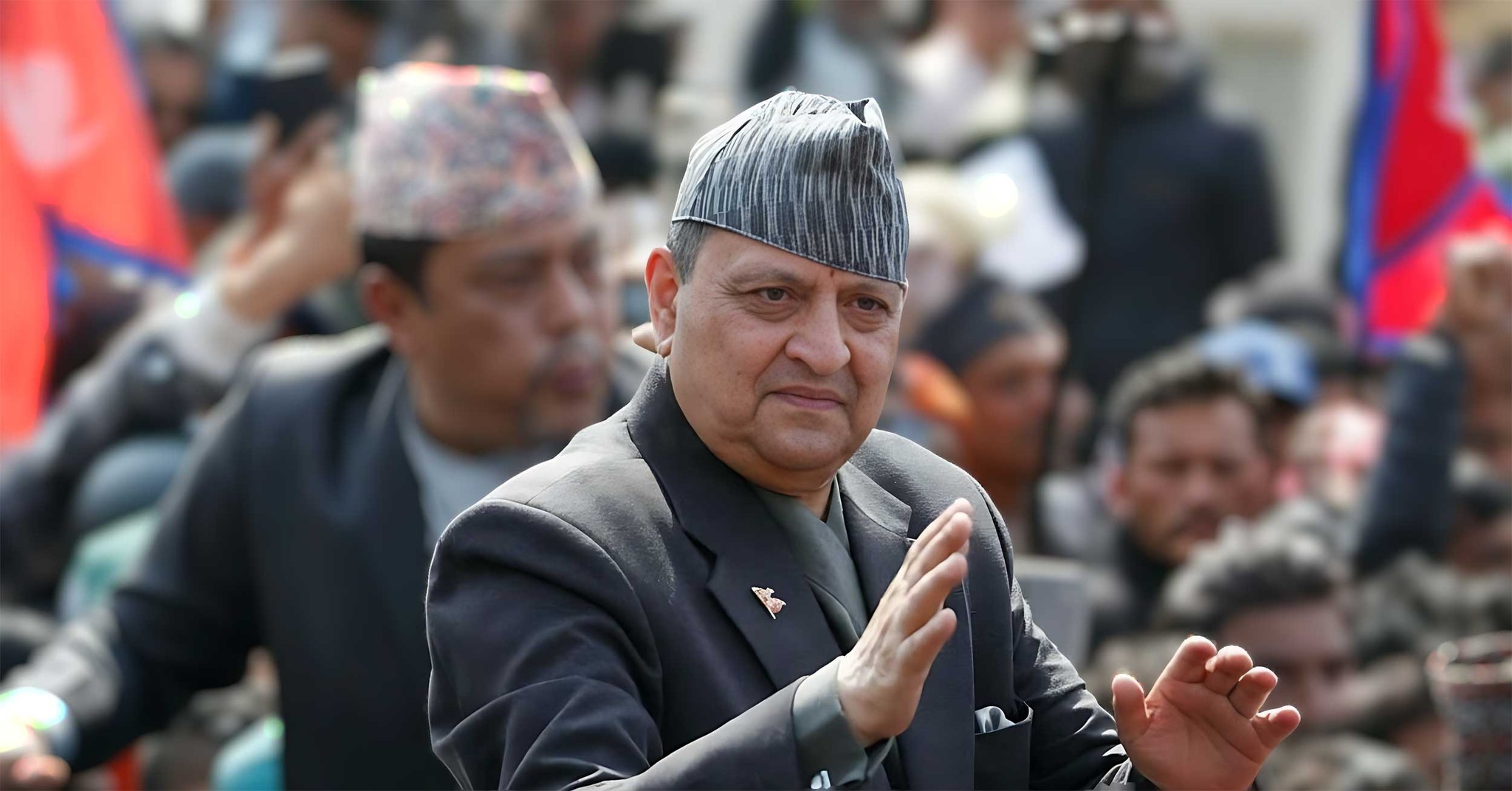
G. Shah is the literary identity of former King Gyanendra Bir Bikram Shah, whose poetic and lyrical works have contributed a distinct voice to Nepali music and literature. Active as a songwriter and poet, his creations reflect deep patriotism, emotional sincerity, and a profound attachment to the Nepali soil. His lyrics have been performed by celebrated singers including Prakash Shrestha, Ananda Karki, Sapana Shree, and Jyoti Shrestha, giving his words a wide musical presence.Among his notable works are songs such as “Bachnu Nai Chha Yadi Bhane” (vocals: Prakash Shrestha), “Pahilo Milanko” (vocals: Ananda Karki), and “Ma Jasto Thiye” (vocals: Sapana Shree). His lyrical compositions are also featured in the album ‘Rajasi’, where Jyoti Shrestha and other respected artists have brought his words to life.In literature, his poetry collection ‘Dui Mutu, Eauta Bato’ stands as a significant publication, released on the occasion of his 76th birthday. Through his songs and poems, G. Shah expresses themes of national pride, cultural identity, and heartfelt human experience, establishing him as a unique creative figure within Nepal’s contemporary literary and musical landscape.
G. Shah
Lyricist, Poet

Komal Oli is a Nepali folk singer and former Radio Nepal news anchor known for her powerful lok‑geet vocals and her long career in national broadcasting. She rose to prominence with hit folk numbers that blended traditional melodies with her distinct vocal style, making her one of the most recognizable female voices in Nepali folk music.As a news anchor and program presenter at Radio Nepal, she became a trusted national voice, contributing to Nepali media for many years before transitioning fully into music and public life. Her songs, stage performances, and cultural presence have made her a prominent figure in modern Nepali lok‑sangeet.
Komal Oli
Media Personality, Folk Singer
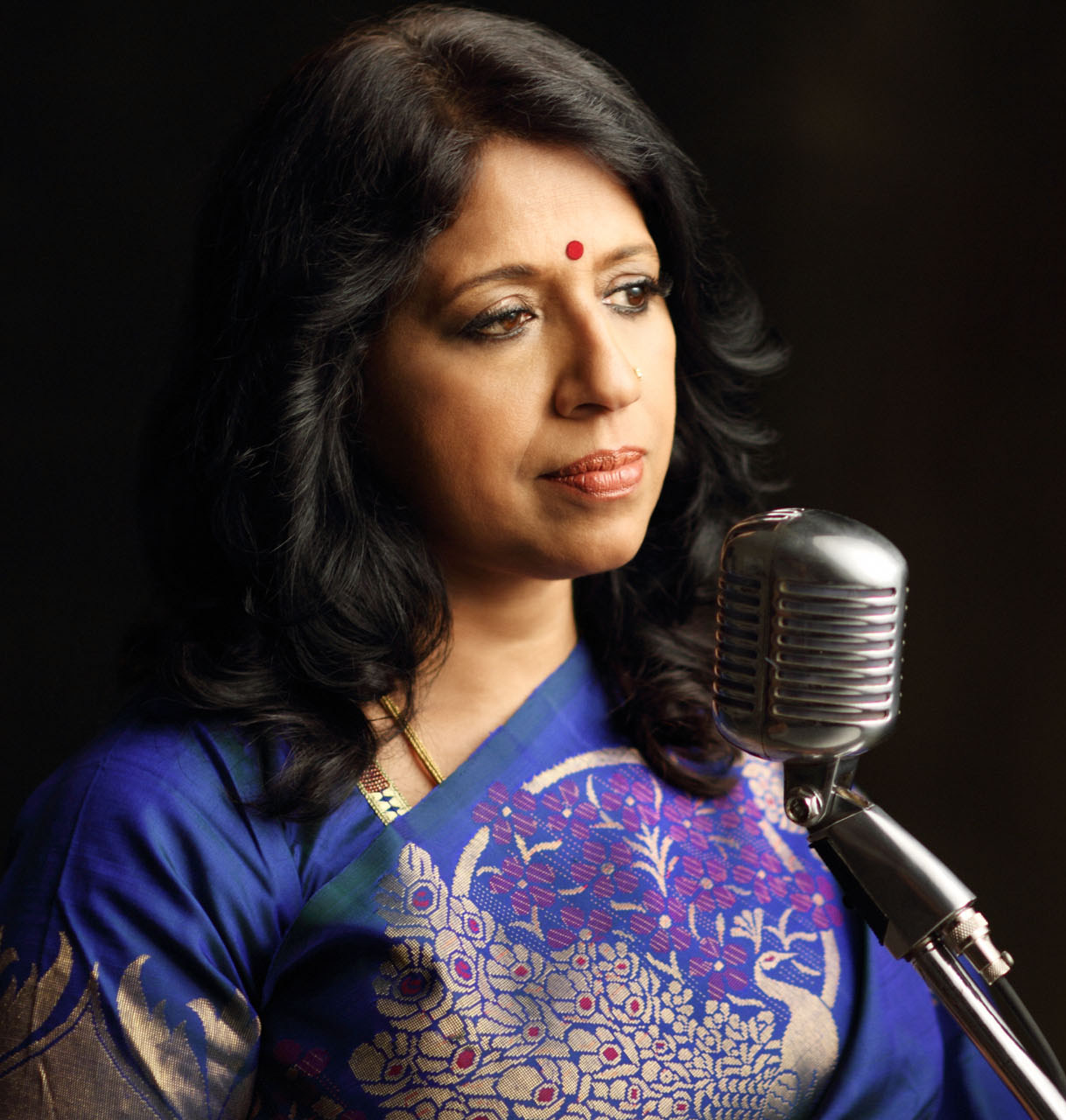
Kavita Krishnamurti
Playback Singer

Mukhtar Ahmad
Video-film Editor, Colorist
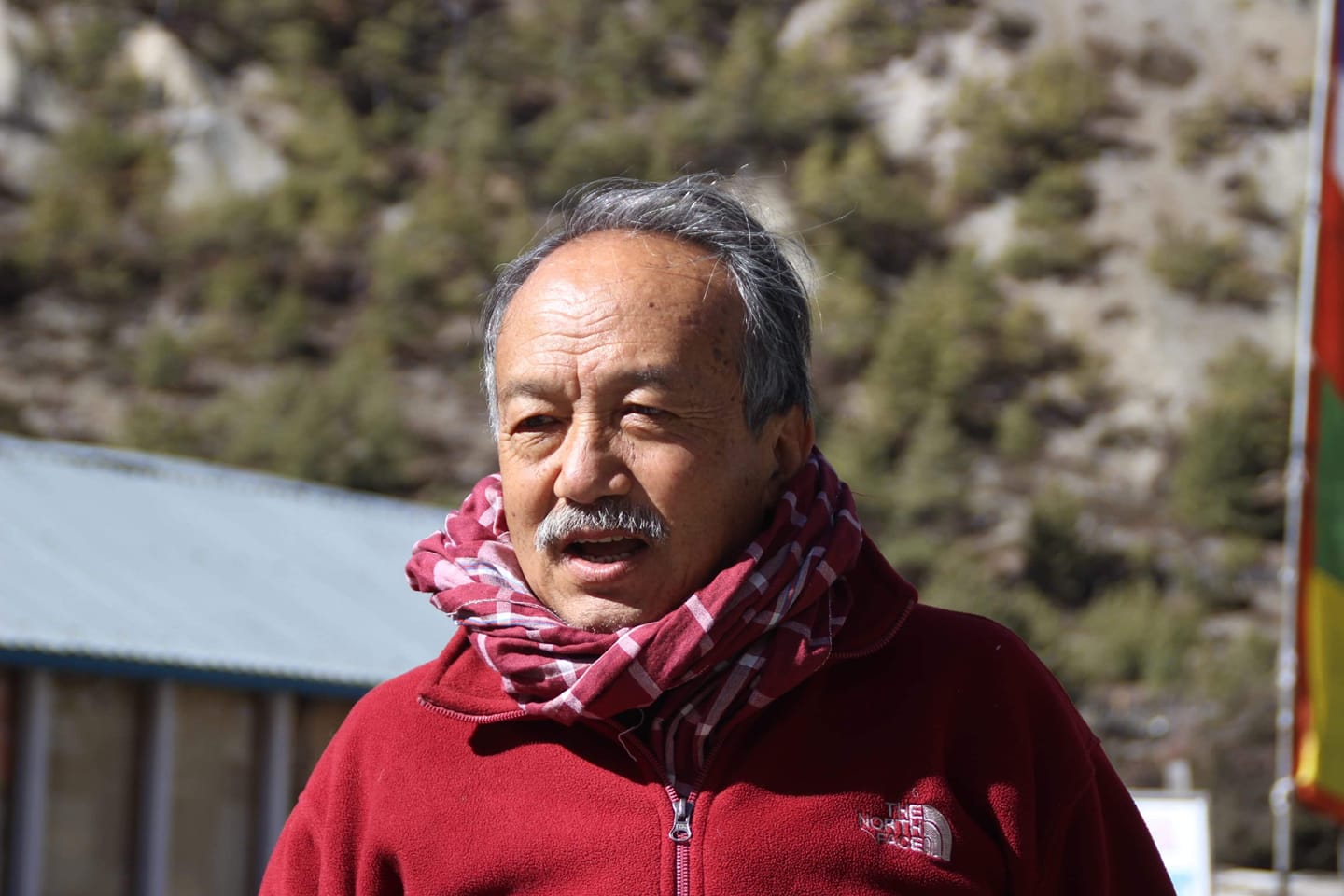
Bulu Mukarung (born 1962) is a respected Nepali musician, composer, and vocalist known for his contribution to modern Nepali music and his distinctive blend of folk‑rooted melodies with contemporary arrangements. Beginning his musical journey in the early 1980s, he gained recognition for his refined compositions, emotive vocal delivery, and his ability to elevate lyrical depth through thoughtful musical interpretation. Mukarung’s work spans studio recordings, live performances, and collaborations with leading Nepali artists, and he is noted for maintaining musical authenticity while adapting to evolving trends. Honored with the Best Musician Award at Radio Nepal’s 2041 Annual Event, he remains an influential figure whose disciplined artistry continues to inspire emerging musicians across Nepal’s modern music landscape.
Bulu Mukarung
writer-author, Folk Singer
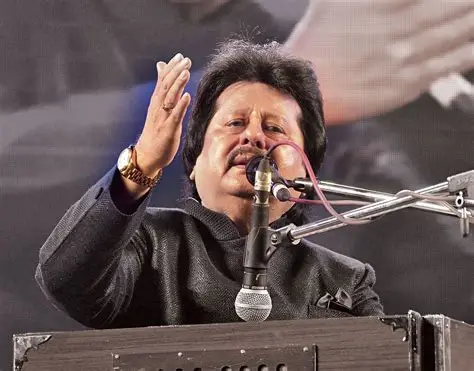
Pankaj Udhas (born 1951) is a celebrated Indian ghazal and playback singer whose refined vocal style and emotional depth earned him a devoted following across Nepal. Beginning his musical career in the late 1970s, Udhas became admired for bringing the softness of ghazal expression into Nepali melodies through selective but unforgettable recordings. His Nepali contributions include the classic “Malai Bhulna Sajilo Cha”, the melodious “Chandi Jasto Ramro Mero Maya”, and his 2024 Nepali release “Sukha Dukha Ho Ghamchhaya”, which reintroduced his signature warmth to a new generation of listeners.Udhas’s influence also extends to Nepali cinema culture, where his ghazal sensibility resonates with emotional songs such as “Adhuro Lagyo Apuro Lagyo” from the film Sankalpa, a track that aligns with the expressive musical tradition he helped popularize. Though his Nepali discography is limited, every song he recorded or inspired remains cherished for its elegance, clarity, and timeless musical grace, securing his place as one of the most respected cross‑border voices in Nepali music.
Pankaj Udhas
Playback Singer
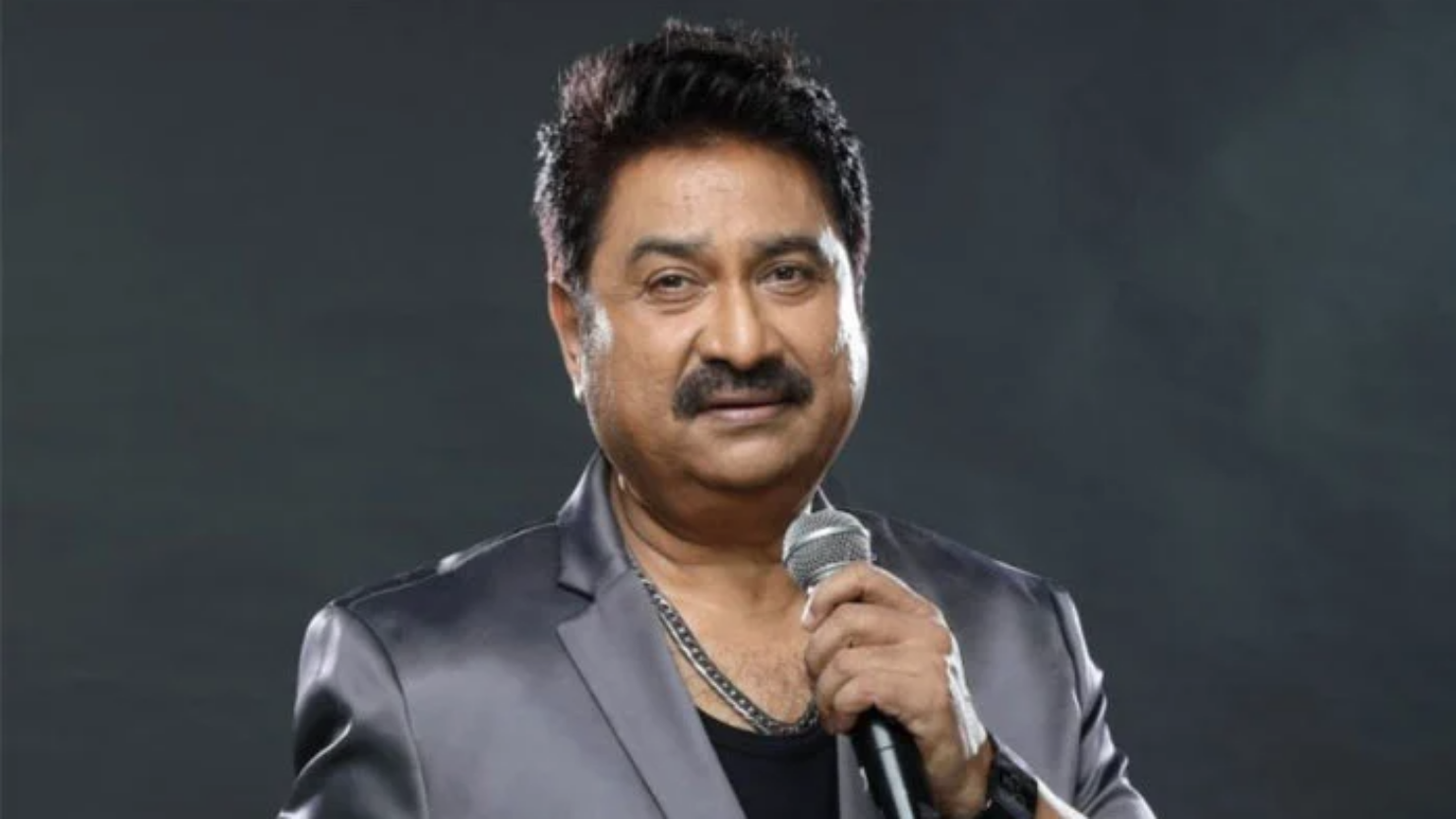
Kumar Sanu (born 1957) is a celebrated Indian playback singer whose smooth romantic voice shaped an entire era of South Asian music. Alongside his legendary Bollywood career, Sanu made a meaningful contribution to Nepali aadhunik and filmy music, recording a select but influential set of Nepali songs that remain popular decades later. Beginning his Nepali collaborations in the 1990s, he lent his signature melodic style to songs such as “Janam Janamko Chahana,” “Manko Yo Katha Ho,” “Trishna,” “Aankha Jhimkaudai,” “Himal Bata Bilera,” and “Ma Ta Aba Risauchhu,” all of which showcase his ability to blend Nepali lyrical emotion with his refined playback technique. His Nepali tracks — including fan favorites like “Purano Hudaina Maya,” “Timi Bina,” and “Sachi Rakhu” — continue to resonate with listeners, making Kumar Sanu one of the most respected Indian voices to contribute to Nepal’s modern and film‑song tradition.
Kumar Sanu
Playback Singer
Murari Thakur is a veteran Nepali cinematographer whose career spans more than three decades, contributing to some of the most formative eras of Nepali cinema. His work begins as early as 1982 and continues through the late 2000s, covering major commercial, romantic, and social‑drama films. He is known for his consistent visual craftsmanship across both black‑and‑white and early color Nepali films.His filmography includes landmark titles such as Jivan Rekha (1982), Silu (1987), Jhuma (1991), Rakshya (1993), Daijo (1996), Chori Buhari (1996), Chamatkar (1999), Apsara (2000), and Ajambari Maya (2002).
Murari Thakur
Cinematographer
Narendra Khadka is a senior Nepali film editor with a career spanning more than three decades. Active since the late 1980s, he has edited over 36 feature films, shaping the narrative rhythm and visual language of modern Nepali cinema. Known for his disciplined, story‑driven editing style, he has contributed to notable films such as Rajamati, Seemana, Zameen, Basanti, and Prem Yuddha.Beyond editing, Khadka has also worked in story writing and served as a Chief Assistant Director, expanding his creative influence within the industry. He is also recognized for his contribution to film education as the Founding Principal of the College of Film Studies, helping train a new generation of Nepali filmmakers.He is an honoree of the 7th LG Cine Circle Awards, receiving the Lifetime Achievement Award for his long-standing contribution to Nepali cinema.
Narendra Khadka
Video-film Editor, Colorist
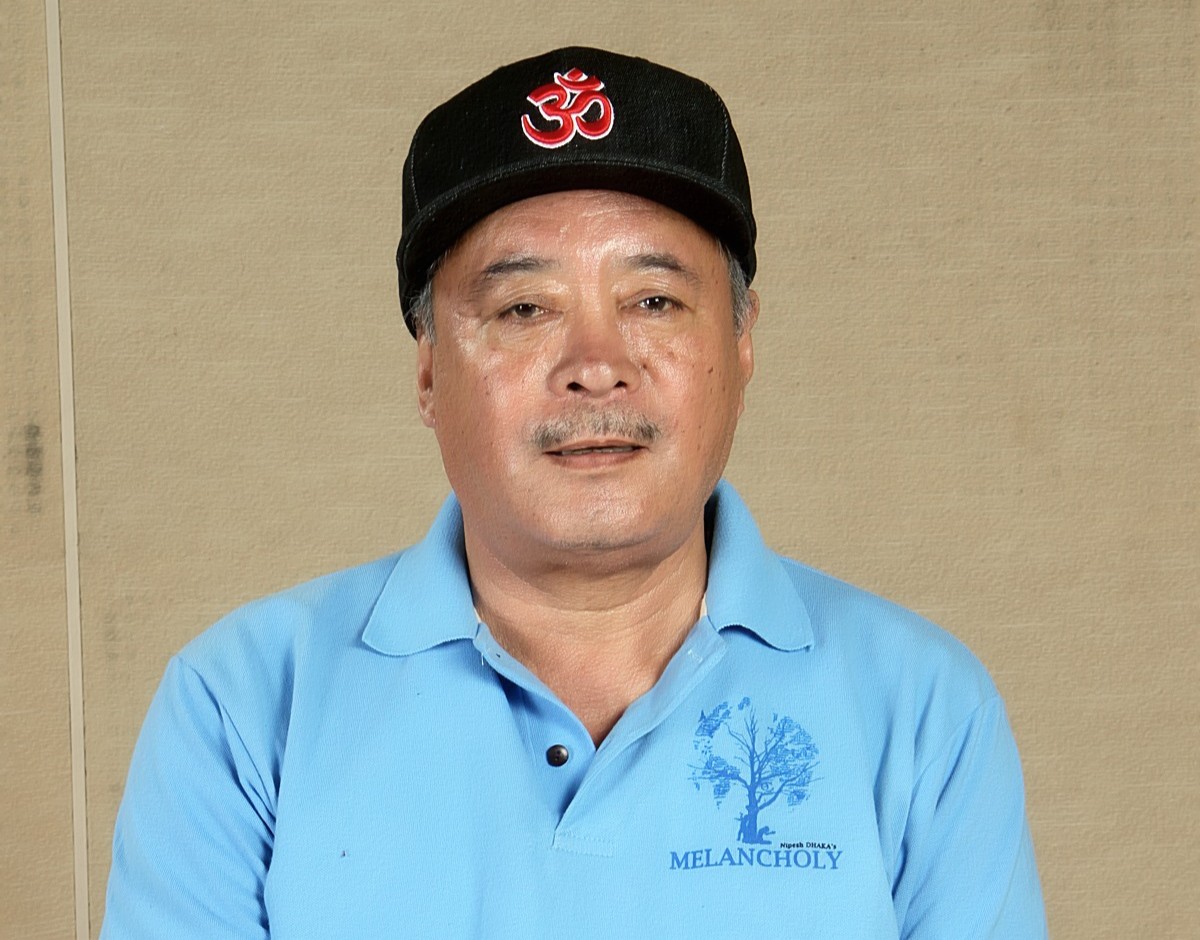
Prakash Gurung is a respected Nepalese musician and singer from Darjeeling, celebrated for his emotive vocal style and enduring contribution to Nepali adhunik and folk music. Inspired in childhood, he trained under iconic figures such as Amber Gurung, Gopal Yonzon, Karma Yonzon, and Nati Kazi, and even assisted Narayan Gopal during performances in Darjeeling.Active since the 1970s, he is known for timeless songs like Binti Chha Hai, Othma Aljhiyeko Bachan Deu, and Ma Bhani Bacheko Priya, blending traditional melodies with emotional depth. His career spans playback singing, composition, and music direction, including collaborations with leading artists and performances such as his 2014 Paleti duet with his daughter Reema Hoda Gurung. He has also served as a judge on Nepali Tara and continues contributing to Nepali film music into the 2020s.
Prakash Gurung
Music Director, Music Instructor, Singer/ Performer
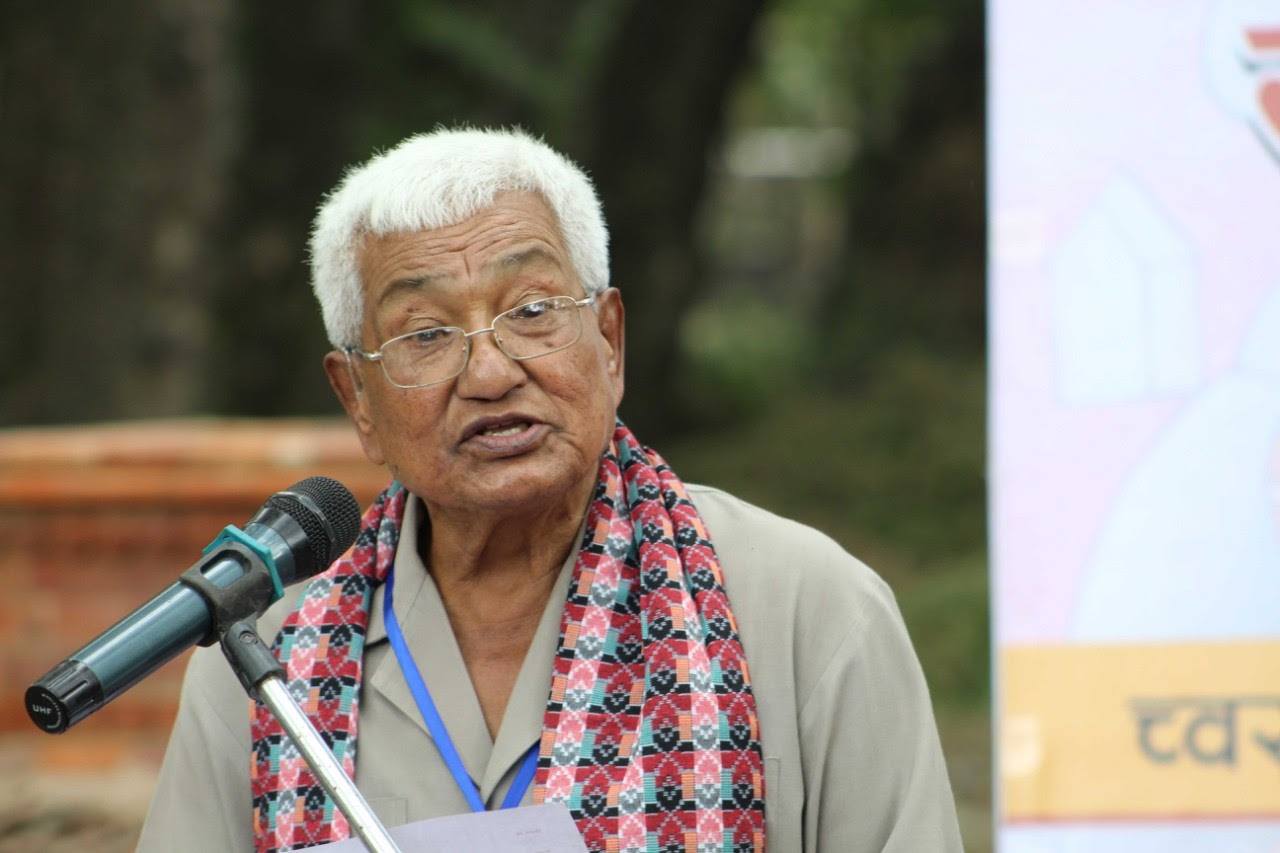
Durga Lal Shrestha is a celebrated Nepali lyricist and poet known for his powerful, socially conscious writing and his deep contribution to modern Nepali literature and music. Active since the 1960s, he has written some of Nepal’s most memorable and emotionally resonant lyrics, blending poetic sensitivity with themes of identity, struggle, love, and social justice. His works—often rooted in the lived experiences of ordinary people—have been performed by leading singers across generations, making him one of the most influential literary voices in Nepali songwriting. Shrestha’s poetry is recognized for its clarity, cultural depth, and humanistic spirit, securing his place as a respected figure in Nepal’s literary and musical heritage.
Durga Lal Shrestha
Lyricist, Poet
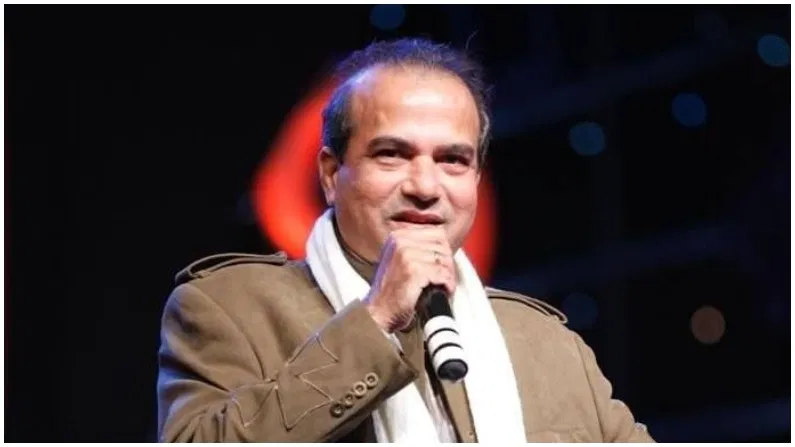
Suresh Wadkar has sung several Nepali playback songs, especially during the 1988s–1998s, and remains one of the few major Indian playback singers with a recognized presence in Nepali cinema. His Nepali songs are not widely documented in mainstream Indian sources, but his contribution is acknowledged in Nepali music circles.
Suresh Wadkar
Playback Singer
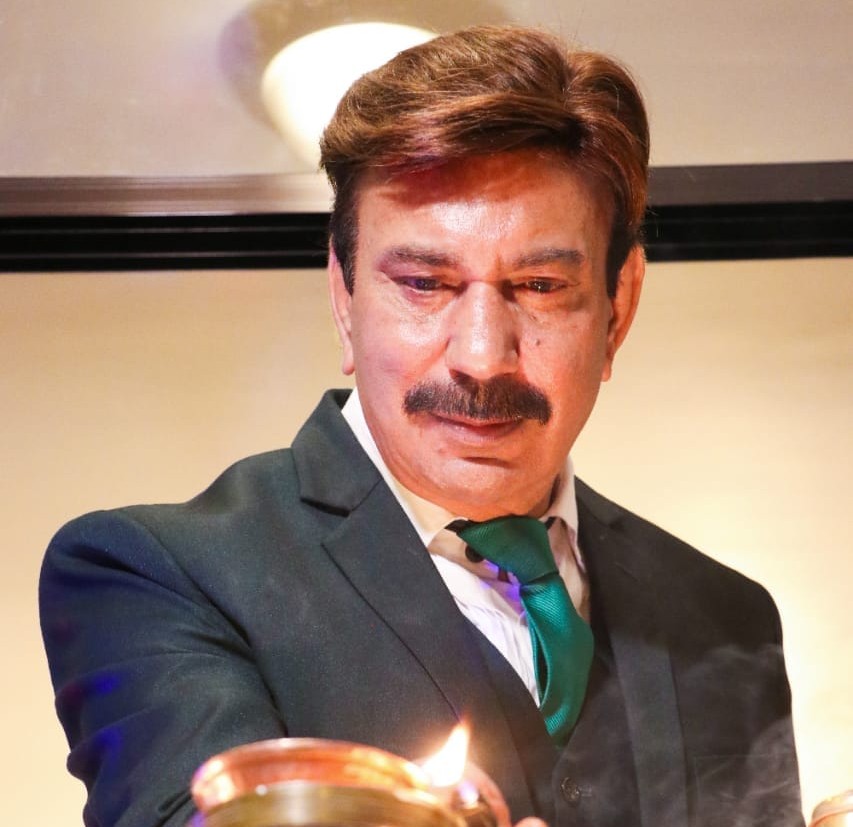
Bhuwan KC (born 23 August 1957) is a leading figure in Nepali cinema whose career spans singing, acting, film production, and direction. He began his artistic journey as a singer in the late 1970s, recording modern Nepali songs before transitioning to acting. His breakthrough as an actor came with the blockbuster film Samjhana (1983), establishing him as one of the most popular romantic heroes of the 1980s and 1990s.In the early 1990s, KC expanded into film production, producing several commercially successful films that strengthened his position in the industry. He later moved into direction, making his directorial debut with Dreams (2016), starring his son Anmol KC.Across four decades, Bhuwan KC has remained a central figure in Nepali cinema, contributing to its evolution through performance, production, and direction.
Bhuwan KC
Actor, Film Director, Film Maker/ Producer
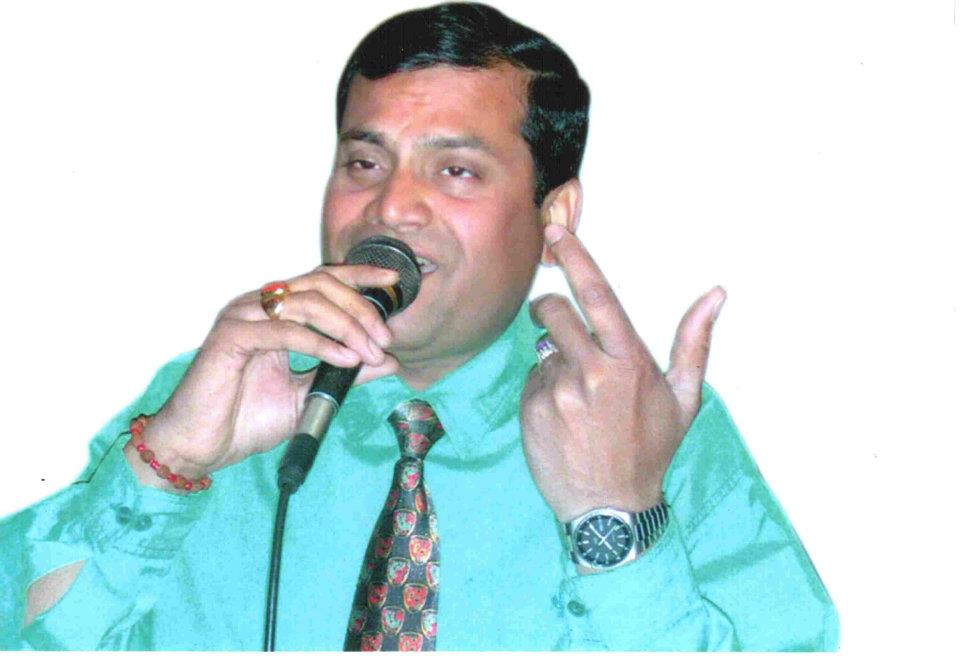
Rama Mandal is a veteran Nepali singer active since 2038 BS (1981 AD), known for his powerful folk and modern vocal style and for contributing more than 700 songs across Nepali, Maithili, Bhojpuri, Hindi, Tharu, and Awadhi languages.His formal musical journey began in 2038 BS (1981 AD) when he won the Koshi Anchal Modern Singing Competition. In 2039 BS (1982 AD), he secured second place in the Nationwide Lokgeet Competition at Birendra Sabhagriha, Biratnagar, receiving a Rs. 700 cash prize from Queen Aishwarya, which further motivated him.He later joined Tyros, the musical group led by Bhupendra Rayamajhi, becoming active in various musical programs. Around 2041 BS (1984 AD), he passed the Radio Nepal voice test with the song “Chahana ra ichchhāharu sabai phool jastai oiligae”. After completing Sangeet Prabhakar from Allahabad Music School, he joined Radio Nepal in 2045 BS (1988 AD).His playback journey began with the film Manakamana, singing “Jai Jai Aama Manakamana” and “Bujhdai nabujhne yo manlai bujhauna sakinina maile”. His fame rose sharply after “Kaha chhau kaha” from Gopikrishna (2048 BS / 1991 AD).Across his career, he has recorded 700+ songs, including 150+ film songs, with popular hits such as Yo ketiko thik chaina chala, Nyurod ma euti keti palis launa aaki, Jodi milne bho panchebaja thokne bho, Swargbhanda sundar chha hamro sano ghar.His multi‑language mastery and decades of contribution make him one of the most respected and prolific singers in Nepali music.
Rama Mandal
Playback Singer
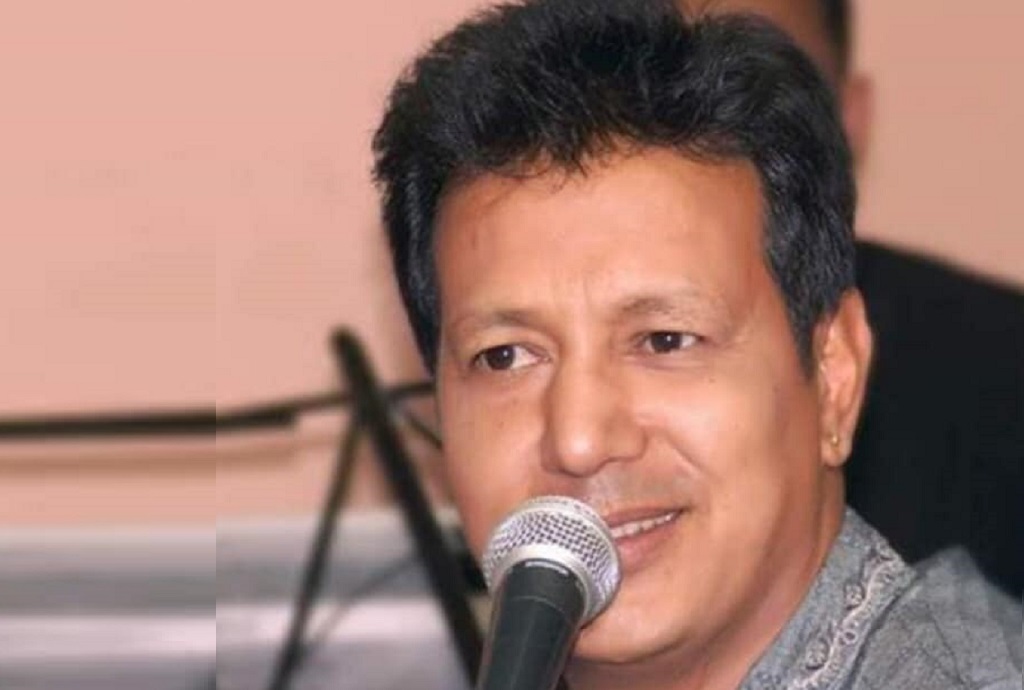
Nishan Bhattarai was a senior Nepali ghazal singer who emerged in the late 2040s BS, known for his soulful voice, emotional depth, and long dedication to stage and restaurant ghazal performances. He was the younger brother of renowned singer Lochan Bhattarai, and was respected for his gentle personality and commitment to the art of ghazal singing.He spent part of his career working at Radio Nepal, where he recorded several memorable songs. Among his notable works are “Yo mutubhitra timro tasbir…” composed by Milan Moktan, and “Kamanale bharieko…” written by Dirgha Singh Bam. Another well‑known song, “Maya gar maya gar…”, featured female vocals by Sukmit Gurung.Through decades of performances and recordings, he contributed significantly to the growth and preservation of Nepali ghazal music, earning admiration from audiences and fellow musicians alike.Nishan Bhattarai passed away in a road accident at Tinkune, Kathmandu, on Monday night, 28 Poush 2076 (13 January 2020 AD).
Nishan Bhattarai
Playback Singer
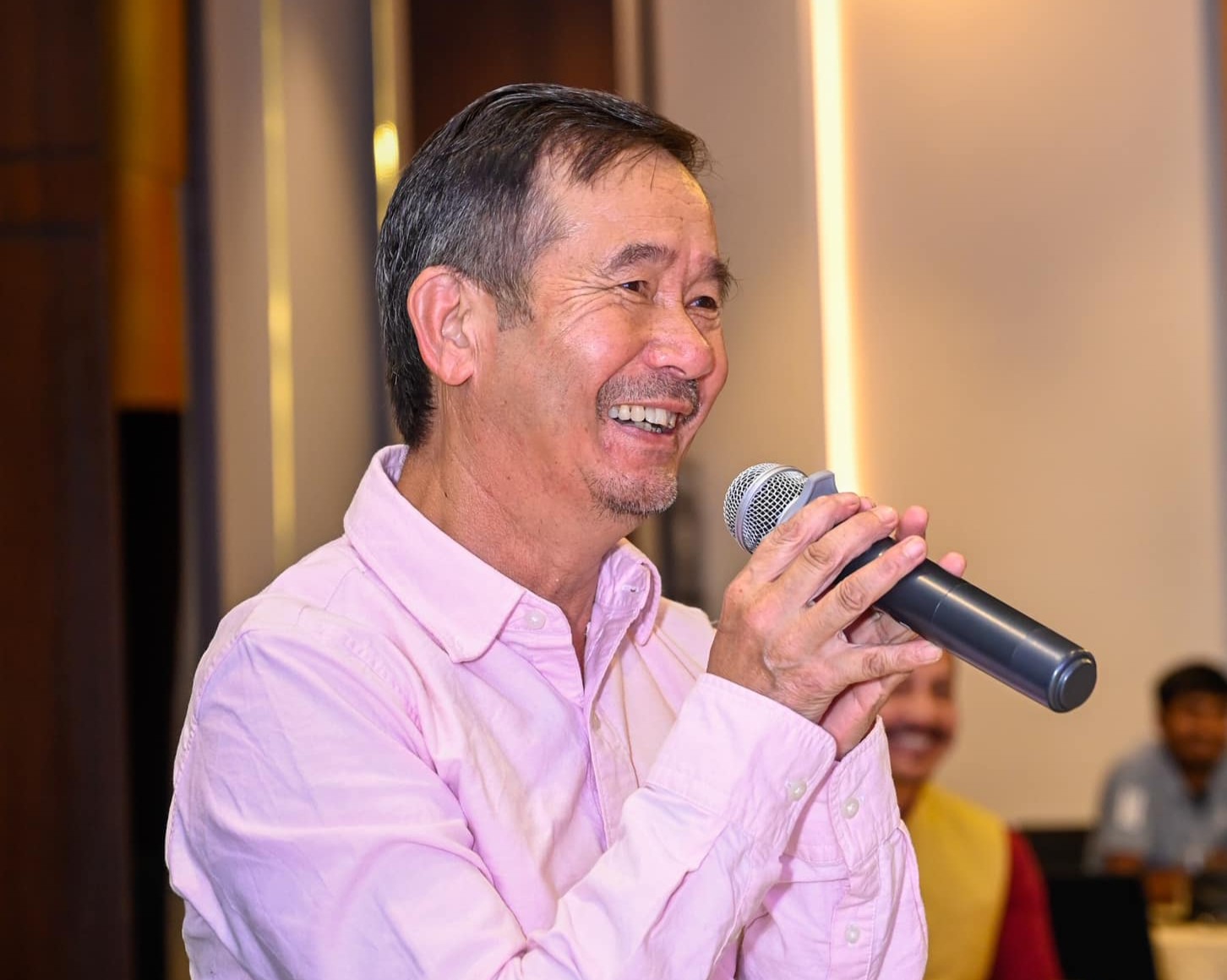
Shila Bahadur Moktan is a veteran Nepali music director, arranger, composer, and multi‑instrumentalist, celebrated for more than five decades of contribution to Nepali music. He is regarded as one of the most respected figures in modern and folk‑influenced Nepali music, known for his refined arrangements, melodic sensibility, and mastery of multiple instruments.Born and raised in Darjeeling, he received formal classical training under J.C. Rai, which shaped his foundation as a composer and instrumentalist. His first recorded song, “Aakha Kahile Najudos,” was broadcast on All India Radio, Kurseong, in the 1980s .Shila Bahadur Moktan has contributed to over 1,200 songs, working as a composer, arranger, and instrumentalist across genres ranging from folk to adhunik Nepali music. His notable early works include folk songs such as “Hoina Maile Dhakeko Badulki Lageko” and “Topi Hataile Bunera,” and the modern classic “Kahile Kahi Malai Pani Herideuna Pharkera,” a song that introduced both Kunti Moktan (vocals) and Shila Bahadur (music) to the Nepali music scene .He is married to legendary singer Kunti Moktan, and together they are considered pillars of Nepali music. Their daughters Subani Moktan and Shital Moktan are also successful musicians, continuing the family’s artistic legacy .After retiring from Music Nepal, Shila Bahadur initially planned to step back from active work, but his passion for music kept him fully engaged in composing, arranging, and performing. He continues to appear in concerts, including the Paleti Series, where he performs his own compositions and vocals .With nearly 50 years in music, he remains an influential figure whose arrangements, compositions, and instrumental work have shaped generations of Nepali music lovers.
Shila Bahadur Moktan
Music Director, Music Arranger, Musicians & Instrumentalists

Parvati Adhikari is a former Nepali film actress who was active in Nepali cinema during the late 1988s and 2000s. She is remembered for her appearances in several notable Nepali films of that era, including Bhumari, Pheri Bhetaula, Kasturi, Soltini, Garib, Dautari, and Bahadur.During her active years in the Nepali film industry, Parvati Adhikari worked alongside many popular actors and filmmakers of the time. Her performances in social and family-oriented films helped her gain recognition among audiences during the golden period of 1990s Nepali cinema. Although she was not frequently seen in mainstream media after the late 1990s, her contribution to Nepali films remains part of the industry's archival history.Apart from cinema, Parvati Adhikari has also been associated with the Nepali artistic community abroad. She has been linked with the Belgium-based organization “Euro Nepal Kalakar Sangh,” where she served in a leadership role supporting Nepali artists and cultural activities within the Nepali diaspora community.
Parvati Adhikari
Actress
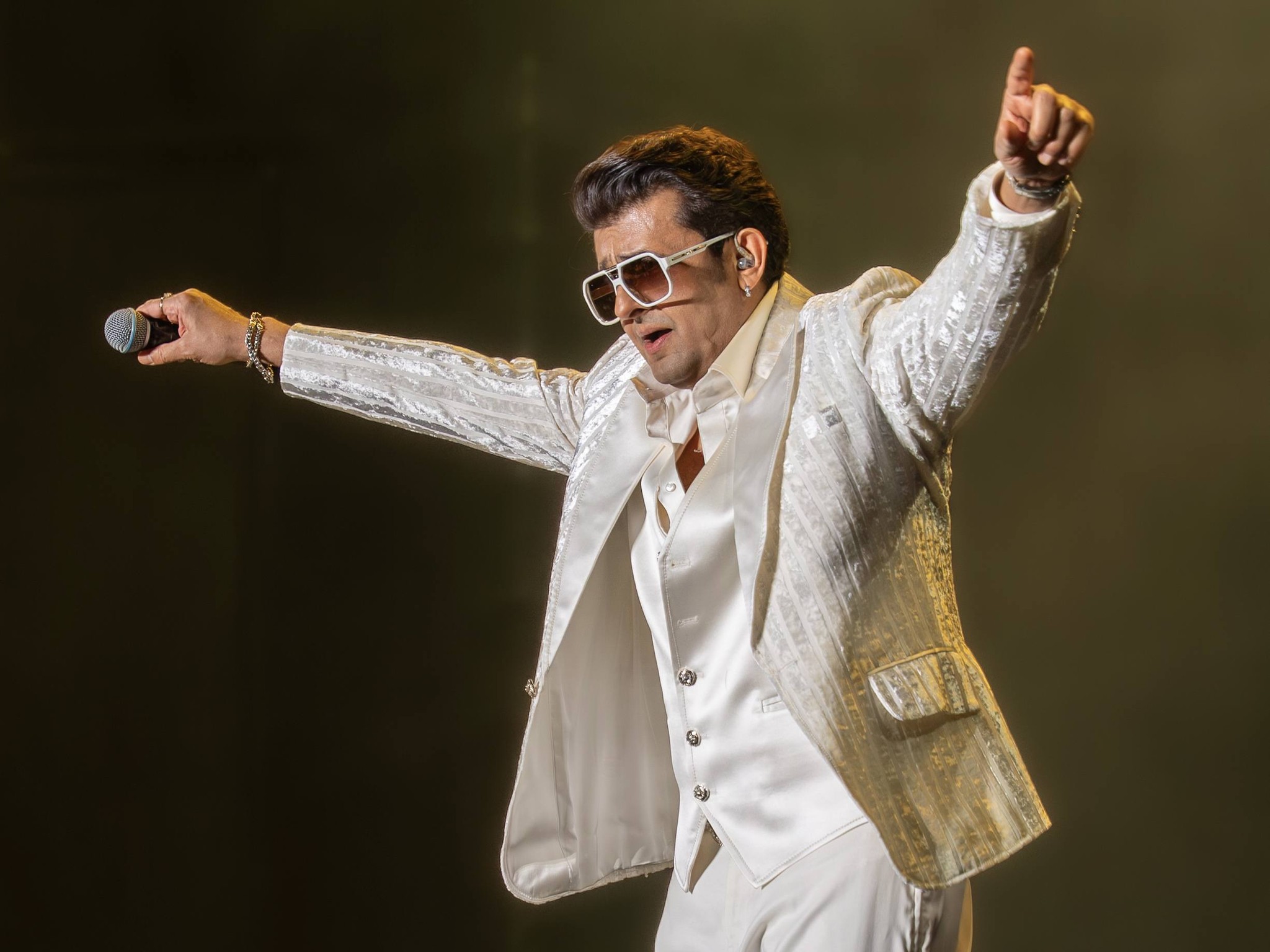
Sonu Nigam is an acclaimed Indian playback singer who has also contributed to Nepali cinema through a select number of modern and filmy songs. Known for his smooth vocal texture and emotional delivery, he became one of the few top‑tier Indian singers to record Nepali tracks during the 1990s and early 2000s, adding cross‑border appeal to Nepali film music. His Nepali songs, composed by leading Nepali music directors of the era, remain popular for their melodic richness and expressive vocal style.
Sonu Nigam
Playback Singer
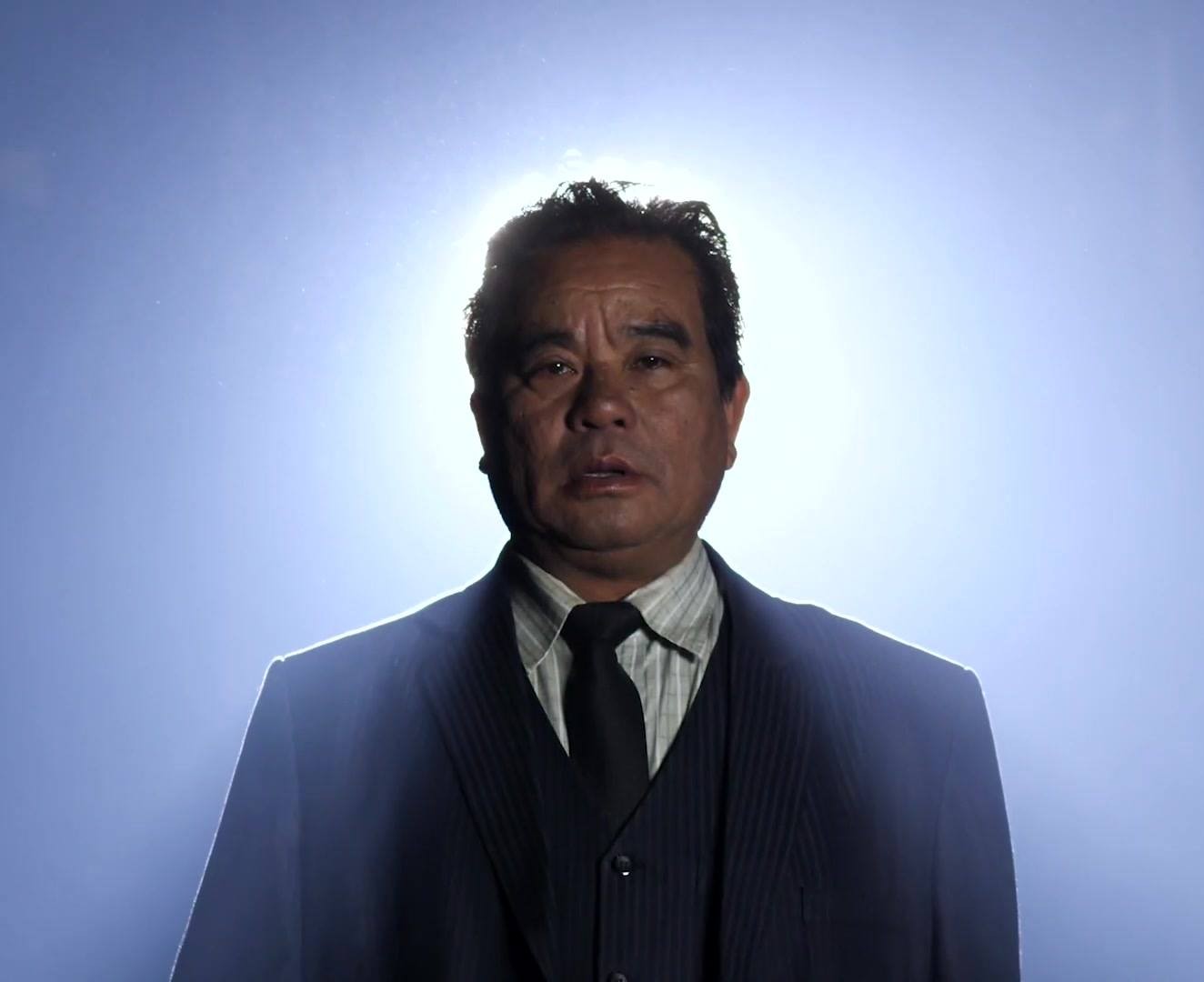
Jayananda Lama (1956–2020) was a respected Nepali singer, actor, and cultural contributor known for his powerful folk‑based vocal style and memorable performances in Nepali cinema. A graduate of Lalit Kala Campus and an advocate of Nepali folk heritage, he recorded numerous hit songs and appeared in several films, earning recognition for his natural acting and deep musical understanding. His work blended authenticity, humor, and cultural storytelling, making him one of the beloved figures in Nepali performing arts.
Jayananda Lama
Folk Singer, Film Artists
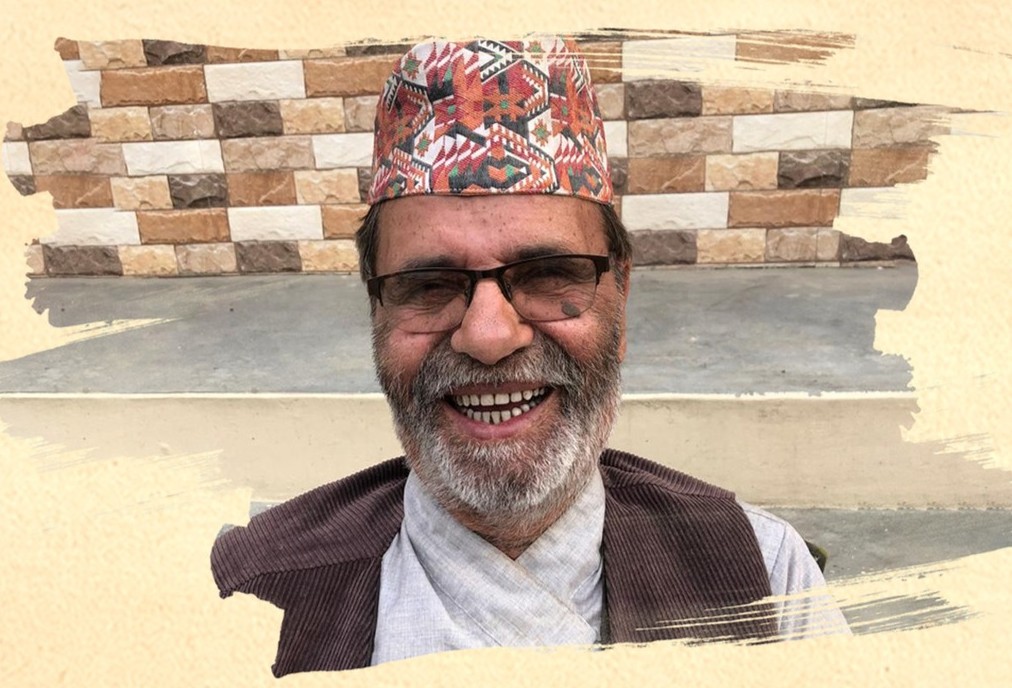
Lokmani Sapkota is a Nepali actor, director, and audio‑drama specialist whose career spans radio, theatre, television, and cinema. He began his artistic journey through Radio Nepal, where he directed and performed in numerous acclaimed radio dramas such as Aadambar and Ani Bajchha Sahanai, establishing himself as a prominent voice‑actor and drama director.Transitioning from radio to stage, Sapkota expanded his craft into theatre performance and direction, later moving into television series and eventually feature films. His screen credits include roles in Gaunthali (2001) and The Puppet (2021), reflecting his shift from audio‑based storytelling to on‑screen acting.With a career rooted in classical Nepali radio drama and strengthened by decades of multi‑platform performance, Sapkota remains recognized for his versatility across voice acting, stagecraft, and film.
Lokmani Sapkota
Theatre Artists, Film Artists
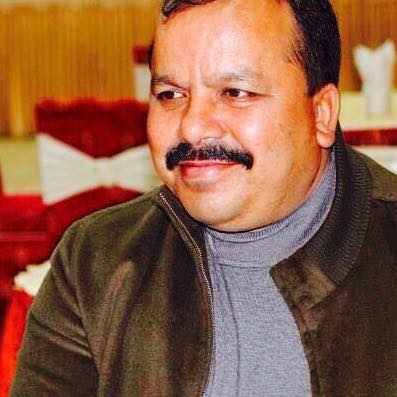
Umesh Pandey is a Nepali playback singer whose voice defined the popular film songs of the 2050s era, a time when audiences often went to cinema halls because of hit songs. Known for delivering melodies that instantly connected with listeners, Pandey rose to prominence with evergreen numbers such as “Rato Tika Nidharma Talkyo…”, which remain widely loved across generations.Pandey began his musical journey while studying at RR Campus in 2034 BS, where his close circle included singer Rabin Sharma and actor Bhuwan KC. Later, during his studies at Tri‑Chandra Campus, he became associated with noted musicians Shakti Ballav, lyricist Rajendra Paudel, and Prakash Shrestha. After passing the Radio Nepal test, he recorded his first song on 24 Poush 2036 BS, “Nai Bhanchhau Bhan…”, written by Vishwambhar Byakul and composed by Sambhujeet Baskota, at the age of 19.In 2039 BS, Pandey secured third place in the nationwide talent hunt “Pratibhāko Khoji,” organized by Ratna Recording Sansthan, earning him the opportunity to record professionally at a time when gramophone recording was considered a major achievement.His breakthrough came in the 2050s with Sambhujeet Baskota and director Ashok Sharma, who introduced him to film music through Nirmaya, where he sang “Meri Maya Saanchen Hai Ropi…” with Ramana Shrestha and Devika Pradhan. The massive success of “Rato Tika Nidharma Talkyo…” from Sharma’s film Allare established him as a leading playback voice. This success led to further hits, including “Goli Sisako…” (Gaunle), “Ma Bharma…” (Mr. Ramkrishna), and popular songs from films such as Aadhar, Naulothau Pari, Dharmaputra, Khatabah, Mitini, Jwalamukhi, and Saiyanji.Over his career, Umesh Pandey recorded songs for more than 25 films, with most becoming audience favorites. His expressive, melodic singing style made him one of the defining voices of Nepali cinema’s golden musical era.
Umesh Pandey
Singer/ Performer
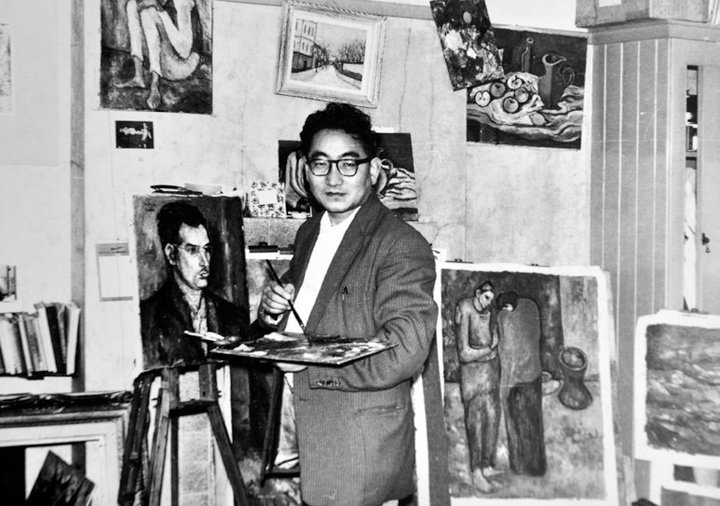
Lain Singh Bangdel (1919–2002) was Nepal’s pioneering modern painter, distinguished art historian, and acclaimed novelist, recognized as the Father of Modern Art in Nepal. His Paris‑influenced modernist style transformed Nepali painting, while his landmark research on stolen and early sculptures safeguarded national heritage. As Royal Nepal Academy Chancellor, he shaped Nepal’s artistic, academic, and cultural institutions.
Lain S. Bangdel
Professional Painter
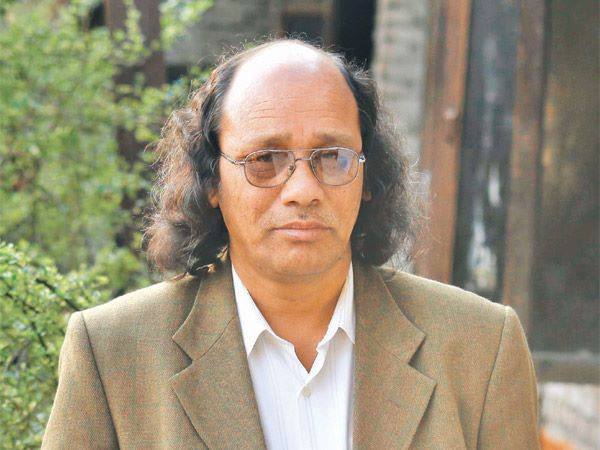
Saru Bhakta (born 1955), pen name of Bhakta Raj Shrestha, is a celebrated Nepali novelist, playwright, poet, and songwriter, honored with the Madan Puraskar for his landmark novel Pagal Basti, widely regarded as a classic of Nepali literature. A leading figure in post‑1970s Nepali writing, he introduced psychological depth, postmodern narrative techniques, and experimental dramatic forms. He has also contributed significantly to Nepal’s cultural institutions, serving in the Nepal Academy and as Chancellor of the Nepal Music and Drama Academy, while founding multiple literary and theatre organizations in Pokhara.
Saru Bhakta
Poet, Novelist, Playwright, Songwriter

Prem Lopchan is a respected Nepali folk and Tamang Selo singer, composer, dancer, and cultural artist from Bhuvagaun, Chautara Sangachokgadhi‑3, Sindhupalchok. Active for more than four decades, he is known for preserving and promoting Tamang musical heritage through soulful vocals, traditional rhythms, and dynamic stage performances. Born into a musically gifted family, he developed his craft from an early age and later gained national recognition through cultural programs during his service in Nepal Police. He continues to represent Tamang identity in Nepal and abroad, contributing significantly to folk music, dance direction, and cultural documentation.
Prem Lopchan
Folk Singer
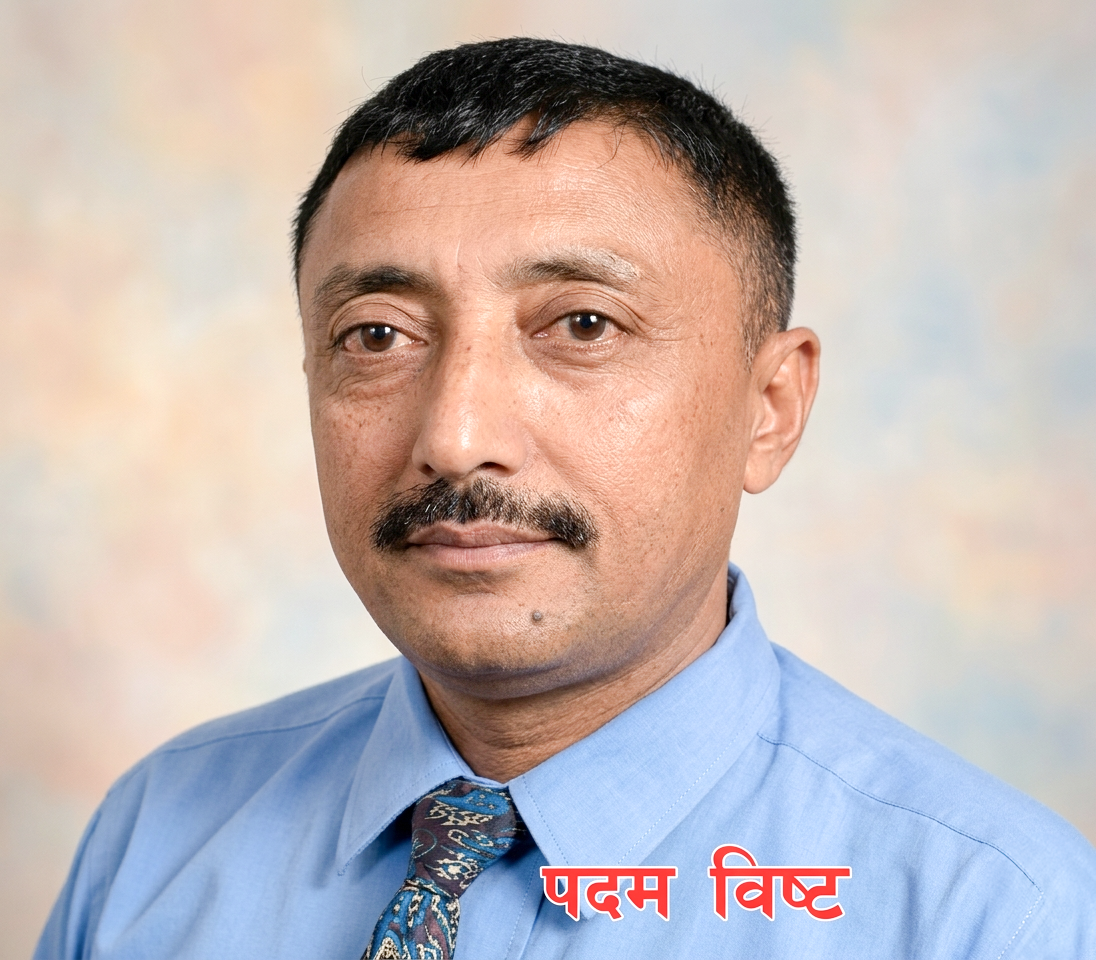
Padam Bista was a respected Nepali folk singer and a Nepal Police officer known for his dedication to preserving Nepal’s diverse musical heritage. A prominent figure of the cassette and Radio Nepal era, he traveled across regions, learning, collecting, and performing traditional melodies. He collected songs from Eastern Nepal to Western Nepal and helped preserve them in the treasury of Nepali folk music. His voice carried everything from eastern melodies to Tamang selo and western jhyaure songs. His powerful, earthy vocal tone and his ability to represent multiple regional styles made him a beloved figure among folk‑song listeners. Through stage performances, police cultural programs, and analog recordings, he brought rural stories and musical traditions to a national audience. Although digital records of his work are limited today, his songs continue to be remembered with respect and nostalgia by those who grew up listening to him.
Padam Bista
Folk Singer
Gitanjali Sunwar is a Nepali film artist/actress active in the late 1980s and 1990s, known for her roles in three notable Nepali feature films.
Gitanjali Sunwar
Film Artists
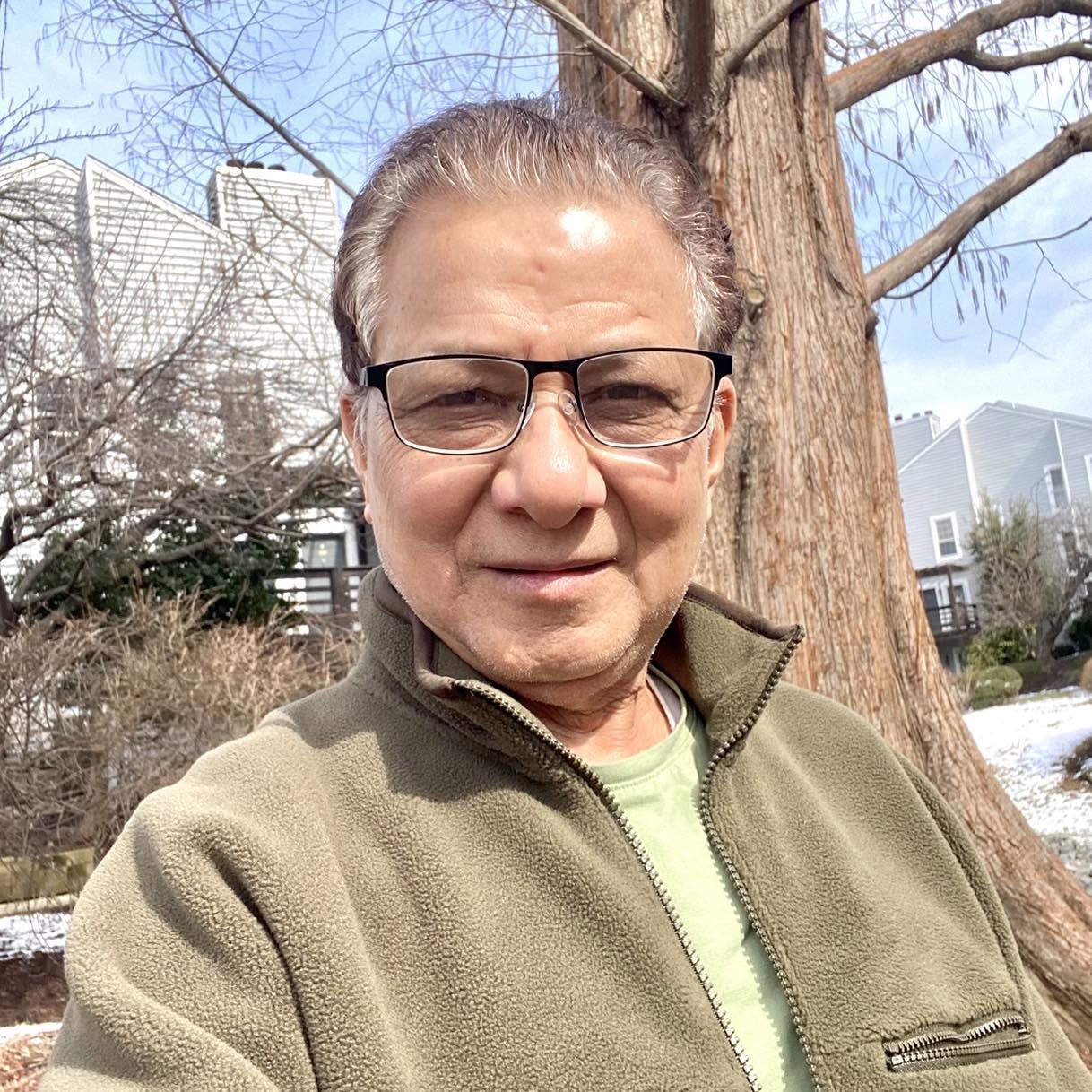
Madhu Chhetri is a legendary Nepali singer known for evergreen hits like Saili ra Maili Poila Gaechan, Phoolai Phoola Matra Pani, and Hurile Udauna Sakena, with a musical career spanning over four decades.
Madhu Chhetri
Folk Singer, Singer/ Performer
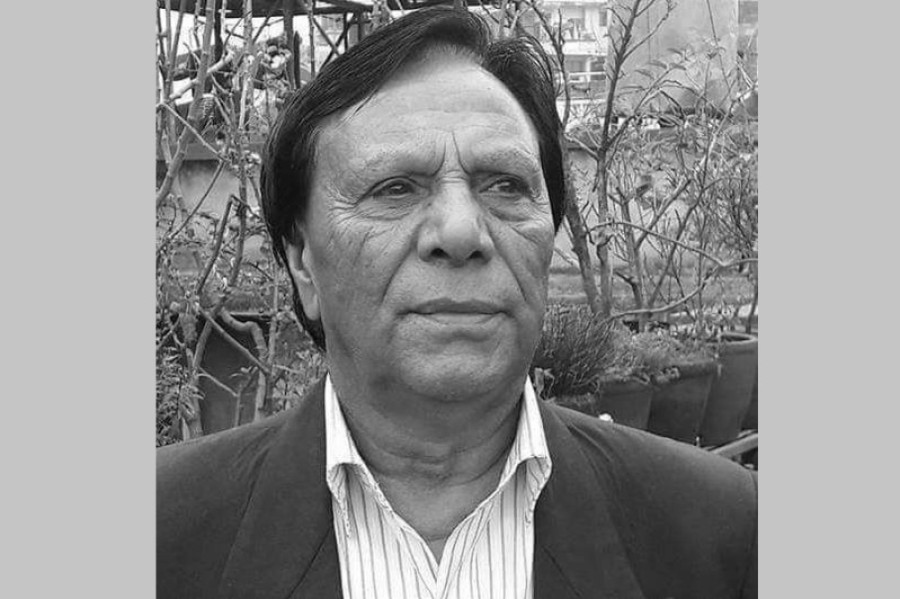
Bishwa Ballabh (born Ashoj 29, 2002 BS – died October 9, 2024) was a celebrated Nepali lyricist, poet, and Radio Nepal creator, known for writing more than 250 recorded songs that shaped modern Nepali music. Beginning his career as a teacher in Nuwakot, he later joined Radio Nepal, where he wrote and recorded iconic songs such as Bhagyale Khushi Khosera Lagyo, Shubhakamana, and Dherai Din Bho Timro Jhajhalko. He also hosted the popular program “Phulbari” and contributed to drama writing and direction. The younger brother of renowned writer Ishwar Ballabh, he remained an influential literary figure throughout his life. His passing at age 80 marked a significant loss to Nepali music and literature.
Bishwa Ballabh
Lyricist
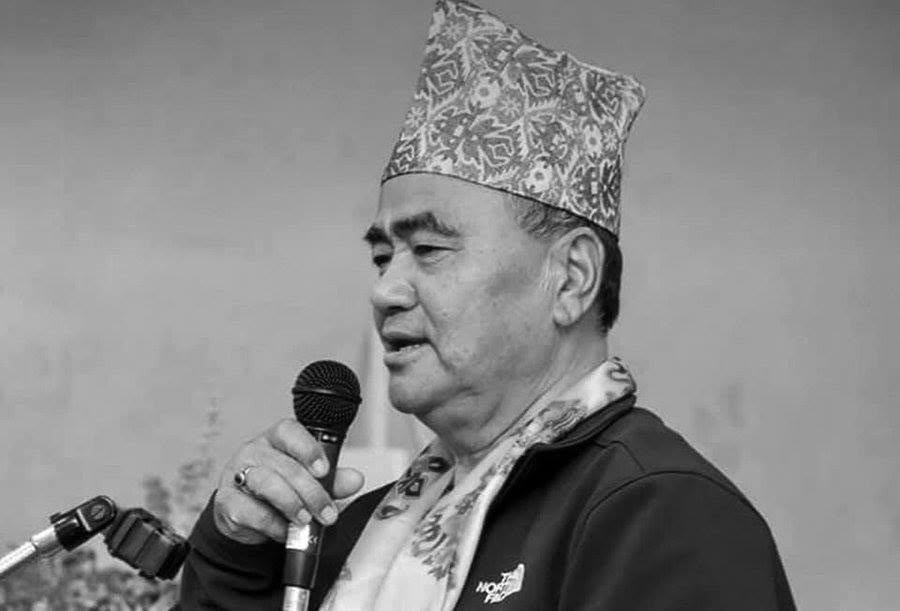
Madan Dipbim was a respected Nepali music composer, arranger, and singer, known for shaping the sound of modern Nepali music through his melodic, emotionally rich compositions. Born in Ilam, he built a long career creating songs that became staples of Nepali radio and cassette‑era music. He worked with Radio Nepal for several years, where many of his most popular works were recorded and broadcast nationwide.Across his career, Dipbim composed dozens of beloved songs, including “Surilo Rukh Sallai Ho,” “Timrai Yadma Kalpi Kalpi,” “Jhaskera Dukhchha Yo Mutu Mero,” and “Ke Bhul Bhayo Priya.” These songs remain widely recognized for their lyrical simplicity and heartfelt musical phrasing.In his later years, he lived in the United States with his daughter Mamata Dipbim, herself a singer, while continuing to remain connected to Nepali music and audiences abroad.Madan Dipbim passed away on April 22, 2019, in the United States due to a heart attack. His death was widely mourned as the loss of a gentle, influential, and melodically gifted figure in Nepali music.
Madan Dipbim
Music Director, Music Arranger
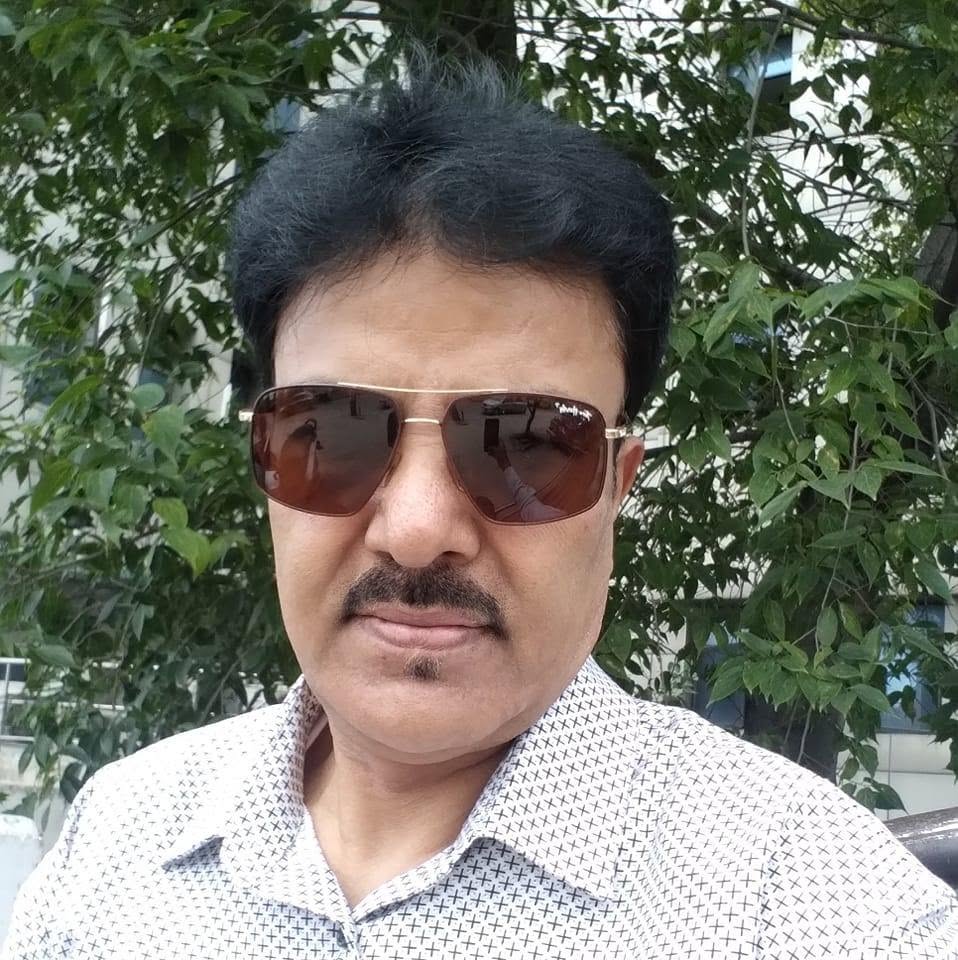
Pradeep Raj Pandey is a Nepali modern‑song vocalist known for his expressive singing style and recordings featured across Nepali audio labels and digital platforms. His notable songs include “Kina Aauchha Yaad,” “Kamjor Nasamjha,” and “Pathar Ko Mutu Banai,” which continue to circulate among Nepali listeners through radio, albums, and online music channels. His discography is also catalogued on AllMusic, reflecting his presence in the contemporary Nepali music scene. Although he maintains a low public profile, his recorded works have earned him recognition among modern Nepali music audiences.
Pradeep Raj Pandey
Singer/ Performer, Singers & Vocalists
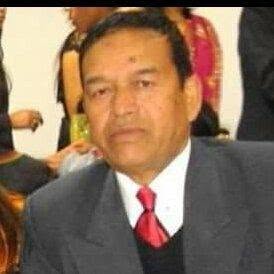
Ganesh Pariyar (1945 – 18 January 2021) was Nepal’s first music arranger, a pioneering composer, singer, and multi‑instrumentalist whose work laid the foundation of modern Nepali studio music. Beginning as a contractual instrumentalist at Radio Nepal in 2019 BS, he became a permanent musician in 2024 BS, introducing structured music arrangement to Nepali broadcasting for the first time.Before entering full‑time music, Pariyar served in the Nepal Army, rising to the rank of Havildar before resigning to pursue music professionally. A skilled violinist, saxophonist, guitarist, and folk instrumentalist, he played a central role in shaping the orchestral sound of early Nepali recordings.Across more than two decades at Radio Nepal, he contributed as an arranger, composer, vocalist, instrumentalist, and collector of lyrics and melodies. His disciplined musicianship and technical mastery helped elevate the quality of Nepali studio productions during a formative era.In 2050 BS, he joined Music Nepal as a Music Director and Arranger, influencing commercial music production and supporting countless singers and composers. His legacy remains foundational in the evolution of Nepali music arrangement.
Ganesh Pariyar
Music Arranger, Musicians & Instrumentalists, Folk Singer
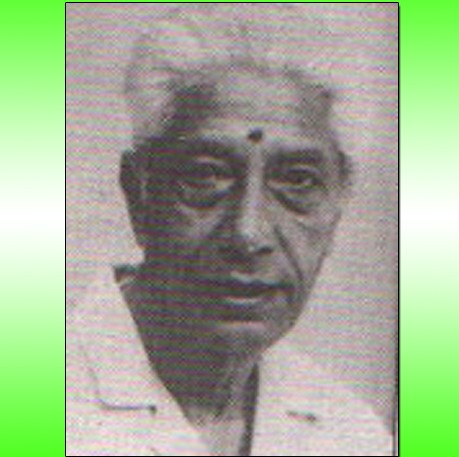
Laxman Lohani is a Nepali lyricist, poet, satirist, and playwright known for his patriotic songs, socially conscious poetry, and sharp political commentary. His writing blends folk emotion, national identity, and cultural storytelling, giving his work a distinctive voice in modern Nepali literature and music.As a lyricist, Lohani has written memorable songs rooted in Nepali life, rural sentiment, and emotional depth. His patriotic and social‑themed lyrics are recognized for their sincerity, clarity, and cultural resonance.As a poet, he creates lyrical and symbolic works that explore themes of nation, society, human emotion, and moral reflection. His poetry often highlights the struggles and aspirations of ordinary people.As a satirist, Lohani is known for bold and humorous critiques of political behavior, social hypocrisy, and leadership culture. His satire carries both wit and truth, making it powerful and memorable.
Laxman Lohani
Lyricist, Poet
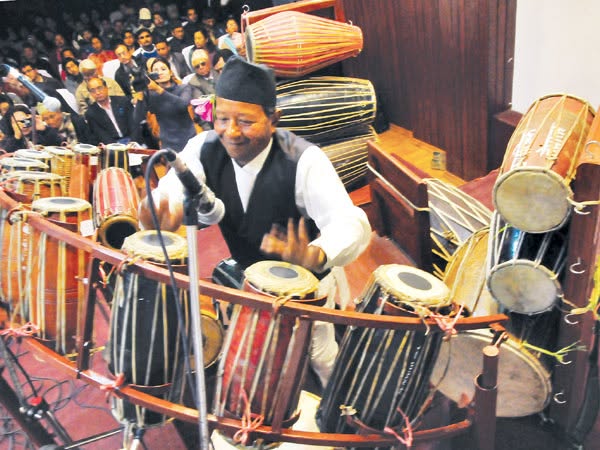
Nhuche Bahadur Dangol is a distinguished Nepali folk music educator, researcher, and multi‑instrumentalist, widely respected for his lifelong contribution to preserving and teaching Nepal’s traditional musical heritage. As an Associate Professor at Tribhuvan University, he has dedicated more than 36 years to teaching Nepali folk music, folk musical instruments, and traditional folk tunes to new generations of Nepali students.His career reflects a rare combination of academic depth, practical musicianship, and cultural stewardship. Dangol has played a central role in documenting, teaching, and transmitting the musical traditions of Nepal’s diverse ethnic communities. His classroom work, field knowledge, and performance experience have shaped thousands of young musicians, many of whom now serve as performers, teachers, and cultural ambassadors.Known for his mastery of multiple Nepali folk instruments, Dangol emphasizes authentic technique, historical context, and cultural meaning in his teaching. His approach blends scholarship, performance, and preservation, making him one of the most influential figures in Nepali folk music education.Through decades of service at Tribhuvan University, he has contributed to curriculum development, academic research, and the institutional recognition of Nepali folk music as a formal discipline. His work continues to strengthen the identity, continuity, and global appreciation of Nepal’s musical heritage.
Nhuche Bahadur Dangol
Musicians & Instrumentalists, Music Instructor, Madal - Dholak Player
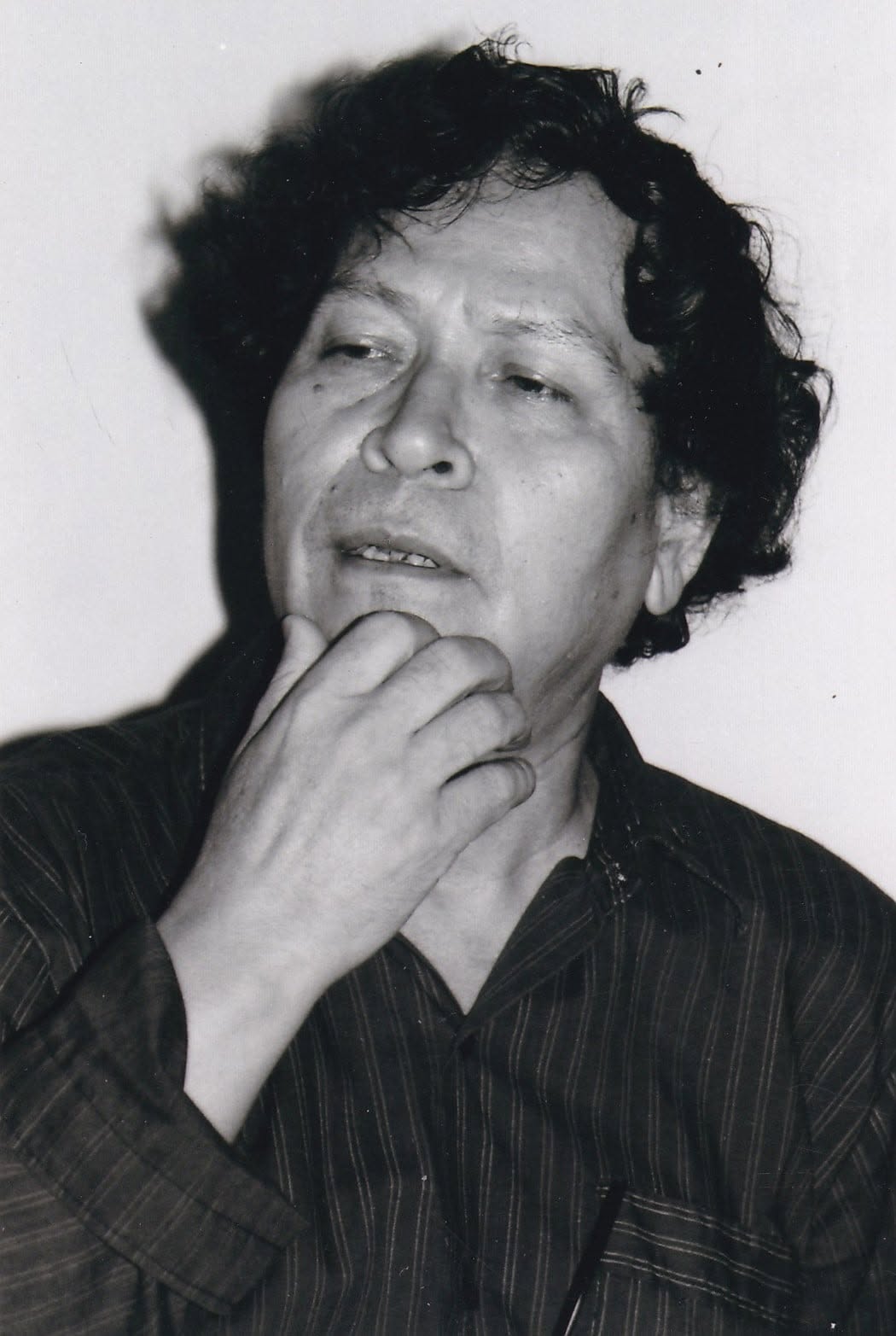
Manik Ratna Sthapit is a legendary Nepali singer and composer, widely admired for his expressive voice, refined musical discipline, and contribution to the development of Nepal’s modern musical era. Known for his smooth vocal delivery and deep melodic understanding, Sthapit became one of the respected voices who helped shape the sound of Nepali music during a transformative period.Emerging from a generation that valued classical grounding and cultural authenticity, Sthapit built his reputation through emotionally rich performances and compositions rooted in Nepali identity. His songs reflect clarity, balance, and a timeless melodic structure that continues to resonate with listeners and musicians.As a composer, he created works that blend traditional sensibility with modern musical expression. His compositions are known for their lyrical depth, elegant phrasing, and musical purity — qualities that earned him recognition among senior musicians, broadcasters, and cultural institutions.Throughout his career, Sthapit remained committed to artistic integrity. His influence extends across generations, inspiring singers, composers, and students who look to his work as a model of discipline, taste, and musical excellence.
Manik Ratna Sthapit
Music Director, Singer/ Performer
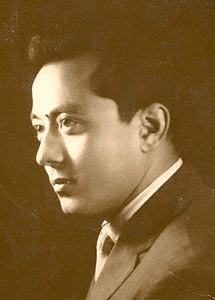
Pushpa Nepali (Born: 3 January 1932 AD – Died: 13 November 2001 AD) was a legendary Nepali singer, lyricist, and composer, celebrated for his powerful voice, disciplined artistry, and extraordinary contribution to the golden era of Radio Nepal. Born on Poush 19, 1988 BS in Kathmandu, he emerged as one of the most influential musical figures of his generation.He entered Radio Nepal in 2008 BS with a monthly salary of fifty rupees, marking the beginning of a remarkable musical journey. After serving for eight years, he briefly left the station, but his exceptional voice soon reached the ears of King Mahendra, who personally requested his return. Rejoining Radio Nepal, Pushpa Nepali resumed recording with renewed energy, and his voice quickly became one of the most admired in the country.By 2036 BS, he had recorded over 500 songs, establishing himself as one of the most prolific singers of his era. Alongside his vocal achievements, he also contributed around 25 lyrics and 25 musical compositions, all preserved as part of Nepal’s musical heritage.Pushpa Nepali’s artistry combined emotional depth, classical grounding, and cultural authenticity. His songs remain beloved across generations, and his influence continues to shape Nepali music long after his passing on Kartik 27, 2058 BS.
Pushpa Nepali
Singer/ Performer
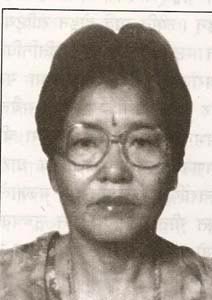
Ganga Rana was one of Nepal’s most influential voices in adhunik (modern) music, celebrated for her effortless singing style and her rare ability to perform both modern and folk songs with equal mastery. Her patriotic songs, emotional depth, and artistic versatility made her a defining figure in Nepal’s musical history. She was not only a singer but also a composer and lyricist, contributing significantly to the creative evolution of Nepali music.Born on Poush 9, 1996 BS in Rumjatar, Okhaldhunga, to Champa Singh Gurung and Chandra Devi Gurung Rana, she moved to Kathmandu at a young age with her elder sister and brother‑in‑law to pursue her education. However, her passion for music soon took precedence. While studying at Gaushala Adhar School, Chabahil, she actively participated in singing, dancing, and acting—laying the foundation for her artistic journey.Ganga Rana recorded her first song at Radio Nepal at age 14, and by 2010 BS, she was working there professionally. Her breakthrough moment came during the coronation of King Mahendra, where her performance captivated the entire audience. In 2011 BS, she gained national and international attention after singing a patriotic song to welcome Chinese Prime Minister Chou En‑lai during his visit to Nepal.She married Nur Pratap Rana in 2018 BS, and they had three children—sons Kundan Pratap and Amir Pratap, and daughter Rakshya Rana, who later became Nepal’s first female pilot.Throughout her career, Ganga Rana earned numerous honors:Gold Medal for acting from Nepal Rastriya Pustakalaya (2016 BS)2nd place in Radio Nepal’s Adhunik Singing Competition (2019 BS)1st place in the same competition (2020 BS)Awarded by King Mahendra for winning again in 2023 BSHonored for acting by the Cultural Association (2030 BS)Shree Panch Birendra Subharajyabhishek Padak (2031 BS)In 2049 BS, her husband established the Nurganga Puraskar Guthi in her memory, honoring artists from Lumbini every year.
Ganga Rana
Folk Singer, Singers & Vocalists
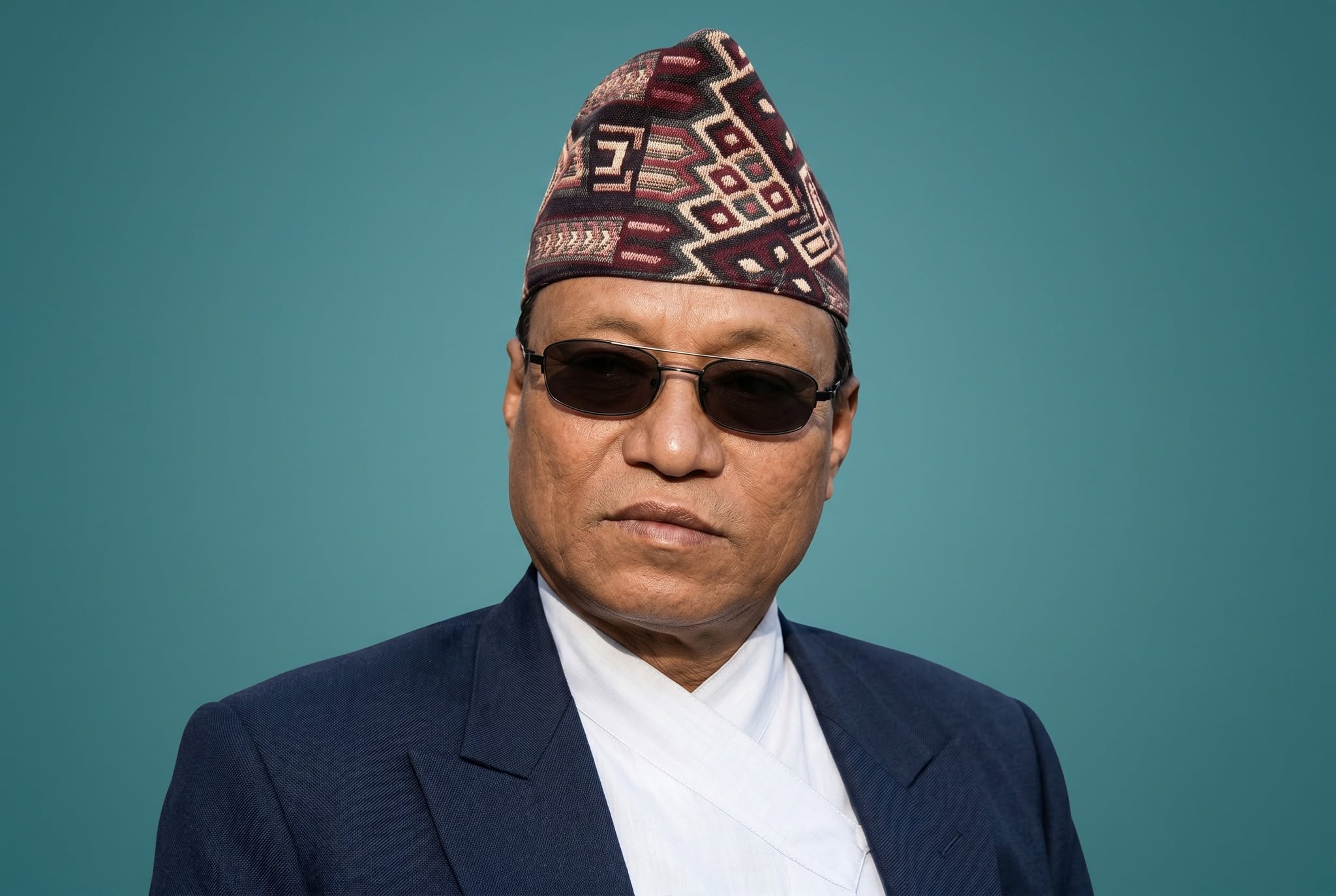
Pandav Sunuwar (पाण्डव सुनुवार) was a celebrated Nepali folk singer and pioneering Radio Nepal RJ, admired for his soulful voice, natural humor, and radio programs that transformed Nepal’s broadcasting culture. Born on 2009 BS Poush 9 in Ragani, Okhaldhunga, he rose from the eastern hills to become one of Nepal’s most beloved musical voices.He entered the music field around 2030 BS with the song “Sapanabhari Hansirahunshu”, and went on to record dozens of evergreen folk hits including “Ainseluko Paat,” “Sakyo Nani,” “Shahrai Jaula Ni,” “Bhijyo Timro Rato Pachhyauri,” “Babari Phoolko Bot,” and many more that remain cultural staples across generations.His duet partnership with Vasudev Munal produced nearly five dozen songs, making them one of the most iconic duos in Nepali folk music history.As a Radio Nepal RJ, Pandab Sunuwar became a household name through programs like Phone‑In, Chautari, Jharna ra Jhankar, Sungabha, Indreni, and others. He is widely credited with introducing Nepal’s first Phone‑In program, a format later adopted by FM and TV stations nationwide. His warm, witty, and emotionally resonant voice made him a national favorite.He authored the book “Aaroh‑Avaroh”, documenting the evolution of Radio Nepal and Nepali broadcasting.Pandab Sunuwar passed away on 2063 BS Asoj 21 at King’s College Hospital, London, while undergoing treatment for liver cirrhosis. His artistic legacy continues through his children, including his son Simosh Sunuwar, a well‑known music video and advertising film director active in Nepal’s contemporary visual and commercial media industry.
Pandav Sunuwar
Radio Jockey [RJ], Folk Singer
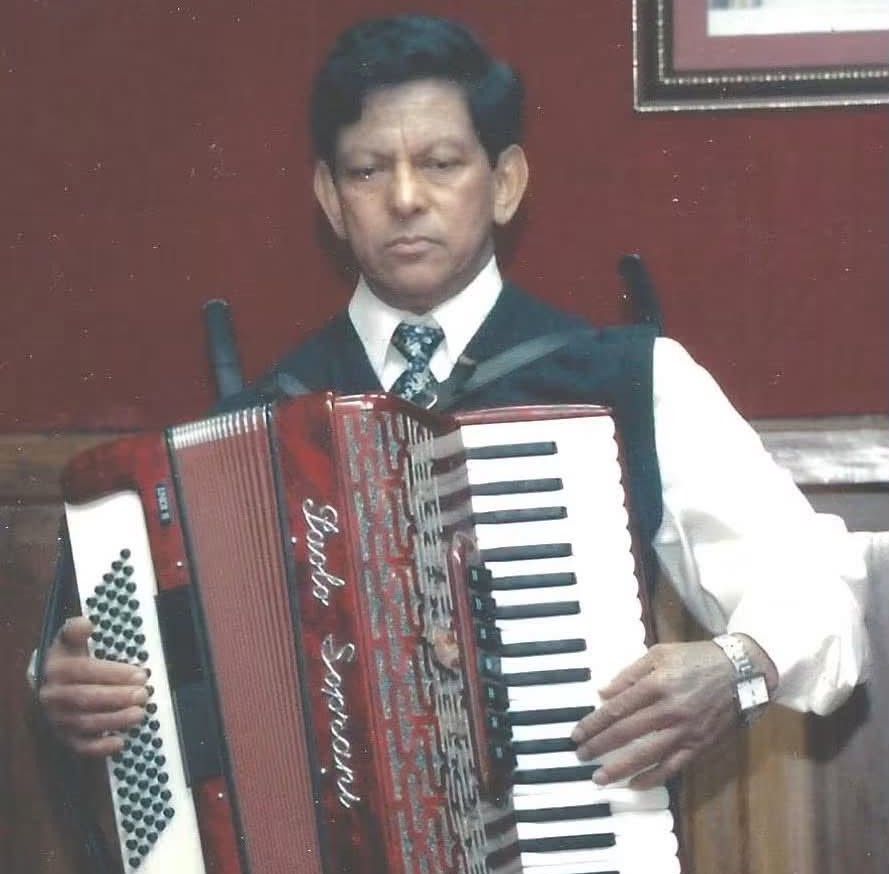
Kiran Rasaily (born 24 March 1947, Kolkata) was one of Sikkim’s most versatile and influential artists—an accomplished composer, multi‑instrumentalist, photographer, painter, architect, and cultural mentor. He gave his first public musical performance in 1953 in Gangtok and rose to prominence in 1964 after composing the patriotic song “Sikkim Dhara Hara Bhara…” written by Jaybir Subba. Gifted with mastery over harmonium, banjo, mouth‑organ, violin and the iconic piano‑accordion presented to him by the Chogyal, Rasaily became a central figure in Sikkim’s musical ceremonies and later co‑founded the Denzong Musical Society. Parallel to his artistic journey, he built a distinguished career as an architect, designing landmark structures across Gangtok, Namchi, and beyond. His passing at 79 marked the loss of a rare multi‑talented cultural treasure whose contributions continue to shape Sikkim’s artistic and architectural identity.
Kiran Rasaily
Music Artists
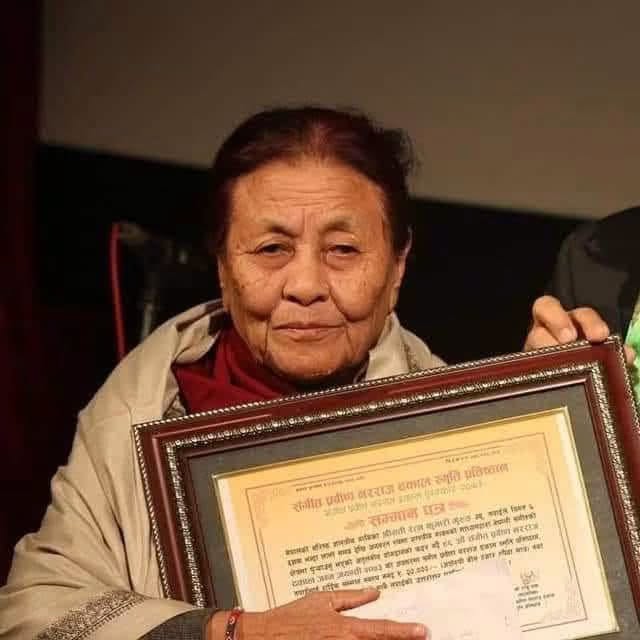
Ratna Kumari Gurung is a Nepali classical and folk‑classical singer known for her contribution to traditional vocal music and her presence in Nepali cultural performance circuits, she is recognized in Nepali music listings as a classical‑leaning vocalist with appearances in cultural programs and traditional music platforms. Within the classical domain, Ratna Kumari Gurung is associated with semi‑classical and classical vocal styles, often performed in cultural events, traditional gatherings, and Nepali folk‑classical platforms.
Ratna Kumari Gurung
Music Artists
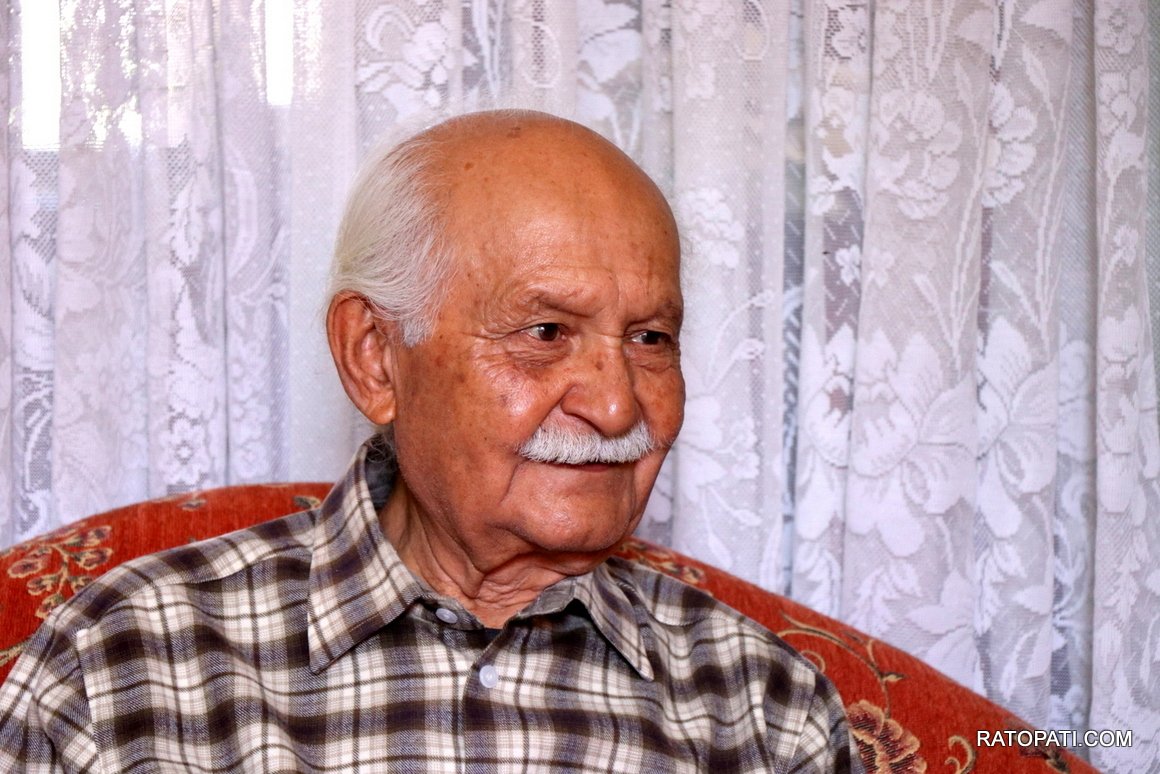
Nagendra Thapa (नागेन्द्र थापा) is a Nepali lyricist and poet known for his significant contributions to Nepali music and literature. He has written numerous songs and poems that have resonated with audiences. Some of his notable works include songs like "Sangala Ghumtoharu", "Aankha Dekhi", and "Suntale Otha". Nagendra Thapa has also been recognized for his contributions to Nepali music, receiving honors such as the Natikaji Rastriya Bishishta Sangeet Samman 2080. Nagendra Thapa played a significant role in bringing together two legendary figures in Nepali music, Narayan Gopal and Gopal Yonjan. He was instrumental in establishing their collaboration, which resulted in many timeless songs that have left a lasting impact on Nepali music. Their partnership redefined the Nepali musical world, giving us evergreen songs that continue to resonate with audiences
Nagendra Thapa
Lyricist, writer-author
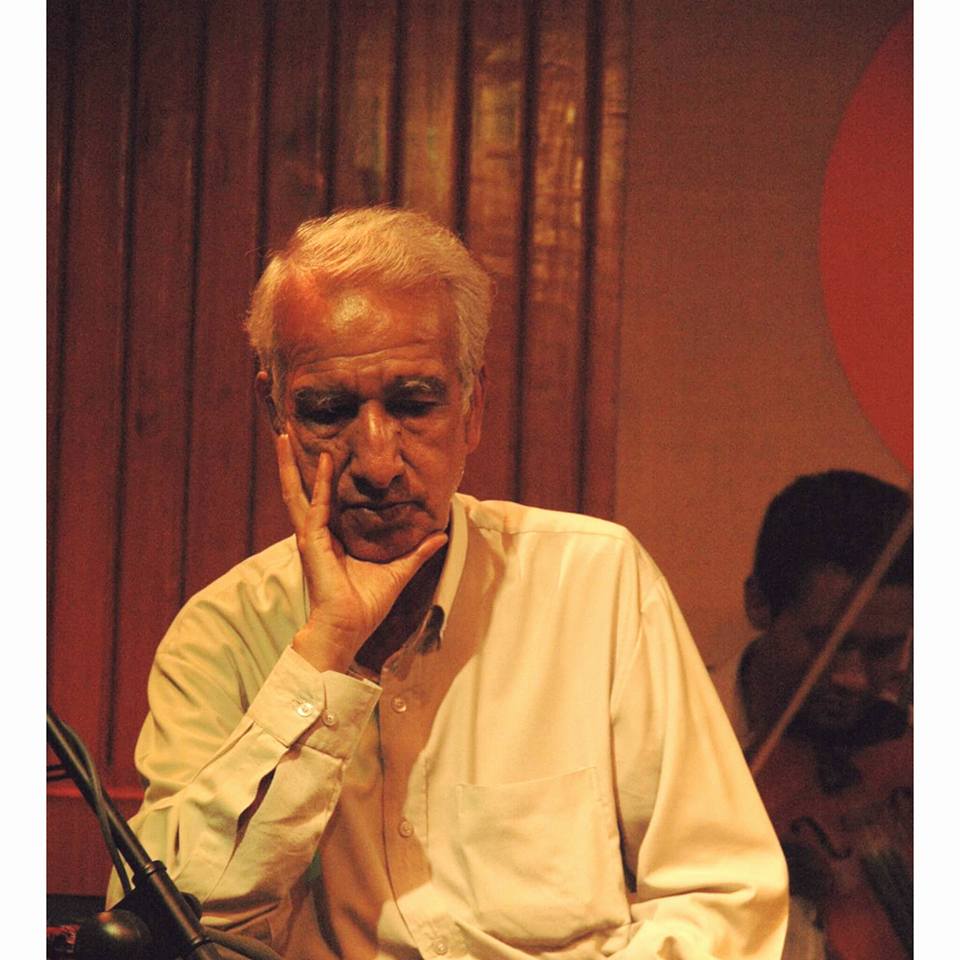
Ratna Shumsher Thapa (1939–2020) was a distinguished Nepali poet and lyricist, renowned for his significant contributions to Nepali music and literature. Born on July 31, 1939, in Kamalpokhari, Kathmandu, he began his poetic journey in 1951. Over his prolific career, Thapa penned numerous timeless songs that have become integral to Nepali culture. Notable Works: "Aankhako Bhaka Ankhaile" "Swargaki Rani" "Kunjama Gunjiyo" "Bho Bho Nasodha" "Madhumas Yo Dilko" "Ye Kanchha Thattaima" "Bichodko Pida" "Sero Fero Mero" "Ghumtima Naau Hai" "Jaga Lamka Chamka Hai Naujawan Ho" His lyrics often explored themes of love, separation, and human emotions, resonating deeply with audiences. One of his most celebrated collaborations was with the legendary singer Narayan Gopal on the song "Swargaki Rani," which remains a classic in Nepali music. Awards and Recognition: Thapa's literary excellence earned him several prestigious awards, including the Jagadamba Shree Puraskar and the Bhupi Poetry Award. Passing: Ratna Shumsher Thapa passed away on May 28, 2020, at the age of 80, due to pneumonia. His demise marked the end of an era in Nepali literature and music, but his legacy continues to inspire artists and music lovers.
Ratna Shumsher Thapa
Lyricist
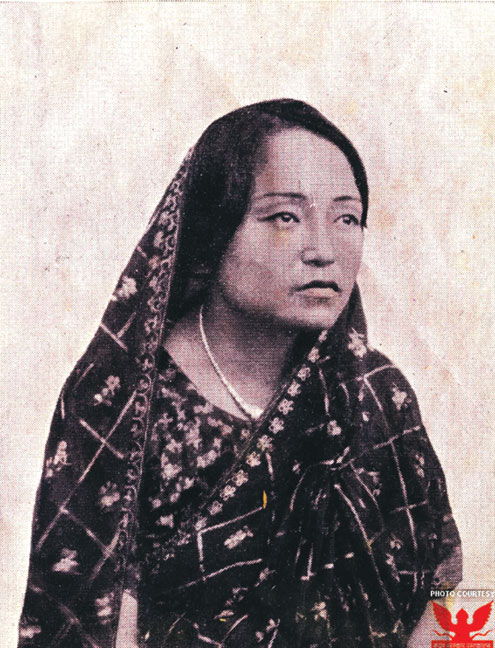
Melwa Devi Gurung, also known as Melawa Devi, holds the distinction of being Nepal's first female recording artist. Born in 1954 B.S. (circa 1897) in Rumjatar, Okhaldhunga District, Nepal, she emerged as a pioneering figure in the nation's musical landscape. In 1928, Melwa Devi traveled to Calcutta (now Kolkata), British India, to record her songs, marking a significant milestone in Nepali music history. Among her notable recordings are "Na Gharlai Ghar Kahincha Nari Nai Durbar Ho" and "Sawari Mero Relaima," which resonated with many listeners and showcased her exceptional talent. Her musical prowess garnered the attention of Chandra Shumsher Jang Bahadur Rana, the Prime Minister of Nepal at the time, under whose patronage she performed. Melwa Devi's contributions not only paved the way for future generations of female artists but also enriched Nepal's cultural heritage. In recognition of her impact, Nepal issued a commemorative postage stamp in her honor in 2013, celebrating her legacy as an eminent singer.
Melwa Devi Gurung
Music Artists, Singer/ Performer
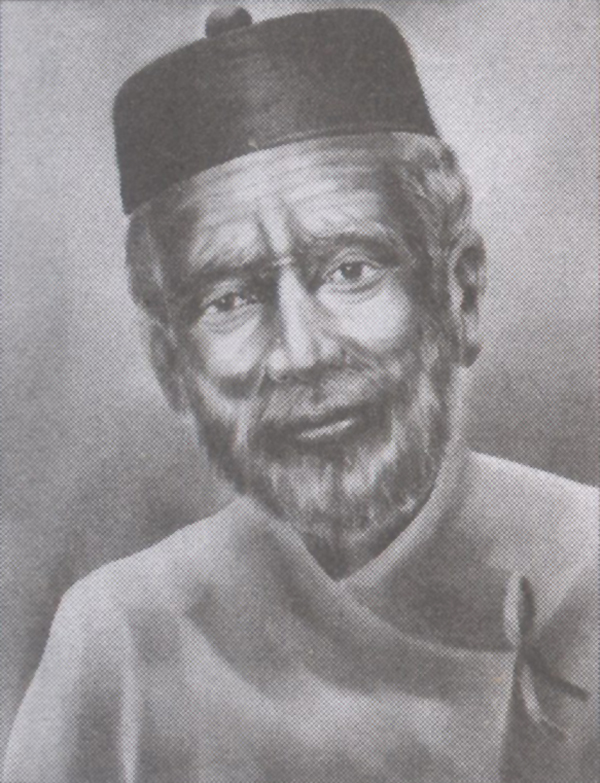
Seturam Pradhan holds the distinction of being the first Nepali singer. Born in 1891 in Kathmandu, Nepal, he was a pioneer in Nepali music and played a significant role in its early development. His contributions laid the foundation for modern Nepali music, and his legacy continues to inspire artists and musicians in Nepal.
Seturam Pradhan
Music Artists, Singer/ Performer
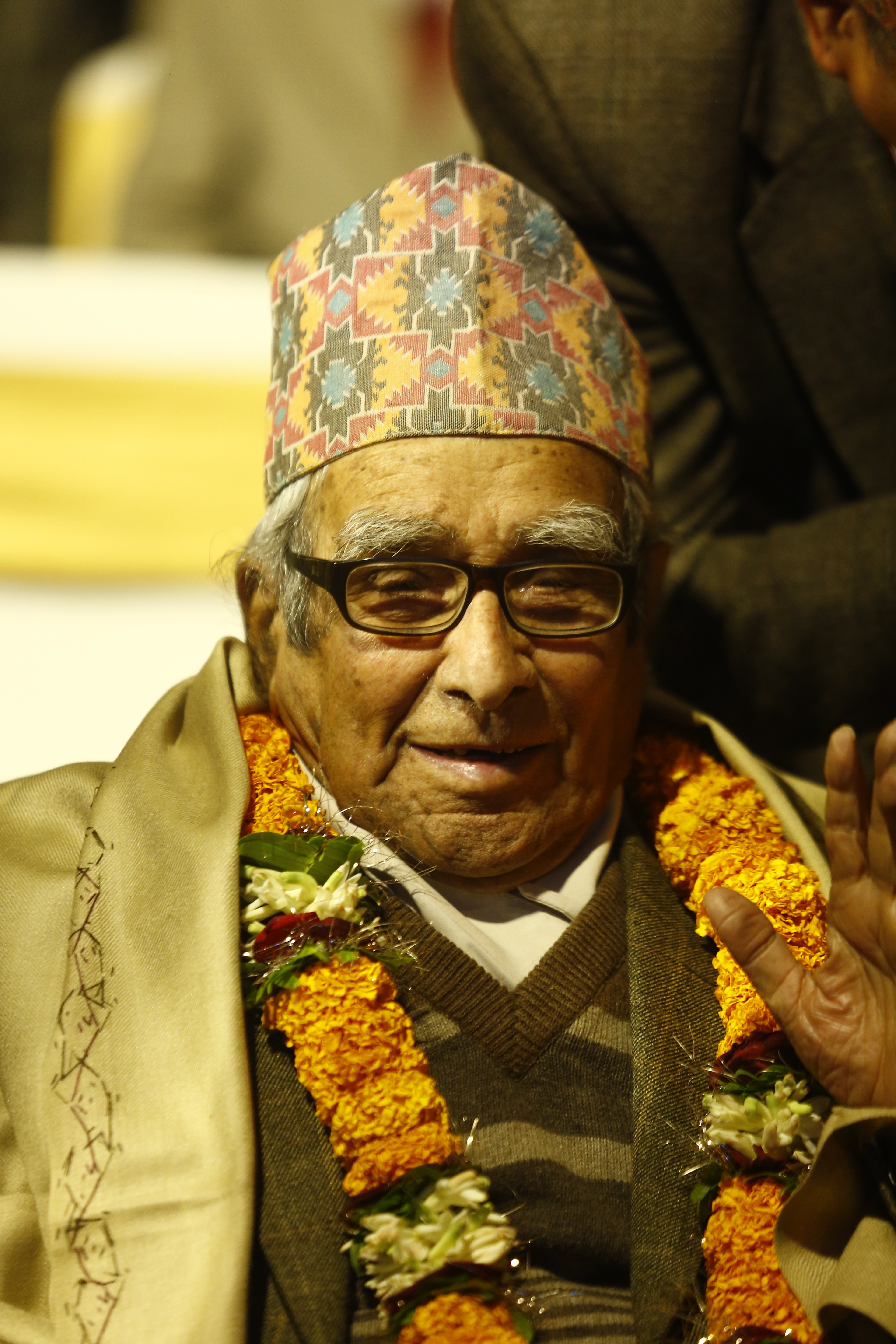
Madhav Prasad Ghimire was a celebrated Nepali poet and scholar, honored as the "Rashtrakavi" (National Poet) of Nepal. Born on September 23, 1919, in Lamjung, Nepal, he had a literary career spanning over eight decades. His works, such as Gauri, Malati Mangale, Shakuntala, and Himal Pari Himal Wari, are considered masterpieces of Nepali literature. Ghimire's poetry often explored themes of nature, romance, patriotism, and societal truths. He was inspired by the works of Rabindranath Tagore and contributed significantly to Nepali literature through epic poems, plays, essays, and songs. He also served as the Vice Chancellor and Chancellor of the Royal Nepal Academy. He passed away on August 18, 2020, at the age of 100, leaving behind a legacy that continues to inspire generations.
Madhav Prasad Ghimire
Lyricist, writer-author
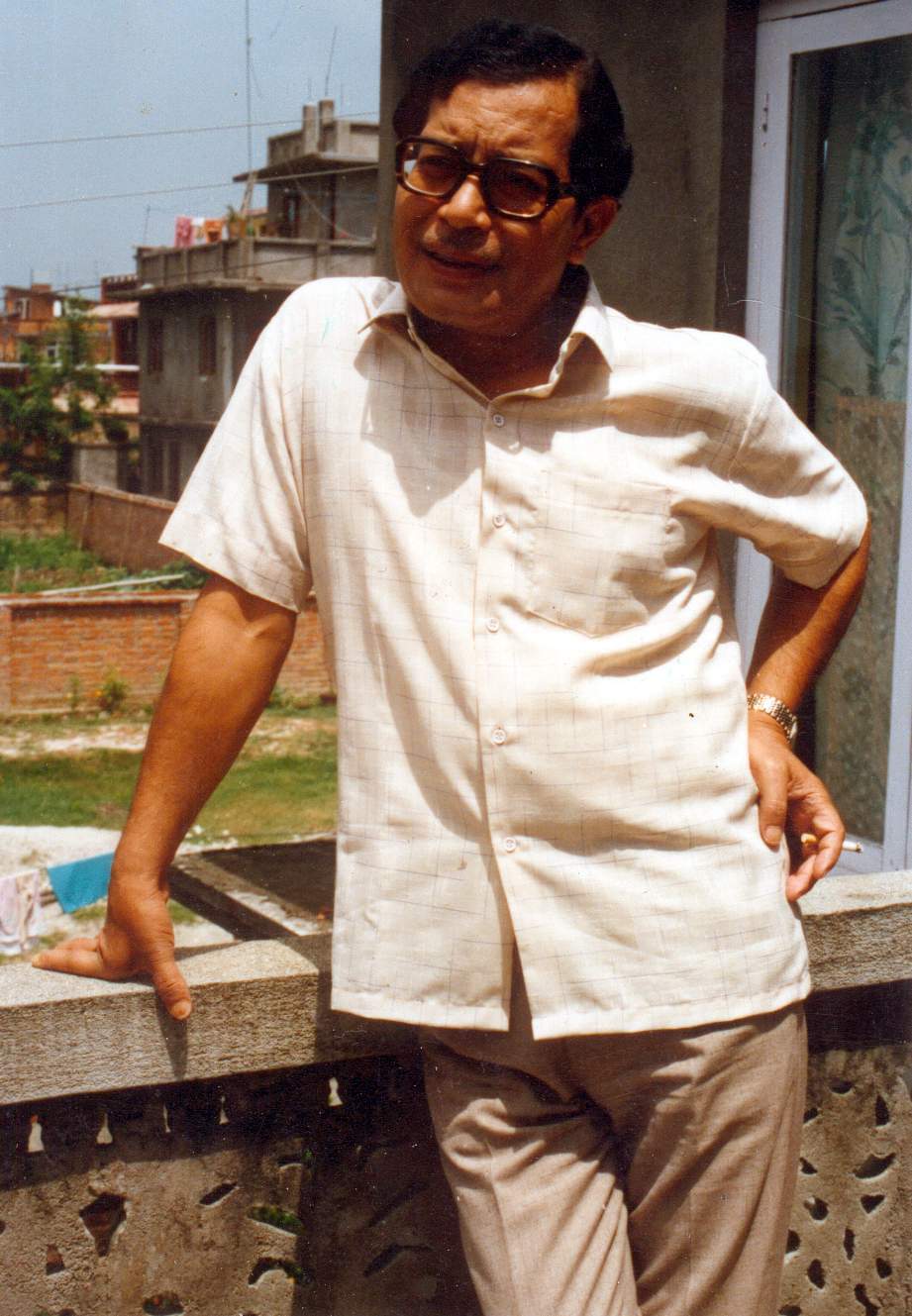
Narayan Gopal Gurucharya (नारायणगोपाल गुरुआचार्य) (October 4, 1939 – December 5, 1990), known professionally as Narayan Gopal and N. Gopal was a prominent popular singer and composer of Nepali music. Regarded one of the most significant cultural icons in Nepal, he is referred as “Swar Samrat” (Nepali: स्वर सम्राट, meaning: Emperor of Voice) in Nepal. He is also known as “Tragedy King” owing to his numerous tragedy songs. He also sang in Nepalbhasa. Owing to his vocal range he was capable of singing songs of every Nepalese genre. Often, his songs were accompanied by the sitar, harmonium and flute. He was also a music director during the 1950s to the 70s and belongs to the first generation of professional Nepali singers. His songs have been showcased in several movies and dramas across the country. Narayan Gopal released 137 songs during his lifetime, his first songs were composed by his friend Prem Dhoj Pradhan and his teacher Manik Ratna. Gopal is one of the most celebrated and influential musicians of the 20th century and received many awards during his lifetime.
Narayan Gopal
Music Artists, Singer/ Performer
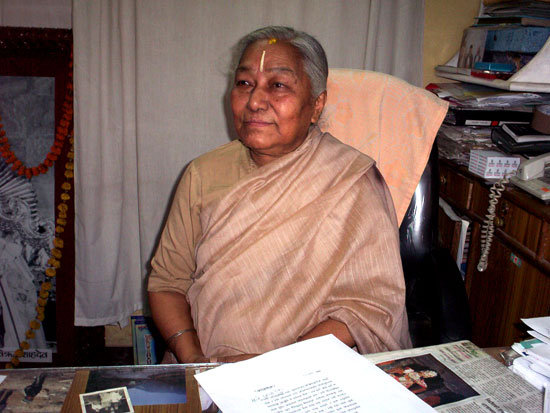
Koili Devi Mathema (1929–2007) was a trailblazer in the Nepali music industry, celebrated as the first woman lyricist, singer, and composer. Born as Radha Basnet in Chisapani Gadhi, Makwanpur, Nepal, she was affectionately nicknamed "Koili" (meaning "cuckoo bird") for her melodious voice. Her career began at Radio Nepal after the establishment of democracy in Nepal, and she went on to record over 4,000 songs, including modern and patriotic pieces. She also composed iconic songs like "Jahi ra juhi phul mala gansi duwaile launla." Koili Devi received numerous accolades, including the Gorkha Dakshin Bahu V and Chinnalata Music Award, for her contributions to Nepali music.
Koili Devi Mathema
Music Artists, Singer/ Performer
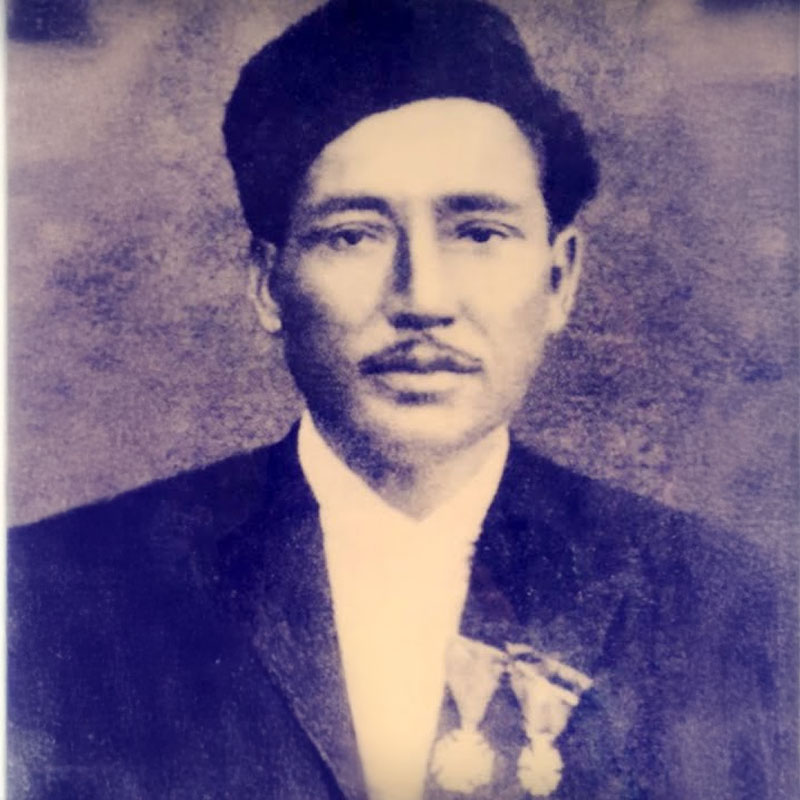
Master Ratna Das Prakash was a pioneering figure in Nepali music, especially known for shaping the genre of aadhunik geet (modern songs) during the mid-20th century. Key Details: Date of Birth: Unfortunately, his exact birth date is not publicly documented. Active Years: He was actively recording and performing from the 1950s through the 1970s, particularly through Radio Nepal and the Ratna Recording Trust, which began producing phonograph records in 1961. Contributions: He helped blend Indian light classical music, Nepali folk melodies, and Western harmonies, creating a sentimental and distinctly Nepali sound. His recordings were among the earliest to be distributed widely in Nepal, making him a household name in urban music circles.
Master Ratna Das Prakash
Music Artists, Music Instructor
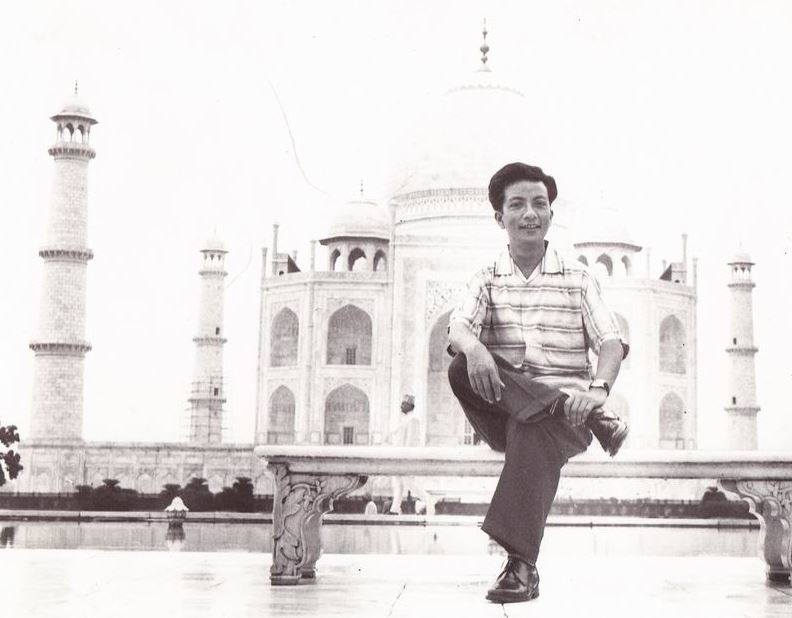
Natikaji, (Amrit Lal Shrestha) born in dec 25 1925 in Lalitpur, Nepal, is revered as one of the most influential music directors in Nepali history. A prodigy from a musical Newar family, he began playing harmonium at age seven and later joined Radio Nepal in 1950, where he composed over 2000 songs across genres. His works include timeless classics like Marna Baru Garho Hunna, Nepali Hami, and Phoolko Thunga Bagera Gayo. He also directed music for more than 15 operas and several Nepali films, including Man Ko Bandh and Sindoor. Known for blending classical depth with emotional resonance, Natikaji earned prestigious honors such as the Gorkha Dakshin Bahu and Chinnalata Geet Puraskar. His melodies continue to shape Nepal’s musical identity, making him a cultural icon. He passed away in nov 22003, leaving behind a legacy that still echoes in the hearts of Nepali music lovers.
Nati Kaji
Music Artists, Music Director, Singer/ Performer
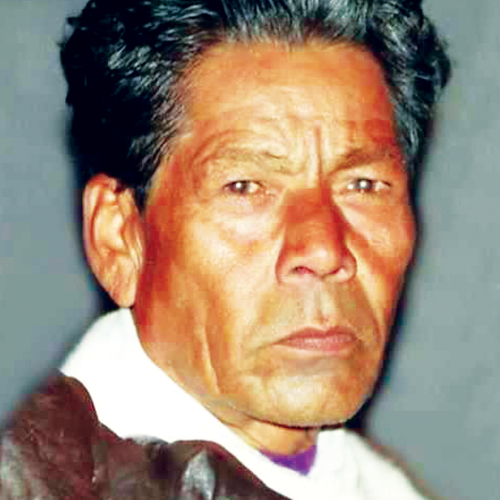
Jhalakman Gandharva (झलकमान गन्धर्व) was a pioneering Nepali folk singer who popularized Gaine Geet, giving voice to Nepal’s marginalized Gandharbha community. Born on July 29, 1935, in Batulochaur, Pokhara, Jhalakman began singing at age nine, traveling village to village with his sarangi. He became the first Gaine artist to record songs, transforming oral traditions into mass media. His haunting ballads, especially “Aamale Sodhlin Ni”, mourned the death of Nepali soldiers abroad and resonated deeply across generations. Active from 1965 until his death in 2003, he recorded over 100 songs, blending folk and classical styles. His music preserved indigenous narratives and challenged caste-based exclusion, earning him national reverence. Jhalakman’s legacy lives on as a cultural bridge—his voice remains a symbol of dignity, sorrow, and resilience.
Jhalakman Gandharva
Music Artists, Sarangi Player, Folk Singer