
Explore Artists
Browse through 2,086 talented actors, musicians, dancers, filmmakers and creative professionals from Nepal.
2,744
All Artists
213
Actor
235
Actress
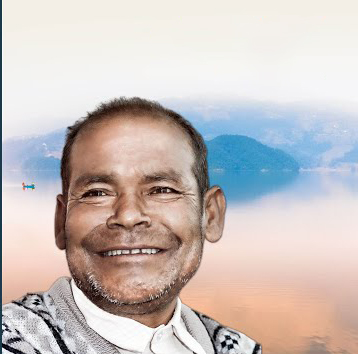
Buddhi Bahadur Pariyar was a gifted Nepali folk composer whose song “Resham Firiri” became a cultural anthem. Born in Pokhara, Pariyar grew up immersed in the rhythms of village life. In 1972, he composed “Resham Firiri Resham Firiri”, inspired by the hills and daily joys of Nepali people. The song was recorded in 1974 by Sunder Shrestha and Dwarika Lal Joshi, and quickly gained national fame. Its catchy tune and relatable lyrics made it a favorite among street performers, travelers, and diaspora communities. Despite its popularity, Pariyar remained largely uncredited, highlighting the struggles of folk creators in Nepal’s music industry. His work reflects the soul of Nepali folk traditions—simple, melodic, and deeply rooted in lived experience. “Resham Firiri” continues to echo across generations, symbolizing the enduring charm of Nepal’s musical heritage.
Buddhi Bahadur Pariyar
Music Artists, Folk Singer
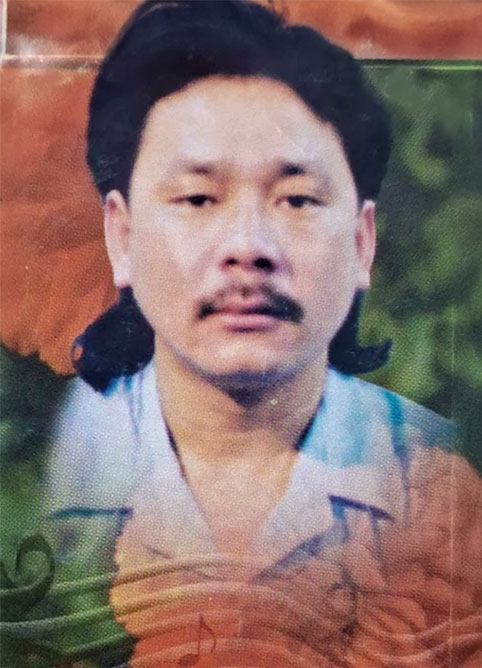
Praveen Gurung (लोक गायक स्वः प्रविण गुरुङ) was a talented Nepali Lok Dohori singer known for his soulful voice, powerful stage presence, and deep connection to folk culture. He dedicated his musical journey to preserving and promoting authentic Nepali lok geet, earning respect from audiences across the country. His songs often reflected themes of love, struggle, rural life, and cultural identity, making him a beloved figure in the folk community. Praveen’s popular songs include “Jhyamma Jhyamma,” “Sali Ramro Pareki,” “Badhyau Ki Maya,” “Aankha Ko Nindra,” “Kanchi Hou Kanchi,” and “Tadha Tadha,” which helped him gain wide recognition and admiration. Through his music, he created a lasting legacy that continues to inspire fellow artists and listeners even after his untimely passing. He is remembered as a humble, passionate, and influential voice in Nepali folk music.
Praveen Gurung
Music Artists, Folk Singer
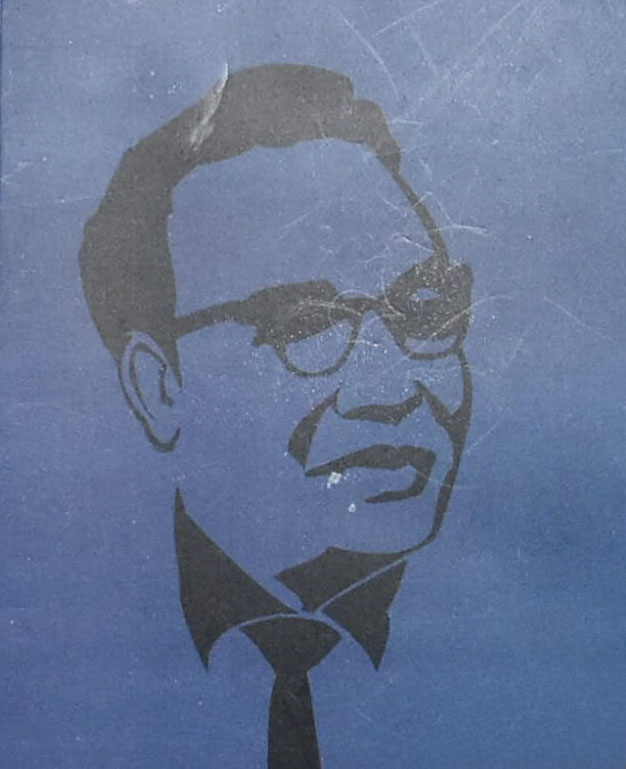
D.B Pariyar was a pioneering Nepali filmmaker best known for directing, writing, and shaping Satya Harischandra (1950), widely regarded as the first Nepali‑language feature film. Working from India during the early diaspora era of Nepali cinema, Pariyar helped establish the narrative, technical, and cultural foundations that later filmmakers would build upon. His contribution marked a defining moment in the transition from stage traditions to cinematic storytelling for Nepali audiences. Though historical documentation remains limited, Pariyar’s role as director, scriptwriter, and story creator positions him as one of the earliest architects of Nepali film history
D.B. Pariyar
Film Director
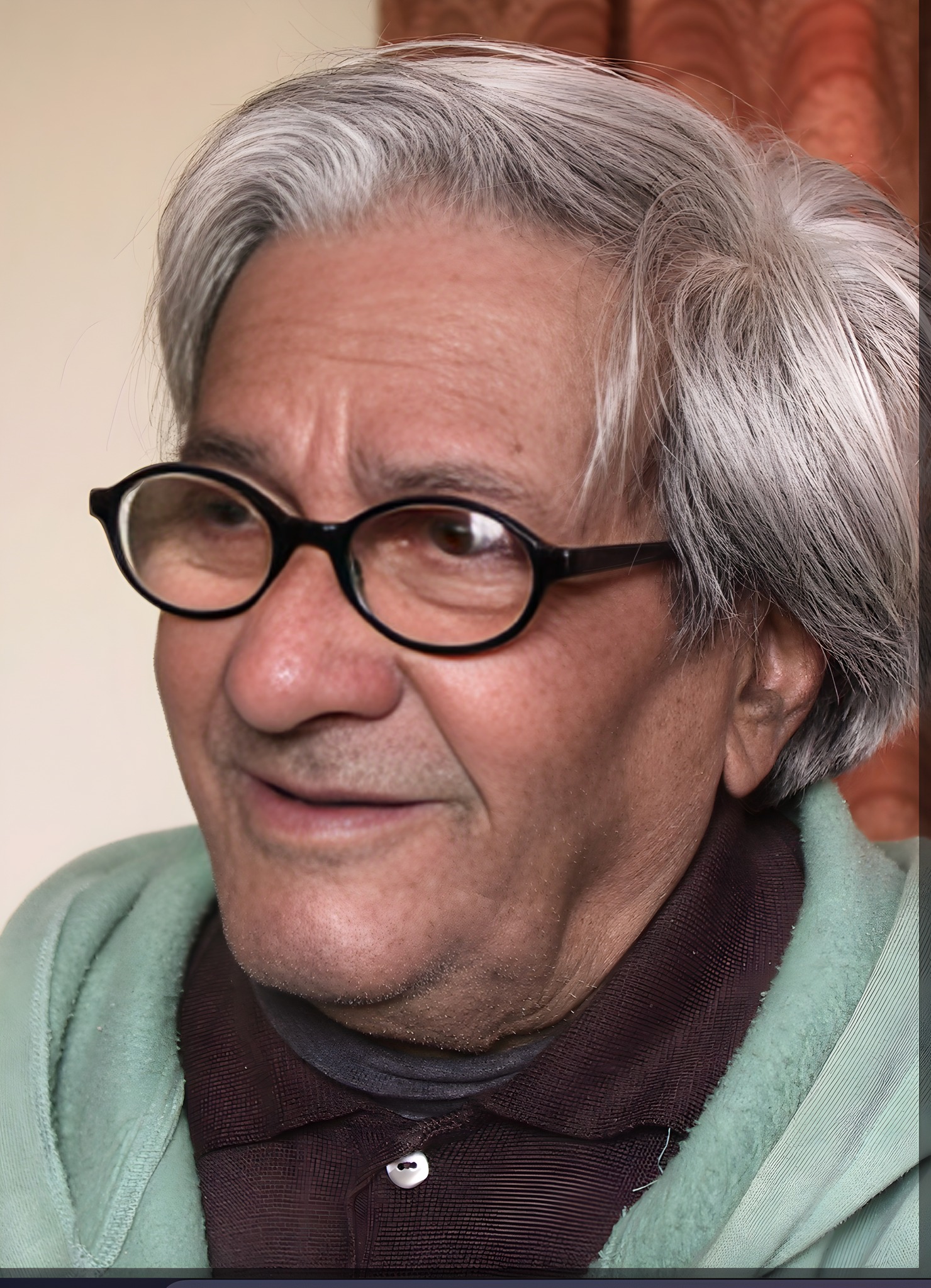
Hari Prasad Rimal is honored as one of the foundational figures of Nepali performing arts, celebrated for his pioneering contributions to theatre, music, and cinema. Widely recognized as Nepal’s first radio singer, he recorded Mero Mann Ma Timro for Radio Nepal in 1951, marking a historic milestone in the nation’s broadcasting and musical culture. Rimal was also a prominent stage actor and later transitioned into film, appearing in early Nepali classics such as Aama (1964). His expressive performances, disciplined craft, and commitment to artistic excellence helped shape the identity of modern Nepali acting. Over his long career, he received multiple honors acknowledging his influence on theatre, music, and the evolution of Nepal’s cultural landscape
Hari Prasad Rimal
Actor, Theatre Artists, Singer/ Performer
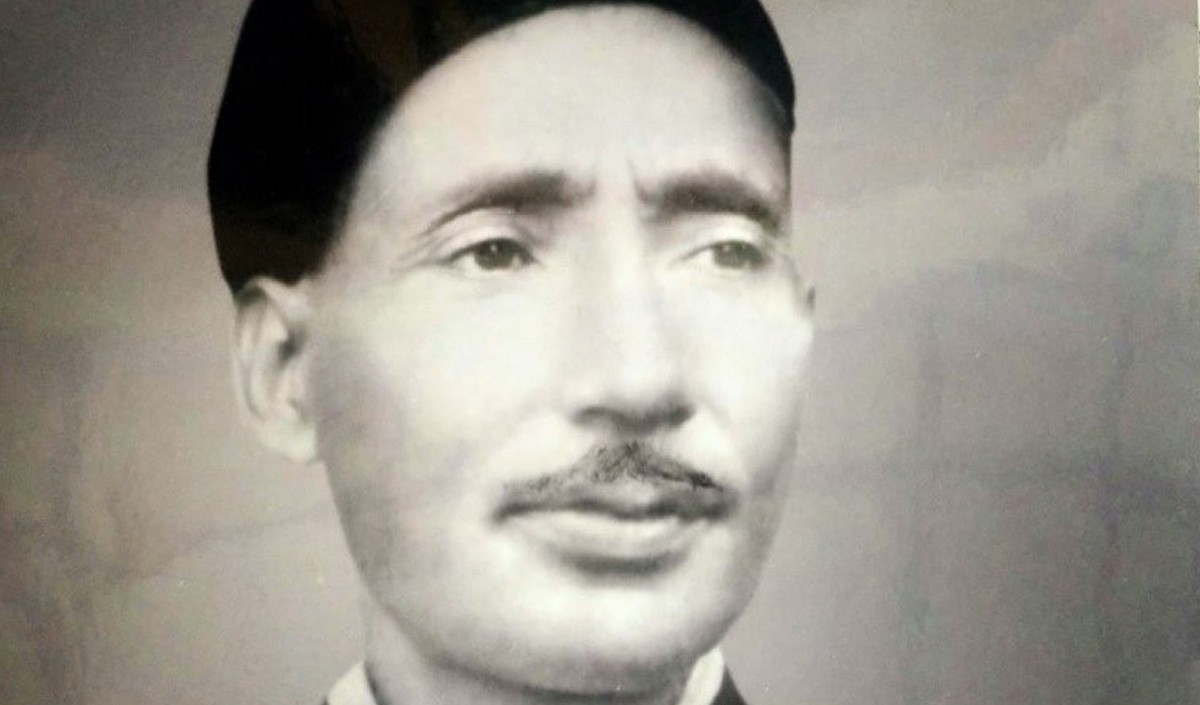
Master Mitrasen Thapa Magar (1895–1946) was a pioneering Nepali folk singer, dramatist, social reformer, and cultural ambassador whose work laid the foundation for organized Nepali folk performance. Born in Bhagsu, Dharamshala, he served in the Gurkha Regiment before dedicating his life to music, theatre, and community upliftment. He performed widely across India and Nepal, including Kathmandu Durbar, where he presented folk songs, dramas, and shamanic‑influenced performances, earning high recognition and public felicitation. His mission was to preserve Nepali identity among diaspora communities through art, discipline, and cultural pride. Master Mitrasen recorded seven gramophone discs in Calcutta, a rare achievement for a Nepali artist of his era. Out of his 63 known compositions, 23 songs survive in recorded form. In 1942, he wrote “Buddhvaani” in Nepali to spread messages of peace, compassion, and social harmony. He passed away in 1946 while on a cultural tour, leaving behind a legacy that continues to inspire Nepali folk musicians worldwide.
Master Mitrasen Thapa
Folk Singer, Singer/ Performer
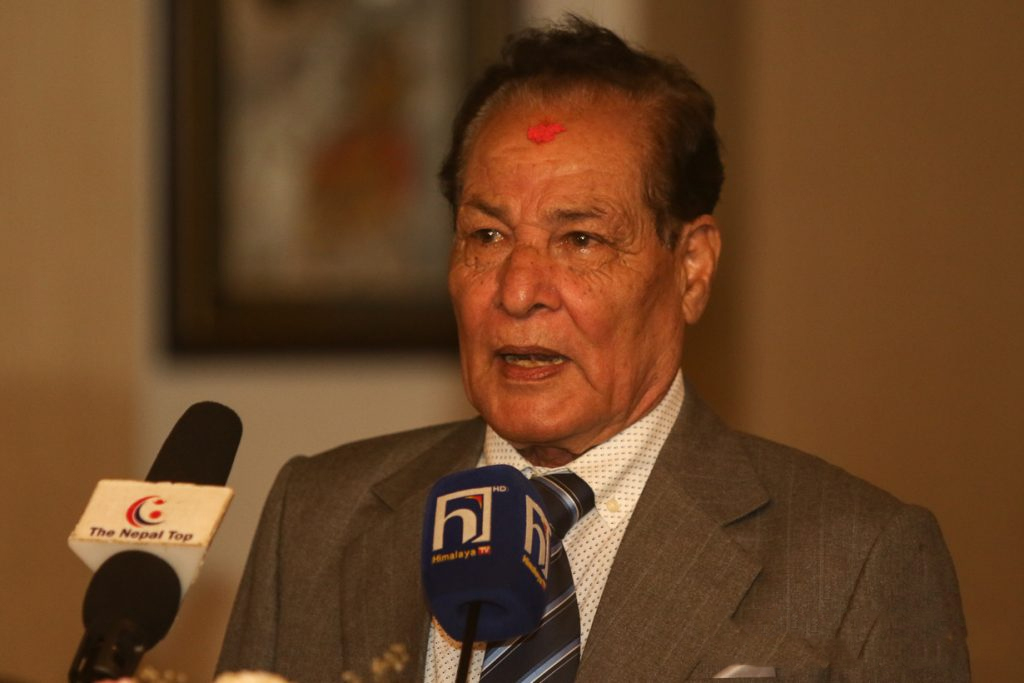
Kumar Basnet (born 7 July 1938) is one of Nepal’s most celebrated folk icons, renowned for his energetic performance style, satirical humor, and pioneering contribution to modern lok geet. Widely known as “Lok Samrat”, he popularized comedic and socially reflective folk music through classics like “Lai Bari Lai,” “Ama Bhanda,” “Herda Ramo,” and “Goru Bhanjyang.” Active since the late 1950s, Basnet’s charismatic stage presence earned him comparisons to Elvis Presley within Nepal’s folk scene. His achievements include the Tri‑Shakti Patta, Gorkha Dakshin Bahu, Birendra–Aishwarya Sewa Padak, and the Ratna Record Puraskar, honoring his lifelong impact on Nepali cultural heritage.
Kumar Basnet
Folk Singer

Peter Rai is a Nepali actor who starred in Harishchandra (1951). He worked in films and theaters during that century.
Peter Rai
Bal Bahadur Syando is a Nepali actor who starred in Harishchandra (1951). He worked in films and theaters during that century.
Bal Bahadur Syando
is a Nepali actor who starred in Harishchandra (1951). He worked in films and theaters during that century.
Sagar Dutta Koirala
Dambar Singh Tamang is a Nepali actor who starred in Harishchandra (1951). He worked in films and theaters during that century.
Dambar Singh Tamang
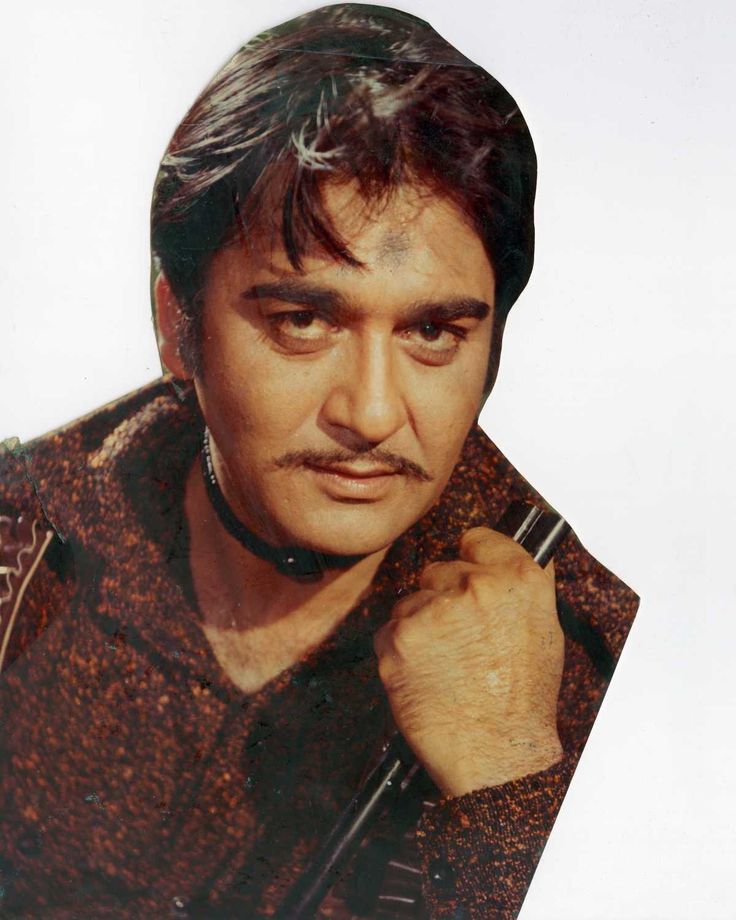
Sunil Dutt was a major Hindi film actor, producer, director, and later a politician, remembered for his dignified screen presence and humanitarian work. He also made a special appearance in the Nepali classic Maitighar (1966), which remains one of the earliest and most influential films in Nepal.
Sunil Dutt
Actor
Shanti Das (also spelled Shanti Das or Shanti Das) was an Indian film art director and set decorator who was active from the 1950s to the 1990s. He also worked as an art director on the Nepali film Maitighar (1966). A master craftsman of the golden age of Hindi cinema, he worked on over two hundred films and helped define the visual language of mainstream Bollywood. He died on August 14, 2011 in Mumbai, Maharashtra, India.
Shanti Das
Film Director
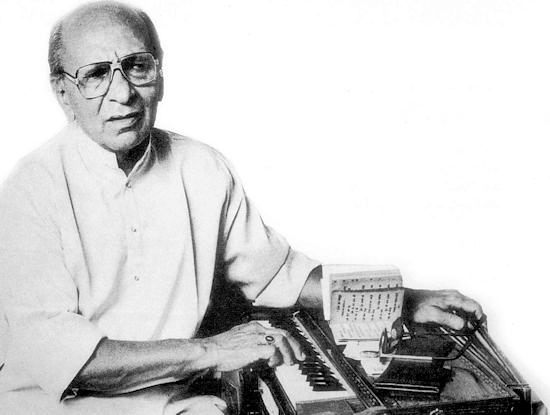
Jaidev (1918–1987) was a respected Indian music composer known for his soulful melodies and strong foundation in Indian classical music. Born on 3 August 1918 in Nairobi, Kenya, he later moved to India where he trained in classical music and began working in the Hindi film industry.Jaidev composed music for several acclaimed films, including Hum Dono, Reshma Aur Shera, and Gaman. His music was widely praised for its depth, simplicity, and classical influence. During his career, he received the National Film Award for Best Music Direction three times.Jaidev also contributed to Nepali cinema by composing the music for the historic film Maitighar, helping enrich its musical quality. His legacy remains significant in both Indian and Nepali film music history.
Jaidev Verma
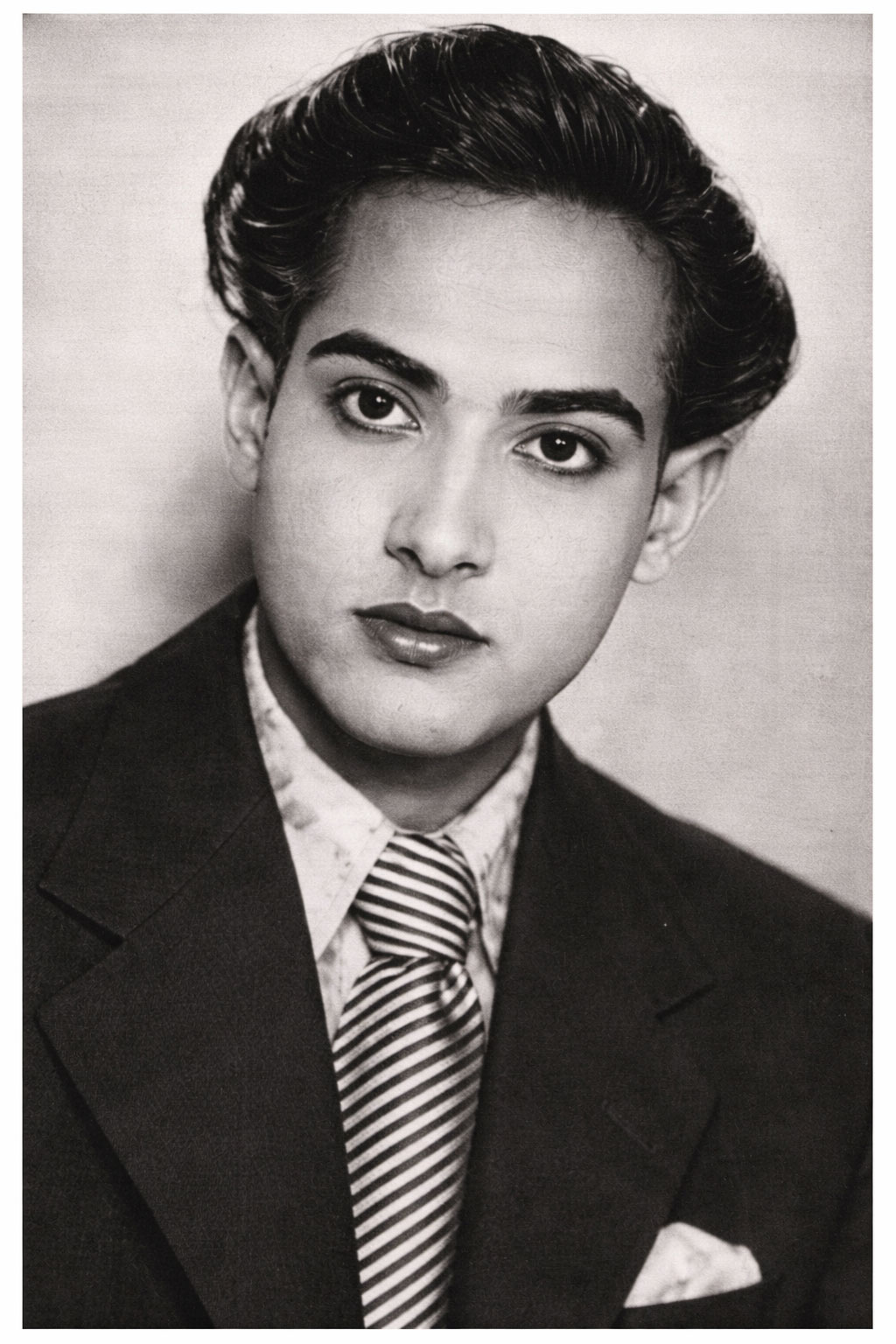
Janardan Sama (1903–1981) was a prominent Nepali poet, playwright, and literary figure who made a major contribution to the development of modern Nepali drama and theatre. Born in Kathmandu, he became one of the most influential writers in Nepali literature and is often called the “Shakespeare of Nepal.” His writings introduced psychological depth, social themes, and dramatic structure to Nepali plays.Sama wrote several important literary works, including the famous plays Prem Pinda, Mutuko Byatha, and Aago ra Pani, which became milestones in Nepali theatre history. His works often explored love, human emotions, morality, and social conflict.Apart from literature, Janardan Sama also had connections with early Nepali cinema. His historical drama Prem Pinda was later adapted into a successful Nepali film, helping introduce his literary works to a wider audience. Some of his poems and dramatic compositions were also used as lyrics or inspiration for stage songs and musical performances in Nepali theatre.Through his literary works, stage plays, and their later influence on films and songs, Janardan Sama left a lasting legacy in Nepal’s cultural and artistic history.
Janardan Sama
Poet, Playwright
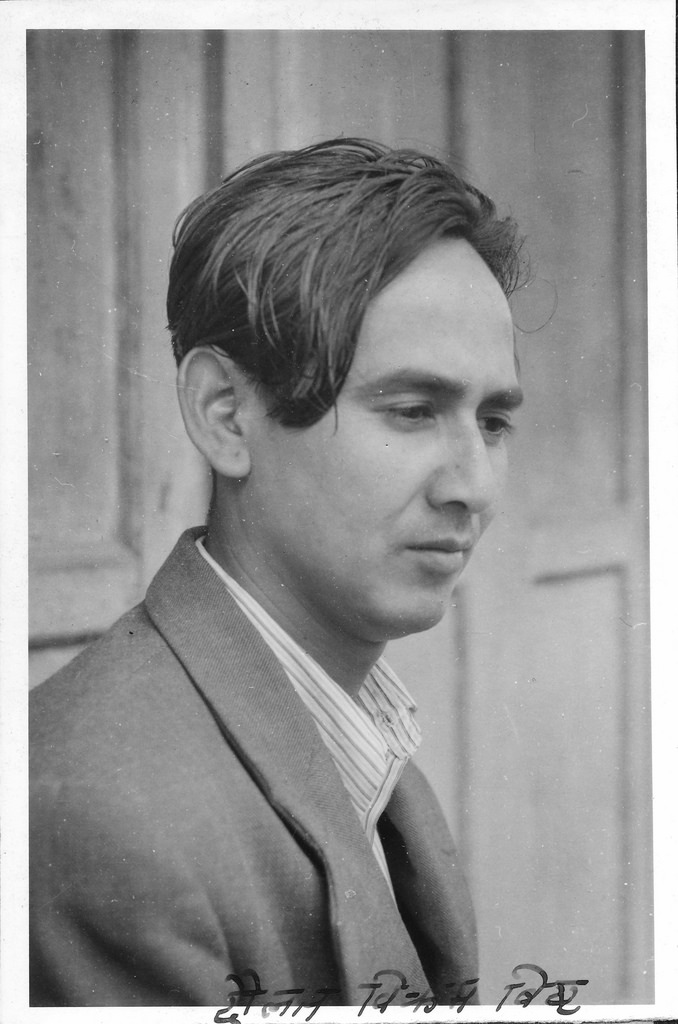
Daulat Bikram Bista (1925–2002) was a renowned Nepali writer and novelist celebrated for his portrayal of social issues, culture, and the lives of ordinary people. Born in Bhojpur, Nepal, he authored several influential novels, including Chapaiyeka Anuhar and Jyoti Jyoti Mahajyoti, the latter earning him the prestigious Madan Puraskar. His works often highlighted discrimination, inequality, and human struggles in Nepali society. Bista’s literary contributions have influenced Nepali culture and cinema, with some of his stories adapted into films, such as Sindoor, for which he is credited with the story.
Daulat Bikram Bista
Writing & Literature, Novelist
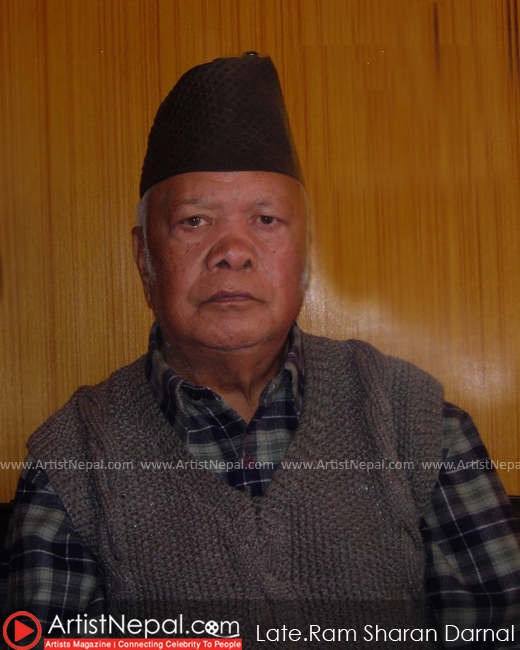
Ram Sharan Darnal (1937–2011) was a pioneering Nepali ethnomusicologist known for initiating the systematic study of Nepal’s ethnic music and traditional instruments. His landmark works — Sangeet Parikrama, Nepali Sangeet Sadhak, Nepali Sangeet‑Sanskriti, and Nepali Baja — remain foundational texts in Nepali music research. He played a key role in popularizing both indigenous and select Western instruments in Nepal. Darnal received major national honors, including the Jagadamba Shree Puraskar and Narayan Gopal Sangeet Puraskar.
Ram Sharan Darnal
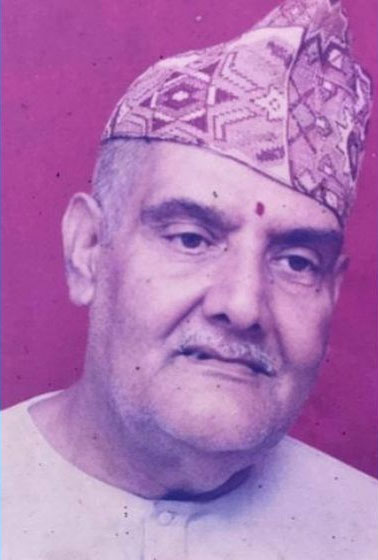
Chaturbhuj Aashavadi was a prominent Nepali cultural figure known as a cultural activist, dancer, director, and Maithili playwright. His work spanned multiple disciplines including music, dance-drama, acting, direction, and cultural research, making him a key contributor to Nepal’s performing arts scene.He was the founding अध्यक्ष (Chairperson) of Bhanu Kala Kendra, an institution dedicated to the promotion of arts and culture. Aashavadi was deeply passionate about discovering new talent and providing training to emerging artists. He devoted much of his life to mentoring aspiring performers, often supporting underprivileged talents by bringing them into his own home and nurturing their artistic growth.His active involvement in the cultural sector began after he participated in the 2014 B.S. language movement led by Mahakavi Laxmi Prasad Devkota. Inspired by this movement, he went on to play a pioneering role in initiating street-based cultural programs in Nepal, using performance as a powerful medium for public awareness and social expression.Throughout his career, Aashavadi acted in and directed a wide range of notable plays in both Nepali and Maithili languages. His major works include Prithak-Prithak Golardha, Vidyarthi, Raksi, Chhippiyeko Dukhai (Nepali), Jwailkanakani (Maithili), Pus Jaad ki Magh Jaad (Maithili), Aago Dankirheko Chha, Natakbhitrako Natak, Satar Ko Bihe (docudrama), and Shivpuriya Aatank.Chaturbhuj Aashavadi is remembered for his lifelong dedication to cultural development, artistic education, and the promotion of theatre as a tool for social transformation in Nepal.
Chaturbhuj Aashavadi
Theatre Artists
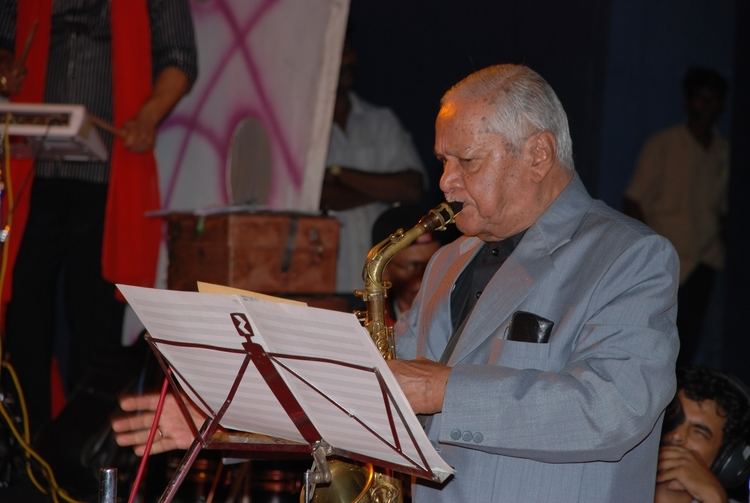
Manohari Singh (1931–2010), born in Kolkata to a Nepalese Bhusal family, is celebrated as one of South Asia’s finest woodwind and orchestral arrangers. Though globally known for his work with R.D. Burman, his Nepali heritage and musical upbringing in a Nepali household shaped his tonal sensibility, melodic phrasing, and emotional depth — qualities that strongly resonated with Nepali film composers.His mastery of alto saxophone, flute, piccolo, clarinet, mandolin, and bansuri made him a sought‑after session musician whose sound influenced the orchestral palette of Nepali film music in the 1980s–1990s. Many Nepali composers — especially those working in Mumbai and Kolkata studios — relied on his phrasing style, brass‑woodwind layering, and melodic counterlines as a reference point.Although he did not score many Nepali films directly, his arrangement style, brass band roots, and Nepali musical lineage helped shape the cross‑border sound that Nepali cinema adopted during its modern era. His work as part of the Basu–Manohari duo also inspired Nepali arrangers who studied Indian studio orchestration.
Manohari Singh
Music Director, Musicians & Instrumentalists
Dalbahadur (Surname Unknown)Singer/ComposerDalbahadur is considered one of the early contributors to Nepali modern jhyaure and folk‑based recordings, active since around BS 1965 (AD 1908/1909). Archival research shows that he recorded 2 songs in BS 1970 (AD 1913/1914). The song titles and further personal details remain unavailable, but his role in the early recording era is historically significant.
Dalbahadur (Surname Unknown)
Music Artists
Miss Patal (Patali) China – SingerKnown for her striking Mongolian features, she was popularly called “Miss Patal China.” Archival sources indicate she recorded 2 songs in India in BS 1988 (AD 1931/1932). Her real name, song titles, and additional biographical details are missing, yet she is recognized as one of the early Nepali female recording artists.
Miss Patal (Patali) China
Music Artists
Miss Tara Bai – Singer (Disciple of Melawa Devi)A musical disciple of Melawa Devi, Miss Tara Bai recorded 2 songs in BS 1988 (AD 1931/1932). Although her personal background and song titles are not documented, she is remembered for carrying Melawa Devi’s vocal tradition into the early recording medium.
Miss Tara Bai (Disciple of Melawa Devi)
Music Artists
Miss Dulari – Singer (Disciple of Melawa Devi)Also a disciple of Melawa Devi, Miss Dulari recorded 2 songs in BS 1988 (AD 1931/1932). Beyond this, no additional information is available. She is regarded as one of the early women who helped preserve traditional vocal styles through recorded music.
Miss Dulari (Disciple of Melawa Devi)
Music Artists
Ustad Anand – Classical VocalistA prominent classical musician of BS 1985 (AD 1928/1929), Ustad Anand has 2 gramophone recordings from BS 1989 (AD 1932/1933) preserved in researcher archives. It is believed he recorded many more songs, but only two discs have been found. His influence in early Nepali ustadi tradition remains notable.
Ustad Anand
Music Artists
Professor Bala Prasad – Singer/MusicianProfessor Bala Prasad has 2 recorded songs from BS 1989 (AD 1932/1933) documented in researcher archives. No further details are available, but he stands out as one of the rare early recording artists carrying an academic title.
Professor Bala Prasad
Music Artists
Master Purnaman – Singer/ComposerMaster Purnaman is recorded as having 8 songs from BS 1990 (AD 1933/1934). Although song titles and personal details are missing, he is considered one of the most productive artists of the early 1990s (BS) recording wave.
Master Purnaman
Music Artists
Ustad Badri – Classical VocalistUstad Badri has 5 recorded songs from BS 1990 (AD 1933/1934) listed in archival research. Additional biographical information is unavailable, but he is recognized as a contributor to the early classical/ustadi tradition in Nepali recordings.
Ustad Badri
Music Artists
Master Jitu Singh – SingerMaster Jitu Singh recorded 4 songs in BS 1990 (AD 1933/1934). No further details are documented, but he is acknowledged among the active artists of that recording period.
Master Jitu Singh
Music Artists
Miss Panchawala Dasi – Singer Miss Panchawala Dasi was an Early Recording Era singer with 2 documented songs from BS 1991 (AD 1934/1935). No additional biographical details or song titles have been found in archival sources.
Miss Panchawala Dasi
Music Artists
Bhawanicharan Das – Singer (Early Recording Era)Bhawanicharan Das is listed as an Early Recording Era artist with 2 recorded songs from BS 1992 (AD 1935/1936). Further personal and musical details remain incomplete.
Bhawanicharan Das
Music Artists
Miss Chandradevi – Singer (Early Recording Era)Miss Chandradevi was an Early Recording Era vocalist with 2 recorded songs from BS 1992 (AD 1935/1936). No further information about her life or repertoire is available.
Miss Chandra devi
Music Artists
Soni Singh – Singer (Early Recording Era)Singer Soni Singh is documented as an Early Recording Era artist with 2 songs from BS 1992 (AD 1935/1936). Additional biographical details are incomplete.
Soni Singh
Music Artists
Pramila – Singer (Early Recording Era)Pramila is recorded as an Early Recording Era singer with 2 songs from BS 1992 (AD 1935/1936). No further details about her background or recordings have been found.
Pramila Singer
Music Artists
Khemchand – Singer (Early Recording Era)Khemchand was an Early Recording Era vocalist with 2 to 4 songs recorded in BS 1992 (AD 1935/1936). Other personal and musical information remains incomplete.
Khemchand Singer
Music Artists
Hirabai – Singer (Early Recording Era)Hirabai is listed as an Early Recording Era artist with up to 2 songs from BS 1992 (AD 1935/1936). No additional archival details are available.
Hirabai Singer
Music Artists
Miss Shanti Singh – Singer (Early Recording Era)Miss Shanti Singh was an Early Recording Era singer with 2 recorded songs from BS 2000 (AD 1943/1944). Other biographical information remains incomplete.
Miss Shanti Singh
Music Artists
Ustad Asha Gopal was a respected classical vocalist from Kathmandu and the father of Swor Samrat Narayan Gopal. He was deeply involved in the devotional music culture of New Road, Kilagal, and surrounding temple areas, where he regularly led and participated in bhajan–kirtan traditions. During Narayan Gopal’s childhood, Ustad Asha Gopal often took him along to these bhajan mandalis, where the young Narayan accompanied the ensemble on basic instruments, absorbing classical discipline and devotional musical structure from an early age.Although formal recordings of Ustad Asha Gopal have not been found, his influence is widely acknowledged in oral histories. His grounding in classical and devotional music shaped the early musical environment that nurtured Narayan Gopal’s sense of melody, discipline, and vocal purity. Researchers consider him an important figure in Kathmandu’s traditional music circles of the early 20th century.
Ustad Asha Gopal
Music Artists
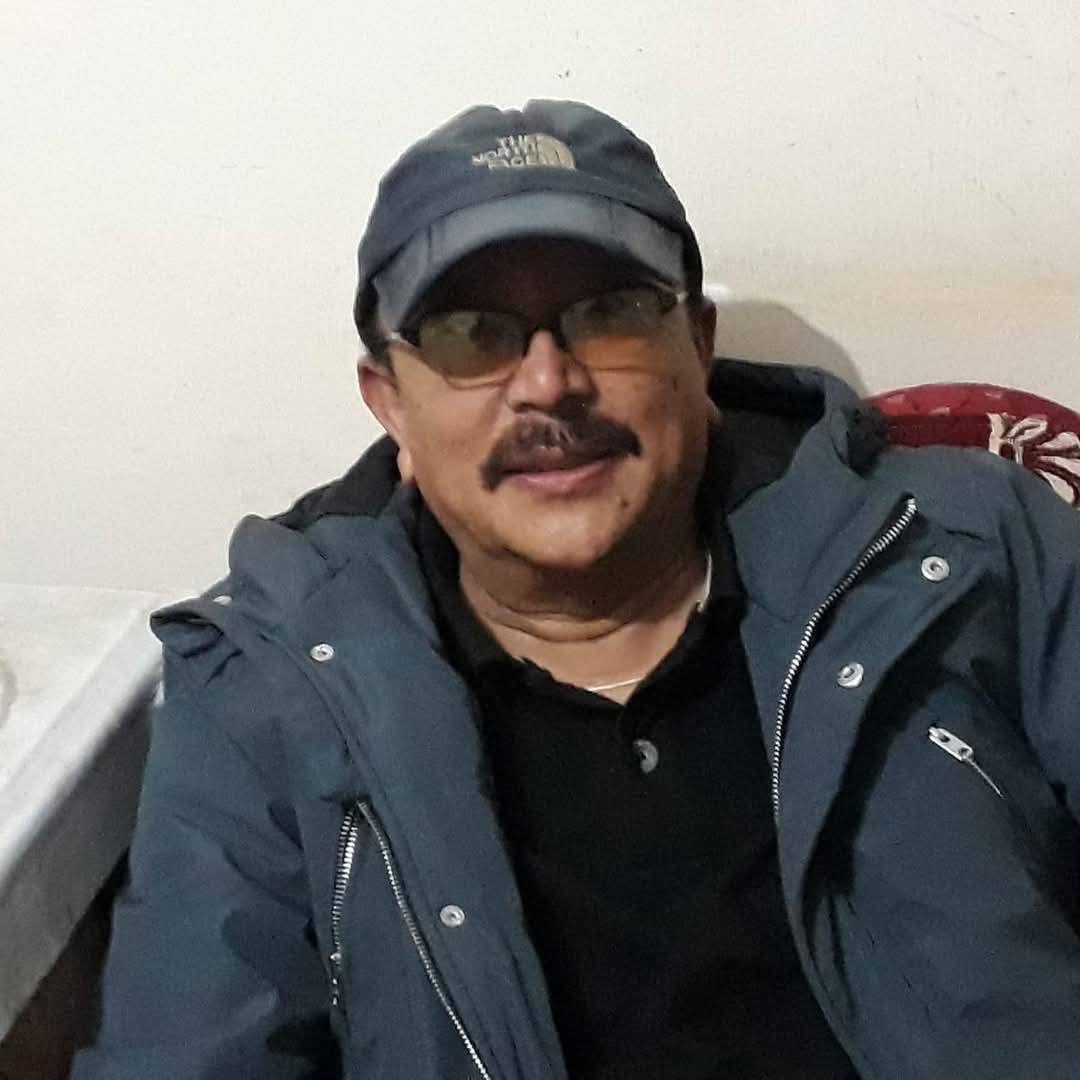
Basanta Chhetri is recognized as a melodious vocalist, sensitive composer, and prolific music director in Nepali modern music. Active since the 1950s, he has devoted his life to musical practice and has directed music for hundreds of songs across folk, modern, and classical genres. His early works such as Premko Geet, Sapana, and Maya established his artistic identity. His compositions explore themes of love, life, society, nature, spirituality, and patriotism, enriched with deep emotional FEELING and AURA. As a mentor and inspiration to younger generations, Chhetri has played a vital role in expanding Nepali music at both national and international levels.
Basanta Chhetri
Music Artists, Music Director
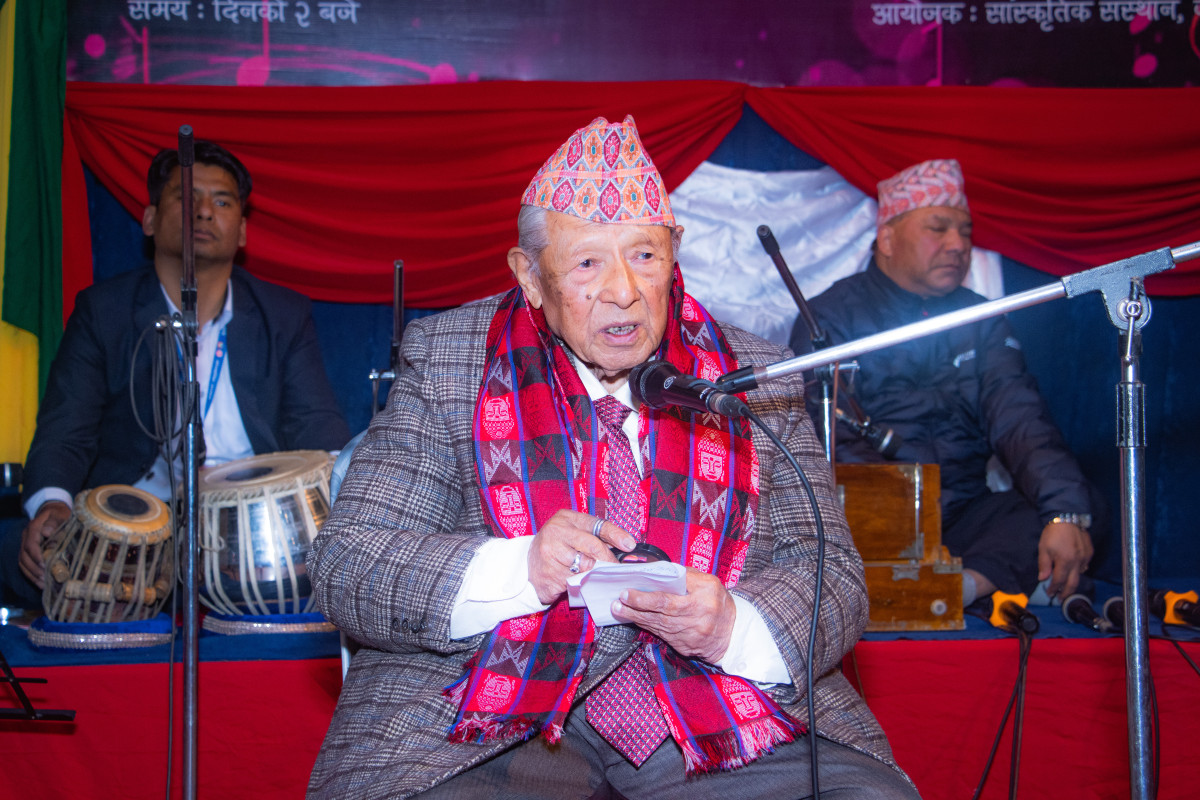
Bhairav Bahadur Thapa (born 18 February 1933 AD / 1989 Falgun 6 BS, Kamalpokhari, Kathmandu) was a pioneering Nepali dancer, choreographer, and scholar widely regarded as one of the earliest architects of Nepali folk‑dance staging. His creative works began appearing from 2007 BS (1950/51 AD), and he formally entered the field of dance direction around 2010 BS (1953/54 AD) through the Bhairav Nritya Dal, established under the initiative of playwright Balkrishna Sama. This marked the beginning of his influential artistic journey.Thapa revitalized Nepali folk and cultural dance by presenting it on national and international stages, giving the genre a new identity and professional structure. He authored several foundational texts, including Nepali Nritya ra Sharirik Praveshika Parts 1–3 (2022 BS / 1965 AD), Dhoka (2030 BS / 1973 AD), Hiddahiddai Baneka Tasbirharu (2065 BS / 2008 AD), Samarpan (2067 BS / 2010 AD), and Himal Natya Mimansa (2072 BS / 2015 AD), which remain important references in Nepali dance studies.Honored with recognitions such as the Jagdamba Shree Samman and Bhim Darshan Roka Memorial Award, Thapa’s contributions shaped the academic, cultural, and performative landscape of Nepali dance.He passed away after a lifetime dedicated to dance, leaving behind a legacy that continues to guide Nepal’s choreographic and cultural scholarship.
Bhairav Bahadur Thapa
Classical / Traditional Dancer, Dance Choreographer, Folk/cultural Dancer
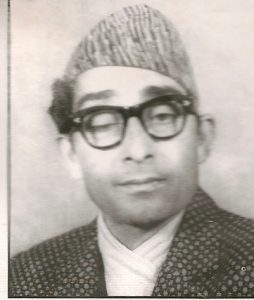
Ustad Bhairav Bahadur Thapa (1925 June 30 AD / 1982 Ashar 16 BS, Kuleshwor, Kathmandu) was a pioneering Nepali composer, vocalist, and mentor whose influence shaped the foundation of modern Nepali music. He introduced and guided many of Nepal’s celebrated singers, lyricists, and composers including the legendary Tara Devi into their musical journeys.Thapa began his professional musical journey around 2005 BS (1948/49 AD), marking the start of a prolific career. Over the decades, he composed music for nearly 1,000 songs and recorded vocals for more than 500 songs, establishing the artistic and technical standards of Nepali modern music.Alongside music, he performed in numerous Radio Nepal dramas and acted in films such as Hijo Aaja Bholi, Aama, and Manko Baadh. His daughter Bhuvan Thapa, the lead actress of Nepal’s first feature film Aama, was also a singer with around fifty recorded songs.In 2022 BS (1965 AD), during the Grand Music Conference held in Kathmandu, King Mahendra honored him with the prestigious title “Ustad.” Ustad Bhairav Bahadur Thapa passed away on 2039 Poush 18 BS (1983 January 2 AD), leaving behind an enduring legacy in Nepali music and performing arts.
Ustad Bhairav Bahadur Thapa
Music Artists, Music Director
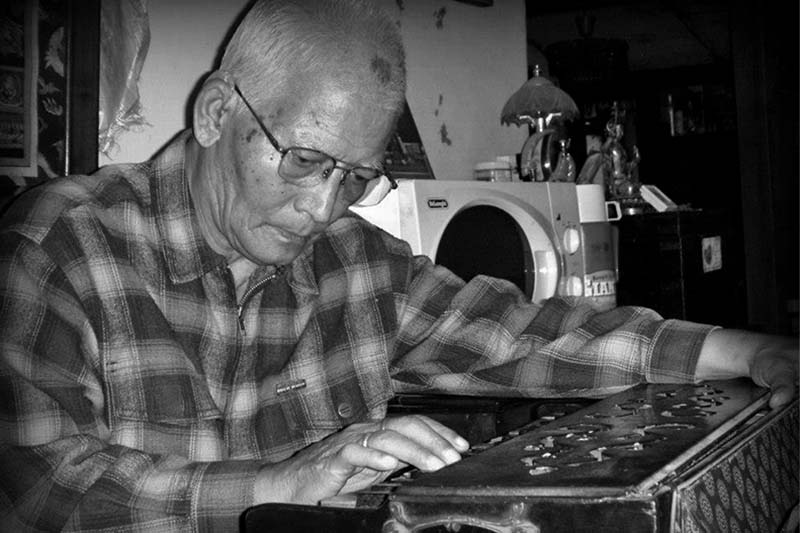
Panna Kaji Shakya (1931–2017) was a pioneering Nepali singer, composer, and lyricist, widely regarded as one of the foundational voices of Nepal’s modern music era. Born in Ombahal, Kathmandu, he began his musical journey through devotional singing and later became one of the earliest and most influential artists associated with Radio Nepal, where he worked from 1951 to 1985.Across four decades, Shakya contributed his voice and compositions to over 300 songs, shaping the sound of early Nepali modern, folk‑inspired melodies, and bhajans. His timeless recordings—“Tiriri Murali Bajyo Banaima,” “Naulakhe Tara,” “Kina Kina Timro Tasbir,” “Lolaeka Ti Thula Timra Ankha”—remain cultural landmarks and continue to define Nepal’s musical heritage.Beyond music, Shakya was active in theatre and stage performance during a period when male actors often portrayed female roles due to the absence of women in the field. He was also briefly involved in political activism through the Nepal Praja Parishad, leading to his arrest in 1962.In recognition of his lifelong contribution to Nepali music, he received the Tuborg Image Award – Lifetime Achievement Award (2013). Panna Kaji Shakya passed away on January 25, 2017, at the age of 85, leaving behind a legacy that continues to inspire generations of Nepali musicians.
Panna Kaji Shakya
Music Artists, Singers & Vocalists
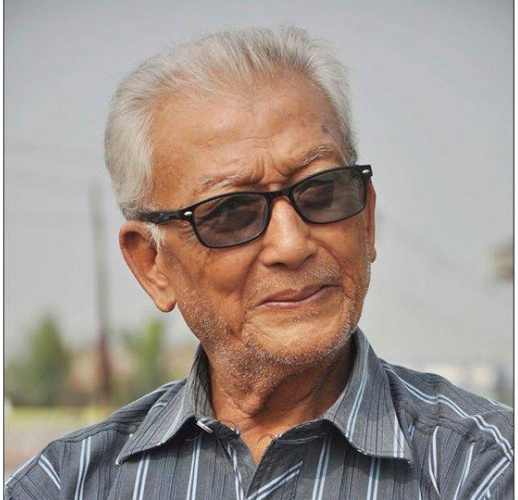
Laxmi Prasad Joshi, popularly known as LP Joshi, was a pioneering Nepali folk singer and composer celebrated for introducing the traditional Binayo to a global audience through his iconic creation “Riting Riting Nabajau Binayo, Binayole Man Mero Chhinayo.” Born in 1993 BS in Dhankuta‑6, Beechbazar, he devoted his life to the preservation and promotion of Nepali lok‑sanskriti. Recognized with the title Lokgeet Samrat, Joshi produced widely loved songs such as Riting Riting, Vallo Kholo Pallo Kholo, Nigalo Gharima Chyakhura Nachyo, and Khipima Khipi Binayo Baja. Beginning his artistic journey in 2008 BS through dance, he expanded into painting, singing, and literature, sharpening his multidisciplinary talent. His first recorded song appeared in 2013 BS, and by 2020 BS most of his works were already documented. Joshi passed away at age 88 on 2081 Saun 10, leaving behind a lasting cultural legacy.
LP Joshi
Folk Singer
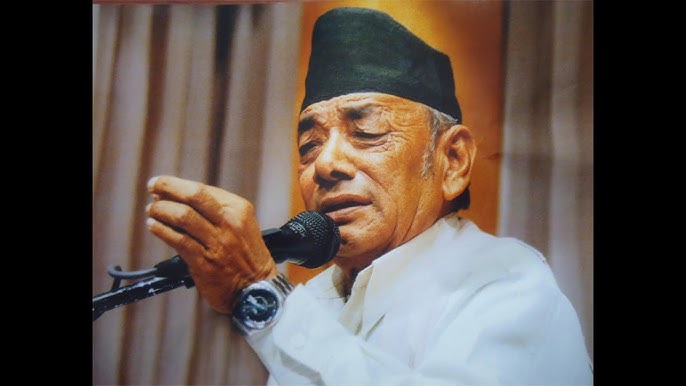
Phatteman Rajbhandari (1936 – 9 September 2013) was a legendary Nepali classical and modern singer, celebrated for his unmatched vocal purity, mastery of raag, and disciplined musical artistry. Born in Lalitpur, he began his professional musical journey in 1951 after joining Radio Nepal, where his deep, resonant voice quickly became a national standard of excellence. Known for timeless recordings such as Yesto Pani Hudo Raichha, he remained a central figure in shaping Nepal’s classical‑based modern music tradition. Honored with major national awards including Chinnalata Puraskar and Gorkha Dakshin Bahu, Phatteman’s legacy continues to inspire generations of Nepali vocalists and music learners.
Phatteman Rajbhandari
Singer/ Performer
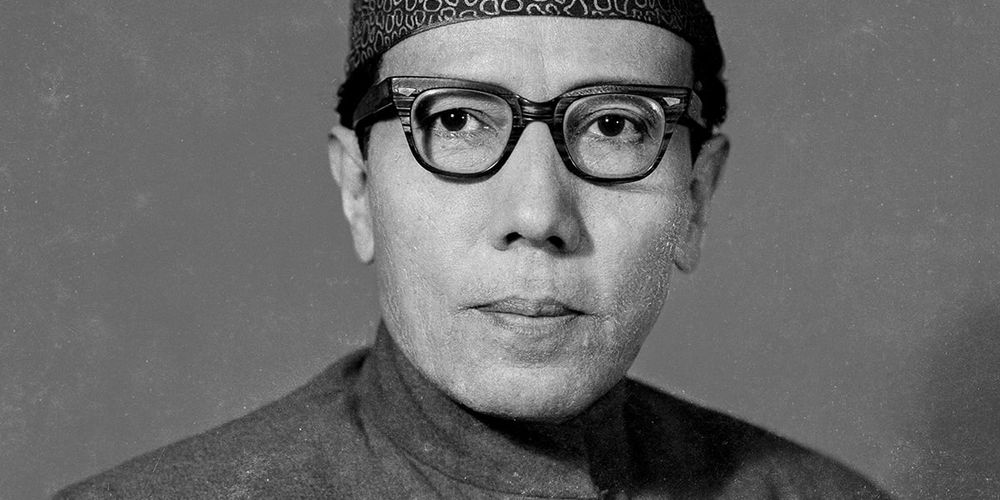
Balkrishna Sama (1902 – 20 June 1981) was Nepal’s most influential modern playwright, poet, and literary reformer, widely honored as the Shakespeare of Nepal for his pioneering contribution to Nepali drama. Born in Gyaneshwor, Kathmandu, he began his literary career in the early 1920s, writing socially conscious plays that challenged tradition and expanded the artistic scope of Nepali theatre. His worksincluding Prem Pinda, Bhater, Tansen, and Amar Singh introduced psychological depth, historical imagination, and modern dramatic structure to Nepali literature. A former army officer turned full‑time writer, Sama received Nepal’s highest honors for his cultural impact, and his legacy continues to define the foundation of Nepali drama and stage literature.
Balkrishna Sama
writer-author, Writing & Literature, Playwright
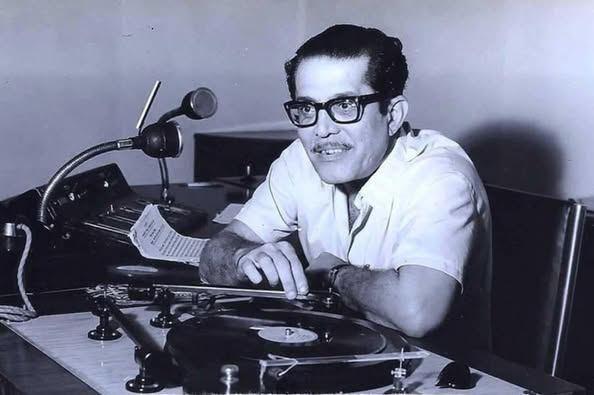
V. Balsara (Vistas Ardeshir Balsara) is revered as the first music director of Nepali cinema and the pioneering architect who shaped the earliest sound, rhythm, and emotional identity of Nepali film music. His compositions for Aama (1964), Nepal’s first feature film produced in Nepal, established the musical soul of an entire industry.Born in India and trained under legendary maestros such as Ustad Mushtaq Hussain, Master Ghulam Haider, and Khemchand Prakash, Balsara began his musical journey in 1942 with the Hindi film Badal. He became an independent music director with Circus Girl (1943) and went on to compose for 32 Bengali, 12 Hindi, and 3 Nepali films, along with more than 200 albums, showcasing mastery over piano, melodica, Univox, and several other instruments.His entry into Nepali cinema came when director Hira Singh Khatri decided to record the music of Aama in Calcutta. Balsara not only composed the first Nepali film songs but also introduced and shaped the voices of Shiv Shankar Manandhar, Tara Devi, and Pushpa Nepali in playback singing. His melodies for the lyrics of M.B.B. Shah and Laxman Lohani gave Nepali cinema its first musical fragrance.He returned for Hijo Aaja Bholi and later Parivartan, a landmark film that truly transformed Nepali film music. Through Parivartan, Balsara brought Narayan Gopal into playback singing, introduced Mira Rana, expanded Tara Devi’s musical range, and collaborated with writers like Chetan Karki and Tirtha Shrestha.The song “Bujhnai Sakenau Timile Mero Aankha Ko Bhaka” became an immortal milestone in Nepali film music, while “Bainiko Daya Chha Bhane Rodhigahr Dai Nachyo Nabhane” blended folk essence with cinematic sound in a groundbreaking way.Quiet, visionary, and deeply devoted to his craft, Balsara shaped not only melodies but also artists, opportunities, and the very direction of Nepali film music. His contribution remains foundational—etched in gratitude and golden memory.He passed away on 23 March 2005, but his melodies continue to echo as the first sweet remembrance of Nepali cinema’s musical journey.
V. Balsara
Music Director
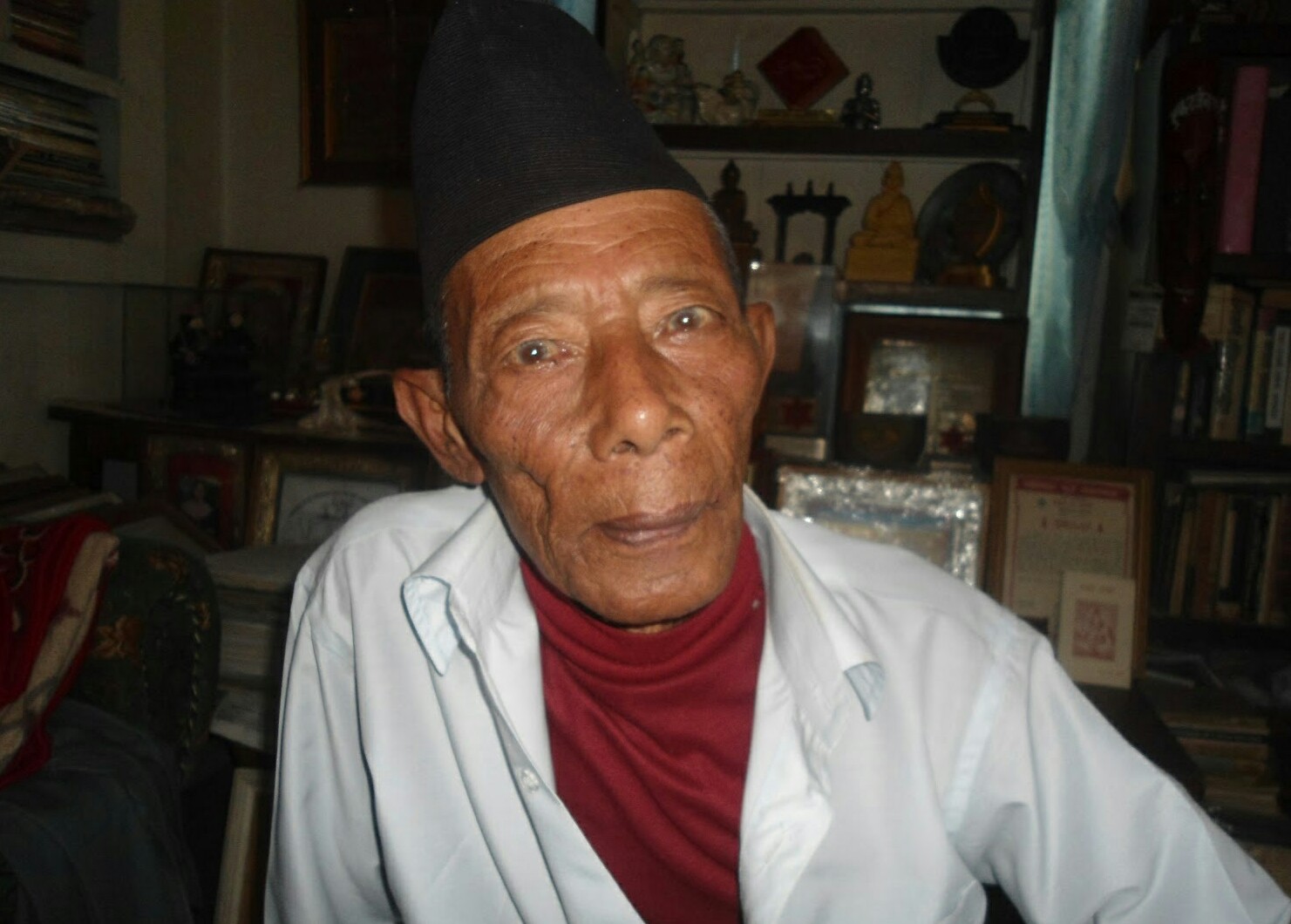
Prachanda Malla is a Nepali actor, director, and theatre practitioner known for his long-standing contribution to stage and screen. Active for several decades, he has been associated with Nepal’s modern theatre movement and has appeared in a range of socially rooted dramas, television projects, and Nepali films. Malla is recognized for his expressive performance style, strong command of character roles, and his commitment to developing Nepali performing arts through direction, training, and mentorship. His work spans acting, writing, and creative leadership, making him one of the respected senior figures in Nepal’s theatre and film community.
Prachanda Malla
Theatre Artists

Wilson Bikram Rai
KRISHNA RASAL

Kuber Tamang was born kathmandu to middle class family. Also went for photography training for 3 years. I have been working in the of photography since last 12 years with modeling, advertising product, portrait and landscapes and many more print media . My passion is song and photography. I love doing landscapes, story, photography and fashion photography.
Kuber Tamang
Photographer

Santosh Lama, born on 6th Shrawan, 2043 BS, in Naubise 4, Dhading, is a renowned Nepali singer known for his melodious voice and heartfelt songs. The youngest son of Surendra Lama and Bishnu Maya Lama, he grew up in a middle-class family alongside four brothers and one sister. Santosh’s passion for music began at a young age. He participated in various school competitions and gained early recognition. His breakthrough came when he won Image F.M. Sur Sangam in his Grade 10. He also participated in Timro Sur Mero Geet, reaching the quarterfinals. His musical journey led him to Doremie Music School, where he honed his skills with a 1-year Tabla course and a 3-year singing course. Santosh's big break came when he won Nepali Tara 2. This victory was a turning point in his career, and it was during this time that he recorded his first song, "Bani Parecha." Since then, he has recorded over 200 songs for various albums, films, and collections, becoming a household name in the Nepali music industry. Popular Songs: Bani Parecha Batuwa Sambodhan Yo Mann Ta Mero Nepali Aajai Santosh Lama continues to captivate audiences with his music and is known for his versatile voice, which resonates with fans across Nepal.
Santosh Lama
Music Artists

Rabi Malla is a well known Nepali pop singer, songwriter, composer and record producer. He has established himself as a well known celebrity in the Nepali Music Sector. Malla is one of the well paid artist in Nepal being a pop icon of Nepal. He has made a tremendous contribution to the Nepali music industry with his songs, compositions and Lyrics. Malla has given lyrics to different songs also has shared his compositions to other musical artists. He has also sung some songs. For his contribution to the Nepali music, he has been praised by different musical awards. Song "Timro Mayale Badhera Rakha" has been a great hit and liked by many audience which lyrics was composed by him.
Rabi Malla
Music Artists, Music Director, Lyricist
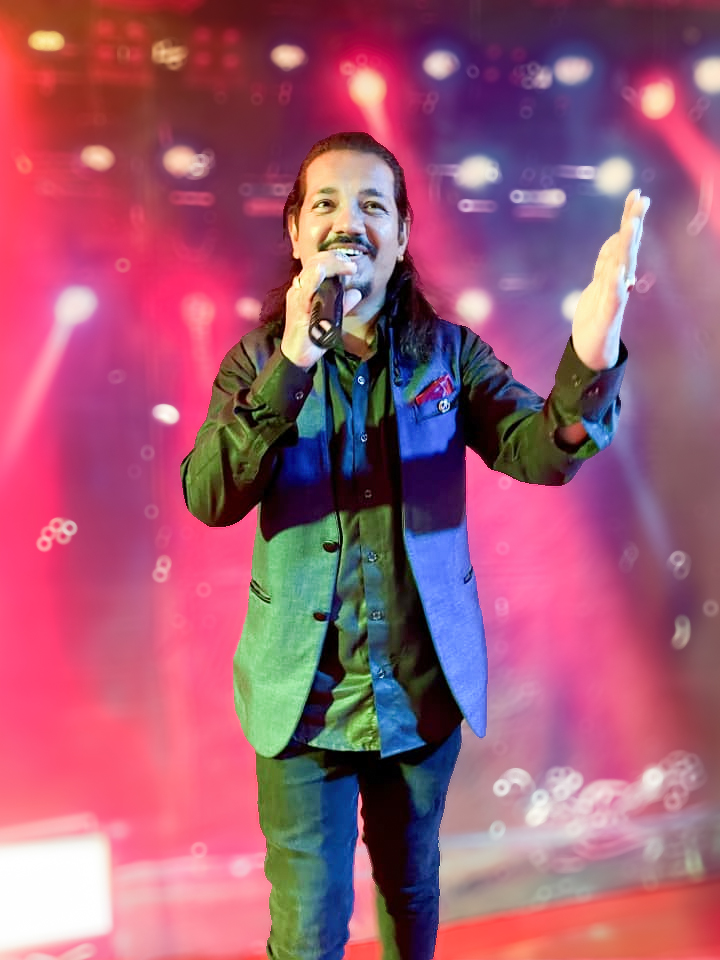
Rupak Dotel is a well-known Nepali playback singer who gained fame through the popular singing competition Nepali Tara. Here is an overview of his journey from Nepali Tara to his current status: Early Career and Nepali Tara Nepali Tara: Rupak Dotel participated in the first season of Nepali Tara in 2005, where he emerged as the second runner-up. This platform provided him with significant exposure and helped launch his career in the Nepali music industry. Musical Contributions Playback Singing: After Nepali Tara, Rupak Dotel became a prominent playback singer, lending his voice to numerous Nepali films and songs. Popular Songs: Some of his notable songs include his own song “mero boli sunda”, “Banki Chari” from the movie "Prasad", "Sapani Ramro Dekhina", and "Dilko Bhitta Ma". Music Videos: He has also appeared in various music videos, showcasing his versatility and talent. Current Status Performances: Rupak continues to perform at cultural events and festivals, both in Nepal and internationally. Online Presence: He actively engages with his fans through social media and his YouTube channel, where he shares his latest music and performances. Recognition and Influence Awards and Honors: Over the years, Rupak Dotel has received several awards and accolades for his contributions to Nepali music. Influence: His journey from a contestant on Nepali Tara to a successful playback singer serves as an inspiration to many aspiring singers in Nepal.
Rupak Dotel
Music Artists

Kabita Shrestha is a vibrant figure in Nepal’s entertainment industry, celebrated for her work as a model, video jockey (VJ), and event host. Career Highlights Video Jockey at Sagarmatha TV: Kabita hosts Play It On Calling Shot, a youth-oriented music and entertainment show that blends trending tracks with audience interaction. Fashion and Modelling: She’s walked the runway as a showstopper at Fashion Mania – Phase 19, representing Designers House in Old Baneshwor. Event Hosting: Her confident stage presence makes her a sought-after host for fashion and lifestyle events across Kathmandu. She’s also listed on ArtistNepal, a platform for booking professional artists, where she’s recognized for her modeling and VJ work.
Kabita Shrestha
Model, Video Jockey (VJ)

Bikash Lamichhane is a talented Nepali model and TV producer. He has been active in the entertainment industry since 2017 and has appeared in over 100 music videos. His work spans various serials and shows, making him a prominent figure in the Nepali media landscape.
Bikash Lamichane
Model, TV Producers

Shiva Pariyar is a celebrated Nepali semi‑classical and pop vocalist known for his powerful range and soulful delivery. Active since 2003, he has released multiple acclaimed albums and delivered evergreen hits like Kaha Thiyeu Timi, Sangi, Pilayo Sathile, Dherai Choti Maren Ma Ta, and Alikati Nazar Timro. Trained in classical music, he is skilled in harmonium, tabla, and guitar. Shiva has appeared in dozens of music videos and is widely regarded as one of Nepal’s finest male vocalists. He received the National Music Award for Best Male Vocal Performance, honoring his lasting contribution to Nepali music.
Shiva Pariyar
Singer/ Performer

Yuvraj keshri is Nepali actor/model and director yuvraj started his career form modeling to music video in 2014 after that he debuting his 1st movie 2017, debuting in movie yo maya kasto maya ’.after that he directed the short film panna no2 and played also as the lead actor in it. Prior to joining the Nepalese movie industry, yuvraj worked as a model, walking on the ramp and become the 1st mr and handsome birgunj in 2014 and appearing in different product promotions.
Yuvraj Keshri
Model, Actor

Rabiya Nagarkoti is model as well as a staff nurse in Norvic International Hospital. She was born in kathmandu. Her first music video was "Najau Tmi" by singer John Gurung.
Rabiya Nagarkoti
Model

Myself Rashmi Shrestha before last 4 year I worked as a ranway model and I have done some music videos and tvc ad. I have a huge passion for acting and I love being in front of the camera. I’m a freelancer model. My hight (5’4’), curl hair, I enjoy working with photographers and agencies that have a creative approach. I bring my energy and passion for modeling to every project I work on
Rasmi Shrestha
Model, Runway Model
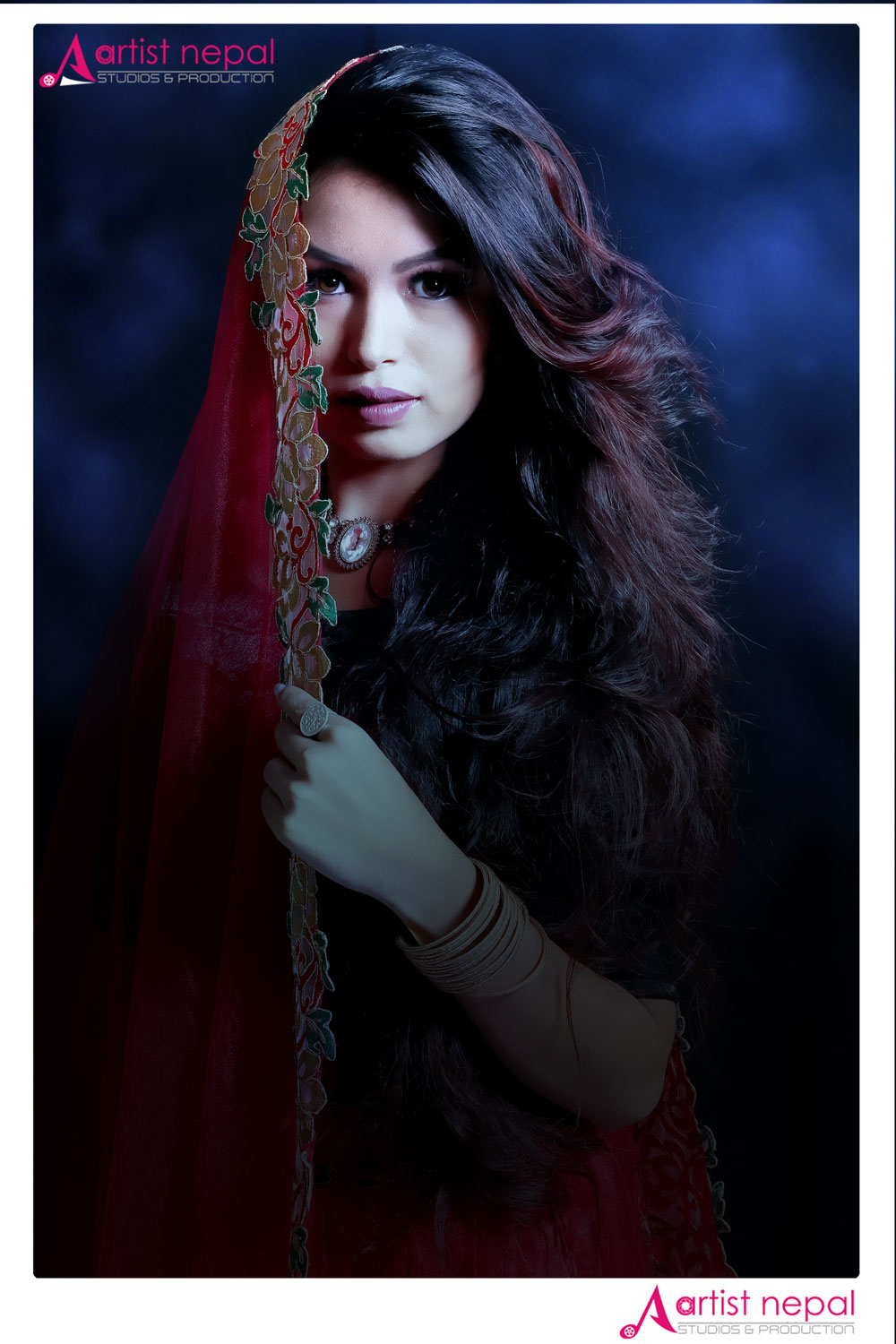
Ina's goal is to become a heroine who stepped into modeling through ArtistNepal. Ina Sangachhen from Dudhpati Bhaktapur, she is very obsessed with dance and especially charya Dance. She has learned dance since the age of 6. She is also currently working as a dance instructor in the culture center. Diploma in Civil Engineering, she said that she has entered the glamor field to showcase her inherent talent. With a height of 5.5 feet, Ina is looking for her future in music videos and movies.
Ina Sangchhen
Classical / Traditional Dancer, Model
Ishwor Ballav Upreti

Kamana Poudel
Model