
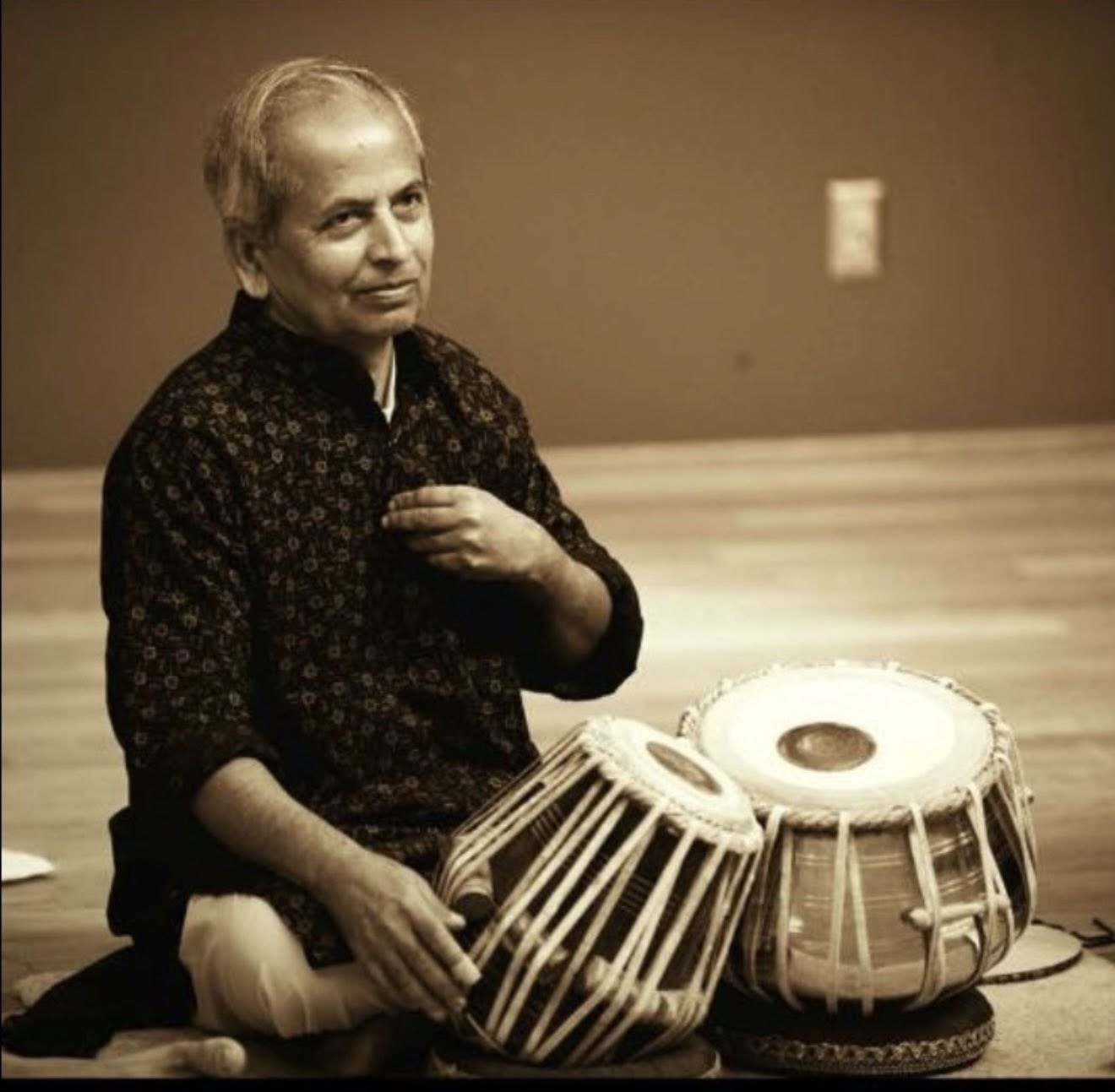
Hom Nath Upadhyaya
Late Artists@hom-nath-upadhyaya · Musicians & Instrumentalists, Tabla Players
Hom Nath Upadhyaya is a renowned Nepali tabla maestro celebrated for his mastery of classical, semi‑classical, and folk rhythms. Trained in the rich traditions of Hindustani classical music, he became one of Nepal’s most influential percussionists, p...
Biography
Hom Nath Upadhyaya is a renowned Nepali tabla maestro celebrated for his mastery of classical, semi‑classical, and folk rhythms. Trained in the rich traditions of Hindustani classical music, he became...
Personal Info
Career Highlights
—
Films
1
Awards
56 yrs
Experience
—
Rating
Similar Artists
Artists you might also like
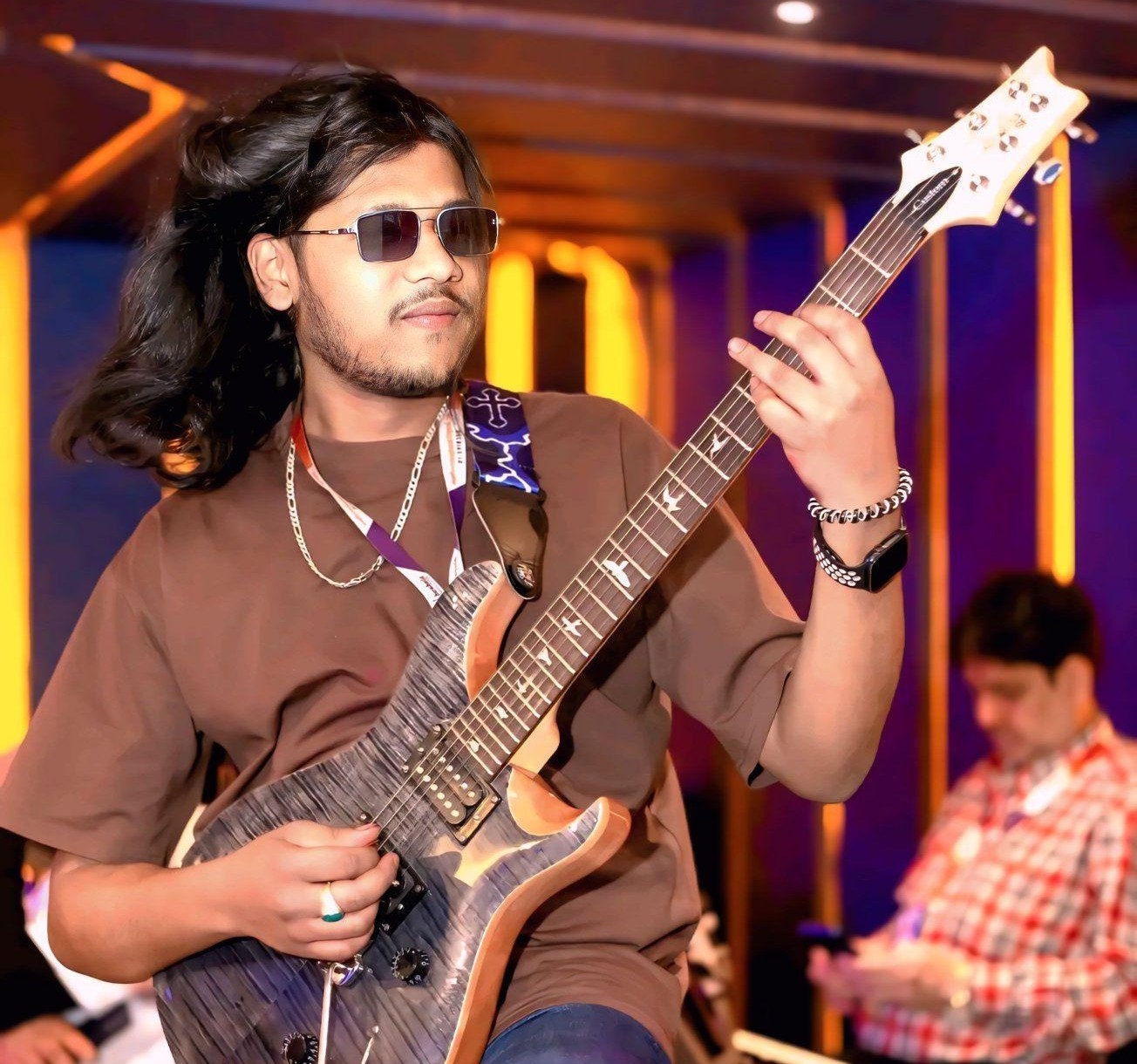
Razan Chaudhari is a Nepali lead guitarist known for his versatile playing across studio recordings, live concerts, and collaborative music projects. Skilled in both electric and acoustic styles, he contributes melodic lead lines, clean arrangements, and modern Nepali guitar textures to a wide range of musical settings.Active in various recording studios, Razan has worked as a session guitarist supporting artists with guitar tracking, arrangement ideas, and performance‑ready compositions. His experience extends to reality‑show stages, where he performs as part of live bands, delivering reliable accompaniment in high‑pressure broadcast environments
Razan Chaudhari
Musicians & Instrumentalists, Guitarist
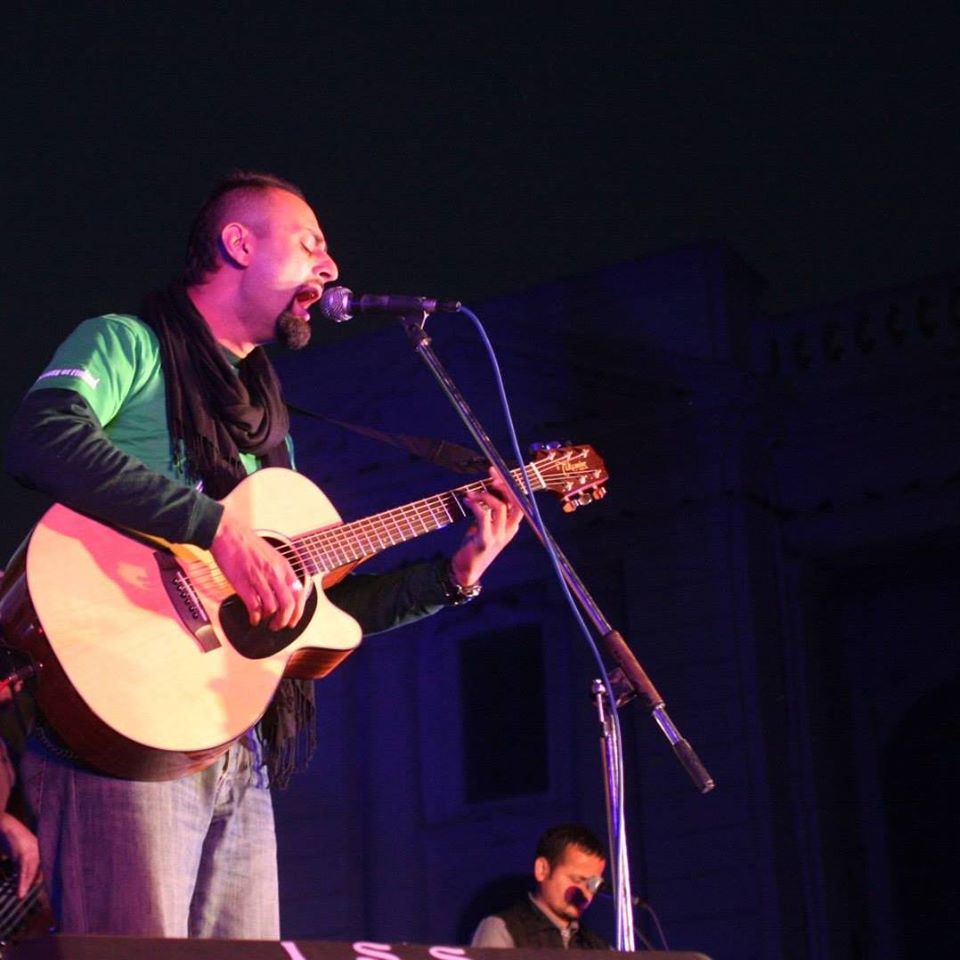
Lochan Rijal is a multi-instrumentalist, a singer, songwriter and a scholar of ethnomusicology. Born in the Panchthar district of Nepal, he grew up around music performed at festivals by the local people of that region. The experience influenced him to explore the potential of sound and develop his passion into his profession. While in college, he began teaching music to school children in Kathmandu while also working in the pop and rock music scene, producing award-winning albums, before moving onto something that fed his scholarly ambitions. In 2014, he graduated with a PhD in ethnomusicology from the University of Massachusetts and Kathmandu University. He also works as the associate professor and Head of Kathmandu University’s Department of Music.
Lochan Rijal
Music Artists, Lyricist, Musicians & Instrumentalists
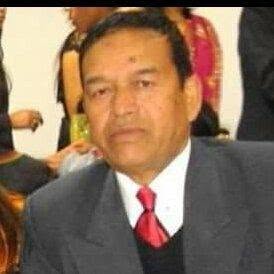
Ganesh Pariyar (1945 – 18 January 2021) was Nepal’s first music arranger, a pioneering composer, singer, and multi‑instrumentalist whose work laid the foundation of modern Nepali studio music. Beginning as a contractual instrumentalist at Radio Nepal in 2019 BS, he became a permanent musician in 2024 BS, introducing structured music arrangement to Nepali broadcasting for the first time.Before entering full‑time music, Pariyar served in the Nepal Army, rising to the rank of Havildar before resigning to pursue music professionally. A skilled violinist, saxophonist, guitarist, and folk instrumentalist, he played a central role in shaping the orchestral sound of early Nepali recordings.Across more than two decades at Radio Nepal, he contributed as an arranger, composer, vocalist, instrumentalist, and collector of lyrics and melodies. His disciplined musicianship and technical mastery helped elevate the quality of Nepali studio productions during a formative era.In 2050 BS, he joined Music Nepal as a Music Director and Arranger, influencing commercial music production and supporting countless singers and composers. His legacy remains foundational in the evolution of Nepali music arrangement.
Ganesh Pariyar
Music Arranger, Musicians & Instrumentalists, Folk Singer
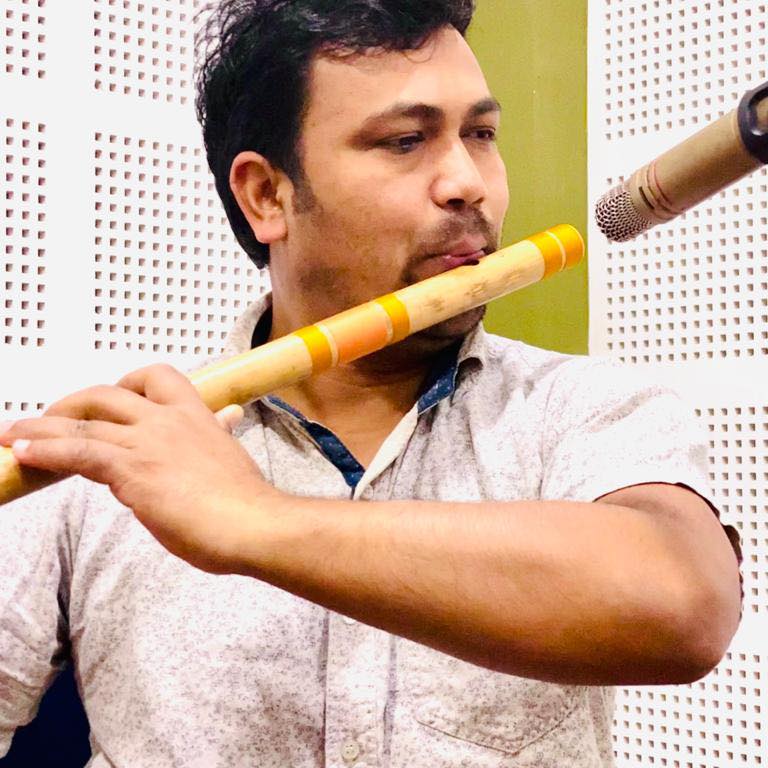
Gopal Dev is a Nepali flutist recognized for his soulful bansuri performances across folk, modern, and fusion music. Active in studio recordings, live concerts, and collaborative projects, he is known for blending traditional Nepali flute techniques with contemporary arrangements. Dev’s playing style emphasizes emotional phrasing, tonal purity, and melodic storytelling, making him a respected instrumental voice in Nepal’s evolving music scene.
Gopal Dev
Musicians & Instrumentalists, Flautist