
Explore Artists
Browse through 2,071 talented actors, musicians, dancers, filmmakers and creative professionals from Nepal.
2,736
All Artists
210
Actor
233
Actress

Aaradhana Chhetri is a Nepali film actress best known for her role in the 1995 feature film Jeevan Sangharsha, where she appeared as Sanju. She was active during the mid‑1990s and is credited in two Nepali films: Jeevan Sangharsha (1995) and Hatya (1999). Though her public biography is limited, her work places her among the actresses who contributed to the transitional era of 1990s Nepali cinema, marked by emotional storytelling and emerging commercial filmmaking.
Aaradhana Chhetri
Actress
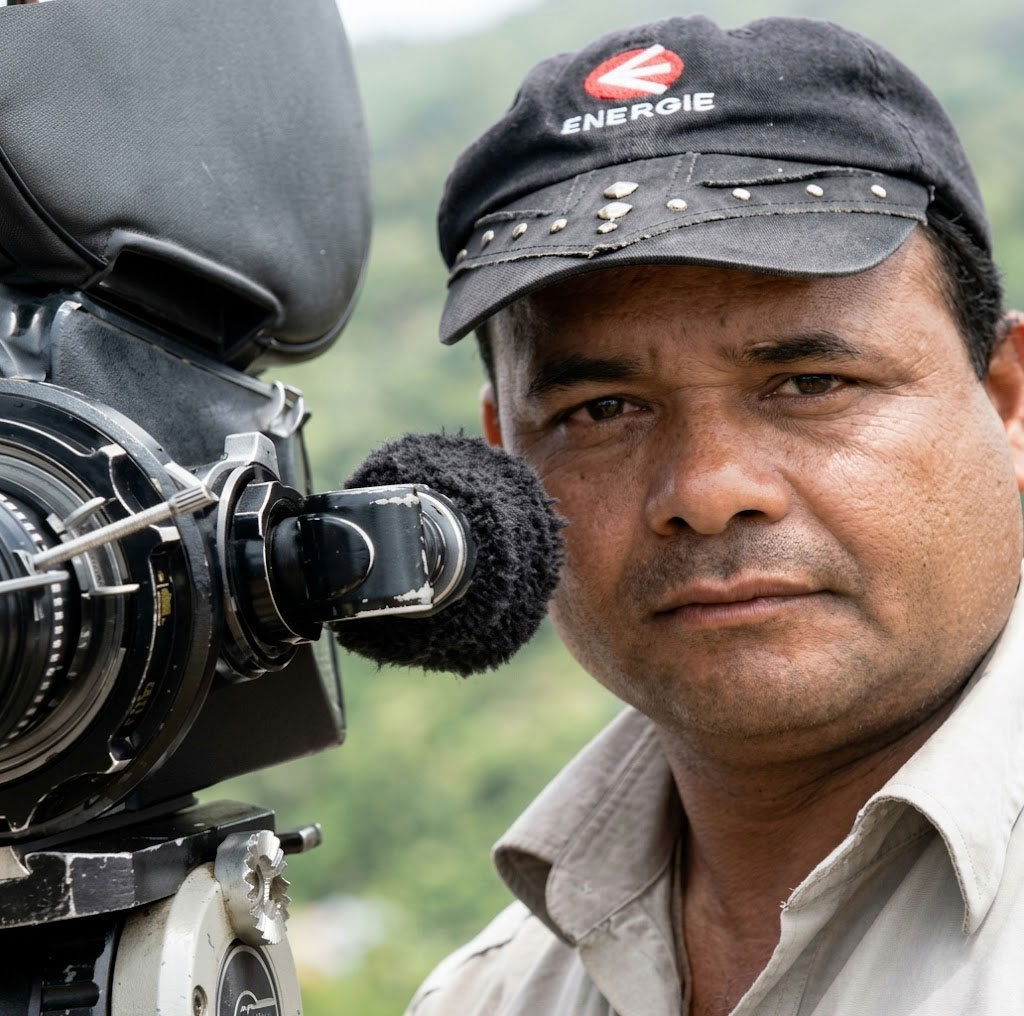
Shambhu Sapkota is a Nepali cinematographer from Panauti, active in Nepali cinema since 1994, known for his extensive body of work across commercial and dramatic films. He has shot more than 50 feature films, contributing to the visual style of late‑1990s and 2000s Kollywood. His early credit includes Sadak (1994), and he continued through major titles such as Thuldai (1999), A Mero Hajur (2002), Kismat (2007), Ma Timi Bina Marihalchu (2008), and Rhythm (2013). His career reflects consistency, technical reliability, and long‑term collaboration with leading directors of the era.
Shambhu Sapkota
Cinematographer
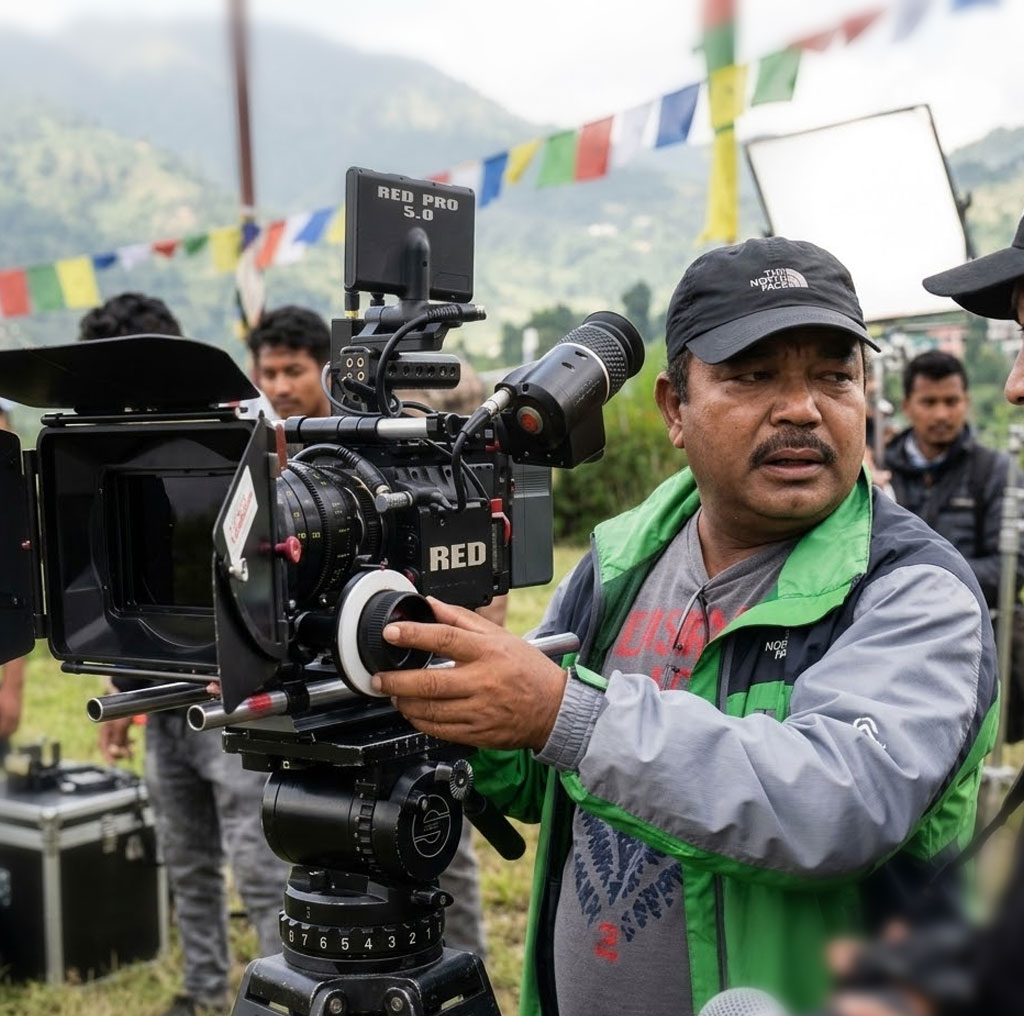
Krishna Shrestha is a Nepali cinematographer active since 2002, known for his versatile work across commercial, romantic, and action‑drama films in Kollywood. His career spans more than two decades, with credits in major productions such as Kranti (2002), Bhuttukai Bhaye Ni (2002), Pyari Bahini (2004), Kanoon (2007), Dhoom (2009), Dosti (2009), Man Manai Man Paraye (2011), Bodyguard (2012), Jodi No.1 (2014), Bhram (2015), Luv Sab (2015), Sakas (2017), Boyfriend (2018), and Eklavya (2019). His work is recognized for clean framing, commercial visual appeal, and consistent collaboration with mid‑2000s and 2010s Nepali film directors.
Krishna Shrestha
Cinematographer
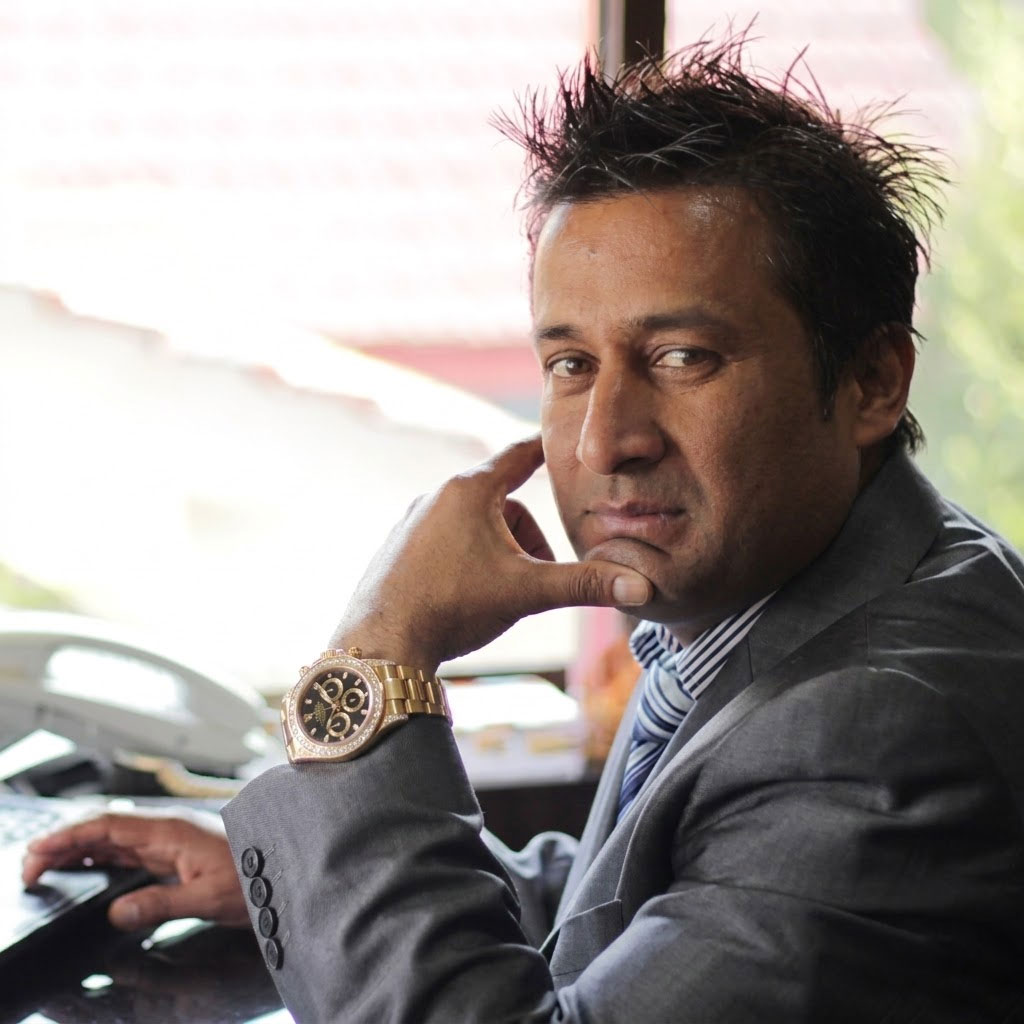
Lokendra Karki is a Nepali film actor and producer who became active in the Nepali film industry during the mid-1990s. He is recognized for his performances in action, drama, and social films that were popular during the late 1990s and early 2000s Nepali cinema era.Lokendra Karki started his acting career with the film Soltini in 1995 and later appeared in several Nepali movies including Deurali, Dulaha Raja Dulaha Rani, Hatiyar, Jange, Army, Sadyantra, Maan, and Shasan. His screen presence and supporting roles helped him establish a recognizable identity among audiences of that period.Apart from acting, Lokendra Karki has also been involved in film production. He worked as a producer for the movie Shasan (2011), expanding his contribution to the Nepali film industry beyond acting.
Lokendra Karki
Actor
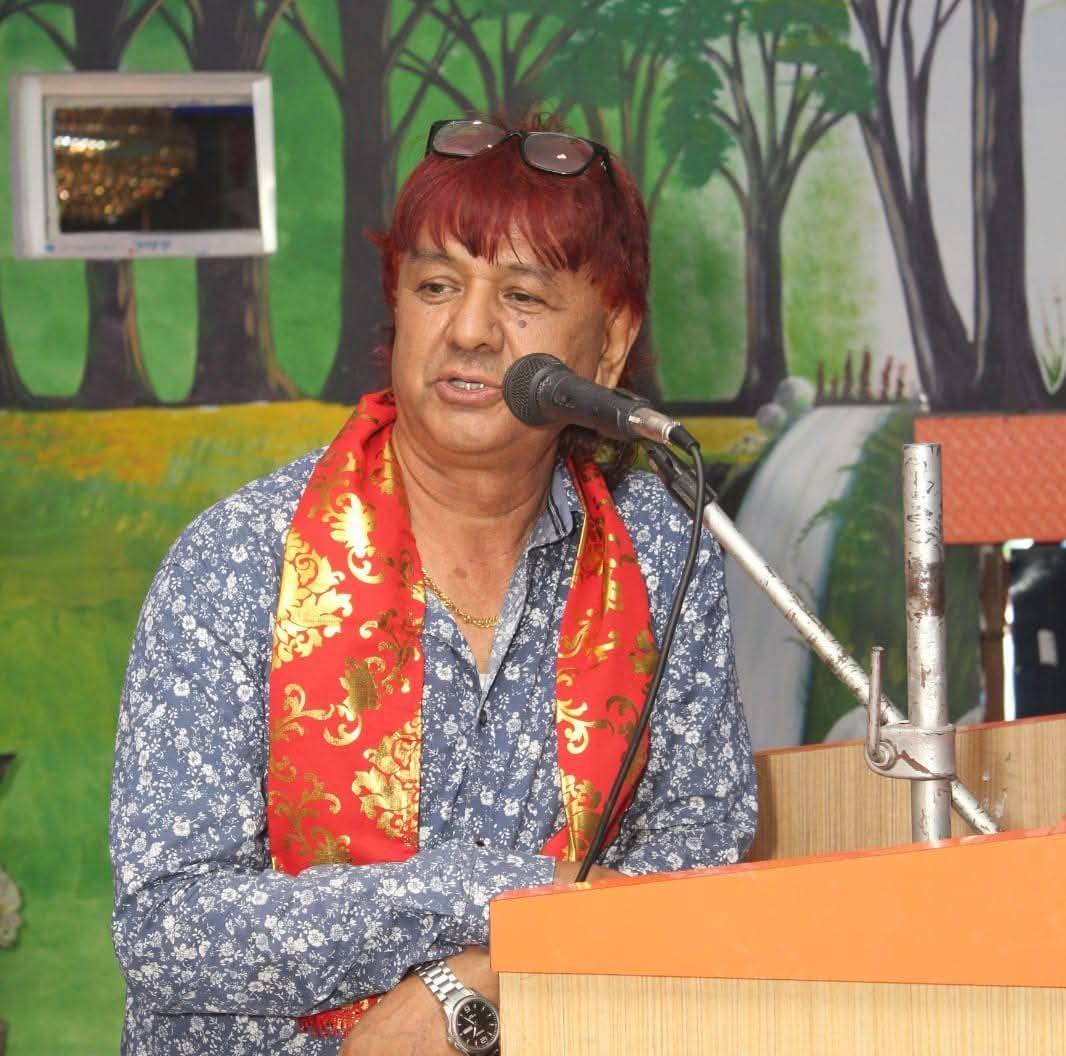
Chiranjibi Basnet is a Nepali film artist active since 1990, known for his wide-ranging contributions as an actor, producer, sound designer, music director, production manager, legal advisor, audiographer, story writer, and co‑cinematographer. He has worked in 26+ films across multiple departments, making him one of the most versatile behind‑the‑scenes contributors in Nepali cinema.
Chiranjibi Basnet
Film Maker/ Producer, Film Artists
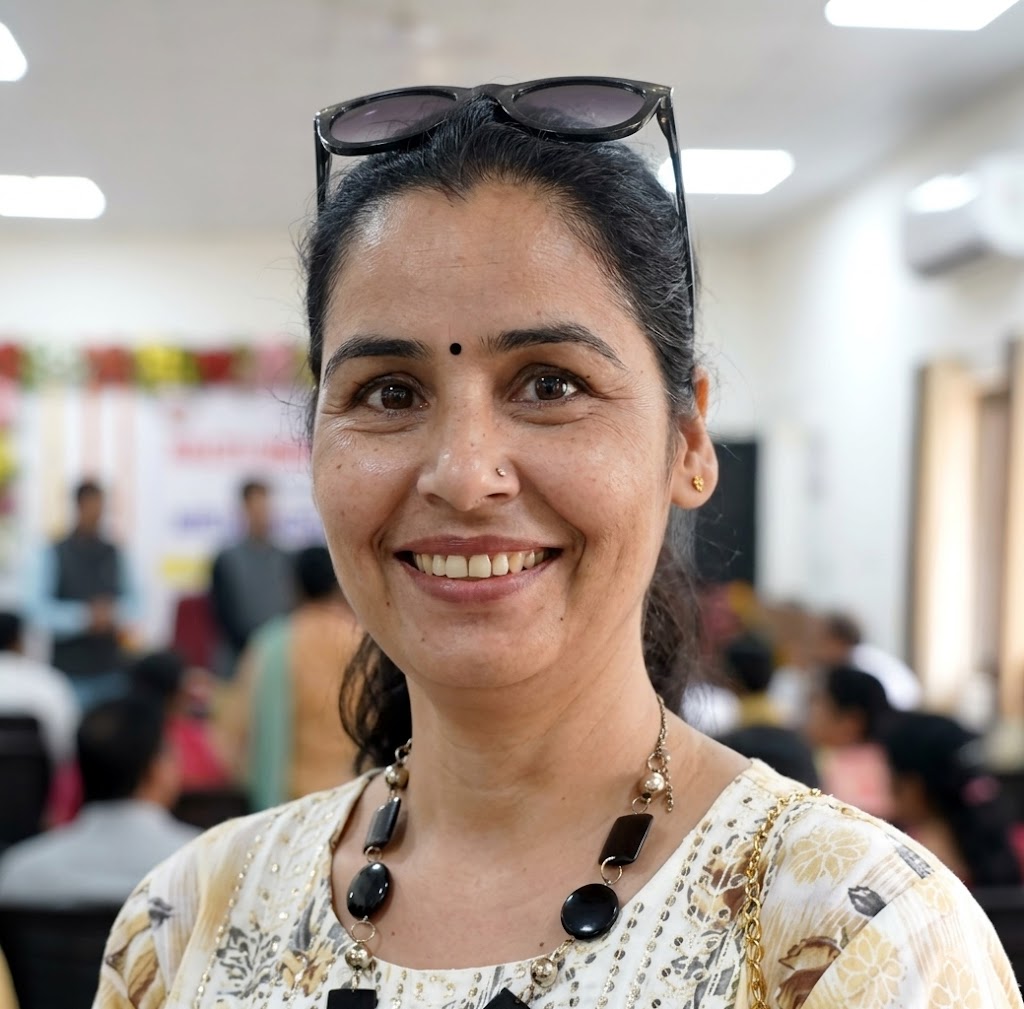
Megha Pokharel (मेघा पोखरेल) is a former Nepali film actress who was active in Nepali cinema during the mid-1990s. She is remembered for her appearances in social and romantic Nepali films and is considered one of the actresses associated with the 1990s generation of Nepali cinema. Although she remained active for a short period, her work in films like Soltini and Sannani helped her gain recognition among audiences of that era.Megha Pokharel appeared in the 1995 Nepali movie Soltini, directed by Arun Kumar Jha. The film featured actors including Lokendra Karki, Ravi Shah, Santosh Panta, Parvati Adhikari, and Chiranjibi Basnet. The movie became one of the notable social-romantic films of its time and introduced Megha Pokharel to mainstream Nepali film audiences.She later appeared in Sannani alongside Saroj Khanal, Hemanta Budhathoki, and Sunil Thapa.Megha Pokharel’s real name is believed to be Bimala Pokharel, while “Megha Pokharel” was used as her screen name during her film career. After the late 1990s, she gradually stayed away from the public film industry, her contribution remains part of the archival history of classic Nepali cinema.
Megha Pokharel
Actress
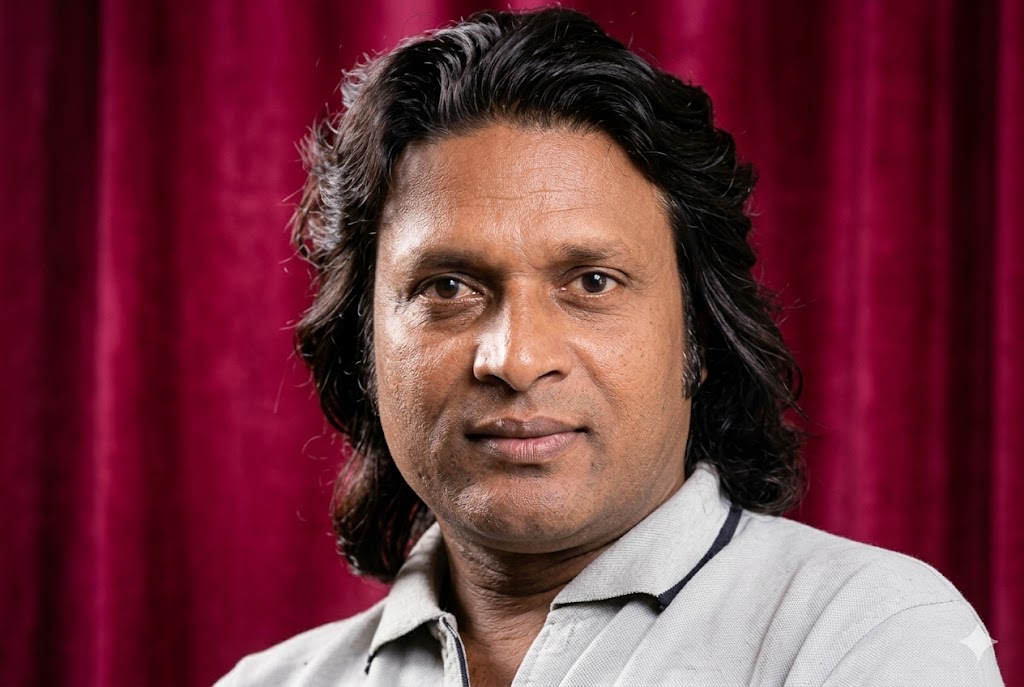
Rajkumar Shah is a veteran Nepali film artist active since 1993, known for his long career in commercial Nepali cinema and his appearance in the 1995 feature film Soltini, where he played a supporting negative character. His work spans more than three decades, with credits in 16+ feature films, including Rakshya (1993), Tuhuro (1994), Soltini (1995), Daijo (1996), Avatar (1997), Ghaite (1997), Sindur Pote (1998), Aafanta (1999), Santanko Maya (2002), and later titles such as Hasideu Ek Phera (2010) and Bindaas 3
Rajkumar Shah
Film Artists

Sangam Bhandari (born 1971) is a Nepali film actor active since 1991, recognized for his steady contribution to Nepali cinema. He began his career with Pariwar (1991) and Sampati (1991), later appearing in Chatyang (1994), Jay Baba Pashupati Nath (1995), and Surakshya (1999). His performance in Muna Madan (2003) strengthened his presence in literary‑adapted films, and he continued his work with Jhingedau (2022), marking over three decades of involvement in the industry.
Sangam Bhandari
Film Artists
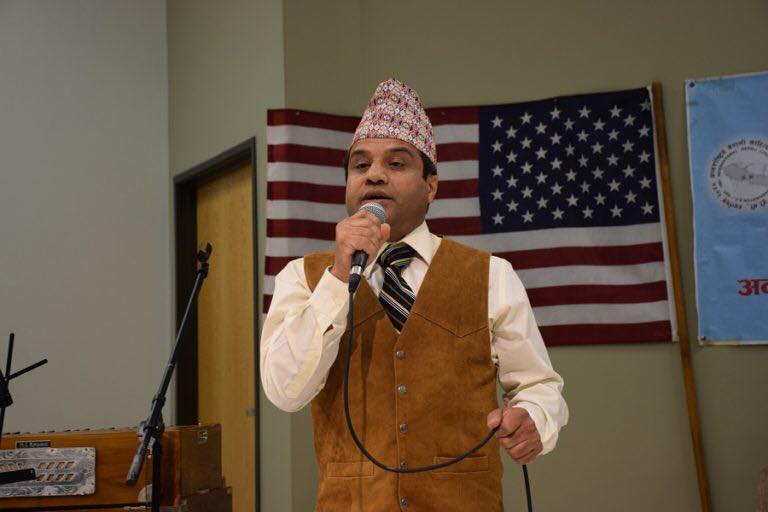
Krishna Murari Dhungel is a Nepali film artist known for his supporting roles in 1990s Nepali cinema, including his appearance in Bhisma Pratigya (1995). Active during the era of ensemble social‑action dramas, he contributed to films featuring leading actors such as Rajesh Hamal, Gauri Malla, Dhiren Shakya, and Neer Bikram Shah. Recognized for his steady presence in character roles, Dhungel remains part of the generation that shaped the classic period of Nepali commercial filmmaking.
Krishna Murari Dhungel
Film Artists
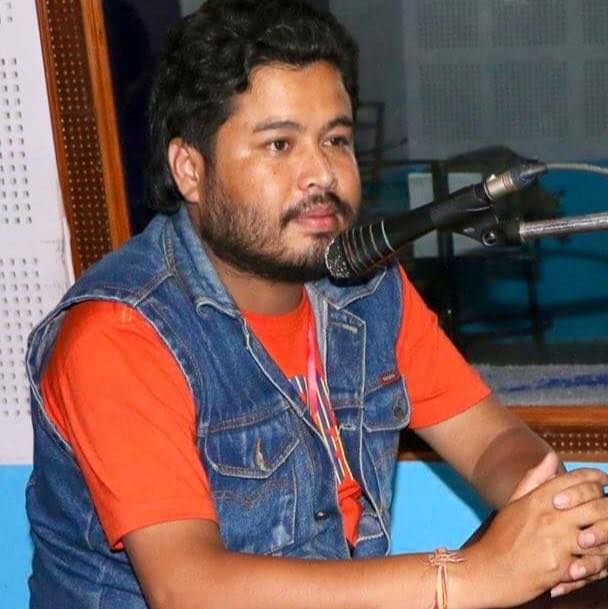
Bikash Chaudhary is a prominent Nepali music director and composer known for his versatile work across films, modern songs, and commercial soundtracks. Active since 2011, he has contributed to more than 25+ Nepali films as a music director, shaping the soundscape of contemporary Nepali cinema with melodic, emotionally resonant, and folk‑influenced compositions. His notable works include Sworga Mero Gau, Panchebaja, Gun Gun, Teenage, Dhanwan, Parcel, Lale, Refugee, Killa, and Yo Katha Ho Timro Mero, among others. His compositions have earned industry recognition, including the Music Khabar Music Award (2015) for Yo Katha Ho Timro Mero.
Bikash Chaudhary
Music Director

Balaram Samal is a Nepali music arranger, singer, and multi‑instrumentalist known for his versatile command over modern, folk, and cinematic sound design. Active since the 2010s, he has arranged music for numerous Nepali songs across digital platforms, collaborating with singers, composers, and studios to craft polished, emotionally rich productions. His work is recognized for blending traditional Nepali melodic textures with contemporary arrangements, supported by his strong musicianship on multiple instruments.
Balaram Samal
Music Arranger

Narayan Thapa is a Nepali singer, composer, and musician known for his expressive sugam and modern vocal style. Born in Sindhuli, he entered the industry with “Chokho Maya Ma” and has since released over 60 songs, including popular tracks like “Aajkalka Muna Madan” and “Timro Aakarshanle.” With albums such as Ajambari, Parivesh, and Aakarshan, he has earned multiple national music awards and recognition for his versatile contributions to Nepali music.
Narayan Thapa
Singer/ Performer
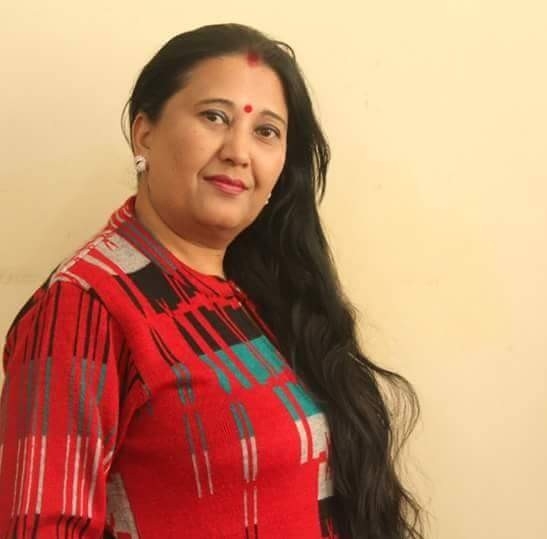
Shardda Silwal is a Nepali dance teacher, actor, and former senior dance director known for her long service at the Cultural Corporation (1992–2023). Over three decades, she trained students across multiple schools, specializing in classical, folk, and contemporary Nepali dance. Her work includes stage choreography, cultural program direction, and mentoring young performers who later entered professional arts. Alongside teaching, she has also contributed as an actor, appearing in cultural productions and performance‑based projects.
Shardda Silwal
Dance Choreographer, Film Artists
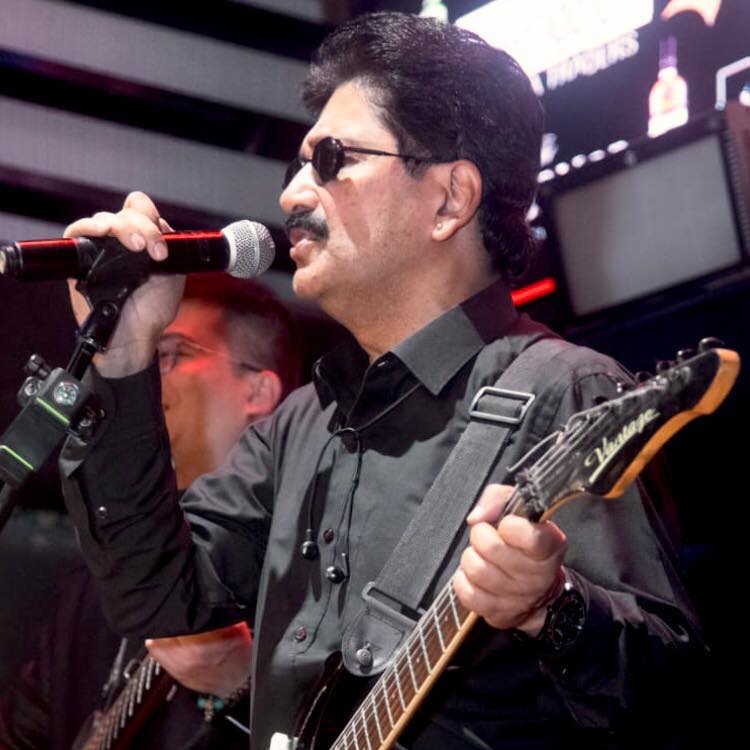
Sunil Upreti is a prominent Nepali pop singer and guitarist whose career emerged in the 1990s, gaining recognition as one of the defining voices of Nepal’s early pop era. He began as the vocalist and guitarist of the Prism Band and later performed with The Legend Band before establishing himself as a solo artist known for his expressive singing style and melodic guitar work. His signature hit “Sagar Jhai Gahiro” became a cultural milestone of the decade, followed by several well‑loved songs that strengthened his presence in the Nepali pop scene. Even after moving abroad, Upreti remained closely connected to Nepali music through interviews, retrospectives, and continued creative engagement, maintaining his influence as both a vocalist and a guitarist within Nepal’s modern pop history.
Sunil Upreti
Guitarist, Singer/ Performer
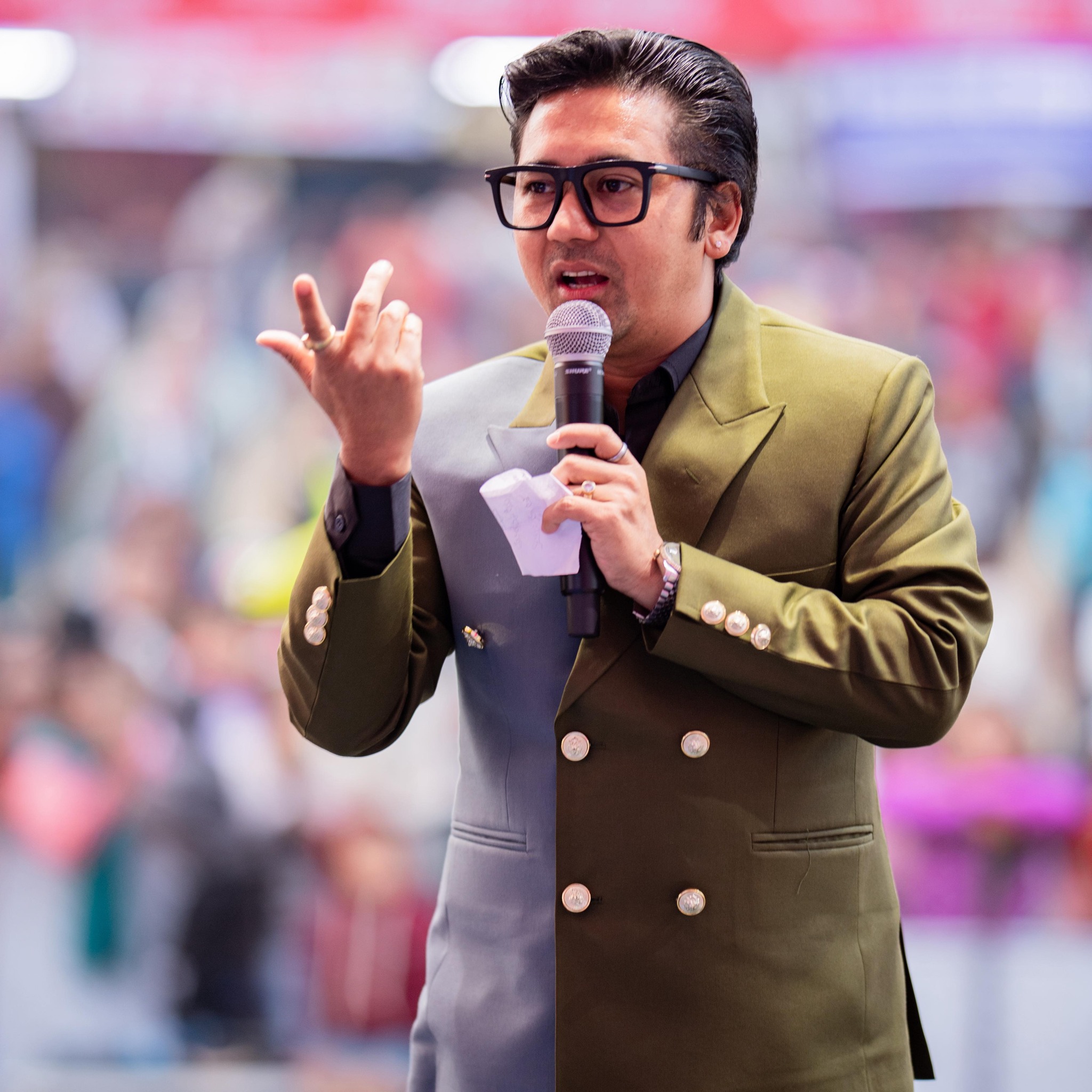
Dinesh Khadka is a Nepali comedian who began his public career as an RJ around 2010/12, developing his voice, timing, and audience connection through radio before stepping onto local stages as a comic performer. He gained early attention by portraying the character “Nakkali Magne Budha,” skillfully echoing the style and rhythm of the original while adding his own improvisation to make audiences laugh. Known for his sharp mimicry, he can naturally reproduce the voices of many artists, public figures, and political leaders, which became one of his strongest comedic signatures. From radio studios to community festivals, and from small local shows to larger platforms, he gradually built his presence through steady struggle and consistent performance. His journey expanded further as he appeared in programs like Mundreko Comedy Club, Nepali films, and Comedy Darbar, where his expressive acting, character humor, and vocal versatility helped him establish himself as a rising national‑level comedian. His career reflects a long path of persistence.
Dinesh Khadka
Comedian Artists

Chanda Dewan is a Nepali singer recognized for her smooth, soft‑melodic and folk‑influenced vocal style. Her musical journey began with the debut album Nilo Akash, which introduced her expressive tone and emotional delivery. She later released Chanda and Jham Jhame Maya, expanding her presence in modern Nepali music. Active in studio recordings, live shows, and collaborative projects, Dewan continues to shape contemporary Nepali melodies with her warm voice and versatile performance style.
Chanda Dewan
Singer/ Performer
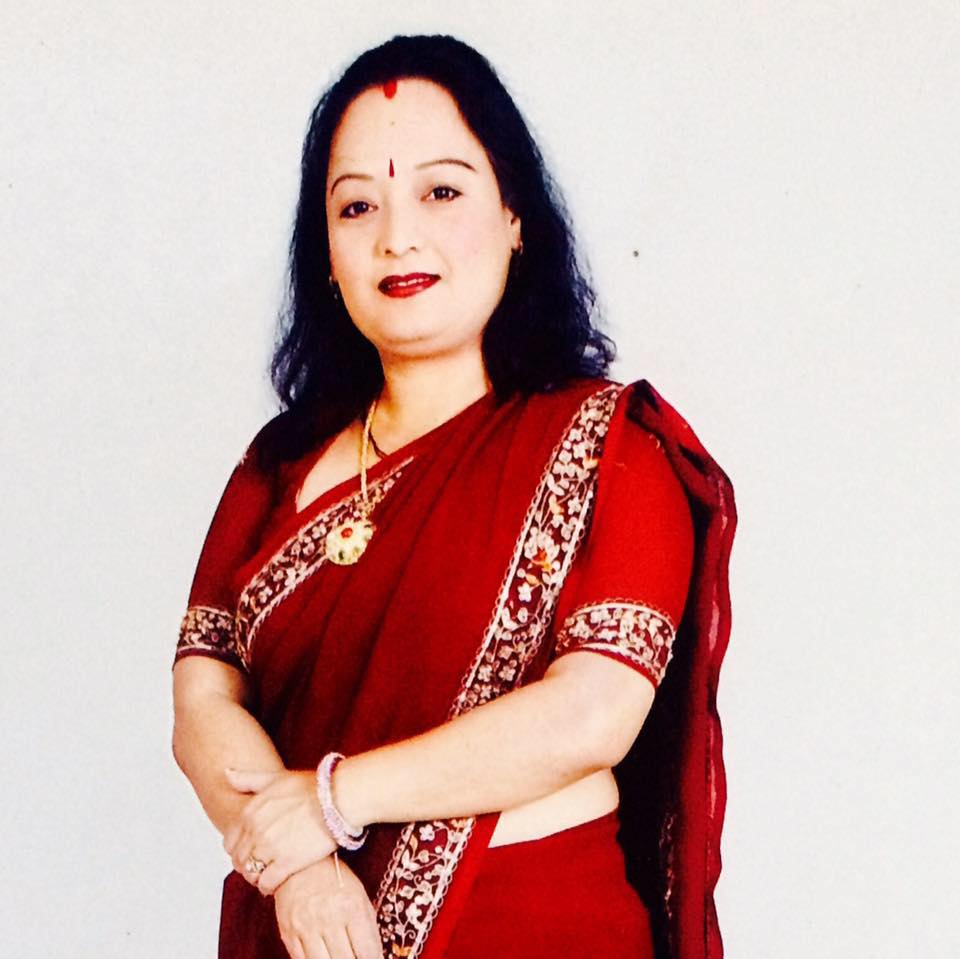
Ramana Shrestha is a Nepali playback singer known for her expressive, melodious voice that became a defining presence in the popular film‑song era of the 2050s. As cinema halls promoted films through hit songs, her vocals played a central role in shaping audience appeal and elevating the emotional tone of Nepali films. Her duets and playback performances became staples of the period, contributing to some of the most memorable soundtracks of the decade.She rose to prominence through collaborations with leading composers and singers of the time, most notably her celebrated duets with Umesh Pandey. Together, they delivered evergreen hits such as “Rato Tika Nidharma Talkyo…”, a song that remains deeply rooted in Nepali musical memory. Her voice also enriched major film projects, including Nirmaya, Allare, and several other productions where her tonal clarity and emotive delivery stood out.Throughout the 2050s, Ramana Shrestha became one of the most recognized female playback voices, contributing to numerous film soundtracks that continue to resonate with audiences today. Her work represents a significant chapter in the golden era of Nepali film music, marking her as one of the era’s defining playback artists.
Ramana Shrestha
Singer/ Performer

Sita Gurung is a former Nepali stage dancer and film actress. During the mid-1990s, she was actively involved in cultural and comedy programs organized by the legendary Maha Jodi and performed in Nepal as well as abroad, including Hong Kong. She was also a featured dance performer in the popular touring stage show Shikhar Sanjh, which traveled to various parts of the country and attracted large audiences.Building on her success as a stage performer, Sita Gurung later entered the Nepali film industry and appeared in movies such as Aaghat (1996) and Daiva Sanjog (1998). Although there is little evidence of her continued involvement in the entertainment industry today, her beauty, talent, and stage presence left a lasting impression on the Nepali artistic scene of her era.
Sita Gurung
Dancer, Film Artists

Jalu Gurung is a Nepali singer and dancer known for her contributions to Nepali folk music and stage performances. Through her involvement in cultural programs, folk music recordings, and live stage shows, she established herself as a versatile performer who skillfully combined singing and dancing.She has been associated with the Nepal Purba Prahari Kalakar Sangh (Nepal Ex-Police Artists Association), contributing to various cultural and musical activities organized by the institution. Over the years, she has performed numerous folk and traditional songs, some of which are available on digital platforms including YouTube, helping preserve and promote Nepal's rich musical heritage.
Jalu Gurung
Folk Singer, Singer/ Performer
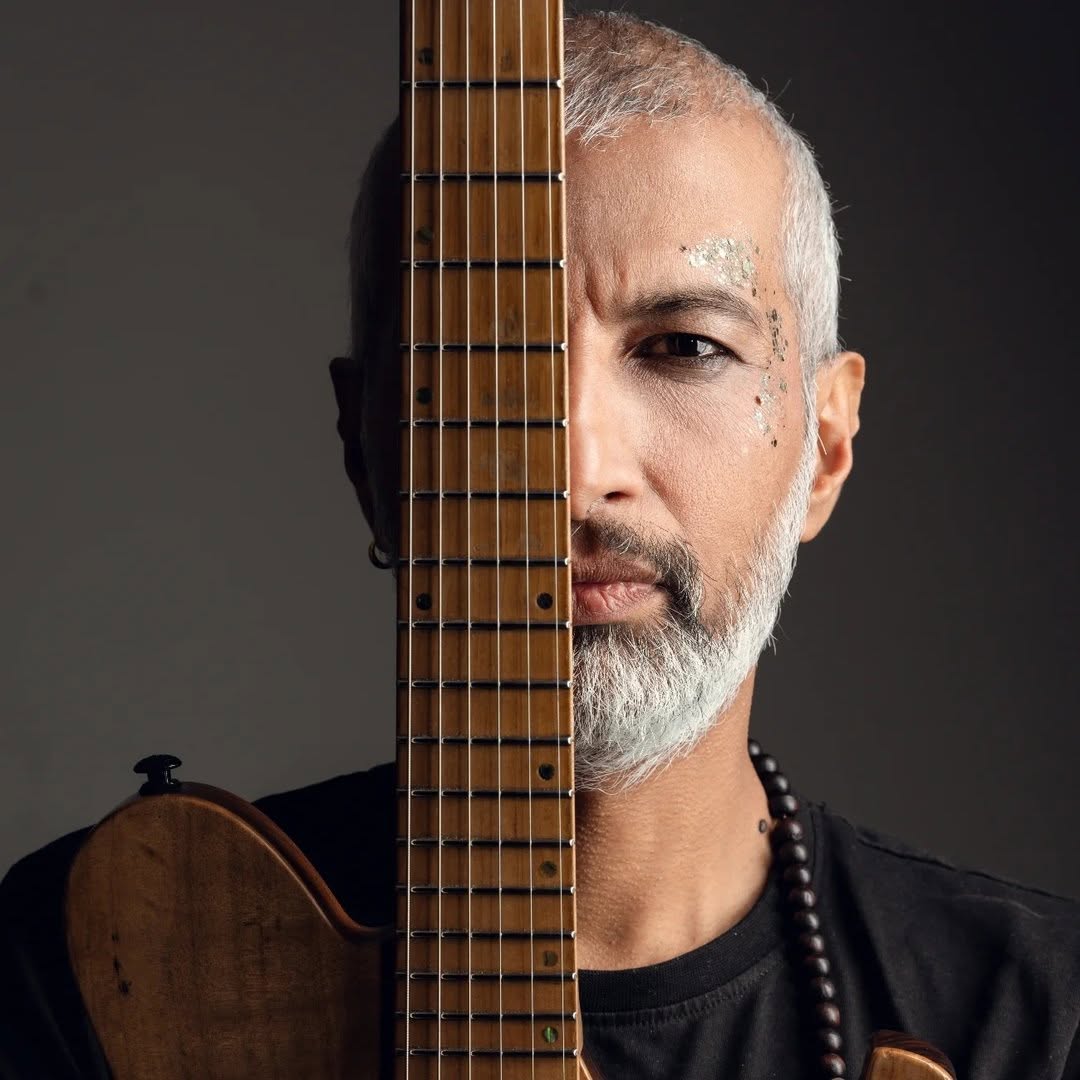
Roshan Sharma is a renowned Nepali guitarist and Mohan Veena player celebrated for his distinctive riffs, versatile tunings, and ability to blend Eastern classical expression with Western contemporary styles. A disciple of Grammy Award–winning maestro Pandit Vishwa Mohan Bhatt, he has built a prolific career as a session musician, contributing to over 4,000 songs across Nepali, Indian, and cross‑border projects.He is a member of the instrumental jazz‑rock band Urjaa (Nepal), Kavya (Dubai), and the acclaimed Pakistani band The Sketches, expanding his musical reach across South Asia. His performances are widely regarded as engrossing, marked by deep musical sensitivity and mastery of both guitar and Mohan Veena.Sharma has recorded and performed pieces such as Saanjhi, Faani Aur Baqa, Dil Jo Dost (Unplugged), Ishq Laga Mann Jaga, Jeevan, Panchion Ka Gaon, Aashiq Mast Jalali, and Ram Kali, among many others.Beyond performance, he has contributed to music education as a lecturer at Tribhuvan University and currently heads the music department at Osho Tapoban, where he continues to mentor and inspire young musicians.
Roshan Sharma
Guitarist
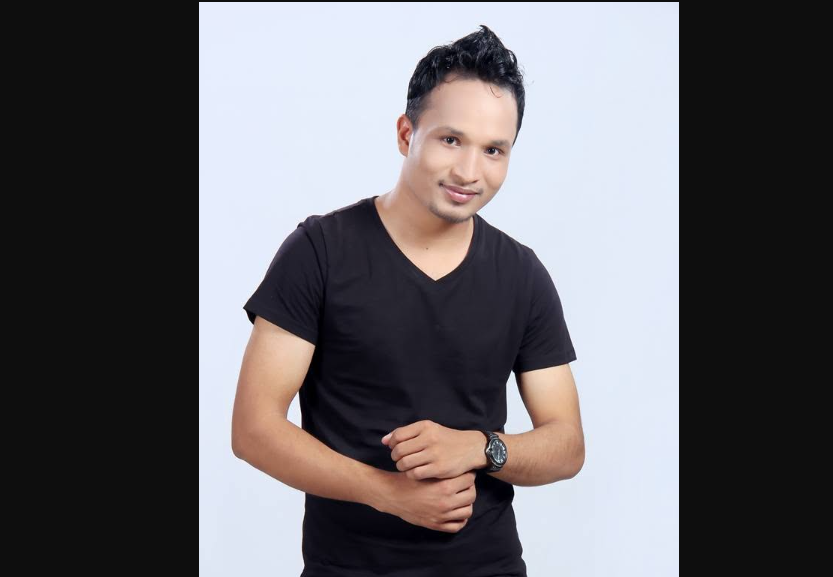
Shyamshwet Rasaily is a Nepali singer, recording engineer, and music arranger known for his versatile vocal work and technical contribution to modern Nepali music. Active across folk, pop, and contemporary commercial genres, he has recorded, arranged, and performed in numerous popular songs featured on major platforms. His collaborations include widely recognized tracks such as “Galbandi,” “Pir,” “Babari Rang,” “Jhari Pareko Raat,” and “Kafalko Dana,” where his voice and arrangements appear alongside leading artists of Nepal’s current music scene.Rasaily’s dual expertise as both a vocalist and a studio professional has made him a sought‑after figure in recording and production environments. His work is featured across YouTube, Genius, and digital music platforms, reflecting a career rooted in both performance and behind‑the‑scenes craftsmanship. He continues to contribute to Nepali music through consistent releases, collaborations, and studio production.
Shyamshwet Rasaily
Music Arranger

Sriya Singh appears in Nepali cinema records under the name Shreya Singh, with one confirmed film credit in Apaharan (Ekadeshma) (1995).
Sriya Singh
Film Artists
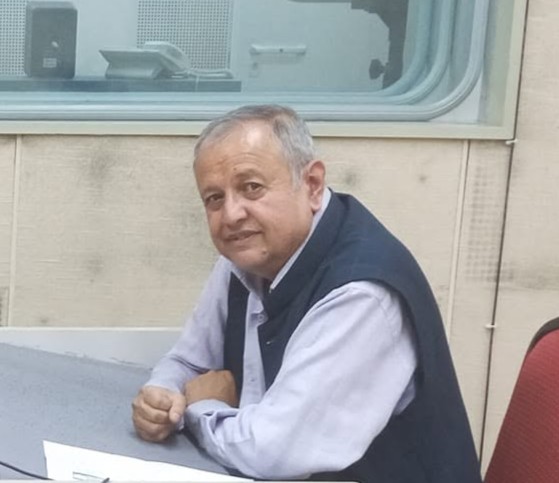
Shree Purush Dhakal is a Nepali lyricist with verified credits across multiple Nepali feature films from the early 1990s to recent years. His work appears consistently in The Film Nepal and LensNepal databases, confirming him as an active and recognized songwriter in Nepali cinema.
Shree Purush Dhakal
Lyricist, Songwriter
Nabin Shrestha is a Nepali film actor active since the late 1990s, known for roles in Mukti Sangarsha (1992), Mohani (1994), and Choro (1996).
Nabin Shrestha
Actor
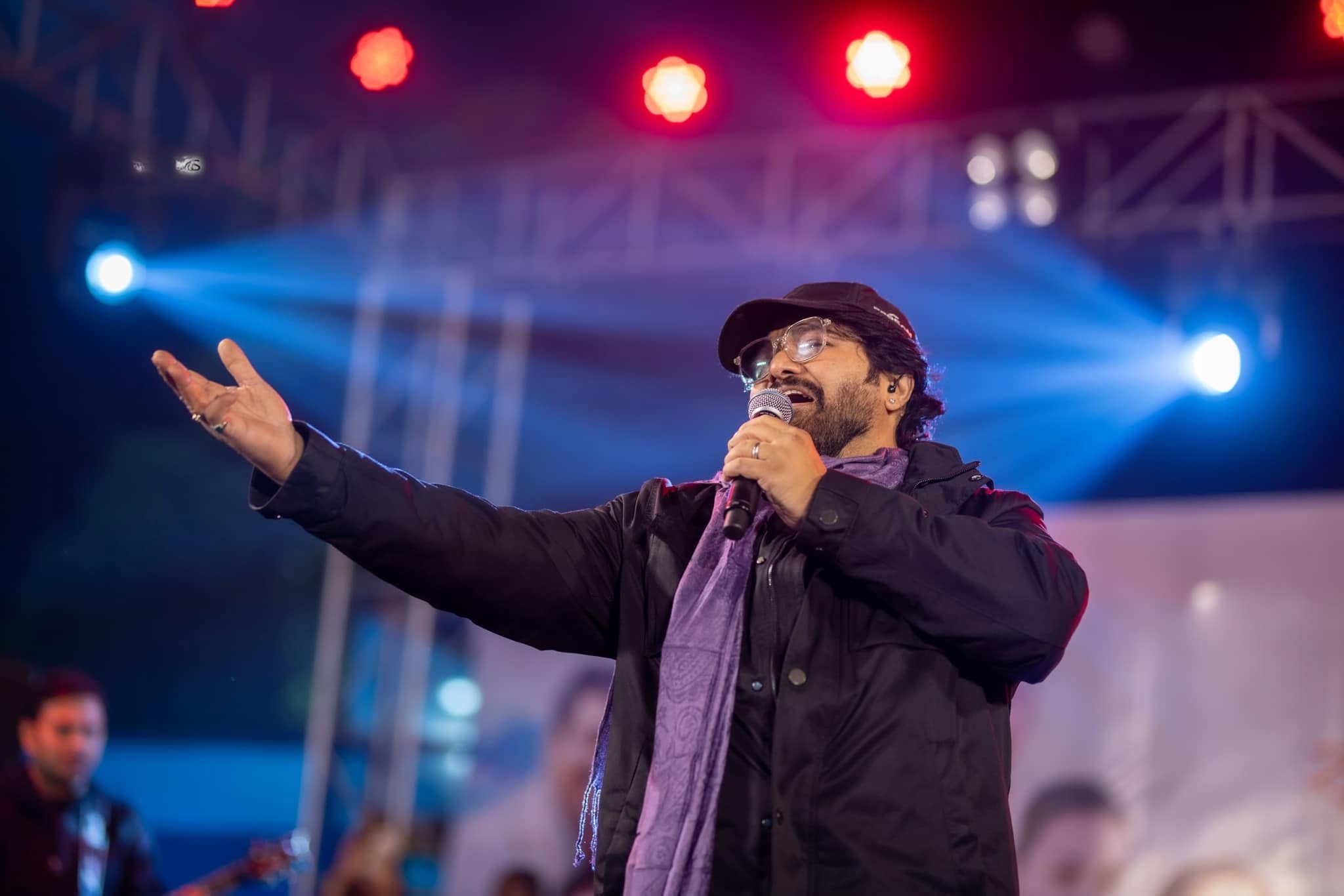
Babul Supriyo (born 1970) is an Indian playback singer whose versatile, emotive voice made him one of the most recognizable South Asian vocalists from the mid‑1990s onward. Born as Supriyo Baral in West Bengal, he grew up in a deeply musical family and received formal training from early childhood, performing regularly on radio and television and winning numerous singing awards during his school and university years. He began his professional music journey after moving to Mumbai in 1992, initially recording cover songs and later earning his playback break in 1994. His career expanded rapidly across Hindi, Bengali, Odia, and several other languages, eventually singing in over 11 languages. Alongside his Indian film career, Babul Supriyo became admired in Nepal for lending his voice to multiple Nepali filmy songs, where his smooth romantic tone blended naturally with Nepali melodic sensibilities. His selective but memorable Nepali contributions helped introduce a polished, cross‑border playback style to Nepali cinema, making him one of the most respected Indian singers to collaborate with Nepal’s film music tradition.
Babul Supriyo
Playback Singer

Hisila Maharjan is a Nepali Newari actress best known for her iconic portrayal of Rajamati in the classic Nepal Bhasa film Rajamati (1995/1996). Her performance in the culturally significant film—based on a 200‑year‑old Newar ballad—established her as one of the most recognizable faces in Newar cinema.Active since 1996, she brought emotional depth and cultural authenticity to the role, helping the film become a landmark in Nepal Bhasa filmmaking. She later appeared in Kirtipur – The Legend of Kirtilakshmi (2019), demonstrating her continued presence and versatility in Newar‑language visual storytelling.Beyond films, Hisila Maharjan has been featured in several Newari music videos, including Likka Woya, where her expressive screen presence and strong cultural grounding further strengthened her connection with Newar audiences.Her contribution to Nepali and Newar cinema remains significant, with Rajamati continuing to be remembered as one of the most important cultural films of its era—anchored by her defining performance in the title role.
Hisila Maharjan
Actress
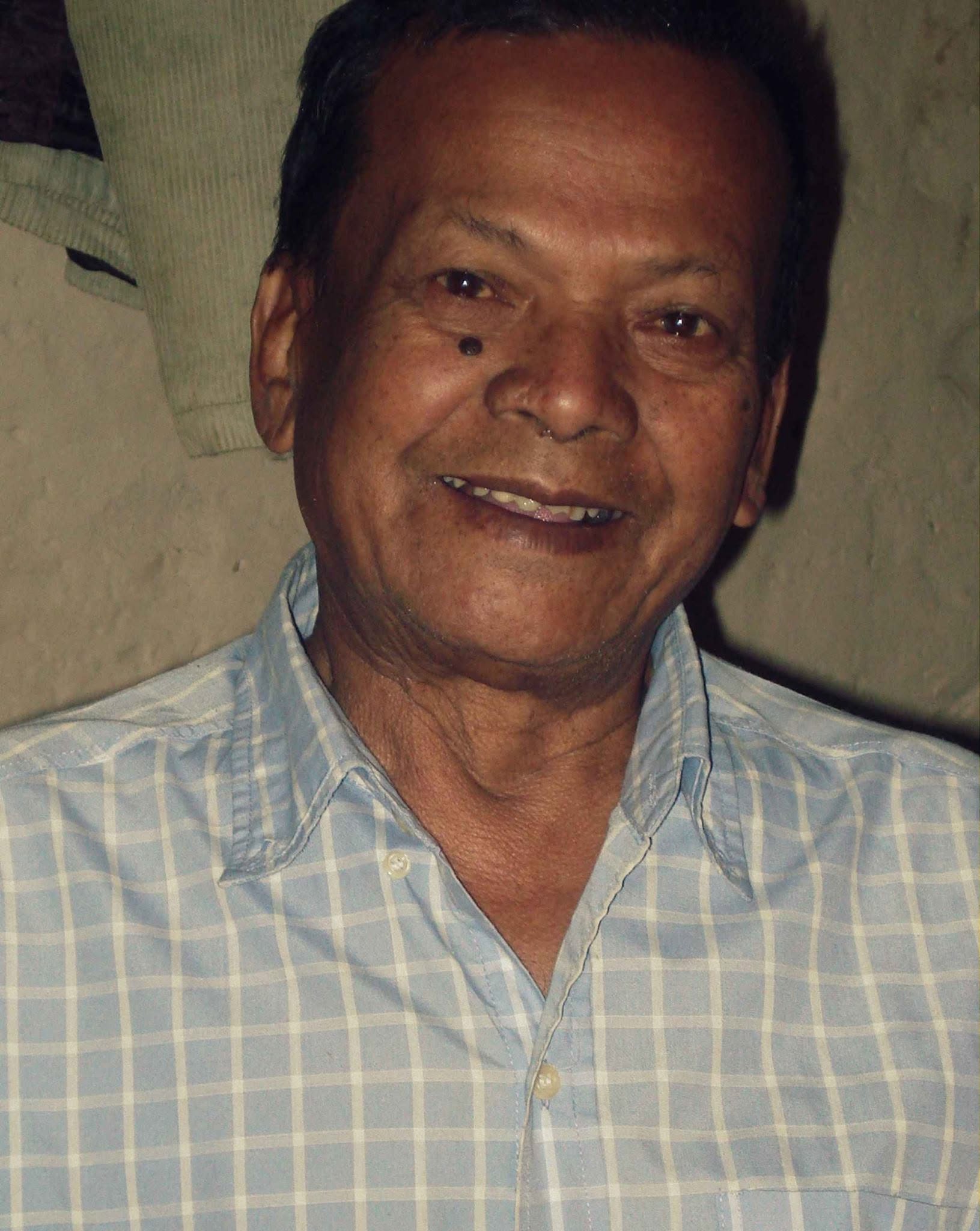
Ram Sekhar Nakarmi was a veteran Nepal Bhasa (Newari) artist, writer, director, and cultural contributor best known for his defining creative role in the classic Newar‑language film Rajamati (1995/1996). He served as the film’s story writer, screenplay writer, and production designer, making him one of the central creative forces behind the project.Active for over six decades in Nepal Bhasa arts and literature, Nakarmi was widely respected as a satirist, playwright, and performer, contributing to stage, screen, and cultural preservation. His long career included writing, directing, and acting in various Newar productions, earning him recognition as a multi‑talented figure in Kathmandu Valley’s artistic community.A permanent resident of Inachowk, Bhaktapur, he continued creating and performing well into his later years. His legacy is most strongly tied to Rajamati, a landmark film based on a 200‑year‑old ballad, where his writing helped bring Newar heritage to the screen with authenticity and emotional depth.Ram Sekhar Nakarmi passed away in 2017 at the age of 80, after a long battle with cancer, leaving behind a profound cultural legacy and a body of work that remains foundational to Nepal Bhasa cinema and literature.
Ram Sekhar Nakarmi
Film Artists

Tulsa Silwal is a Nepali actress who emerged around 1995 and became known for her glamorous yet natural on‑screen presence, representing a new wave of actresses who brought ease, confidence, and modern styling into Nepali cinema during the late 90s. Active for nearly a decade, she appeared in feature films, television serials, often portraying youthful, expressive, and fashion‑forward characters that resonated with urban audiences of the time.Her career reflected the transitional phase of Nepali cinema, when glamour, music‑driven storytelling, and modern character portrayals were gaining popularity. Tulsa’s screen appeal, camera comfort, and effortless performance style made her a recognizable face of that era. After several years of steady work, she gradually stepped away from the film industry, maintaining a low public profile while her earlier performances continued to be remembered by fans of 90s Nepali films.
Tulsa Silwal
Actress
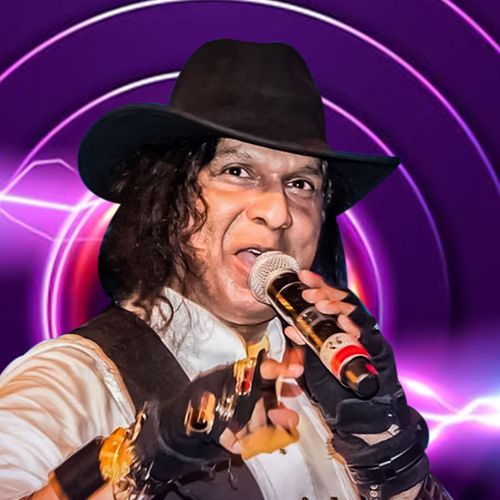
Binod Rathod is an Indian playback singer whose smooth, emotive voice became familiar to Nepali audiences through his selective but memorable contributions to Nepali film music. Known for his romantic tone, expressive phrasing, and effortless high‑range delivery, he recorded several Nepali songs during the cassette and early‑CD era, when cross‑border musical collaboration between Nepal and India was growing.Rathod’s Nepali tracks are remembered for their polished vocal texture and Bollywood‑influenced melodic styling, which added a modern, cinematic feel to Nepali film soundtracks of the time. His ability to adapt to Nepali lyrics while maintaining his signature romantic softness made him a preferred choice for love songs and emotional sequences. Though his Nepali output is limited compared to his vast Indian career, the songs he recorded remain popular among fans who appreciate the blend of Nepali composition and Indian playback finesse.
Binod Rathod
Playback Singer
Mina Shrestha is a Nepali film actress active in the late 1990s, known for her graceful presence and expressive performances during the era’s shift toward modern, music‑driven storytelling. She portrayed a variety of characters across different films, delivering natural, effortless acting in every role. Though her career was brief, she remains part of the 90s generation remembered for charm, simplicity, and evolving screen aesthetics.
Mina Shrestha
Film Artists
Biju Ranjit is a film Artists known for Chunauti (1996) and Gothalo (1996).
Biju Ranjit
Film Artists
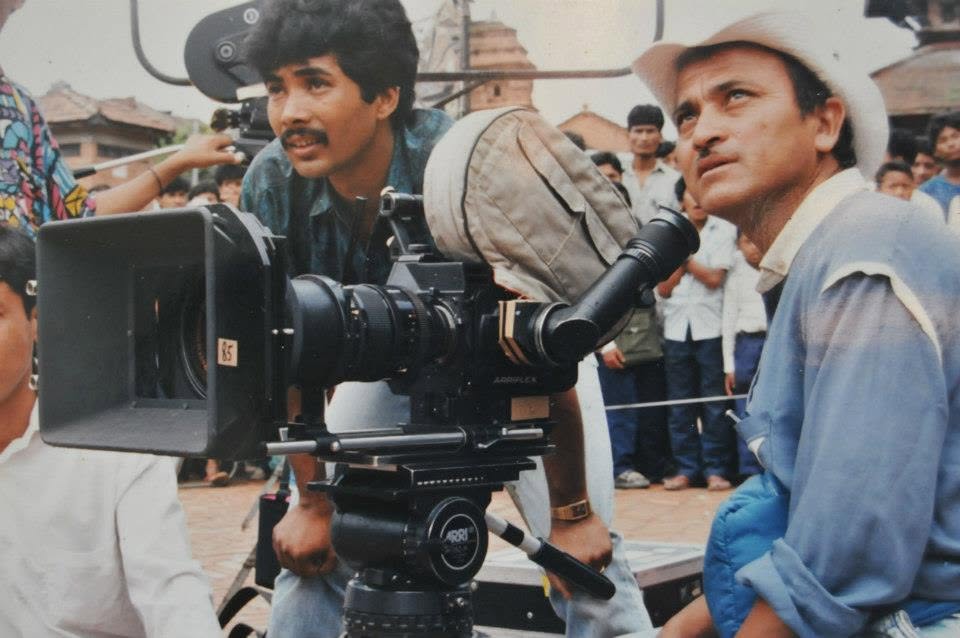
Narendra Pradhan is a Nepali cinematographer and freelance visual artist known for his work across feature films, independent projects, and photography. Active since the early 1990s, he has contributed to Nepali cinema through a grounded visual style shaped by practical lighting, clean framing, and narrative-focused camerawork. His film credits include Arpan (1993) as script analyst and cinematographer roles in Aama Ko Maya (1996), Sakkali Nakkali (1996), Bandhan (1997), and Mato Bolcha (1999), reflecting his presence during a formative era of modern Nepali filmmaking.Alongside film work, Pradhan has built a parallel career as a freelance cinematographer and photographer, working on diverse visual assignments ranging from documentaries and music videos to still photography. His adaptability and hands-on technical approach have made him a reliable creative collaborator for directors seeking naturalistic, story-driven imagery.Recognized for his steady contribution across decades, Narendra Pradhan remains part of the generation that strengthened Nepali cinema’s visual identity through disciplined craft and quiet consistency.
Narendra Pradhan
Cinematographer
Nista Malla (Shrestha)
Film Artists
Kiran D.C. is a former Nepali film actress who was active in the Nepali film industry during the 1990s. She appeared in several Nepali motion pictures and was among the actresses contributing to the growth of Nepal's cinema industry during that period.Available film archives and cast records identify her as a performer in films such as Soon Chandi (1996) and Chandal (1998). Through her screen appearances, she became part of an era that helped shape modern Nepali cinema.Although detailed information about her personal life, early background, and career journey remains limited in publicly available sources, her work in Nepali films of the 1990s continues to be preserved through film archives and historical records. As one of the actresses associated with that generation of Nepali cinema, Kiran D.C. remains a recognizable name among enthusiasts of classic Nepali films
Kiran D.C.
Film Artists
Kundan Khanal
Film Director
Sikha Malla
Film Artists
Radhika Lama
Film Artists
Bishnu Malla
Film Artists
Ganesh Sapkota
production manager
Raju Dhoj Rana is a veteran Nepali film director active since 1994, known for directing several notable commercial and social‑drama films of the 1990s and 2000s. His career spans multiple creative roles — director, story writer, lyricist, screenplay writer, production designer, producer, and action director — making him one of the more versatile contributors of his era.
Raju Dhoj Rana
Film Director
Laxmi Bhusal
Film Artists
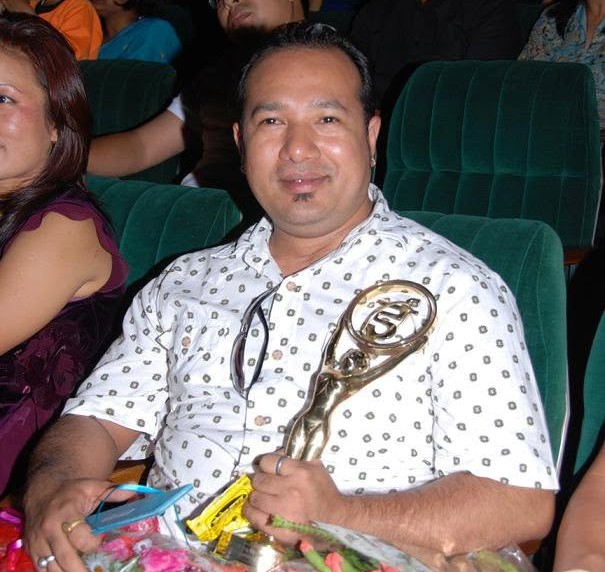
Maharaj Thapa (born 24 September 1976) is one of Nepal’s most prolific and versatile music arrangers, credited with over 3,500 music arrangements across film and non‑film projects. He has arranged music for 100+ Nepali films, contributing background scores, orchestration, and modern–traditional fusion arrangements that shaped the sound of contemporary Nepali cinema.His notable hit arrangements include Purano Dunga, Sagarsari Chokho Maya, Marne Kasailai Rahar Hudaina, Simple Simple Kanchhi Ko, Chaubandima Patuki, Timi Royeko Pal, Darshan Namaste, and Kammar Mathi Patuki — widely recognized across radio, television, and digital platforms.He has also contributed as Music Director, Lyricist, and Co‑Producer in select films, including Prem Diwas (2019), Gun Gun (2018), and Manle Manlai Chuncha (2014).
Maharaj Thapa
Music Arranger

Rupa Upadhyay is a Nepali actress and glamour model best known for her Miss Nepal 2003 pageant titles and her work in films, short movies, and commercial modeling. In the Miss Nepal 2003 competition, she won Miss Photogenic, Miss Natural Talent, and finished as 2nd Runner Up, which established her as a prominent face in Nepal’s fashion and media scene.Following the pageant, she transitioned into acting, appearing in Nepali films and short films, including international shorts like “Revenge Aka Saw XVI” (2011) and “Carousel of God” (2011). In Nepali cinema, she has taken on supporting and character roles, often aligned with glamour, urban lifestyle, and modern female characters, strengthening her identity as both an actress and model.As a model, Rupa has worked in editorial, fashion, and beach/bikini shoots, frequently featured on Nepali entertainment and glamour portals. She has also appeared in TV, events, and brand‑linked programs, including judging and special‑guest roles, reflecting her long‑running presence in the entertainment industry.
Rupa Upadhyay
Model, Actress
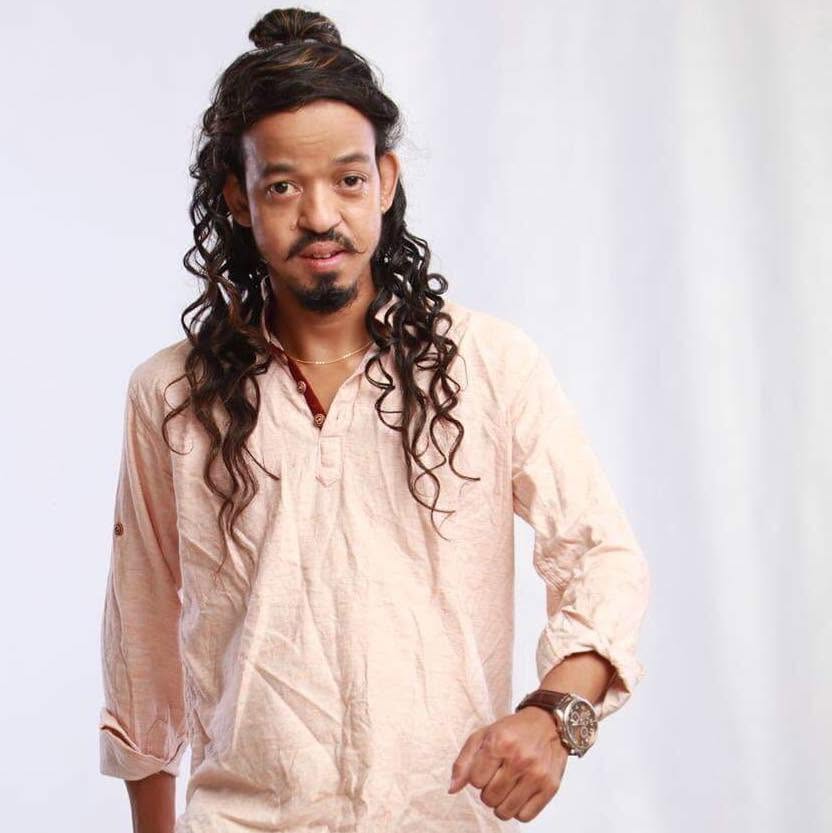
Suleman Shankar, popularly known as IKU, is a Nepali comedian and film actor recognized for creating one of Nepal’s most iconic comic characters and contributing across multiple departments of Nepali cinema. His career, active since 2007, spans acting, story writing, dialogue writing, lyric writing, and film production—making him one of the most multi‑disciplinary artists in the industry.He gained nationwide fame through the film IKU (2009), where he served as actor, presenter, story writer, and lyricist, establishing the “Iku” character as a cultural phenomenon in Nepali comedy cinema. He later expanded the franchise with IKU (Back Again) (2012) as actor, producer, story writer, and dialogue writer, further strengthening his identity as a creator‑performer.Beyond the IKU series, Suleman Shankar has acted in several commercial films, including Hawaldar Suntali (2015), Soldier (2014), Sambodhan (2015), Firke (2018), Race (2019), Biru Race (2019), and the recent action film 12 Gaun (2024). His roles often blend physical comedy, rural humor, and exaggerated character traits, making him a distinctive presence in Nepali mainstream cinema.
Suleman Shankar
Comedy Actor
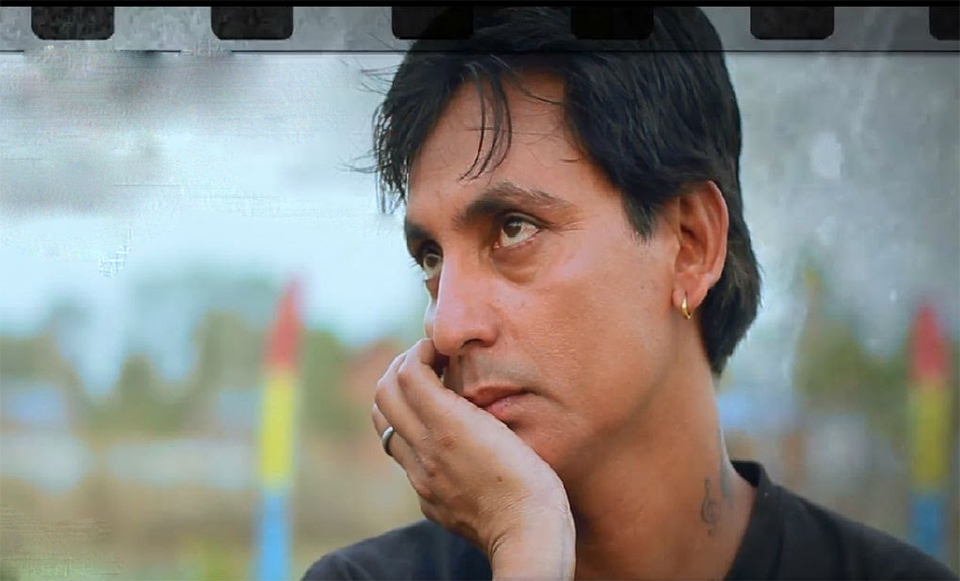
Prakash Ojha is a Nepali singer, actor, and multi‑role film artist known for his contributions to Nepali cinema as a playback singer, music director, lyricist, and performer. His career spans film acting, music direction, songwriting, and co‑production, making him one of the few Nepali artists with credits across multiple creative departments.Deep‑search results confirm his active years from 2006–present, with verified credits in four Nepali films, including acting roles, playback singing, music direction, and lyric writing. His work reflects versatility across modern Nepali film music and character‑driven acting.As an actor, he has appeared in films such as One Way (2015) and Daiko Sasurali (2010), where he also contributed musically. His music direction and playback work in Daiko Sasurali (2010) highlight his dual identity as both a screen performer and a behind‑the‑scenes creative contributor. He also wrote lyrics for the film Dhurbe (2006), marking his entry into Nepali cinema through songwriting.Beyond films, he remains active in digital media through music videos, comedy serials, and Nepali series such as Aama Bina Ko Gaun, where he appears as a performer and creator.
Prakash Ojha
Singer/ Performer
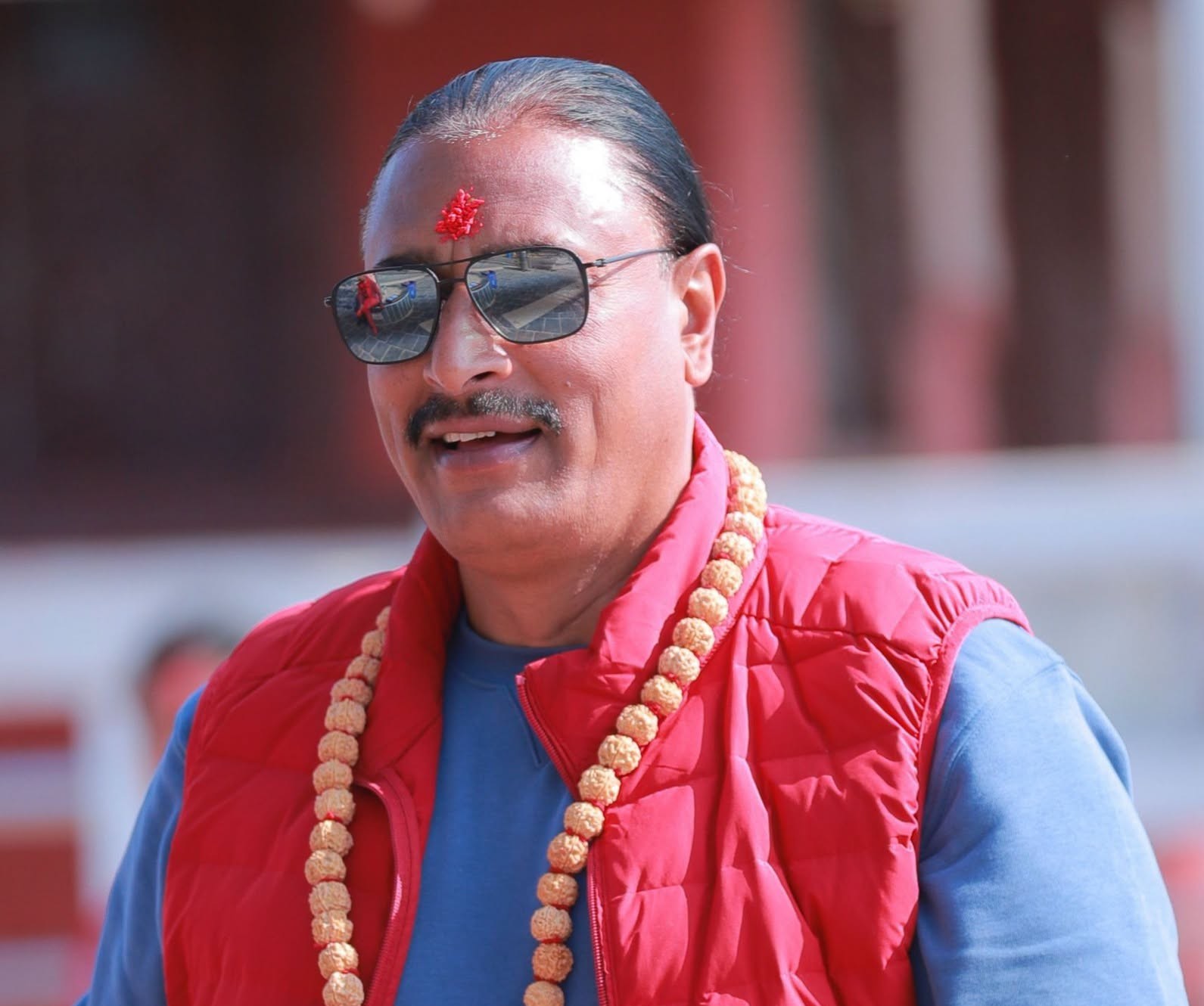
Mukunda Thapa is a Nepali film artist known for his strong screen presence in action, antagonist, and character roles across more than two decades of Nepali cinema. Active since 2000, he has appeared in 21 feature films, becoming a familiar face in commercial action films and ensemble dramas. His roles often portray tough, intense, or authoritative characters, contributing to the visual identity of early‑2000s Kollywood action cinema.Mukunda Thapa’s career includes notable films such as Lootera (2015), Kalapani (2011), Arabpati (2011), Swabhiman (2010), The Flash Back (2010), Jwalamukhi (2008), Sapoot (2007), Hami Taxi Driver (2006), Maidaan (2005), and Majdoor (2000). His recurring casting in action‑driven films reflects his reliability in physically demanding roles and his ability to deliver impactful antagonist performances.
Mukunda Thapa
Character Artists, Film Artists

Tara Prakash Limbu (born Tara Bahadur Jabegu, 29 November 1980, Sukhani, Jhapa) is a leading Nepali singer, music director, and playback composer known for shaping modern Nepali film music with his melodic, emotionally rich, and contemporary sound.He began performing at age 6 in local gatherings, developing early musical confidence before making his professional debut as a composer with Papi Manchhe 2. His breakthrough came with the hit “Baby I Love You” from Maya Ko Barima, which established him as one of Nepal’s most promising young composers.Tara Prakash rose to national prominence through major film projects such as November Rain (2014), Classic (2015), Bir Bikram (2016), and Homework, delivering chart‑topping songs including “Sare Sare”, “Hare Hare Jindagi”, “Tal Tal”, and “Najik Hudaichhu”. His compositions blend modern pop, sentimental melodies, and cinematic orchestration, making him one of the most influential music directors of the 2010s and 2020s.
Tara Prakash Limbu
Music Director

Mausami Gurung is a celebrated Nepali music artist and playback singer known for her sweet, melodic voice, versatile genre range, and influential presence in Nepali pop and film music since 2003. Born on 4 March in Kolkata, India, she grew up in an army family, moving frequently and performing in school and cultural programs from a young age. Her early musical foundation came from Gandharva Sangeet Kala Kendra, after she moved to Nepal in 2001 and passed the Radio Nepal voice test, formally entering the professional music field.Her debut album “Unforgettable” (2060 BS) introduced her to Nepali audiences with hits like “Parelimai Chhau Ki Kaso” and “Mero Maan”, establishing her as a rising pop artist. She later delivered evergreen songs such as “Chyangba Oi Chyangba”, “Kanchi Hey Kanchi”, “Machi Marana”, “Jhumke Phooli”, “Ma Roop Hu”, “Ma Nepali”, and “Unko Muskan”, becoming one of the most recognizable female voices of the 2000s pop era.As a playback singer, she has recorded songs for over 14 Nepali films, including Itihas, Jwalamukhi, Paley Dai, Aagni, and more, making her a consistent presence in Nepali cinema. Her album “Mahasus” (2012) further strengthened her musical identity with popular tracks like “Sheetal Sheetal” and “Naya Mausam Cha”.Beyond music, she has voiced major commercial advertisements (Fair & Lovely, Dabur, Rajhans, Pepsodent, Frooti) and performed internationally in Belgium, Hong Kong, New York, and the United Kingdom, expanding her global audience. Known for her emotional delivery and strong stage presence, she remains an influential figure in Nepali pop and playback music.
Mausami Gurung
Playback Singer, Singer/ Performer
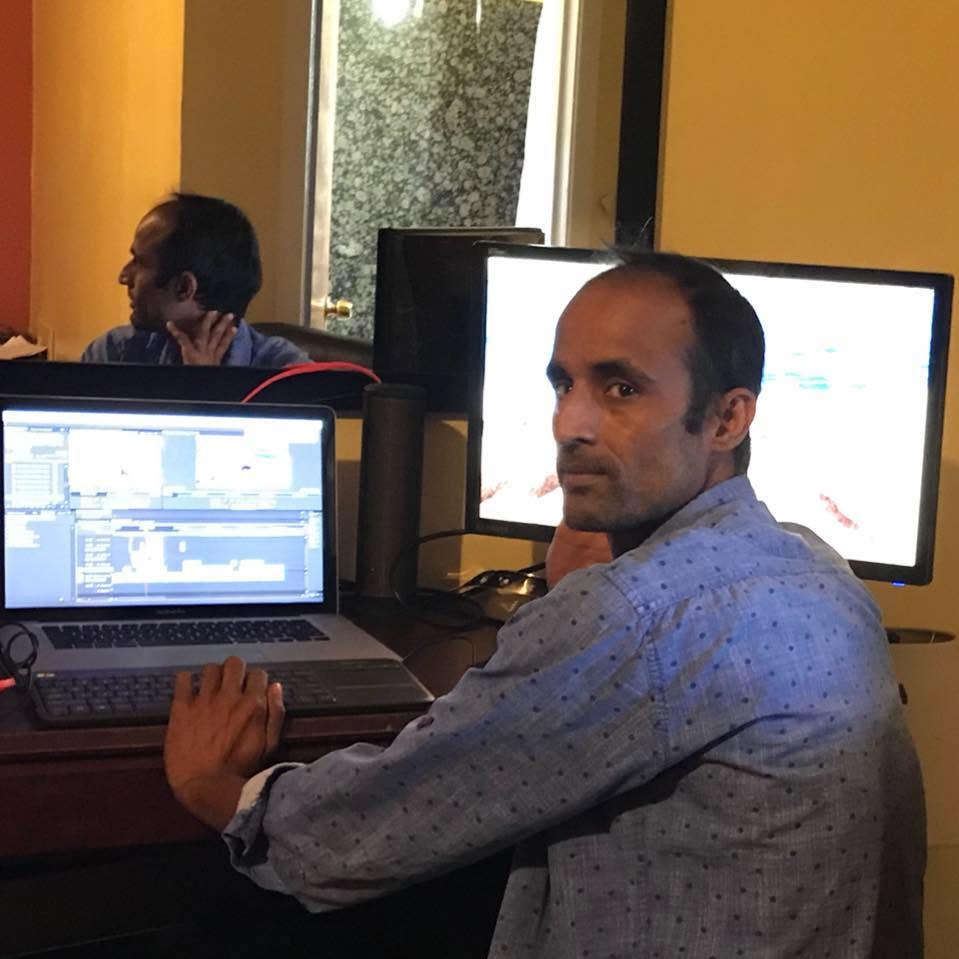
Badri Lamichhane is a Nepali film editor known for his extensive work in feature films, post‑production, and visual effects, active in the Nepali film industry since 2006. His editing career spans more than 16 films, with credits in major commercial and social‑drama projects. He is recognized for his clean narrative pacing, technical precision, and ability to shape emotional rhythm through editing.He began his professional journey in post‑production with NFDC (Nepal Film Development Board), where he worked for nearly nine years (2000–2009), gaining deep experience in film workflows. He later served as a film editor at Kindle Cine Studio (2009–2013) and eventually expanded his career internationally, working as a Visual Editor at Bodhi HD (USA) from 2018 onward. His global experience reflects his adaptability to modern digital editing platforms and evolving cinematic styles.Badri’s filmography includes notable titles such as Kathmandu (2010), Jiwan Mrityu (2008), Giraftar (2008), Akaal (2014), Aadhi Bato (2014), Samaya (2013), Soldier (2014), and Jaun Hida Pokhara (2015). He has also contributed VFX work to films like Maanish (2006) and served as a Chartered Accountant for projects such as Ho Yehi Maya Ho (2015) and Ram Balaram (2010)—showing his multidisciplinary involvement in Nepali cinema.
Badri Lamichhane
Video-film Editor, Colorist
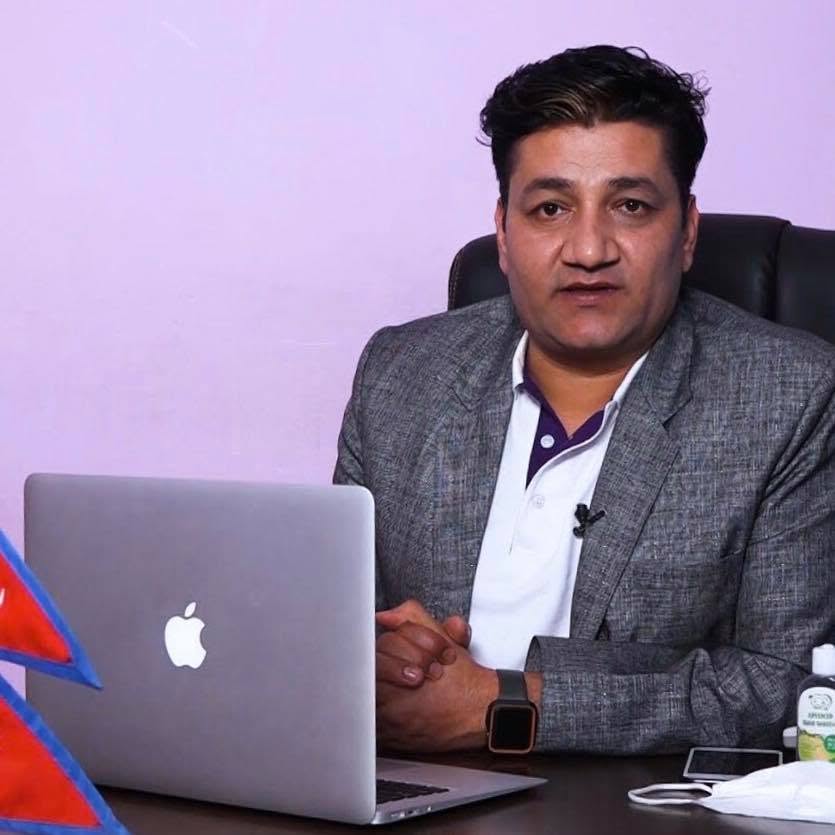
Dayaram Pandey is a Nepali lyricist known for his active contribution to modern Nepali music, film songs, and cultural programs, recognized for his clean lyrical style and growing leadership presence in Nepali creative organizations. He has written songs for films, independent music videos, and thematic projects, including contributions to works such as “Manle Manko Sath Payo” (from Dui Pal) and participation in national thematic songs like the WYF Nepal 2025 theme song.His public presence extends beyond songwriting: he has been elected to leadership roles such as Coordinator of the INAS Asia Region, reflecting his influence in diaspora arts networks and Nepali cultural associations. He is also known for hosting and producing literary‑musical programs such as “Ghazalko Mahfil – A Dayaram Pandey Show,” which blends poetry, music, and cultural storytelling.
Dayaram Pandey
Lyricist

Chetan Sapkota is a veteran Nepali music director and composer known for his influential contribution to modern Nepali film music, emotional storytelling through melody, and a career spanning more than two decades. Born on 3 Asoj 2033 BS in Sindhupalchok to Govinda Prasad Sapkota and Dil Kumari Sapkota, he grew up in a musical environment that shaped his early passion for composition.His professional breakthrough came as a film music director, earning credits in major Nepali films such as Fanko (2016), Bhaag Saani Bhaag (2016), Rahadani (2016), Good Luck (2016), and Sakas (2017)—a body of work that established him as one of the most consistent composers of his generation. His versatility is reflected in roles beyond composition: story writer, lyricist, playback singer, and executive producer, making him a multi‑disciplinary creative force in Nepali cinema.Chetan’s melodic style blends traditional Nepali sentiment with modern arrangements, influencing younger music directors and shaping the sound of contemporary Nepali films. His work earned him the Bindabasini Music Award (2072) for Best Music Director, recognizing his impact on the industry.
Chetan Sapkota
Music Director

Anjana Gurung is a prominent Nepali singer and live performer whose career spans modern, folk‑pop, adhunik, and playback music, with a catalogue that includes film songs, solo albums, and high‑profile live concerts. She has recorded over a thousand songs across genres, becoming a familiar voice in Nepali cinema and contemporary music. Her breakthrough came with her solo album Kali Sundari, which helped establish her as one of Nepal’s respected female vocalists.She has contributed playback vocals to films such as Chautari and Batuli, and her film songs include widely recognized titles like Ghumai Ghumai MD (Hami Taxi Driver) (2009), Salaijo (Gorkhe Salai) (2009), Sir Phool (Basana) (2008), Badanam Bhaye Ma (Anurodh) (2012), Gaurav Lagchha (Bacha Kasam) (2012), Jalse Mutu (2022), Aankhaima (2023), and Chudi Chhama Chham (2024).A trained musician with a senior diploma in music education, she is known for her versatile vocal texture—capable of soft emotional delivery, strong folk projection, and expressive stage performance.
Anjana Gurung
Singer/ Performer
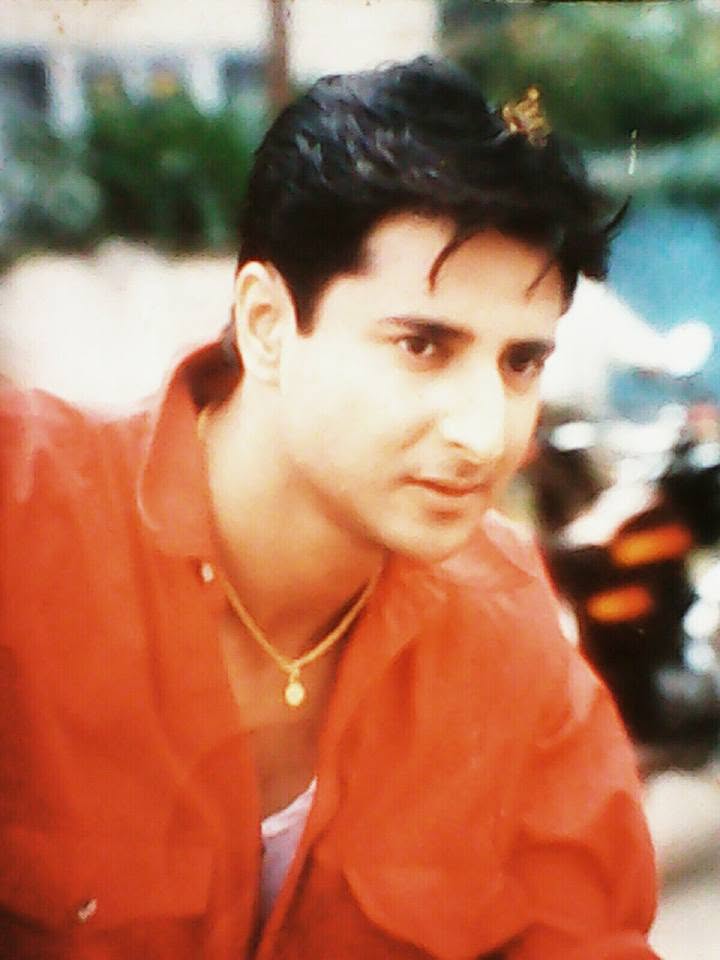
Sunil Dutta Pandey is a Nepali film actor active since 1997, known for his roles across commercial, social‑drama, and action cinema. With 29+ films credited as an actor, and additional work as a director, producer, and audiographer, he is one of the multi‑disciplinary contributors of the 2000s Nepali film era. His notable works include Avatar (1997), Sukumbasi (2000), Purnima (2001), Hami Tin Bhai (2004), Bhagwan Sabaiko (2010), and Sakas (2017).
Sunil Dutta Pandey
Actor
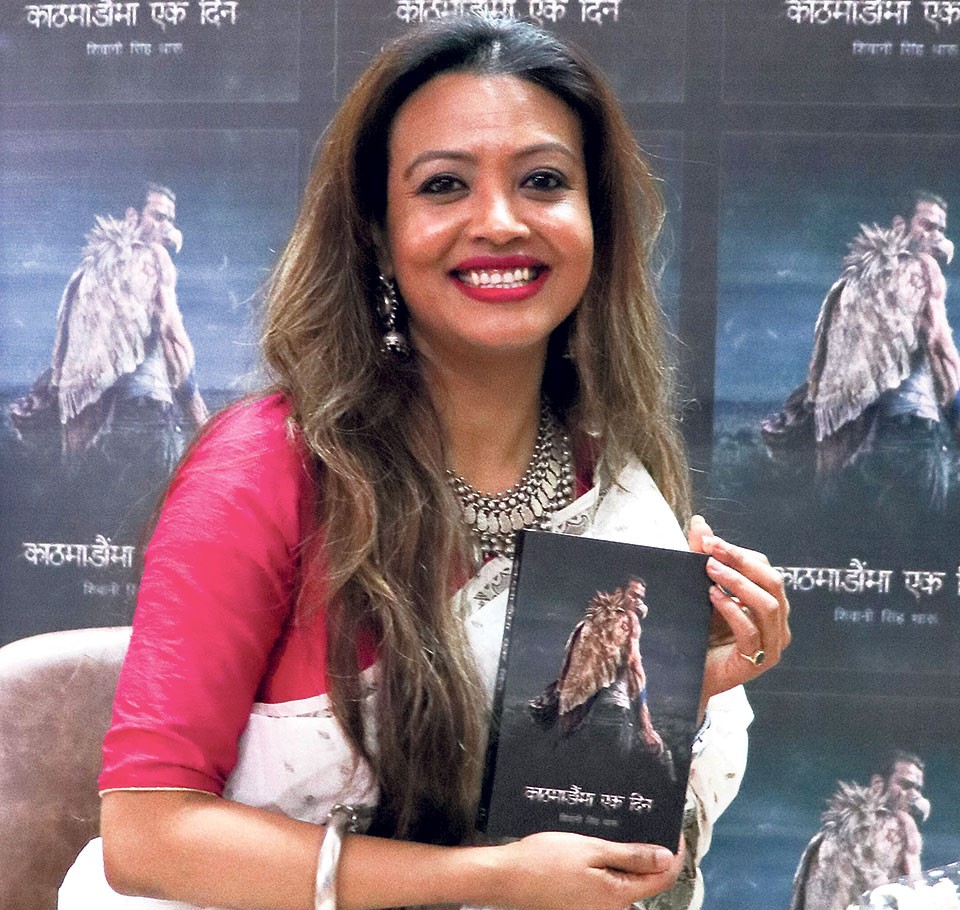
Shivani Singh Tharu is a Nepali model, Miss Nepal participant, and former VJ known for her dynamic presence in television and media. She built her career as a presenter, journalist, and writer, later gaining recognition as the author of Kathmanduma Ek Din. Active in broadcasting and literature, she remains a prominent voice in Nepal’s creative and media landscape.
Shivani Singh Tharu
Model, Media Personality
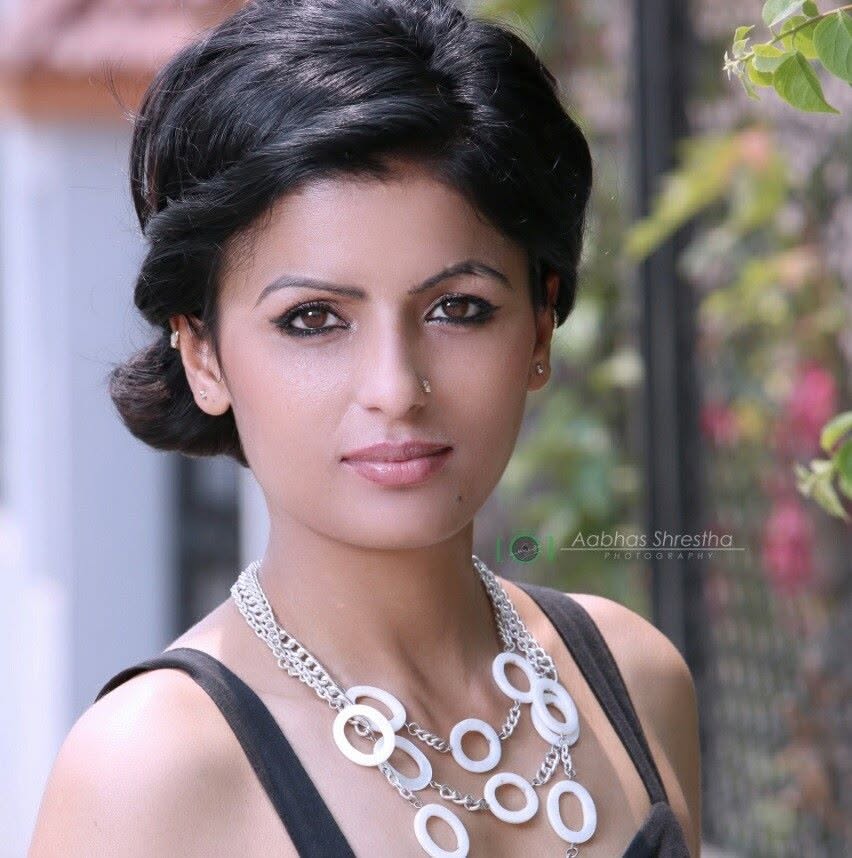
Sareeta Shri Gyawali is a Nepali TV host, media personality, and Miss Nepal 1997 second runner‑up, known for her two‑decade career in television presenting and program production. Active across Nepal Television, Kantipur TV, AP1, and Galaxy 4K, she is also a motivational speaker, life coach, and founder of WeChar Creations, contributing to media, social awareness, and women’s leadership.
Sareeta Shri Gyawali
TV Presenter/ Host, Media Personality, TV Presenter & Anchor
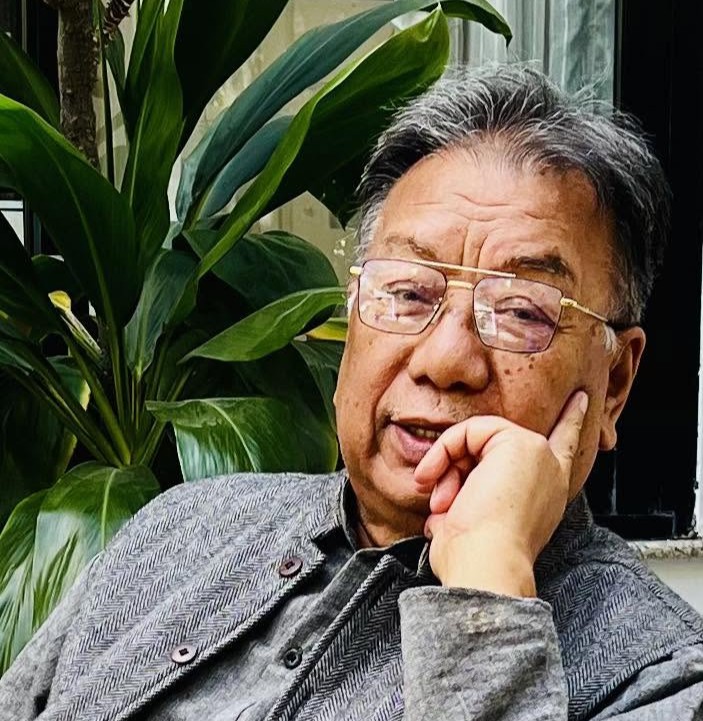
Karna Shakya (born 1943) is a celebrated Nepali writer, environmentalist, and conservationist whose literary works—Soch, Khoj, Dolpo, Look Down Not Up, Kosh, Ma Sakchhu—blend personal philosophy, exploration, and social consciousness. A pioneer of Nepal’s hospitality and eco‑tourism sector, he founded the KGH Group and contributed significantly to conservation, including the establishment of Chitwan National Park.
Karna Shakya
writer-author

Ranju Lamichhane is a Nepali actress and model active since the mid‑2000s, known for her roles in mainstream social‑drama and action‑drama films such as Basai, Aawaz, Aandhi Tufan, Dar, Ko Hola Mero Mayalu, Ladaiko Lahure, Barsha Aakash Ganga, Pal Palma, and Mukti. Her screen identity blends expressive emotional acting with strong visual presence, making her a familiar face in commercial Nepali cinema.Widely recognized by audiences as “Sweety” from her appearance in the popular comedy serial Tito Satya, she later expanded her public role beyond entertainment, serving as a district secretary in the Sikkim Democratic Front (SDF)—a rare transition from film to political engagement.Her career began with Basai/Basain (2005–2006), followed by a steady run of feature films through the late 2000s and early 2010s. She has also worked as a legal advisor in the film Rakshyak (2010), reflecting her multidisciplinary background.
Ranju Lamichhane
Actress

Umesh Khadka is a Nepali film artist known for his work across commercial cinema, character roles, and supporting performances. Active in the 2000s and 2010s, he has contributed to multiple feature films, bringing a grounded, relatable presence to family‑drama, social‑story, and emotional narrative genres. His screen identity is shaped by sincerity, expressive delivery, and the ability to portray everyday Nepali characters with authenticity.
Umesh Khadka
Film Artists

Suman Singh is a Nepali film actor known for his work in commercial cinema, romantic drama, and youth‑centric storytelling. Active across films, music videos, and television appearances, he is recognized for his expressive screen presence, confident dialogue delivery, and ability to portray both romantic and emotional characters. His performances often highlight modern Nepali youth narratives, family drama themes, and mainstream entertainment styles.
Suman Singh
Actor
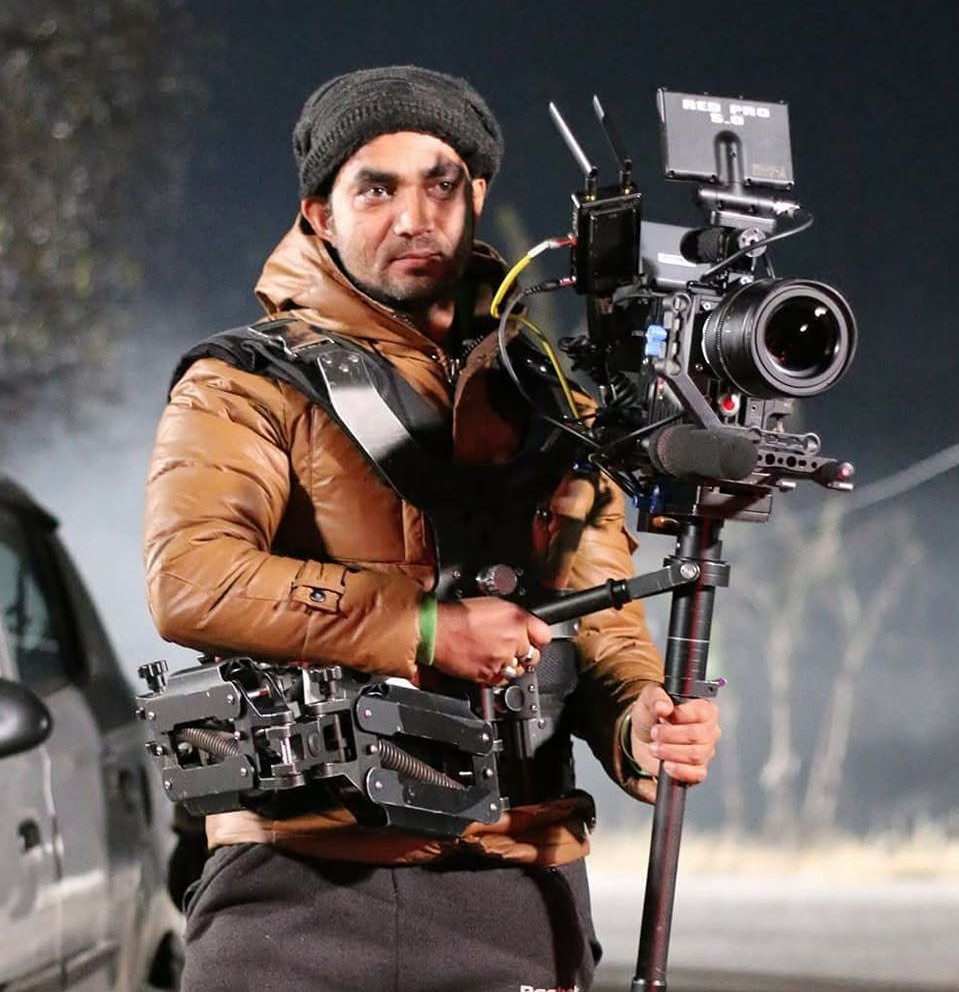
Rameshwor Karki is a Nepali cinematographer known for his work in feature films, music videos, and commercial visual production. Active across the 2010s and 2020s, he is recognized for his clean framing, natural‑light composition, and steady camera movement suited to emotional and realistic storytelling. His work spans romantic dramas, social narratives, and youth‑centric films, contributing to the evolving visual language of contemporary Nepali cinema.
Rameshwor Karki
Cinematographer