
Explore Artists
Browse through 2,067 talented actors, musicians, dancers, filmmakers and creative professionals from Nepal.
2,722
All Artists
209
Actor
233
Actress
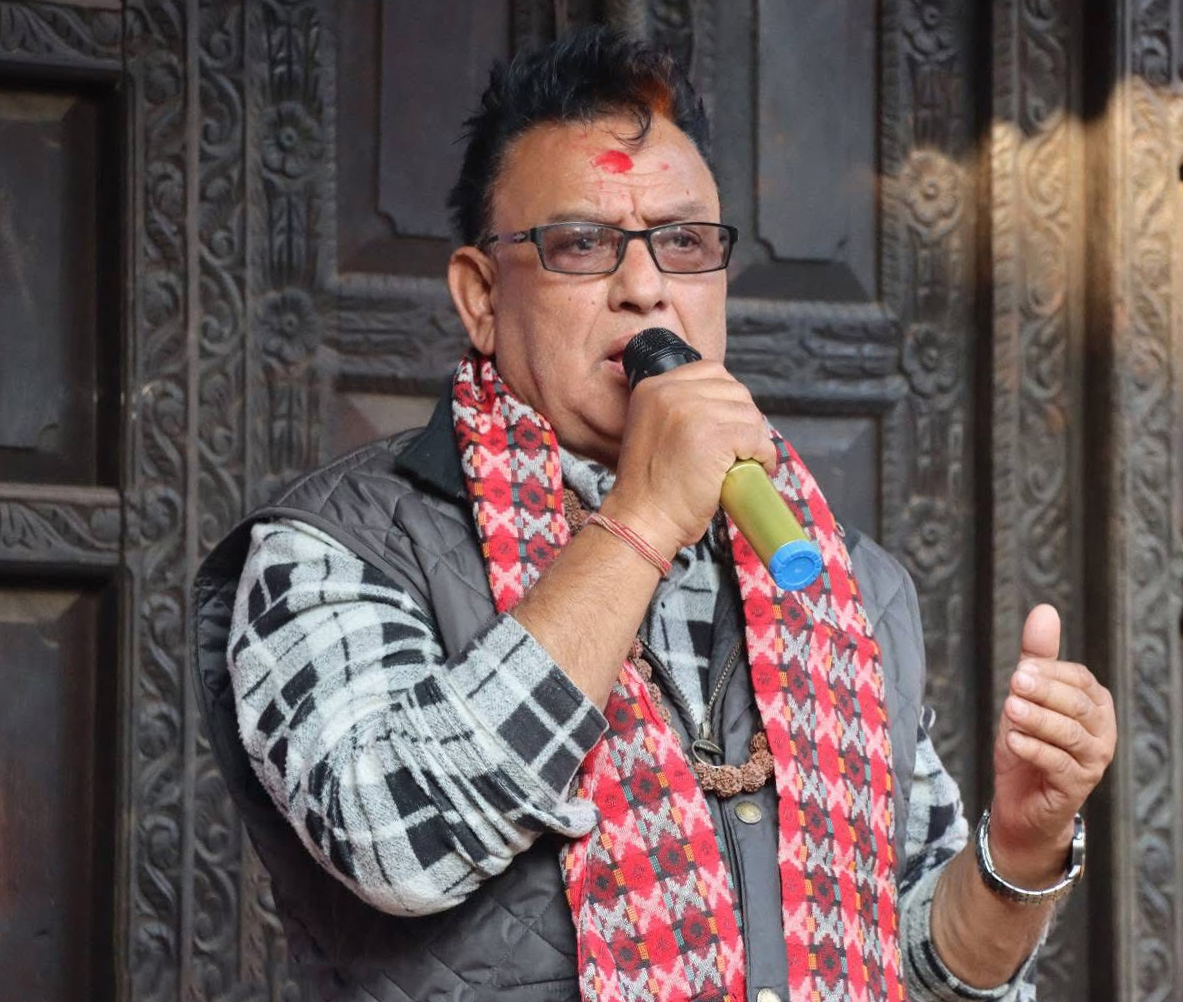
Rabindra Khadka is a veteran Nepali actor, editor, and legal advisor active since 1983, known for films such as Bhagya Rekha, Maya Preeti, Butterfly, and other influential works in Nepali cinema. He has served as the Former President and Ex‑Officio Advisor of the Film Artists Association of Nepal, contributing to policy development, artist welfare, and institutional strengthening. With a career spanning more than four decades, Khadka is recognized for his disciplined performances, leadership within the film community, and long‑standing commitment to the growth of the Nepali film industry.
Rabindra Khadka
Actor
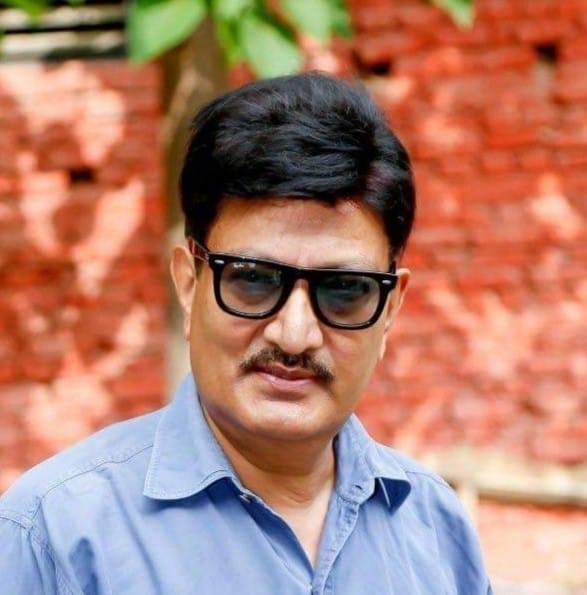
Krishna Malla is a veteran Nepali actor, producer, and director whose career spans more than four decades across film, television, and theatre. Emerging in the 1980s, he became known for his charismatic screen presence and his roles in socially rooted and emotionally driven Nepali films. Malla has contributed to numerous acclaimed projects, helping shape the modern identity of Nepali cinema while also supporting industry development through leadership and mentorship. His work continues to influence new generations of actors, and his long-standing dedication has earned him recognition as one of the respected senior figures in the Nepali film community.
Krishna Malla

Sharmila Malla (born Sharmila Shah) is a respected Nepali actress, model, and producer active since 1984. Known for her expressive screen presence and strong dramatic roles, she debuted with the landmark film Kanchhi and went on to become one of the defining female performers of late‑80s and 90s Nepali cinema. Her work spans social dramas, romantic features, and family narratives, contributing significantly to the growth of modern Nepali film.
Sharmila Malla
Actress

Raju Khatri Chhetri is a Nepali cinematographer known for his natural‑light visual style and versatile work across feature films, music videos, and commercial productions. Active in the evolving wave of Nepali filmmaking, he has contributed to projects such as Senti Virus and Bir Bikram 2, along with numerous independent films and mainstream music videos. His cinematography emphasizes clean framing, expressive close‑ups, and grounded outdoor visuals, making him a reliable collaborator for directors across genres. Beyond films, he works extensively in brand promos, event coverage, and digital advertising, establishing himself as a consistent and adaptable DOP in the industry.
Raju Khatri Chhetri
Cinematographer

Arjun Kumar Dangol, popularly known as Arjun Kumar, is a Nepali singer and film producer recognized for his contributions to both music and cinema. Active since the early 2000s, he began his career as a singer before transitioning into filmmaking, where he established himself as a successful producer of mainstream Nepali films. Known for blending commercial appeal with emotional storytelling, he has produced several notable projects and collaborated with leading actors, directors, and technicians in the industry. His dual identity as a singer and filmmaker has made him a versatile creative figure in modern Nepali entertainment
Arjun Kumar
Film Maker/ Producer, Singer/ Performer

Norden Tenzing is a legendary Nepali vocalist and the charismatic frontman of The Hillians, the pioneering Darjeeling band that helped define the sound of modern Nepali pop and rock. Known for blending Western harmonies with Nepali melodic roots, he became one of the most influential voices of the 1970s–80s music renaissance in the hills. His evergreen hits — “Musu Musu Hasideu,” “Gajalu Aakhai Chopne,” and other beloved tracks — cemented his status as a cultural icon across the Nepali‑speaking world. Norden’s soulful voice, innovative arrangements, and electrifying stage presence introduced a fresh musical identity that inspired generations of artists. Through his work with The Hillians, he expanded the creative possibilities of Nepali modern music and remains celebrated as one of Darjeeling’s most enduring musical legends.
Norden Tenzing
Music Director, Singer/ Performer

Bijay Shivakotee is a respected Nepali lyricist and poet active since 1986, celebrated for his emotionally resonant, conversational writing style. His songs—including Bihani Seet Bani, Mero Pani Yaad Aaucha, Chaina Jun, and Thaha Chaina Kun Mod—have become enduring favorites, shaping modern Nepali music with their simplicity, depth, and lasting cultural impact.
Bijay Shivakotee
Lyricist
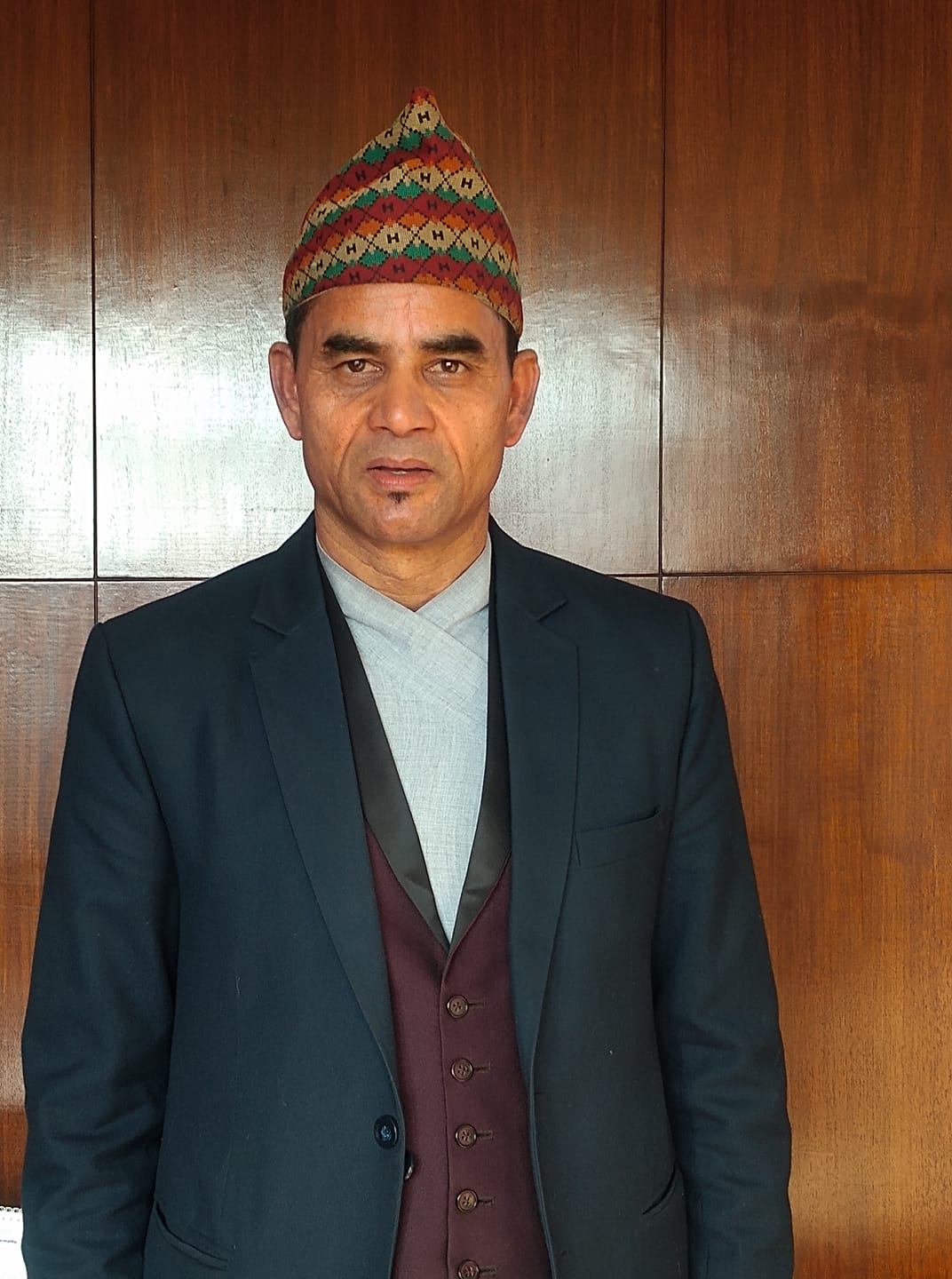
Ashok Sharma is a veteran figure in Nepali cinema, known for his versatile contributions as an actor, director, producer, and screenwriter. Active since the late 1980s, he became one of the most commercially successful filmmakers of the 1990s and 2000s, shaping mainstream Nepali entertainment with family‑drama and social‑comedy hits. Sharma directed and produced popular films such as Dui Thopa Aansu, Allare, Dal Bhaat Tarkari, Mitini, and Jai Bhole, earning a reputation for clean storytelling, strong ensemble casting, and audience‑friendly humor. His work continues to influence new‑generation filmmakers, making him a respected pillar of the Nepali film industry.
Ashok Sharma
Film Director, Film Maker/ Producer, Film Artists

Ujwal Ghimire is a veteran Nepali film and television director, producer, writer, and actor whose career spans more than four decades and has significantly shaped mainstream Nepali cinema. Beginning in theatre and early Nepal Television programs, he rose to prominence with acclaimed films such as Kismat, Chhodi Gaye Paap Lagla, Andaj, and Woda No. 6. Known for emotionally resonant storytelling and audience‑centered direction, he has earned multiple National Film Awards and industry honors. Ghimire remains an influential creative force, contributing to film, television, and the development of new talent in Nepal’s entertainment industry.
Ujwal Ghimire
Film Director, Film Maker/ Producer
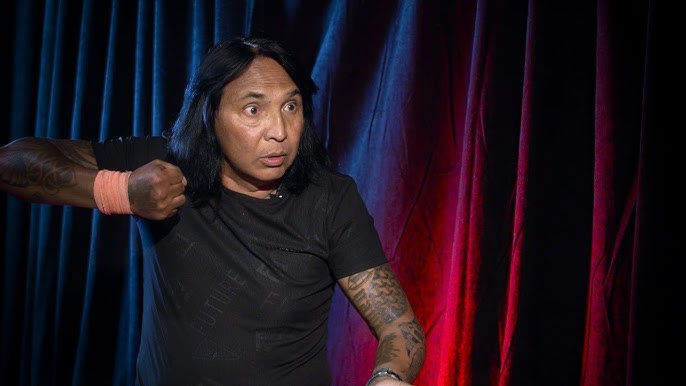
Rajendra Khadki is a noted Nepali actor and action director recognized for his influential contribution to commercial action cinema from the 1990s onward. Known for his disciplined stunt craft and energetic screen presence, he helped define the action style of his era through collaborations with leading stars and directors. Khadki worked both in front of the camera and behind it, choreographing memorable fight sequences that shaped mainstream Nepali filmmaking. His long career reflects dedication to physical storytelling, technical precision, and the evolution of action choreography, establishing him as a respected figure in Nepali film history.
Rajendra Khadgi
Fight Director, Film Artists
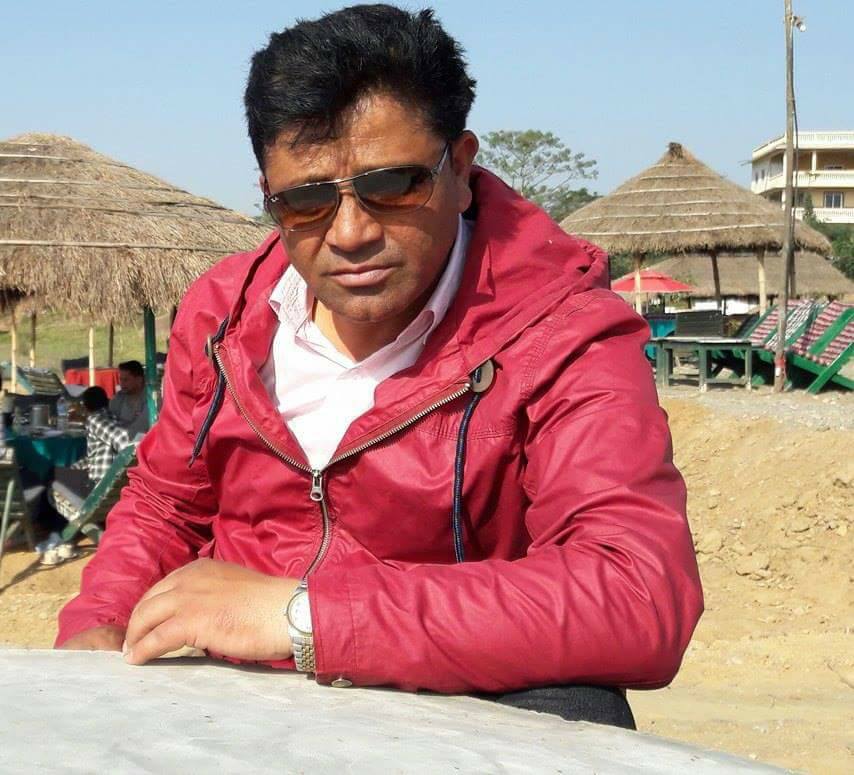
Madan Ghimire is an experienced and active Nepali film director who has contributed to direction, writing, and production for more than two decades. He is known for blending emotional storytelling with commercial appeal, earning recognition across mainstream Nepali cinema. Ghimire’s notable works include Maya Namara (2002), one of his early successful films, the action‑driven Aago 2 (2015), youth‑focused Boyfriend (2019), and the sequel Aandhi Tufan 2 (2023). Over his career, he has worked on around 27 films, including Kauso, Bouncer, Jeevandata, Dadagiri, Faisala, and Maya Gar La, establishing himself as a consistent and dedicated filmmaker in Nepali cinema
Madan Ghimire
Film Director

Pradeep Kumar Udaya (Pradeep Udaya) is a respected Nepali film producer, distributor, and exhibitor, regarded as an expert in the Nepali film business. He entered the industry by producing the film Chelibeti in 2045 B.S., which was released on Chaitra 26, 2046 B.S. Since then, he has produced 11 feature films. Coming from a film family—his father was also a film producer—Udaya has continued the legacy while also serving as Chairman and operator of Dwarika Udaya Cinema, Butwal. Through production, distribution, and exhibition, he has played a key role in strengthening the commercial foundation of Nepali cinema.
Pradeep Udaya
Film Maker/ Producer

Pavitra Acharya is a Nepali actress, choreographer, and casting director known for her versatile presence across film and music videos. She made her silver‑screen debut with Vijaypath (2012), sharing the frame with Nikhil Upreti, Sushil Kshetri, and Sanchita Luitel. She later appeared opposite Rajesh Hamal in Rajniti and featured in Aaveg alongside Aryan Sigdel. Trained in dance from a young age, Acharya expanded her creative path into choreography, beginning with Komal Oli’s Teej song and later crafting dance sequences for dozens of music videos and films including Commander and Mela. Having worked with leading stars such as Karishma Manandhar, Anoop Bikram Shahi, Aanchal Sharma, Salon Basnet, and others, she now also contributes as a casting director, currently serving as the Central Co‑Treasurer of the Nepal Film Artists Association and working on the film Kashyap.
Pabitra Acharya
Actress, Dance Choreographer, Casting Director

Arjan Khanal
Vansh Thapa
test Artist
Sangh Rathi is recognized as the director of the first Nepali-language film, Harishchandra, released in 1951. This film is credited as the first Nepali-language film and is considered lost. The film's production was initiated by D. B. Pariyar in Kolkata and Darjeeling, India, marking a significant milestone in the Nepali film industry. Despite its historical importance, the film is now considered lost, with only a poster that surfaced in 2015 testifying to its existence.
Sangh Rathi
Prem Nazir, born Abdul Khader, was a legendary figure in Malayalam cinema who dominated the industry for more than three decades. Widely regarded as one of the most prolific actors in world cinema, he acted in over 720 films and became a defining star of the Malayalam screen.Early in his career, he appeared in mythological and devotional films, including Satya Harischandra (1955), where he portrayed a key role in the retelling of the legendary king Harishchandra’s story. The film reflected the moral themes of truth and sacrifice that were common in Indian cinema of the period. Prem Nazir later became synonymous with romantic and family dramas, earning the title “Evergreen Hero” of Malayalam cinema.
Prem Najir
Bal Bahadur Syando is a Nepali actor known for his role in one of the earliest Nepali films, "Harishchandra" (1951), which is a landmark in Nepali cinema history.
Bal Bahadur Syando
Peter Rai is a Nepali actor known for his role in one of the earliest Nepali films, "Harishchandra" (1951), which is a landmark in Nepali cinema history.
Peter Rai
Sagar Dutta Koirala is a Nepali actor known for his role in one of the earliest Nepali films, "Harishchandra" (1951), which is a landmark in Nepali cinema history.
Sagar Dutta Koirala
Sangh Rathi is recognized as the director of the first Nepali-language film, Satya Harischandra, which was released in 1951. This film is credited as the first Nepali-language film and is considered lost. The film's production was initiated by D. B. Pariyar in Kolkata and Darjeeling, India, marking a significant milestone in the history of Nepali cinema.
Sangh Rathi
Hira Singh Khatri was an Indian filmmaker who became a pioneering figure in Nepali cinema, directing the first feature-length Nepali film, Aama (1964), and subsequent influential works that shaped Nepal’s national film industry.
Hira Singh Khatri
The cinematography for the 1964 film Aama was handled by Deuji Bhai. This role was crucial in capturing the essence of the film's setting and the emotional depth of its narrative. Deuji Bhai's work contributed significantly to the film's visual storytelling, which is a hallmark of Nepalese cinema.
Deuji Bhai
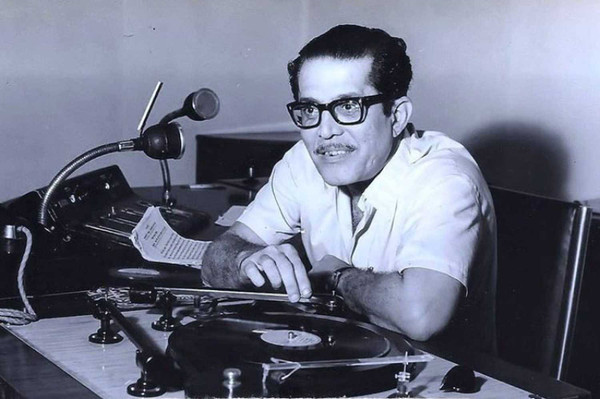
V. Balsara was a renowned Indian composer and instrumentalist whose work deeply influenced Nepali music, especially during the early era of Nepali cinema. His contributions are closely tied to Aama (1964), the first Nepali feature film produced by the Government of Nepal, for which he served as the music director.
V. Balsara
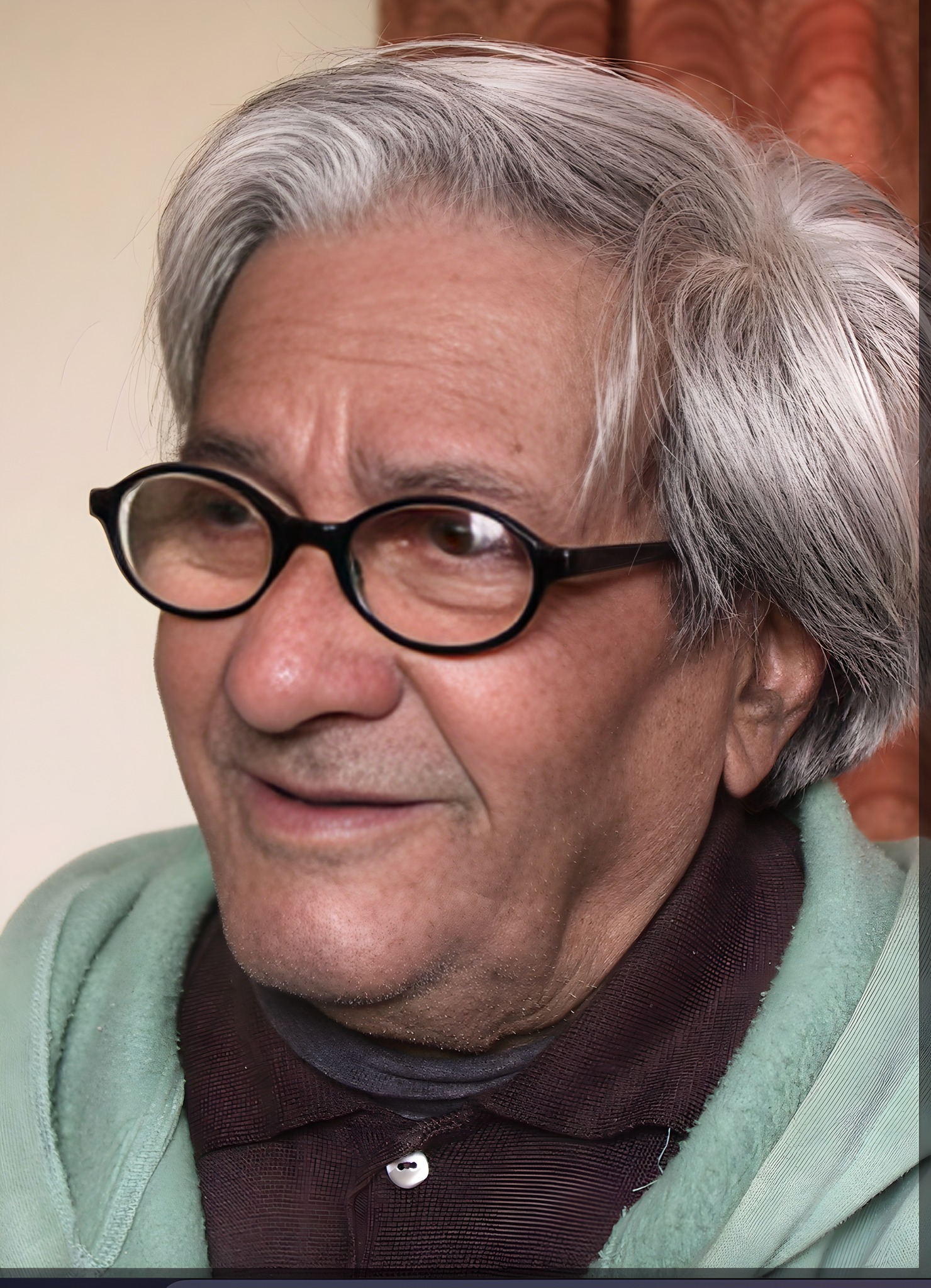
Hari Prasad Rimal (1925–2018) was a Nepalese actor, singer, and film director, widely honored as the father of Nepali radio drama. He was born in Lalitpur and educated at Durbar High School. His artistic upbringing came from a family rich in music and literature, which shaped his early creative path.
Hari Prasad Rimal
Tika Bhusan Dahal is an actor known for his role in the film "Maitighar" (1966). He is recognized for his versatile performances in the Nepali film industry and has contributed significantly to the Nepali television and video industry as a director and personality.
Tika Bhusan Dahal
K. H. Kapadia was an Indian cinematographer who contributed to the visual production of the historic Nepali film Maitighar. He worked as part of the camera and cinematography team that helped shape the film’s visual style.During the 1960s, Nepal had limited technical resources for filmmaking, so experienced technicians from India were invited to collaborate on major productions. Kapadia’s involvement in Maitighar brought professional cinematography techniques that enhanced the film’s overall production quality.Although detailed biographical information about K. H. Kapadia is limited, his work in Maitighar remains part of the early technical collaboration between the Nepali and Indian film industries, helping establish higher visual standards in Nepali cinema.
K. H. Kapadia
K. Nanda was the editor of the historic Nepali film Maitighar. As the film editor, K. Nanda was responsible for assembling and refining the filmed scenes into a coherent narrative, ensuring the proper flow, pacing, and continuity of the movie.During the 1960s, Nepal’s film industry was still in its early stage, so experienced technicians from India were often involved in major productions. K. Nanda’s editing work in Maitighar contributed to the film’s professional presentation and helped shape one of the landmark productions in the history of Nepali cinema.Although detailed biographical information about K. Nanda is limited, their role as editor of Maitighar reflects the important collaboration between Nepali and Indian film technicians during the early development of Nepal’s film industry.
K. Nanda Nanda
Shreedhar Khanal was a Nepali film personality associated with the early development of Nepali cinema. He is best remembered for his involvement in the 1968 Nepali film 'Hijo Aaja Bholi', where he contributed as one of the key creative figures in the production.Khanal belonged to the generation of artists and technicians who worked during the formative years of Nepal’s film industry. At a time when filmmaking resources and infrastructure were limited, he played a role in helping establish socially themed cinema that reflected Nepali culture, traditions, and changing social values.Although detailed documentation about his life and career is limited, Shreedhar Khanal is remembered as one of the early contributors who helped shape the foundation of Nepali filmmaking during the 1960s.
Shreedhar Khanal
Indra Lal Shrestha was an actor associated with early Nepali cinema during the formative years of the country’s film industry. He appeared in several classic Nepali films and is remembered for his contributions to the development of acting in Nepali movies during the 1960s and 1970s.One of the films connected with his name is Hijo Aaja Bholi, a social drama that portrayed the transition of Nepali society from traditional values to modern ideas. Through such films, Indra Lal Shrestha helped bring realistic characters and social themes to the screen at a time when Nepali cinema was still in its early stage.Although detailed records about his personal life and full filmography are limited, Indra Lal Shrestha remains part of the generation of pioneers who contributed to the growth of Nepal’s early motion picture industry.
Indra Lal Shrestha
Rita Thapa is an actress from the movie- Parivartan (1971). She was a Nepali film personality associated with the early development of Nepali cinema. Although detailed documentation about her life and career is limited, she is remembered as one of the early contributors who helped shape the foundation of Nepali filmmaking in the 1970s.
Rita Thapa
Yagya Nath Ghimire is an actor from the Movie- Parivartan (1971). He was a Nepali film personality associated with the early development of Nepali cinema. Although detailed documentation about her life and career is limited, he is remembered as one of the early contributors who helped shape the foundation of Nepali filmmaking in the 1970s.
Yagya Nath Ghimire
Harish Pathare, who worked as a film editor on Parivartan (1971), is a Nepali film personality associated with the early development of Nepali cinema. Although detailed documentation about his life and career is limited, we always remember him with respect as one of the early contributors who helped shape the foundation of Nepali filmmaking in the 1970s.
Harish Pathare
Tank Sharma acted in the role of hero in the film 'Paral Ko Agao'. He is a Nepali film personality associated with the early development of Nepali cinema. Although detailed documentation about his life and career is limited, we always remember him with respect as one of the early contributors who helped shape the foundation of Nepali filmmaking in the 1975s.
Tanka Sharma
Indra Thapaliya is a Nepali lyricist known for his contribution to Nepali film and modern songs. He wrote lyrics for several songs during the earlier decades of Nepali cinema, helping shape the poetic style of film music at the time.Thapaliya’s lyrics often reflected emotion, romance, and social themes, blending literary expression with the musical traditions of Nepali songs. Through his work, he collaborated with composers and singers in the Nepali film industry and contributed to the development of Nepali film music.He is also recognized for writing songs for classic Nepali films such as Paral Ko Aago, where his lyrical work supported the film’s emotional and social storytelling.Although not widely documented compared to some other lyricists, Indra Thapaliya remains part of the generation of writers who helped build the foundation of Nepali cinematic songwriting.
Indra Thapaliya
Man Bahadur Mukhiya was a Nepali lyricist who contributed to Nepali film music during the early development of the country’s cinema industry. He wrote lyrics for several Nepali film songs, helping shape the poetic and emotional style of film music of that era.Mukhiya’s lyrics often reflected social feelings, romance, and the realities of rural life, which were common themes in Nepali films of the 1970s. His work is associated with classic Nepali cinema, including songs from films such as Paral Ko Aago.Although detailed historical records about his life and career are limited, Man Bahadur Mukhiya is remembered as one of the lyricists who contributed to the growth of Nepali film songwriting in its early period.
Man Bahadur Mukhiya
Salyan K.C. was a Nepali film actor who appeared in some of the early productions of the Nepali film industry. He is known for his roles in films produced during the formative years of Nepal’s state-supported cinema.He played a leading role in Man Ko Bandh, the first film produced by the Royal Nepal Film Corporation, where he starred opposite Sushma Shahi.Salyan K.C. was also associated with the film Kumari, directed by Prem Bahadur Basnet. Through these early films, he became part of the generation of actors who helped shape the beginnings of Nepali cinema.Although detailed documentation about his full filmography is limited, Salyan K.C. remains recognized as one of the actors who contributed to the early development of Nepal’s film industry.
Salyan K.C.
Rakesh Pandey (9 April 1940 – 21 March 2025) was a veteran Indian actor whose long and versatile career spanned Hindi cinema, Nepali Cinema, Bhojpuri films, and television. He trained at the Film and Television Institute of India (FTII), Pune, and began his film journey with the acclaimed Basu Chatterjee drama Sara Akash in 1969, for which he won early praise. Pandey appeared in numerous Hindi films across decades, including roles in Mera Rakshak, Yehi Hai Zindagi, Dil Chahta Hai, Devdas, Indian, and Black. He was also a major figure in Bhojpuri cinema, starring in hits such as Balam Pardesia and Bhaiya Dooj. On television, he appeared in series like Chotti Bahu and Dehleez. In Bansuri (1981), Pandey played a leading role in this early Nepali film directed by Tulsi Ghimire, helping bridge his work into wider South Asian cinema. Pandey passed away in Mumbai in 2025 due to cardiac arrest, leaving behind a legacy of rich and varied performances across film industries.
Rakesh Pandey
In Bansuri (1981), Rajani Sharma played a leading role in this early Nepali film directed by Tulsi Ghimire, helping bridge his work into wider South Asian cinema.
Rajani Sharma
Banni Pradhan is a Nepali film actress and artist known for her work in classic Nepali cinema and as a director/producer in later years. She appeared in several films, including the 1981 drama Bansuri, where she was part of the main cast alongside actors like Rakesh Pandey and Rajani Sharma. Beyond acting, Banni Pradhan has been involved in filmmaking behind the camera — directing and producing Nepali films such as Priyatama (2006), Bhai Bhai (2005), Timi Nai Baseu Mero Manma (2000), and others. (thefilmnepal.com)Her career reflects both performance and creative contributions to Nepali cinema, spanning from acting roles in earlier decades to directing projects in the later years.
Banni Pradhan
Anil Shrivastava is a cinematographer known for his work in Nepali cinema, most notably for the 1981 family drama Bansuri. He was responsible for the film’s visual composition, framing, and camera work, contributing significantly to the storytelling and emotional impact of the movie. While detailed information about his broader career is limited, Shrivastava’s work on Bansuri highlights his role in shaping early Nepali film aesthetics. His contributions reflect the technical and artistic efforts of cinematographers in Nepal during the 1980s, helping to establish visual standards for narrative films in the country.
Anil Shrivastava
Gita Bhitrikothi is a Nepali film actress best known for her role in the classic Nepali movie Bachna Chahaneharu (1982). As one of the primary cast members of this landmark social drama, she contributed to a film remembered for its emotional depth, strong ensemble performances, and portrayal of everyday Nepali life. Though Bachna Chahaneharu remains her only officially documented screen credit, her presence in the film reflects the era’s emerging talent and the collaborative spirit of early Nepali cinema. Gita Bhitrikothi is recognized today as part of the cast that helped shape one of the memorable works of Nepal’s old film tradition.
Gita Bhitrikothi
Hem Lama was a Nepali film producer and director known for his involvement in the film Aadarsha Nari (1984). Originally a Nepali from Burma (Myanmar), he later moved to Nepal and established a business called Universal Packers Movers, a packing and moving company. Alongside his entrepreneurial work, Lama developed a strong interest in filmmaking. With the support of his brothers Manoj Pakhrin and B.P. Pakhrin, he wrote the story, screenplay, and dialogues for Aadarsha Nari and produced the film through Hem’s Experimental Movies Production. His work represents one of the independent filmmaking efforts in Nepal during the 1980s.
Hem Lama
Punam Lamawas associated as an associate artist in the Nepali film Aadarsha Nari (1984). Although detailed information about her life and career is not widely available, her participation reflects the involvement of emerging performers in the early years of Nepal’s film industry. Despite the limited records, Punam Lama’s contribution to Aadarsha Nari remains a part of the history of early Nepali cinema and is remembered with respect for her role in that period.
Punam Lama
Ramsharan Basnet was associated as an associate artist in the Nepali film Aadarsha Nari (1984). Although detailed information about his life and career is not widely available, his participation reflects the involvement of emerging performers in the early years of Nepal’s film industry. Despite the limited records, Ramsharan Basnet’s contribution to Aadarsha Nari remains a part of the history of early Nepali cinema and is remembered with respect for her role in that period.
Ramsharan Basnet
Manohar Bhandari was associated as an associate artist in the Nepali film Aadarsha Nari (1984). Although detailed information about his life and career is not widely available, his participation reflects the involvement of emerging performers in the early years of Nepal’s film industry. Despite the limited records, Bhandari’s contribution to Aadarsha Nari remains a part of the history of early Nepali cinema and is remembered with respect for her role in that period.
Manohar Bhandari
Sarad Thapaliya was associated as an associate actor in the Nepali film Aadarsha Nari (1984). Although detailed information about his life and acting career is not widely available, his participation represents the contribution of supporting artists in the early years of Nepal’s film industry. Despite the limited historical records, Sarad Thapaliya’s involvement in Aadarsha Nari remains part of the legacy of early Nepali cinema and is remembered with respect.
Sarad Thapaliya
Rara Karki was associated with the Nepali film Aadarsha Nari (1984) as an associate artist. Very little documented information about his life and career is publicly available. However, his participation in the film reflects the involvement of supporting performers who contributed to the growth of Nepal’s film industry during its early years. Despite limited records, Rara Karki’s role in Aadarsha Nari remains part of the history of early Nepali cinema and is remembered with appreciation.
Rara Karki
Manoj Lama was a lyricist associated with the Nepali film Aadarsha Nari (1984), for which he contributed song lyrics. Detailed information about his life and broader musical career is not widely documented. However, his lyrical contribution to the film reflects the creative efforts of writers who supported the development of Nepali cinema during its early years. Despite limited records, Manoj Lama’s work in Aadarsha Nari remains a valued part of the film’s musical and cultural legacy.
Manoj Lama
Suresh Mishra
Deepak Das is a cinematographer who worked in Nepali cinema during the 1980s. He is best known for his work as the director of photography for the Nepali film Masaal (1985), directed by Pratap Subba.Although detailed biographical information about his life and career remains limited in public records, Deepak Das contributed to the visual storytelling of early Nepali films through his work behind the camera. His cinematography in Masaal reflects the technical efforts of filmmakers who helped shape the visual style of Nepali cinema during its developing years in the 1980s. Despite scarce documentation, his work remains part of the historical record of Nepali film production.
Deepak Das
Gangadhar Naskar is a Editor who worked in Nepali cinema during the 1980s. He is best known for his work as the film Editor for the Nepali film Masaal (1985), directed by Pratap Subba.
Gangadhar Naskar
Gangadhar Naskar is a Sound Designer who worked in Nepali cinema during the 1980s. He is best known for his work as the film Sound Designer for the Nepali film Masaal (1985), directed by Pratap Subba.
Gangadhar Naskar
Anjan Das is a name shared by two notable South Asian filmmakers:Anjan Das (Nepal) — a Nepali film director and cinematographer best known for the 1985 feature film Arko Janma, where he served as both director and DOP. His work represents the mid‑era evolution of Nepali cinema, emphasizing grounded visuals and character‑driven storytelling.Anjan Das (India) — an acclaimed Indian art‑house filmmaker associated with Bengali parallel cinema, known for internationally recognized films such as Saanjhbatir Rupkathara, Faltu, and Achin Pakhi. His work has been screened at global festivals and is known for poetic realism.
Anjan Das
Ranjan Pandey, Sound Designer
Ranjan Pandey
Pema Lama, Playback Singer
Pema Lama
Prakash Kovid, story
Prakash Kovid
Kiran Thakuri, ScreenPlay
Kiran Thakuri
Gagan Lepcha is a veteran Nepali choreographer known for his influential work in 1980s and 1990s Nepali cinema, contributing to films such as Arko Janma (1985) and other mid‑era productions. Recognized for blending classical Nepali movement with contemporary film choreography, he helped shape the visual rhythm of early commercial Nepali films. His work is noted for clean formations, expressive storytelling through dance, and strong collaboration with directors and music directors of the era.