
Jeevan Ale
@jeevanale · Musicians & Instrumentalists, Flautist
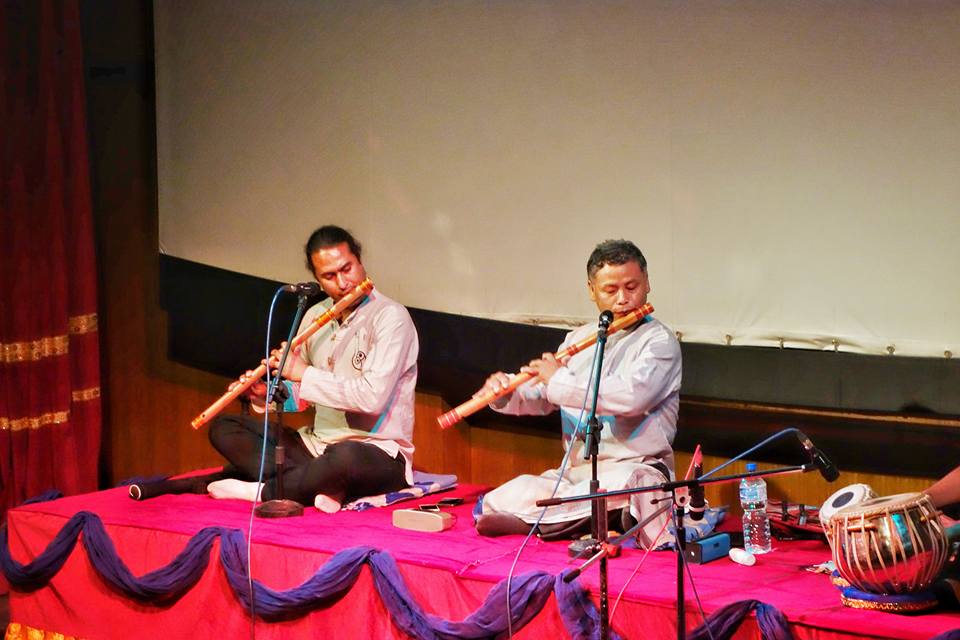
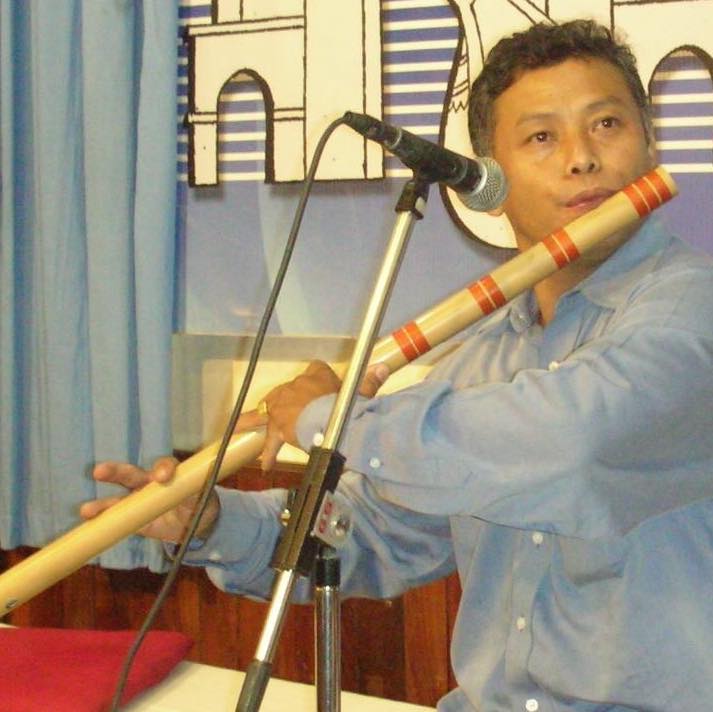
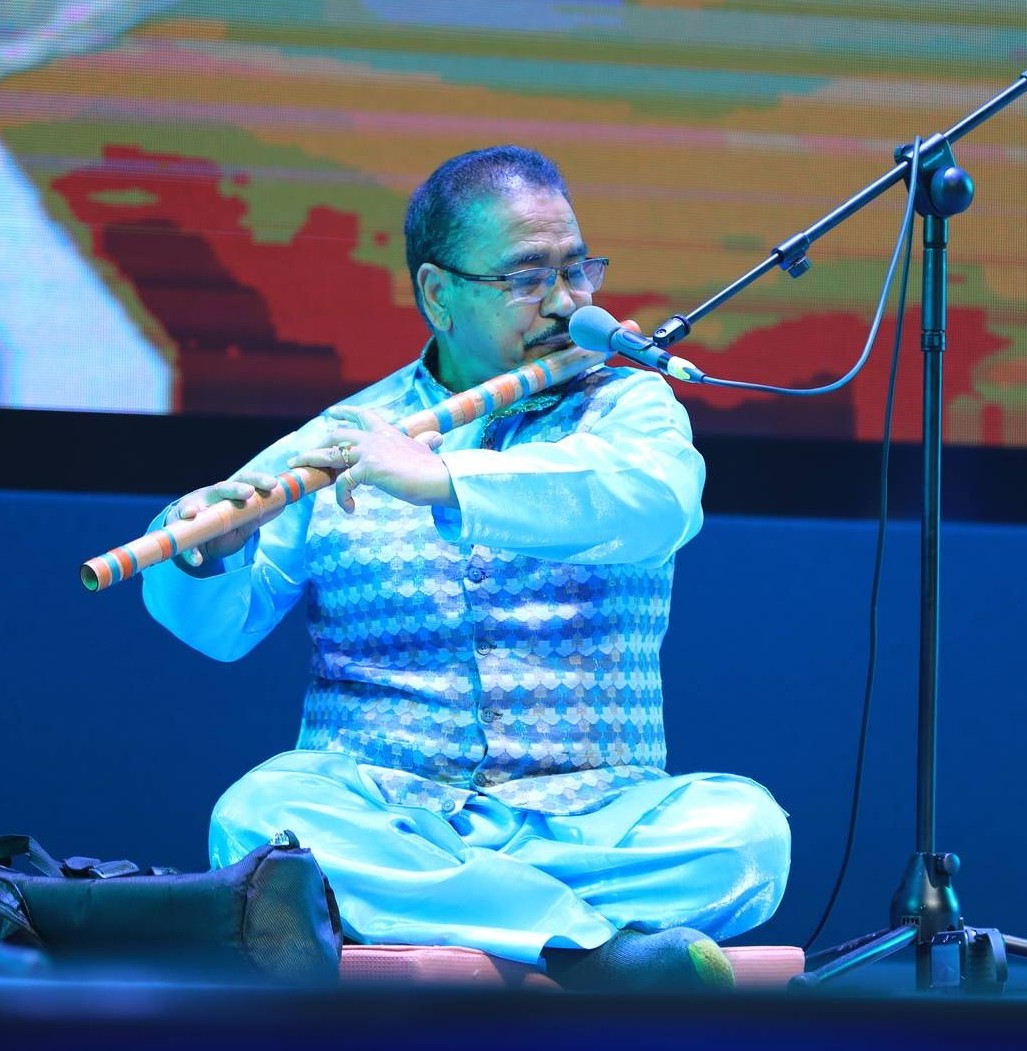
Nepal has many flautists but no one has completed his Masters in flute-playing as has Jeevan Ale, He completed his Masters from the Prayag Institute of Illahabad, India. Having devoted more than half of his life to classical music, this resident o...
Biography
Nepal has many flautists but no one has completed his Masters in flute-playing as has Jeevan Ale, He completed his Masters from the Prayag Institute of Illahabad, India. Having devoted more than ha...
Personal Info
Career Highlights
—
Films
—
Awards
—
Experience
—
Rating
Similar Artists
Artists you might also like
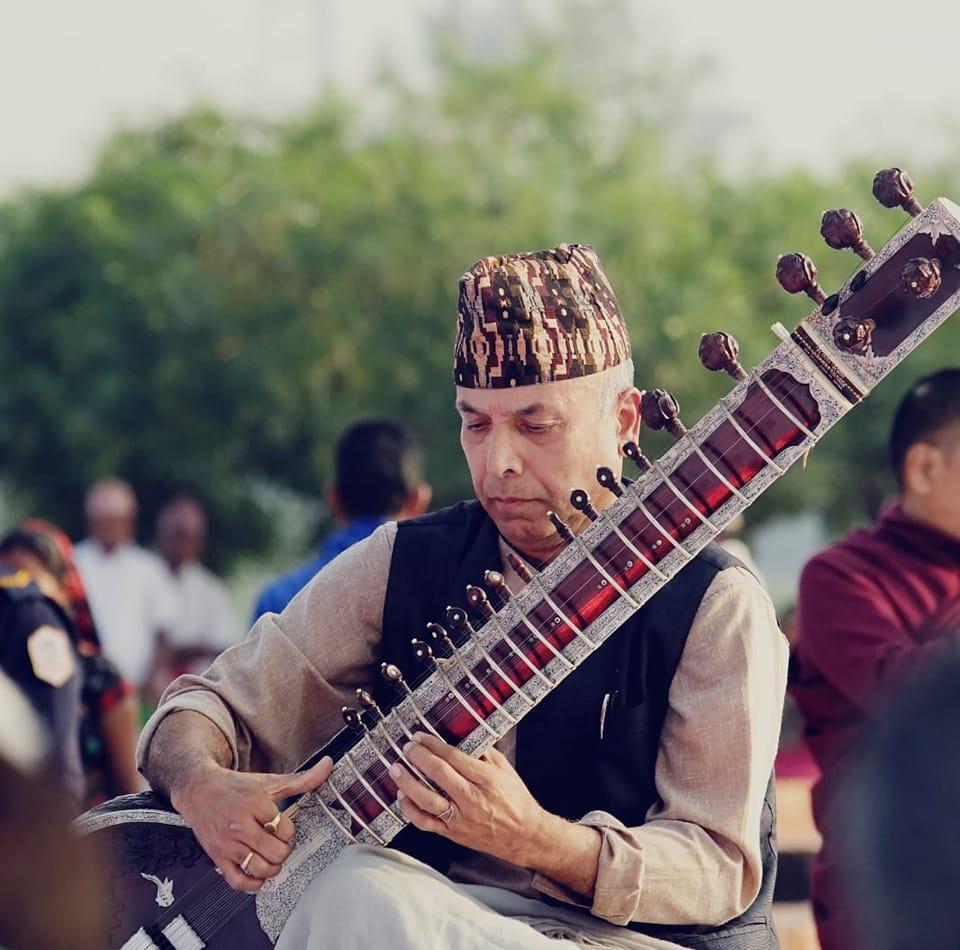
Dhrubesh Chandra Regmi is a celebrated sitar maestro, scholar, and academician from Nepal, known for his profound contributions to classical music and musicology. Born into the illustrious Regmi musical lineage, he is the great-grandson of Pt. Dev Chandra Regmi, who pioneered the sitar tradition in Nepal. Trained under his father, Prof. Satish Chandra Regmi, Dhrubesh began playing sitar at the age of eight and gave his first concert by thirteen. He holds a Ph.D. in Music from Delhi University—the first Nepali musician to do so—with a dissertation on the history of music during the Rana period. He also completed a postdoctoral Fulbright fellowship at the City University of New York on “Music for Peace and Harmony.” A founding member of the acclaimed ensemble Sukarma, Dhrubesh has performed globally and currently serves as a Professor at Padma Kanya Multiple Campus, Tribhuvan University. His legacy bridges tradition, scholarship, and performance.
Dhrubesh Regmi
Music Artists, Musicians & Instrumentalists, Music Instructor
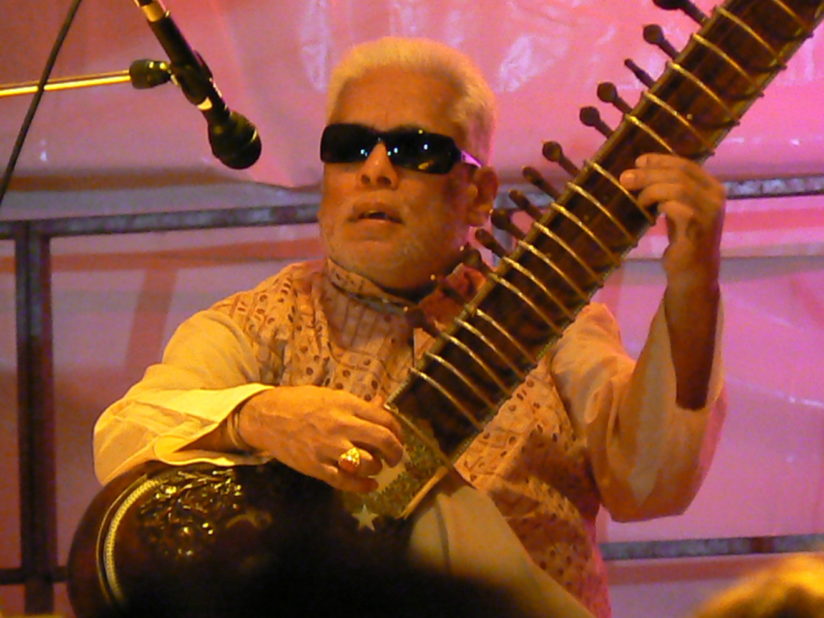
Narendra Bataju Narendra Bataju (died 2018) was a Nepali-born sitar and surbahar virtuoso renowned for his mastery of Hindustani classical music. A disciple of Ravi Shankar, he became an influential cultural bridge between South Asia and Europe through performance and teaching. Key facts Born: Kathmandu, Nepal (year not publicly documented) Died: September 2018, Paris, France Discipline: Hindustani classical (Maihar gharana) Instruments: Sitar, surbahar Based in: Paris since 1972 Early life and training Blind from birth, Bataju began learning sitar at age eight. He pursued formal training for a decade at the Conservatory of Music in Lucknow, India, earning a master’s diploma and two Grand Prizes. His prodigious skill earned recognition from Ravi Shankar, who praised his natural musicality and emotional sensitivity. Career and recordings Settling in Paris in 1972, Bataju performed for the Nepalese royal family and later across European concert halls and festivals, including the Centre Mandapa, the Musée du Quai Branly, and the Festival du Tibet et des Peuples de l’Himalaya. His recordings include Sitar: Râga Kirvani / Surbahar: Râga Gunkali (1975), Les Sitar et Surbahar de Narendra Bataju (1980), and Jog Kauns / Misra Pilu (2006). Collaborations and performances Bataju collaborated internationally, performing alongside the Egyptian oud player Hussein El Masry at Paris’s Cité de la Musique (1996) and appearing at cultural events such as France’s Festival de l’Inde. His cross-cultural work extended to Western artists, including contributions to Symphonie celtique (Tír na nÓg) by Alan Stivell. Legacy Celebrated as a pioneer of Indian classical music in France, Narendra Bataju inspired new generations of European and Nepali musicians through his teaching and emotive performance style. His artistry remains documented in a modest but significant body of recordings and archival radio broadcasts.
Narendra Bataju
Musicians & Instrumentalists
Surendra Shrestha discovered his passion for tabla at eight, imitating rhythms he heard at local ceremonies. He began formal training at nine under renowned Nepali tabla player Raju Agrawal, mastering accompaniment for folk and modern music. At fourteen, he deepened his classical foundation through eight years of study with Hom Nath Upadhaya. Beginning in 1987, he traveled regularly to Benaras to train with Pandit Chhote Lal Mishra of Kashi Hindu Vishwavidyalaya, earning advanced mastery and later achieving First Division Distinction in Sangeet Praveen (India). Shrestha debuted publicly in 1985 at Nepal’s National Theater and later co‑founded Sur‑Sudha in 1987. He has received honors from Kala Nidhi Mahavidyalaya and other cultural institutions. In recent years, he has represented Nepali classical music internationally, contributed to cultural diplomacy concerts, and mentored a new generation of percussion artists.
Surendra Shrestha
Flautist
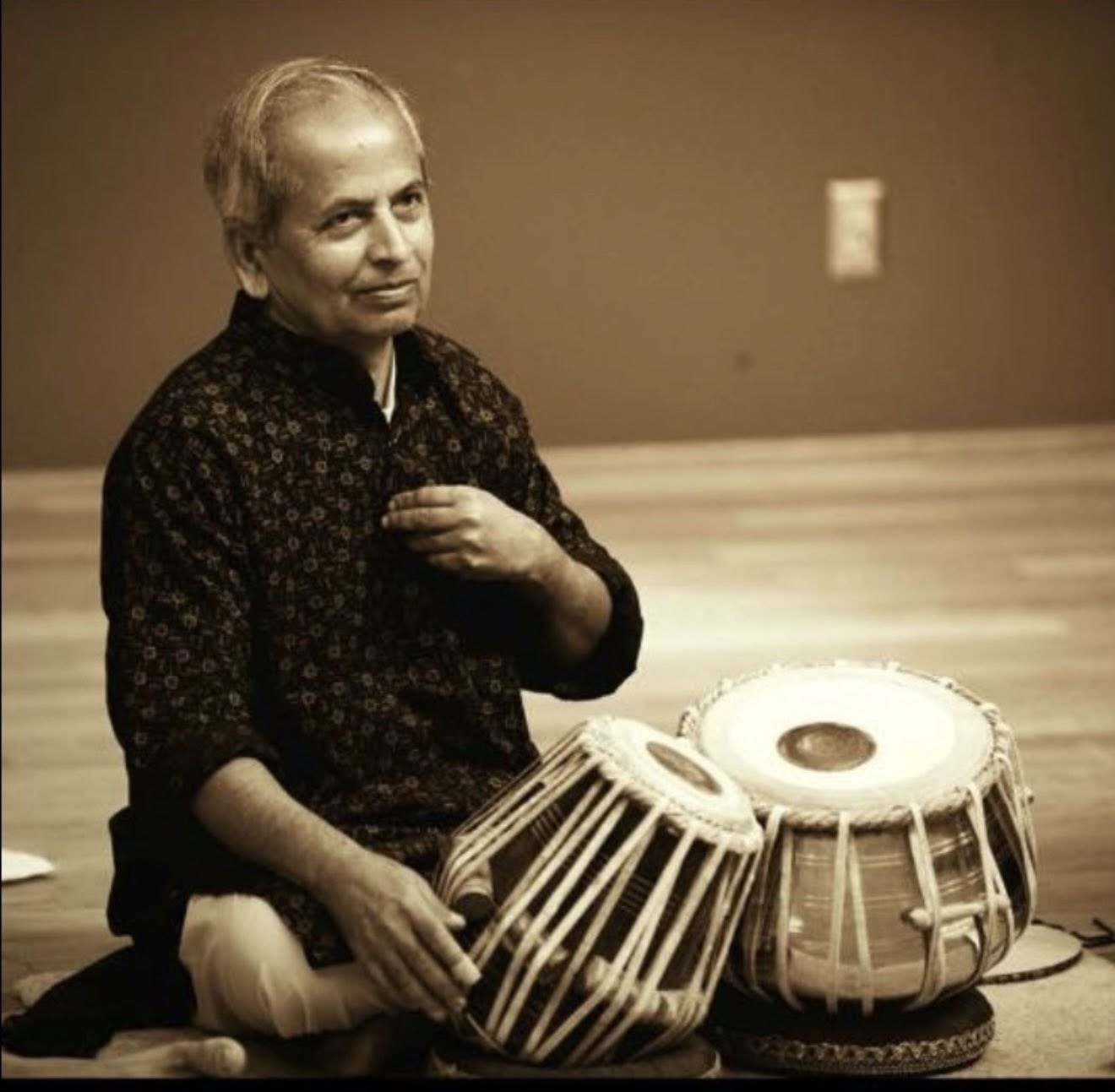
Hom Nath Upadhyaya is a renowned Nepali tabla maestro celebrated for his mastery of classical, semi‑classical, and folk rhythms. Trained in the rich traditions of Hindustani classical music, he became one of Nepal’s most influential percussionists, performing internationally and collaborating with leading artists. His contributions include teaching at Tribhuvan University, mentoring new generations of musicians, and representing Nepal on global stages. Known for his precision, melodic clarity, and deep understanding of rhythmic cycles, Upadhyaya has played a vital role in preserving and promoting Nepali classical music. His performances and compositions continue to inspire students, audiences, and cultural institutions across Nepal and the diaspora.
Hom Nath Upadhyaya
Musicians & Instrumentalists, Tabla Players