
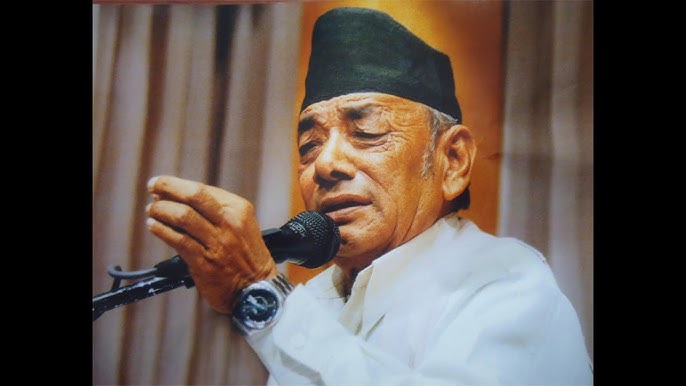
Phatteman Rajbhandari
@a1c3c52a-18dc-4c19-92ba-883dc8b3ca88 · Singer/ Performer
Phatteman Rajbhandari (1936 – 9 September 2013) was a legendary Nepali classical and modern singer, celebrated for his unmatched vocal purity, mastery of raag, and disciplined musical artistry. Born in Lalitpur, he began his professional musical jour...
Biography
Phatteman Rajbhandari (1936 – 9 September 2013) was a legendary Nepali classical and modern singer, celebrated for his unmatched vocal purity, mastery of raag, and disciplined musical artistry. Born i...
Personal Info
Career Highlights
1
Films
—
Awards
74 yrs
Experience
—
Rating
Similar Artists
Artists you might also like
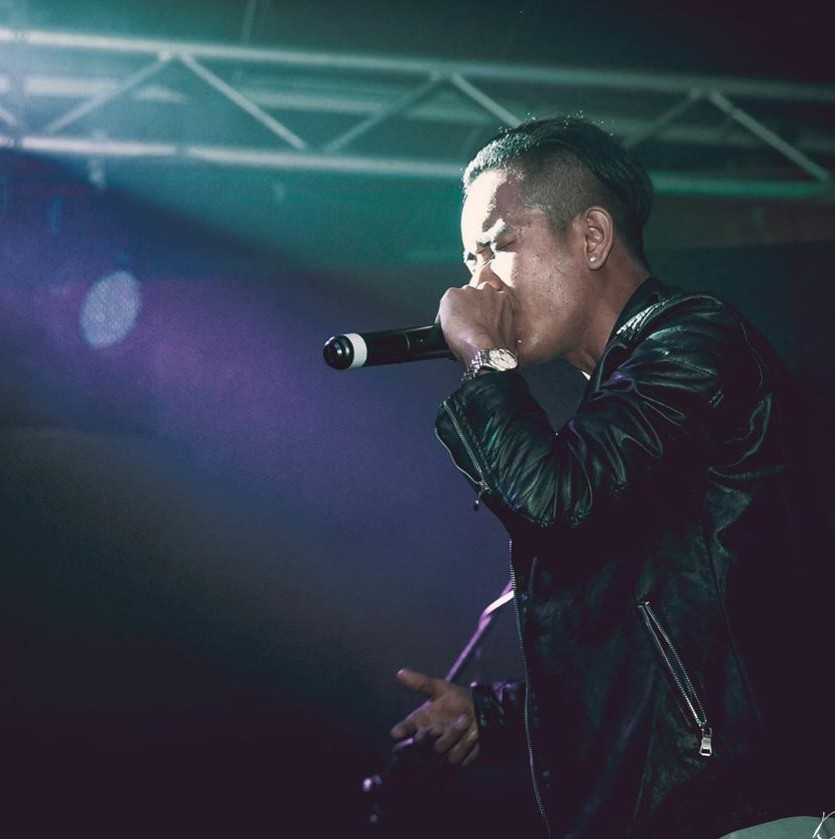
Fuba Tamang is a Nepali singer and musician known for his warm acoustic sound and contemporary folk‑pop style. His music blends heartfelt melodies with clean guitar arrangements, focusing on emotional storytelling rather than traditional Selo rhythms. Active in Nepal’s independent music scene, Fuba’s songs highlight sincerity, simplicity, and modern folk sensibilities, making him a rising voice among young acoustic artists. He continues to collaborate with emerging creators and represent Tamang identity through a fresh, contemporary musical approach.
Fuba Tamang
Singer/ Performer

Binusa Rai is a contemporary Nepali singer known for her growing presence in modern lok‑geet, purbeli folk, and digital‑era Nepali music. Active across YouTube, studio labels, and streaming platforms, she has lent her voice to popular songs such as “Hataima Salai” (2025) , “Bala Maicha” (duet with Prabhananda Baidya) , and “Kalle Bhanyo” (2025) with Himal Gharti Magar . Her vocals also appear in widely shared folk‑inspired pieces like “Timi Pareu Nepal Ko, Ma Ta Pare Asam Ko” in collaboration with Mani Sundar Limbu .Rai’s discography on streaming platforms includes multiple solo releases such as “Timro Mero Mayako Ghar,” “Priyatam Yo Mero Man,” “Bhaileni Aain Agana,” “Jun Pal Timi Aayau,” and “Kasari Jodyau Mutu”—showcasing her versatility across folk, sentimental, and melodic genres . With consistent digital output and collaborations with emerging composers, she represents the new wave of Nepali female vocalists shaping the post‑2024 folk‑fusion soundscape.
Binusa Rai
Singer/ Performer

Sunita Karki is a Nepali singer and television program producer/presenter known for her active contribution to the Nepali music industry and her long-running association with Nepal Television. Her work spans modern Nepali songs, lok‑pop, devotional music, and television presentation, making her a multi‑platform media personality.As a singer, she has released numerous songs across genres—modern, lok‑pop, purbeli, and devotional—consistently appearing on YouTube channels under her own name. Her catalog includes songs such as “Mero Yo Jeewan Maya,” “Karnali Pari,” “Chyangba Ko Boli,” “Ghumna Laijau,” and several Shiva bhajans, reflecting a versatile vocal identity.Parallel to her singing career, Karki has been featured as a program presenter/producer on Nepal Television, most visibly through the musical program “Sur Sadhana”, where she appears on‑screen hosting, presenting, or performing. Multiple verified images show her in the NTV studio environment, confirming her role in national broadcast media.
Sunita Karki
TV Presenter/ Host, Singer/ Performer
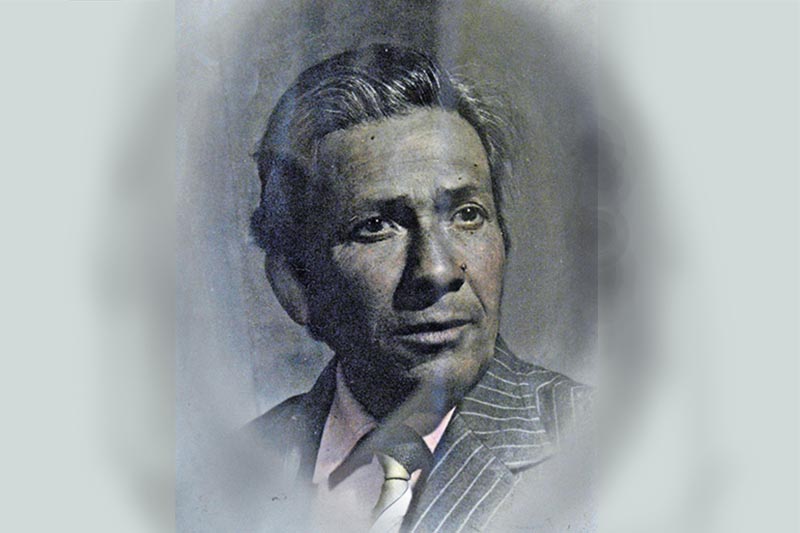
Hari Prasad Rimal is honored as one of the foundational figures of Nepali performing arts, celebrated for his pioneering contributions to theatre, music, and cinema. Widely recognized as Nepal’s first radio singer, he recorded Mero Mann Ma Timro for Radio Nepal in 1951, marking a historic milestone in the nation’s broadcasting and musical culture. Rimal was also a prominent stage actor and later transitioned into film, appearing in early Nepali classics such as Aama (1964). His expressive performances, disciplined craft, and commitment to artistic excellence helped shape the identity of modern Nepali acting. Over his long career, he received multiple honors acknowledging his influence on theatre, music, and the evolution of Nepal’s cultural landscape
Hari Prasad Rimal
Actor, Theatre Artists, Singer/ Performer