


Sushant Gautam
Active@sushantgautam · Music Director, Lyricist
Sushant Gautam is a talented Nepali lyricist and music director. Born on June 30, 1992, in Biratnagar, Sarswoti Tole, he has made significant contributions to the Nepali music industry. Career Highlights Music Director: Worked on movies like "Sail...
Biography
Sushant Gautam is a talented Nepali lyricist and music director. Born on June 30, 1992, in Biratnagar, Sarswoti Tole, he has made significant contributions to the Nepali music industry. Career Highlig...
Personal Info
Career Highlights
1
Films
—
Awards
—
Experience
—
Rating
Similar Artists
Artists you might also like
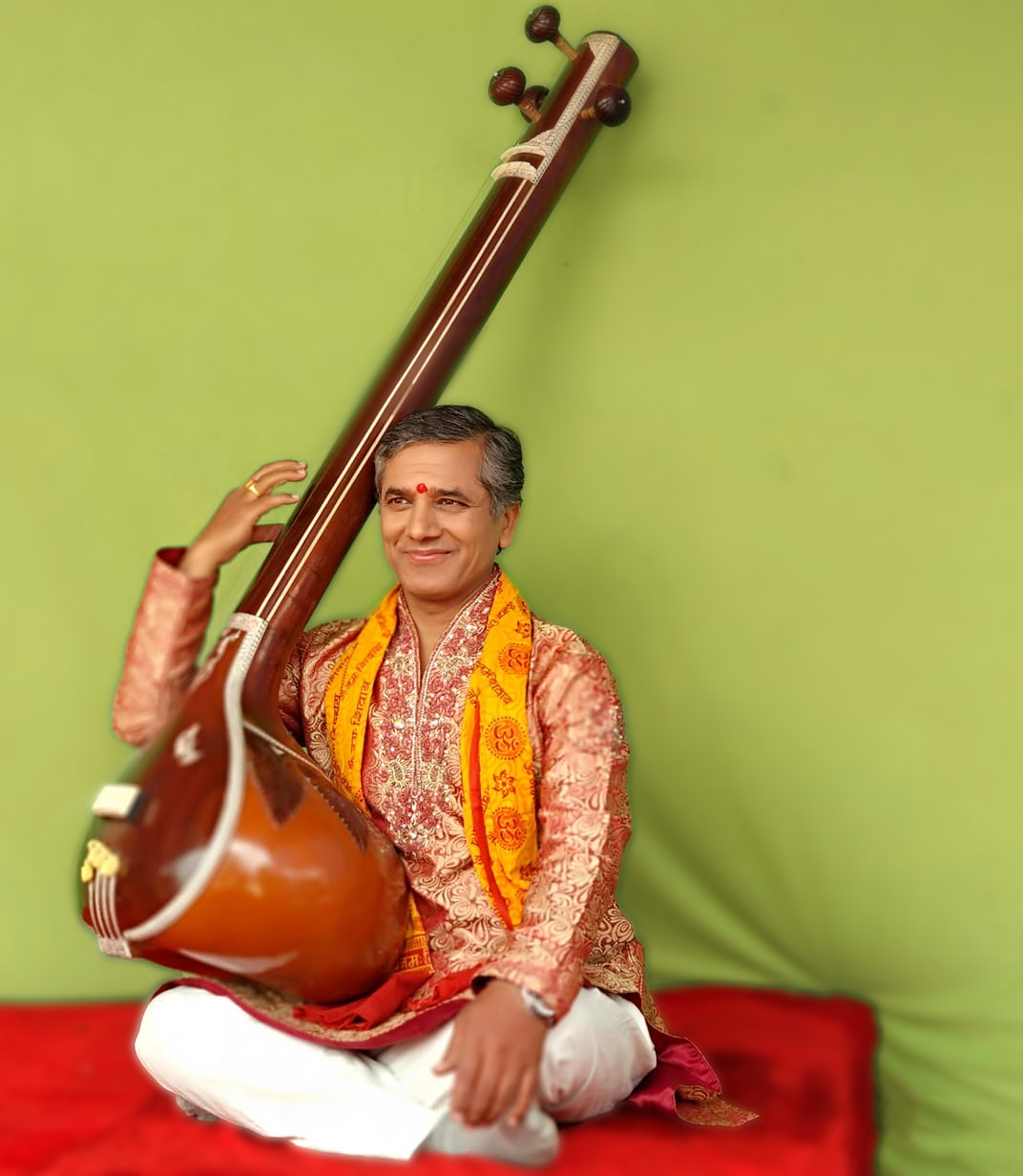
Chandi Prasad Kafle is a renowned Classical Vocalist and Music Instructor in Nepal. He is also a skilled music composer. Chandiraj, famous for singing bhajan and raag, is the music guru of many famous singers. He is also the director and founder of Shree Sangeet Pathshala Nepal.
Chandi Prasad Kafle
Music Director, Music Instructor
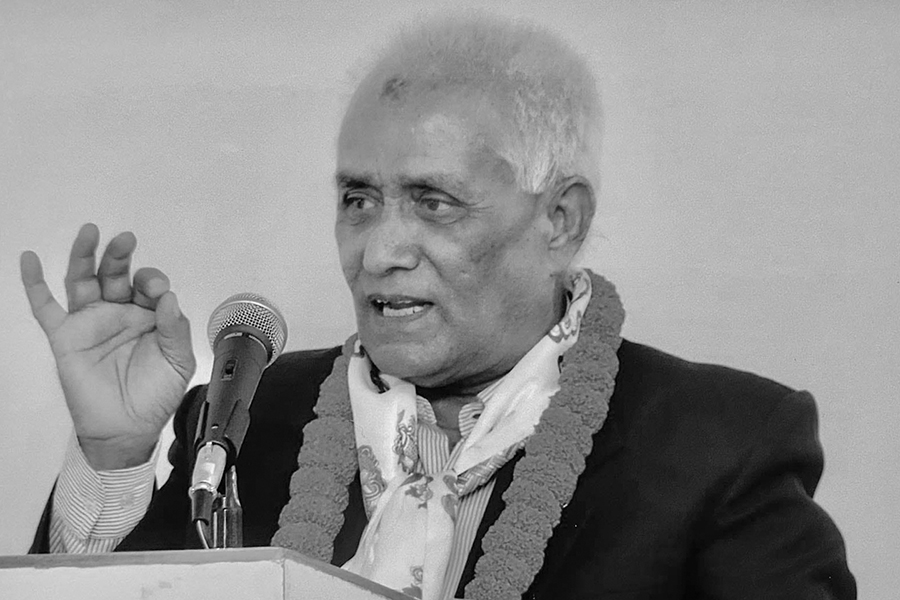
Chetan Karki was a legendary Nepali lyricist, film director, screenwriter, and novelist who made a lasting impact on Nepali cinema and music. Born on November 7, 1938, in Syangja, Nepal, he was one of the first screenwriters in Nepali cinema, writing his debut screenplay for Pariwartan. Over his career, he contributed to more than 100 Nepali films as a writer and director. Career Highlights Chetan Karki was known for his versatile storytelling and lyrical compositions. Some of his notable works include: Films: Bishwas, Pahilo Prem, Bhumari, Maya Priti, Kanchi, Kanyadan Songs: Teejako Rahara Aayo Barilai, Bainiko Dayacha Bhane Publications: He published poetry collections in Nepali, Hindi, and Urdu, along with novels and song collections. Personal Life & Legacy Chetan Karki passed away on May 16, 2021, due to COVID-19 complications at the age of 83. His contributions to Nepali literature, music, and cinema remain influential, and he is remembered as one of Nepal’s most extraordinary talents.
Chetan Karki
Lyricist, writer-author
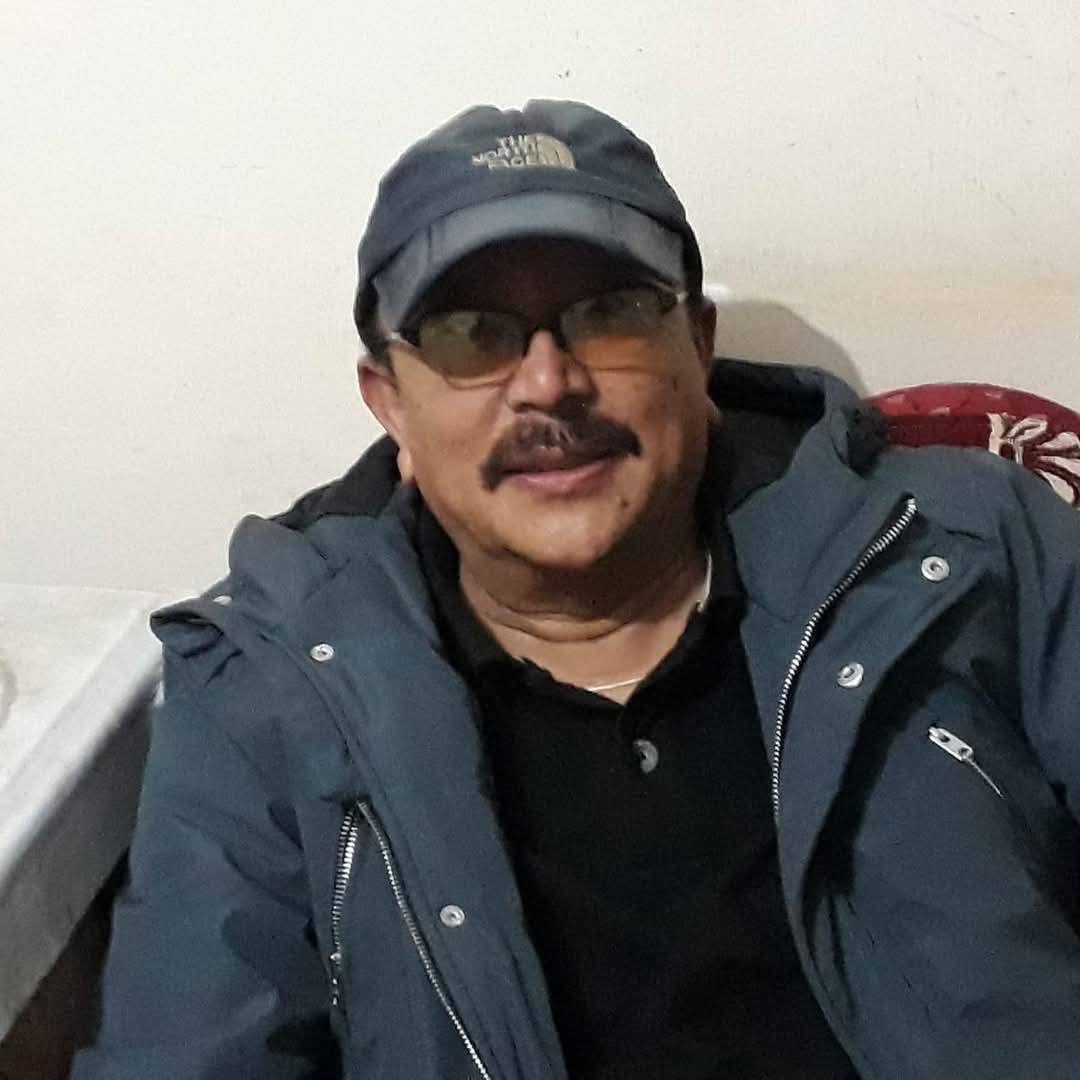
Basanta Chhetri is recognized as a melodious vocalist, sensitive composer, and prolific music director in Nepali modern music. Active since the 1950s, he has devoted his life to musical practice and has directed music for hundreds of songs across folk, modern, and classical genres. His early works such as Premko Geet, Sapana, and Maya established his artistic identity. His compositions explore themes of love, life, society, nature, spirituality, and patriotism, enriched with deep emotional FEELING and AURA. As a mentor and inspiration to younger generations, Chhetri has played a vital role in expanding Nepali music at both national and international levels.
Basanta Chhetri
Music Artists, Music Director
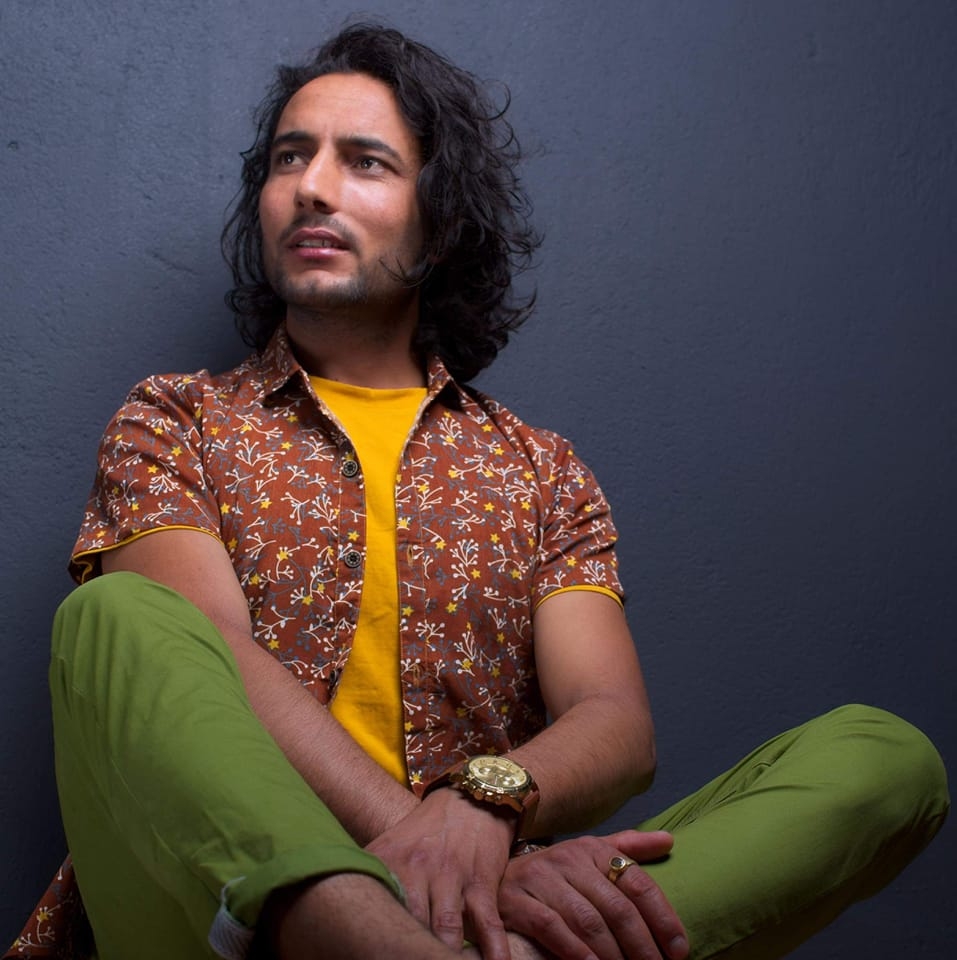
Suraj Pandit is a powerful voice from Jumla, Nepal, known for his evocative songwriting, soulful singing, and socially conscious music direction. Born on February 23, 1991, in Maliabid-4, Chandannath Municipality, he rose to prominence with the viral hit “Railko Bato”, a song that poignantly captures the struggles of life in Karnali and the stark contrast with urban privilege. His music often blends folk and contemporary styles, with lyrics that challenge inequality and celebrate resilience. Suraj writes, composes, and performs many of his songs, including “Singha Durbar”, “Maya Basyo Jumla Bazaarma”, and “Tamra Manma”. Despite early hardships and working as a forest guard, he pursued music relentlessly, earning accolades like the Bindhyabasini Music Jury Award, Rara National Music Award, and Radio Kantipur’s Best New Singer.
Suraj Pandit
Music Artists, Music Director, Singer/ Performer