


Sudin Pokharel
@sudinpokharel · hip‑hop artist, Singer/ Performer
Sudin Pokharel, popularly known as DA69, is a pioneer in the Nepali hip-hop industry. Born on February 23, 1979, in Biratnagar, Nepal, he has been a prominent figure in Nepali rap and music since the late 1990s. Apart from his music career, he has al...
Biography
Sudin Pokharel, popularly known as DA69, is a pioneer in the Nepali hip-hop industry. Born on February 23, 1979, in Biratnagar, Nepal, he has been a prominent figure in Nepali rap and music since the...
Personal Info
Career Highlights
—
Films
—
Awards
—
Experience
—
Rating
Similar Artists
Artists you might also like

Kranti Ale is a Nepali singer and the lead vocalist of the band Dr Pilot, which was formed in 1996. Initially, the band performed cover songs before transitioning to original music, recording their first songs at Music Nepal in 1998. Ale gained widespread recognition with the release of "Sarkari Jagira" in 2004, recorded at Opus. His band won Best Vocal Performance by a Group or Duo at the 7th Annual Image Award Show on May 28.
Kranti Ale
Music Artists, Singer/ Performer

Ashok Darji is a young Nepali singer and emerging actor who rose to national recognition for his natural voice, emotional delivery, and viral performances at a very early age. Discovered through social media and live street performances, he quickly became a household name after collaborating with composer Tanka Budathoki, releasing hit songs such as Man Bina Kasailai Man Paraundaina and other popular child‑vocal tracks. His expressive singing style and humble background made him one of Nepal’s most beloved child artists.Alongside music, Ashok has appeared in music videos, stage shows, and acting projects, gradually expanding his presence in Nepali visual media. As he continues to grow, he remains a symbol of raw talent, resilience, and the power of opportunity in Nepal’s contemporary music scene.
Ashok Darji
Actor, Singer/ Performer

Durgesh Thapa (दुर्गेश थापा) is a dynamic Nepali singer, songwriter, and performer known for his bold lyrics, catchy folk-pop tunes, and high-energy stage presence. Born on May 22, 1990, in Sikkim, India, he grew up in Baglung, Nepal, and began his career in Kathmandu as a side dancer before transitioning into music. He rose to fame with viral hits like “Dushman Hereko Herei,” “Don Aayo Don,” “Bicha Bichama,” and “Chhoto Miniskirt,” which have become staples during Nepali festivals and celebrations. His music blends traditional Lok Dohori with modern pop, often laced with humor and social commentary. He’s also known for his flamboyant fashion and choreography, making his performances visually striking.
Durgesh Thapa
Classical / Traditional Dancer, Singer/ Performer
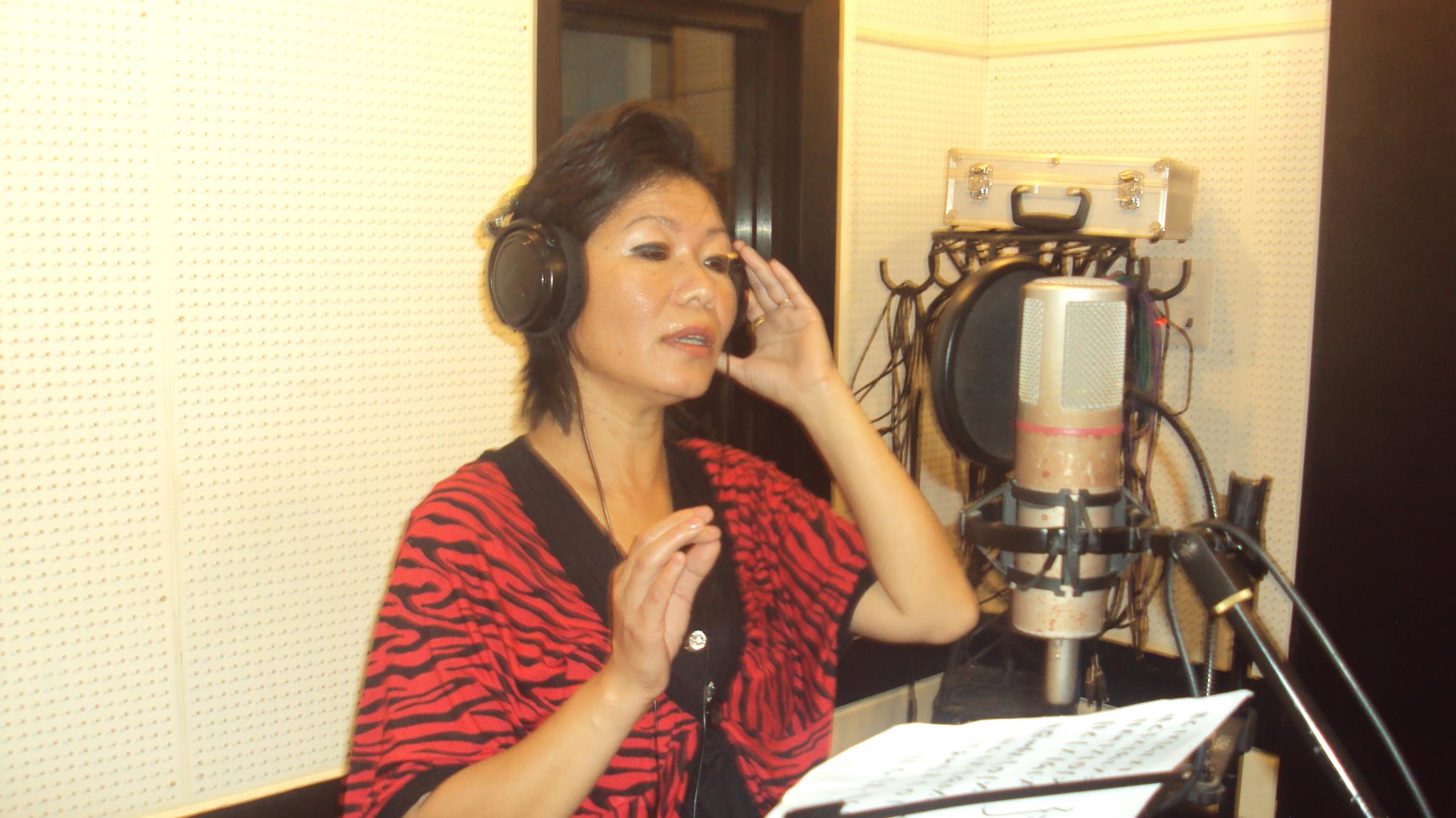
Bunu Rai Manandhar is a Nepali singer known for her soulful voice, emotional depth, and unique journey into the music world. She was born on December 20 in Tokdah, Darjeeling, as the youngest daughter of D.S. Rai and Bindu Rai. Raised in a family of three sisters, Bunu describes herself as a disciplined yet short-tempered child who didn’t engage in school musical activities despite a deep-rooted love for music. She completed her schooling, higher secondary education, and Bachelor’s degree in Economics from Griffith Higher Secondary School. After graduation, she moved to Kathmandu to pursue a career in music. However, life had other plans, and she began working as a pre-primary teacher at Gyanodaya School. While juggling teaching and personal responsibilities, she frequently traveled between Nepal and Darjeeling to complete her remaining academic work. Though she never took formal music lessons, her passion led her to join a local band named “Aarti” as the lead vocalist. This marked the beginning of her stage performances at various local events. Self-taught and dedicated, Bunu practiced regularly at home and honed her craft on her own terms. Her first major breakthrough came when she participated in the prestigious Narayan Gopal Sandhya Sajh, where she secured a spot among the Top 10 performers. This encouraged her to record her first few songs: "Yo Hariyali" composed by Shila Bahadur Moktan "Juna Ko Chaya" featured in Rocky Thapa’s collection album After a long hiatus of 20 years, Bunu made a stunning comeback with her debut solo album “Imagination”, released in 2012. Popular Songs by Bunu Rai Manandhar Korera Prem Patra (ft. Kamal Khatri) – An emotional duet that resonates with themes of love and longing. Jhilmil Sitara (feat. Rose) – A melodic song highlighting her vocal elegance. Yo Hariyali – A nostalgic tune composed by Shila Bdr. Moktan. Juna Ko Chaya – Featured in Rocky Thapa’s compilation album. Banma Fulyo – A contemporary folk-inspired release. Zha Zhal Ko – A rhythmic and expressive number. Bunu Rai Manandhar’s story is one of resilience and quiet determination — an artist who began her journey late, without formal training, yet carved a place in Nepali music through talent, hard work, and authenticity.
Bunu Rai Manandhar
Music Artists, Singer/ Performer