
Mandabi Tripathi
@mandabitripathi · Music Artists, Singer/ Performer
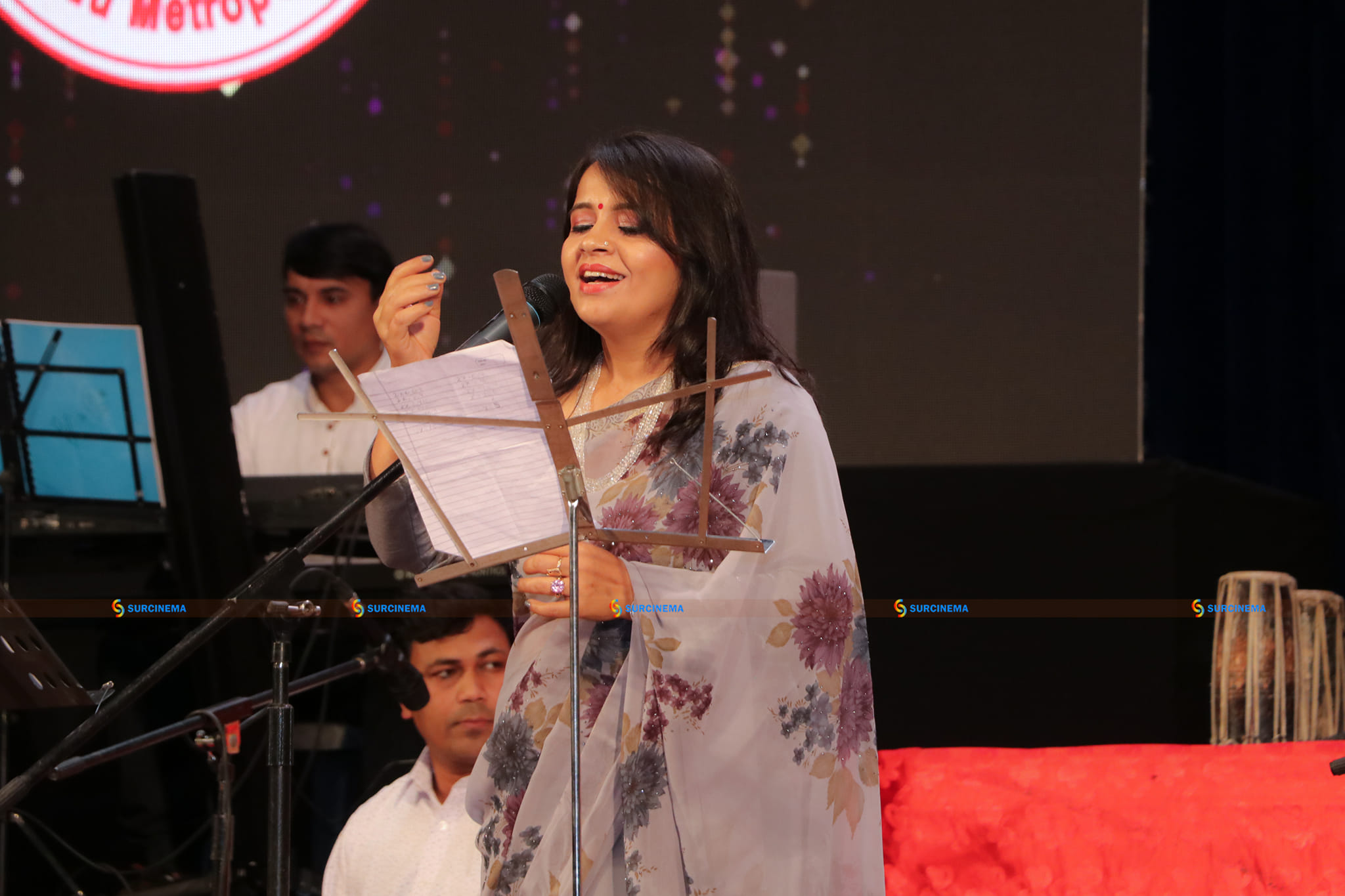
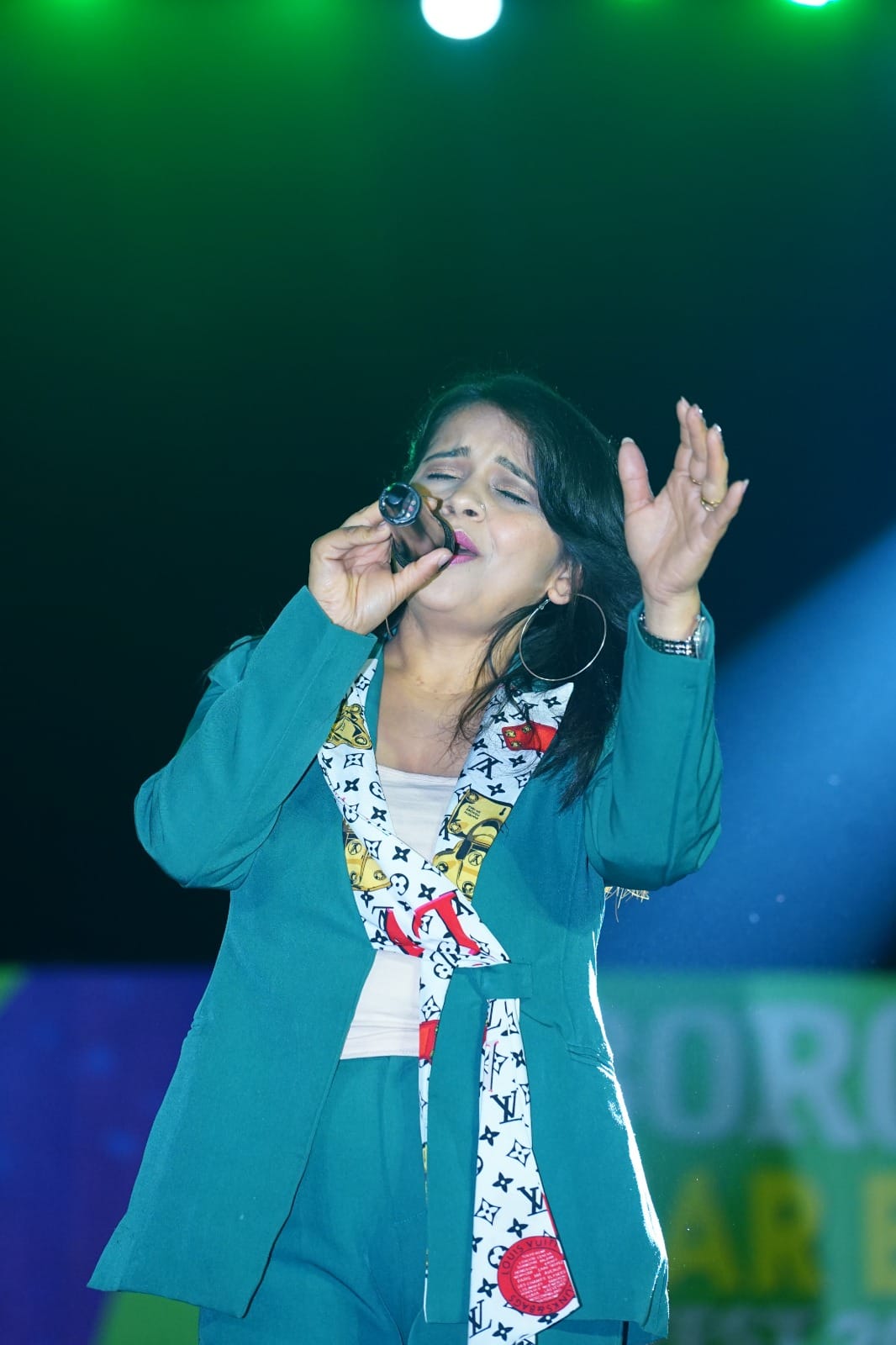
Mandabi Tripathi, born on July 13, 1982, in Sundarbazar, Lamjung District, Nepal, is a renowned Nepali singer celebrated for her contributions to the country's music industry. She completed her School Leaving Certificate (SLC) in 1997 and pursued fur...
Biography
Mandabi Tripathi, born on July 13, 1982, in Sundarbazar, Lamjung District, Nepal, is a renowned Nepali singer celebrated for her contributions to the country's music industry. She completed her School...
Personal Info
Career Highlights
—
Films
—
Awards
—
Experience
—
Rating
Similar Artists
Artists you might also like
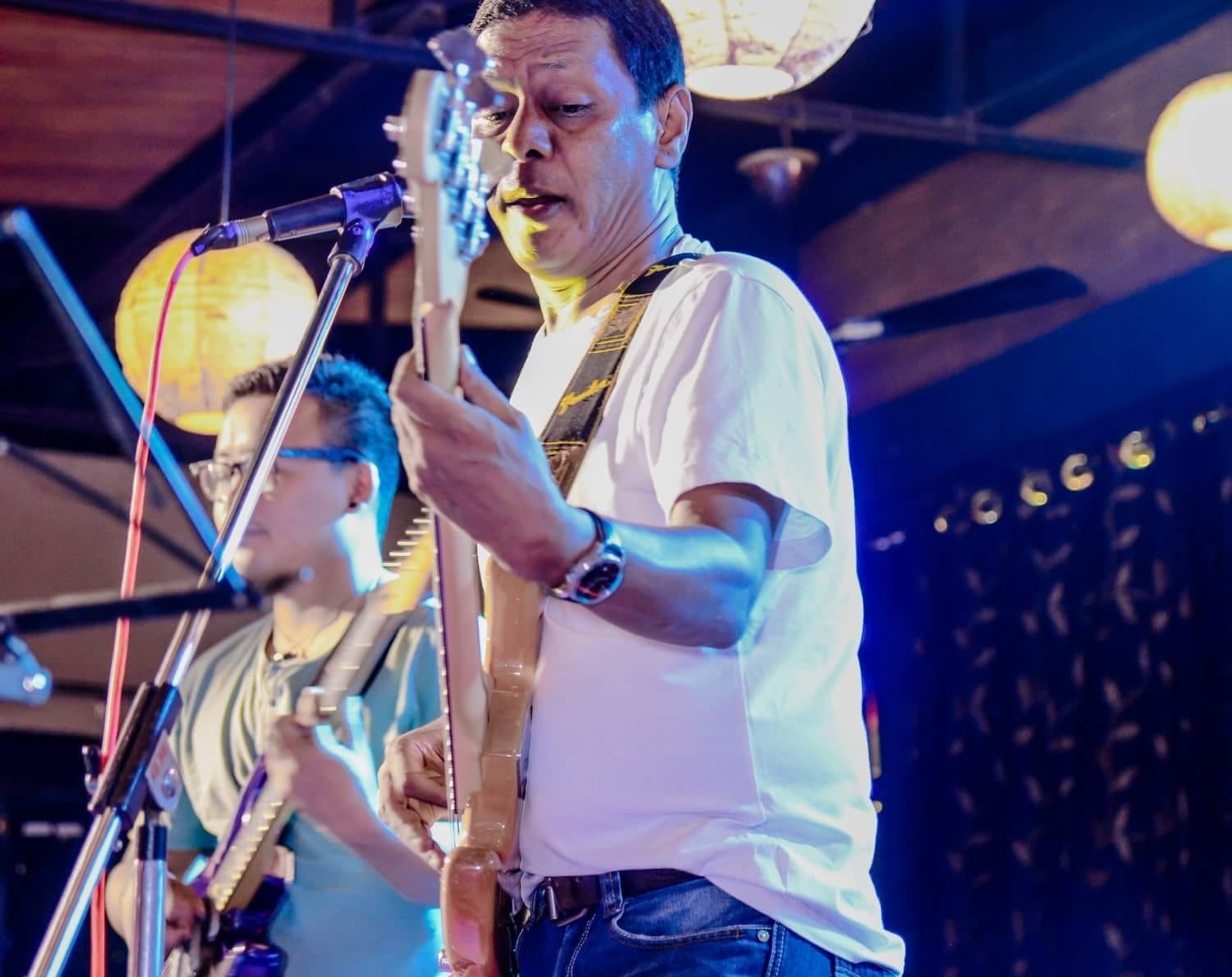
Harish Mathema is a Nepali pop and modern singer‑composer known for his evergreen romantic and soulful songs, active since the late 1980s and 1990s. His music blends soft pop, emotional melodies, and expressive vocals, making him a recognizable voice in Nepali pop history.He has performed widely in concerts and live shows, including a featured performance at Bianca Lounge, Kathmandu, where audiences enjoyed his signature songs such as “Aankhako Nani Hau Timi” and other classics from the golden era of Nepali pop.As a recording artist and composer, Harish Mathema has released multiple albums, including Swopnil Rangma (1990) and Hiund Barsat (2023), featuring songs like “Eak Nazar,” “Aayera Samu Timi,” “Kasari Birsu,” “Ki Ta Deu,” and “Mero Mutuko.” Many of these tracks credit him as both composer and vocalist, reflecting his dual musical identity.His classic song “Ek Najar”, originally released in 1988, was revived in the Old Durbar REWIND series, highlighting his lasting influence on Nepali pop culture.Across decades, Harish Mathema has remained active in Nepal’s music scene, contributing original compositions, performing live, and maintaining a loyal audience who continue to celebrate his timeless songs.
Harish Mathema
Singer/ Performer

Menuka Poudel, a talented Nepali singer, has made waves on the Indian music scene. Her soulful voice and captivating performances have left an indelible mark. Let’s delve into her inspiring journey: Nepal Idol and Sa Re Ga Ma Pa: Menuka first gained recognition when she participated in the Nepal Idol reality show in 2018. Her mesmerizing performances showcased her innate talent and resonated with audiences. She also appeared on Sa Re Ga Ma Pa, another prestigious musical platform. Indian Idol 14: Menuka’s journey continued as she became a contestant on Indian Idol 14. Despite being visually impaired since birth, her singing talent transcended barriers. Her soul-stirring performances touched the hearts of millions across India. Crossing Borders: Menuka’s success in Nepal propelled her to venture into the Indian music industry. Her voice, like a gentle breeze, moved judges and audiences alike. Menuka Poudel’s story exemplifies resilience, passion, and the power of music. Her unwavering spirit continues to inspire us all. 🎤🌟
Menuka Poudel
Music Artists
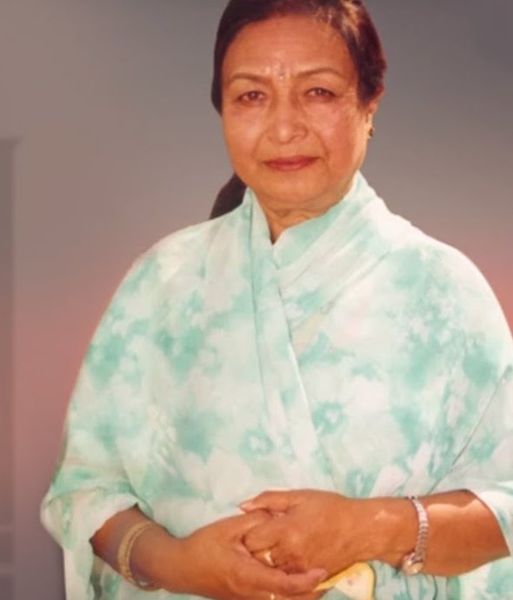
Dil Maya Khati was a beloved Nepali singer known as the “Melody Moon” of the Himalayas. Born in 1999 BS in Ghumpahad, Darjeeling, she began singing at age five and quickly captivated audiences across Nepal, Sikkim, and Bhutan. Her golden voice earned admiration from legends like Raj Kapoor and Narayan Gopal. In 2018 BS, she debuted on Radio Nepal and won a gold medal in a national music competition. Though she recorded only 12 songs between 2018 and 2030 BS, her impact was profound. After a long hiatus, she made a triumphant return in 2056 BS with the album Shikha. Honored with numerous awards, including the Devkota Samman and Bhupal Sangeet Puraskar, she was celebrated for her emotional depth and vocal purity. Her legacy continues to inspire generations of Nepali music lovers.
Dil Maya Khati
Music Artists, Folk Singer
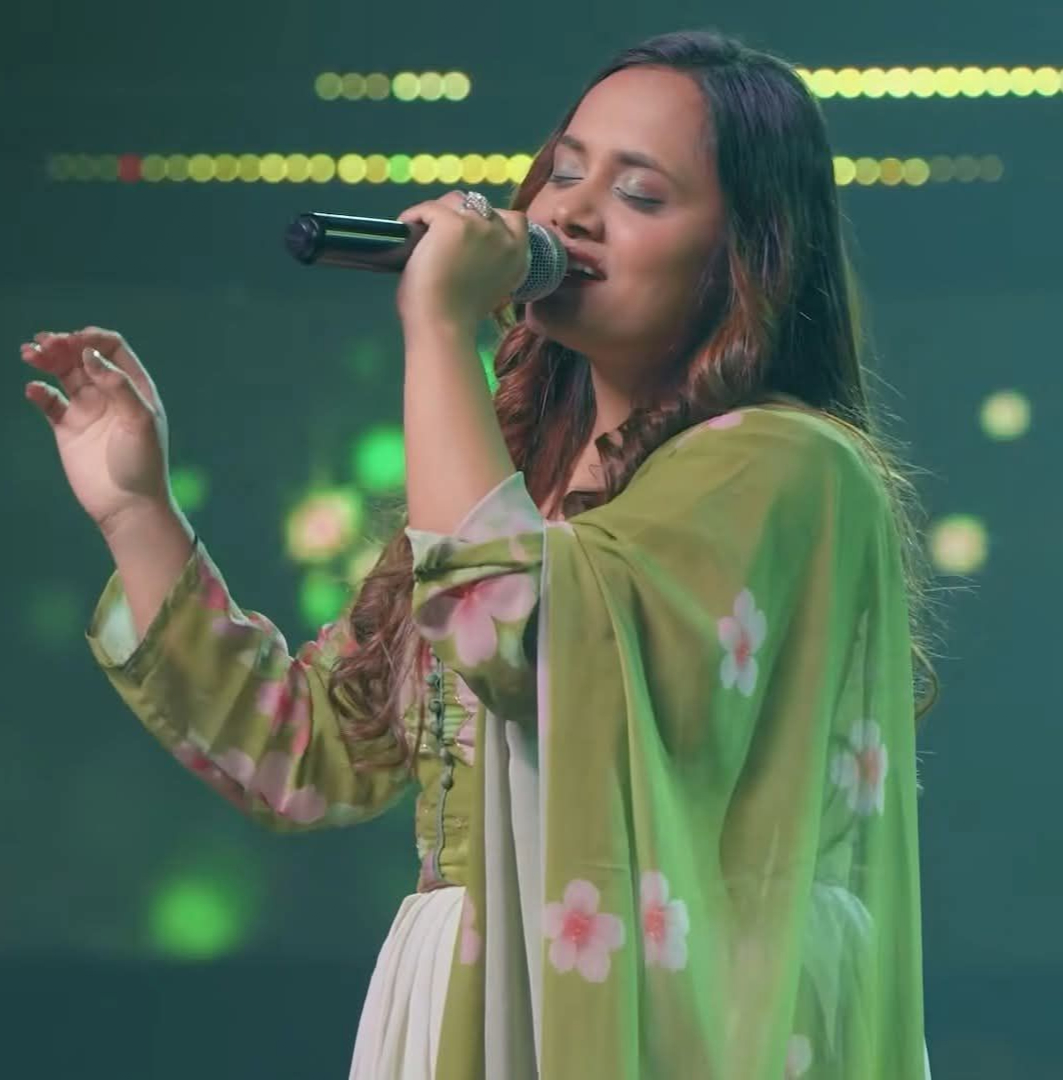
Nishu Sharma is a Nepali singer recognized for her soulful voice, devotional range, and rising presence in modern Nepali music. A student of Xavier International College, she gained national attention through The Voice of Nepal, where her clarity and emotional delivery stood out. In 2026, she lent her voice to the film Paral Ko Aago, performing the song “Udi Jau Bhane Ma Panchhi Hoina”, further establishing her as a promising young vocalist. Active across digital platforms, Sharma continues to build a dedicated audience through heartfelt performances and consistent musical growth.
Nishu Sharma
Singer/ Performer