
Dipak Sharma
@dipaksharma · Music Director
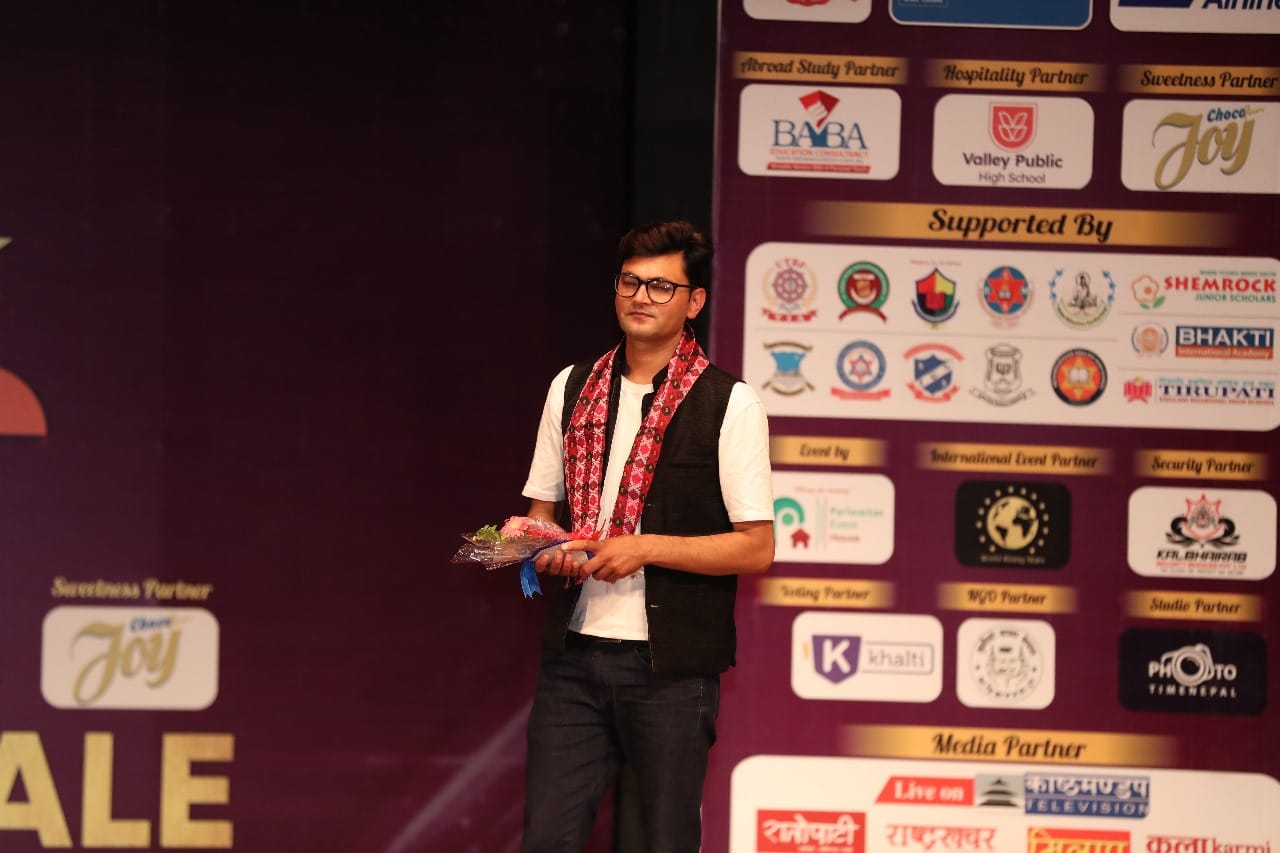
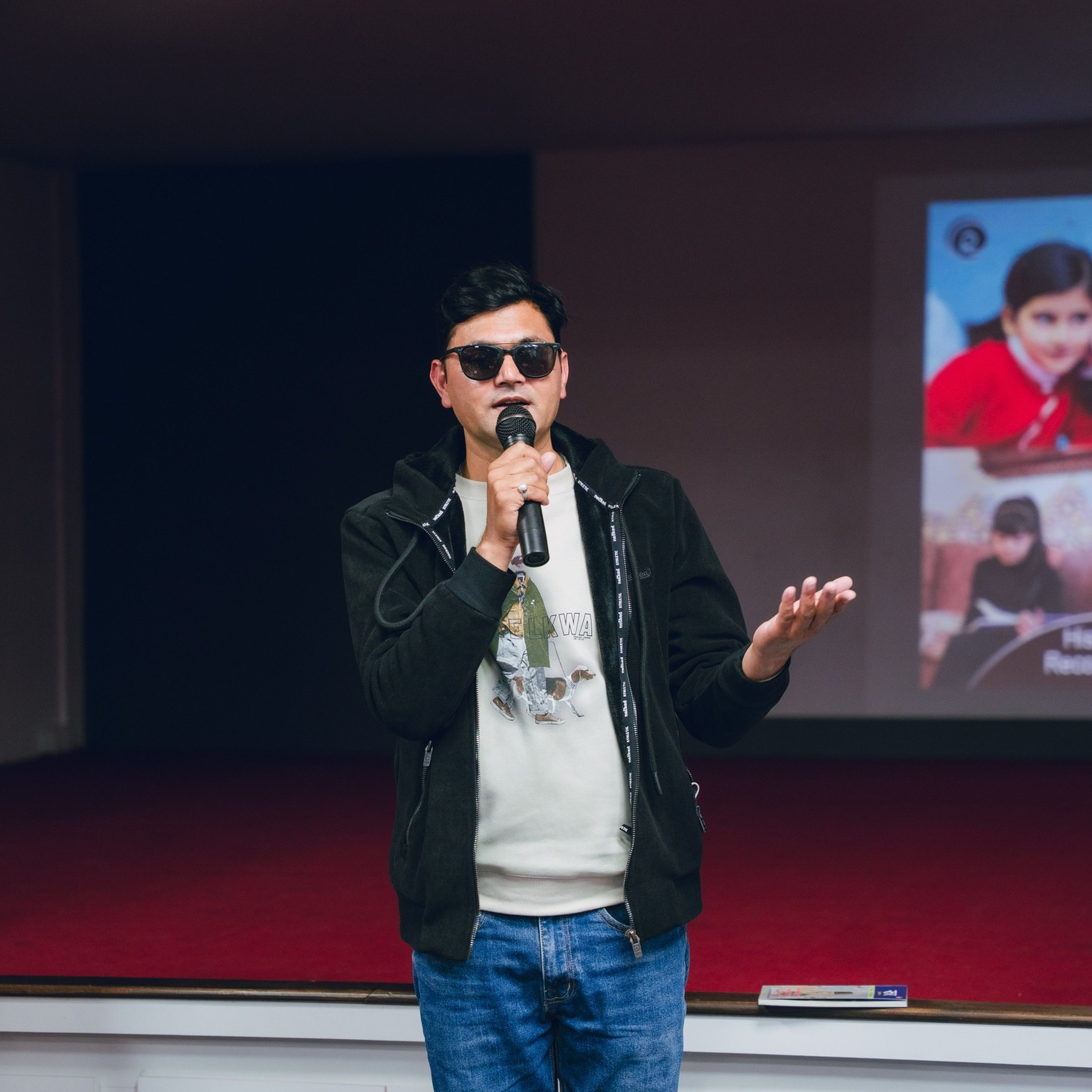
Dipak Sharma is a powerhouse in the Nepali music industry, known for his melodic versatility and emotional depth. Since beginning his career in 2061 B.S., he has composed over 1,000 songs across genres—ranging from modern pop and folk to film scores ...
Biography
Dipak Sharma is a powerhouse in the Nepali music industry, known for his melodic versatility and emotional depth. Since beginning his career in 2061 B.S., he has composed over 1,000 songs across genre...
Personal Info
Career Highlights
3
Films
3
Awards
16 yrs
Experience
—
Rating
Similar Artists
Artists you might also like

Basanta Chhetri is recognized as a melodious vocalist, sensitive composer, and prolific music director in Nepali modern music. Active since the 1950s, he has devoted his life to musical practice and has directed music for hundreds of songs across folk, modern, and classical genres. His early works such as Premko Geet, Sapana, and Maya established his artistic identity. His compositions explore themes of love, life, society, nature, spirituality, and patriotism, enriched with deep emotional FEELING and AURA. As a mentor and inspiration to younger generations, Chhetri has played a vital role in expanding Nepali music at both national and international levels.
Basanta Chhetri
Music Artists, Music Director

Kalyan Singh is a Nepali composer and songwriter. His works include Santosh Lama‘s ‘Batuwa’, Hemanta Rana‘s ‘Raat Ki Raani’ and ‘Muskaan’, and Nima Rumba’s ‘Jaadu’, among others. He has also directed music for films — ‘Visa Girl’, ‘Mukhauta’ and ‘Hasiya’. With the knack of composing different styles of music, he is one of the capable composers of Nepali industry. Musical roots Singh was born on March 2, 1983. He was born into a musical family. His father, Bhagat Singh was an instrumentalist who worked at Radio Nepal and it was him who taught him music. He started learning music with the harmonium. By the age of seven, he had learnt the violin. Even though he learned and played music in the next several years, he had not planned to pursue music professionally. On the other hand, nobody in his family thought that he would be in the music filed. Turning point After completing his Bachelors level of education in 2002/3, Singh wanted to go to Australia for his further studies. But he was turned down and so he picked up music instead. With the help of his brother, renowned music director Raju Singh, he debuted as a singer with his first album titled ‘Fly’ in 2005/6. Singh had written and composed five songs out of seven tracks for ‘Fly’. However, ‘Fly’ didn’t go well. And so, he chose to become a composer. Moreover, an incident took place at one of the FM stations during the promotion of ‘Fly’. The ‘hurting’ episode made him determined to become a composer as he felt, “I won’t come to this FM station but my music will.” If that incident hadn’t taken place in his life, he wouldn’t have worked hard and become a composer. His willpower to become a composer was further supported and encouraged by photographer, cover designer, Lyricist Anil Sthapit.
Kalyan Singh
Music Artists, Music Director

Arjun Pokharel
Music Director, Music Arranger
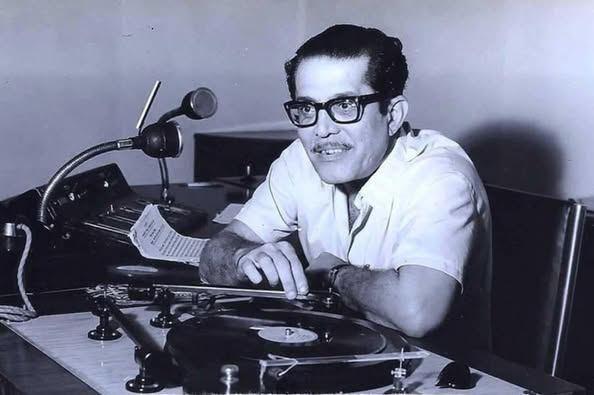
V. Balsara (Vistas Ardeshir Balsara) is revered as the first music director of Nepali cinema and the pioneering architect who shaped the earliest sound, rhythm, and emotional identity of Nepali film music. His compositions for Aama (1964), Nepal’s first feature film produced in Nepal, established the musical soul of an entire industry.Born in India and trained under legendary maestros such as Ustad Mushtaq Hussain, Master Ghulam Haider, and Khemchand Prakash, Balsara began his musical journey in 1942 with the Hindi film Badal. He became an independent music director with Circus Girl (1943) and went on to compose for 32 Bengali, 12 Hindi, and 3 Nepali films, along with more than 200 albums, showcasing mastery over piano, melodica, Univox, and several other instruments.His entry into Nepali cinema came when director Hira Singh Khatri decided to record the music of Aama in Calcutta. Balsara not only composed the first Nepali film songs but also introduced and shaped the voices of Shiv Shankar Manandhar, Tara Devi, and Pushpa Nepali in playback singing. His melodies for the lyrics of M.B.B. Shah and Laxman Lohani gave Nepali cinema its first musical fragrance.He returned for Hijo Aaja Bholi and later Parivartan, a landmark film that truly transformed Nepali film music. Through Parivartan, Balsara brought Narayan Gopal into playback singing, introduced Mira Rana, expanded Tara Devi’s musical range, and collaborated with writers like Chetan Karki and Tirtha Shrestha.The song “Bujhnai Sakenau Timile Mero Aankha Ko Bhaka” became an immortal milestone in Nepali film music, while “Bainiko Daya Chha Bhane Rodhigahr Dai Nachyo Nabhane” blended folk essence with cinematic sound in a groundbreaking way.Quiet, visionary, and deeply devoted to his craft, Balsara shaped not only melodies but also artists, opportunities, and the very direction of Nepali film music. His contribution remains foundational—etched in gratitude and golden memory.He passed away on 23 March 2005, but his melodies continue to echo as the first sweet remembrance of Nepali cinema’s musical journey.
V. Balsara
Music Director