

Ashish Aviral banner
Ashish Aviral

Ashish Aviral

@ashishaviral · Music Director, Music Arranger

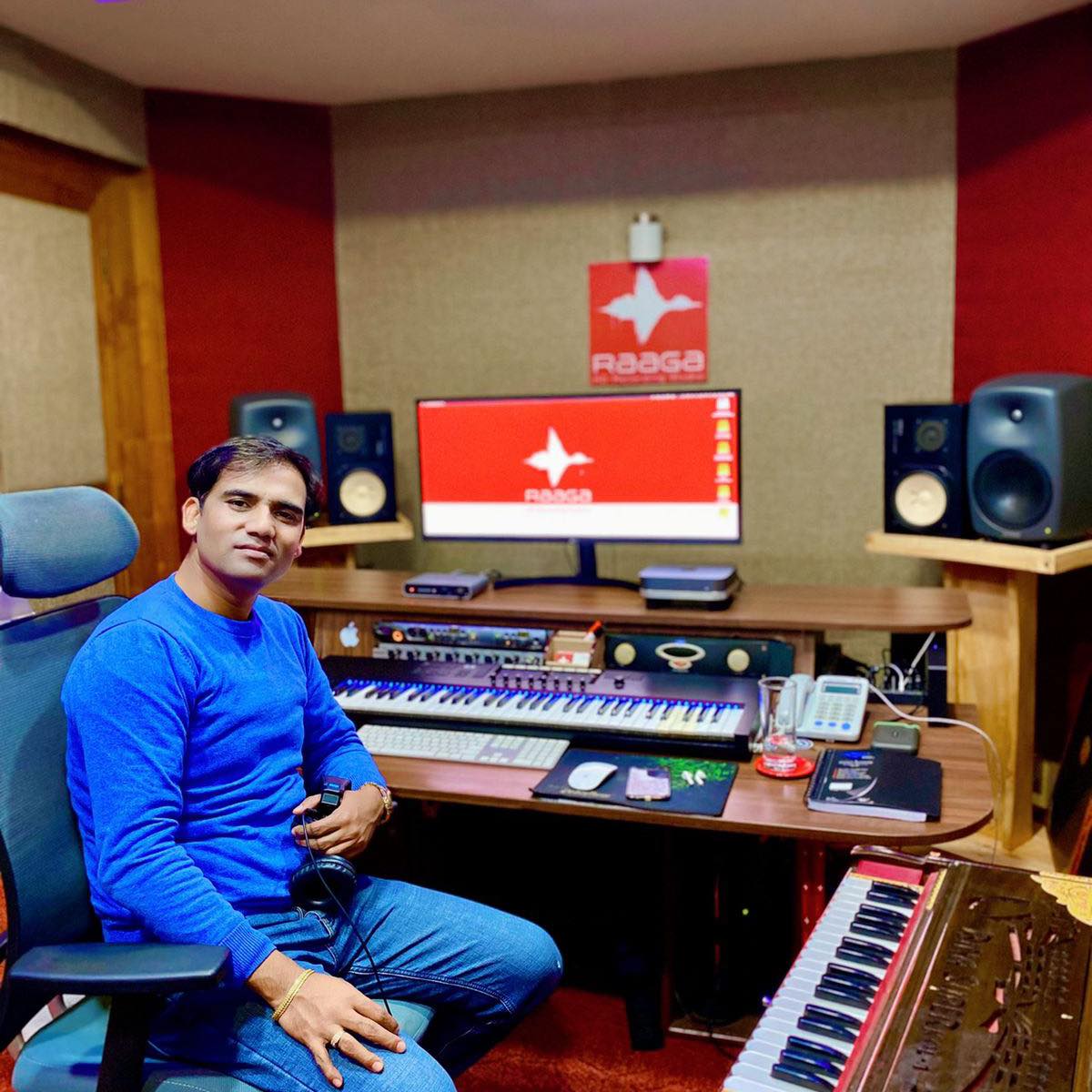
Ashish Aviral (Nepali: आशिष अविरल) is a Nepalese music director, music composer, and music arranger. Born on June 4, 1980, in the Baglung district of Nepal, he has made significant contributions to the Nepali music industry. Let’s explore more about ...

artistnepal.com/ashishaviral
0Followers
0Following
2Films

Biography

Ashish Aviral (Nepali: आशिष अविरल) is a Nepalese music director, music composer, and music arranger. Born on June 4, 1980, in the Baglung district of Nepal, he has made significant contributions to th...

Personal Info

Full NameAshish Aviral
Profession
Music Director
Music Arranger
Location
Active Since

Career Highlights

2

Films

Awards

Experience

Rating

Similar Artists

Artists you might also like
subash bhusal
Music Director

subash bhusal

Music Director

V. Balsara

V. Balsara (Vistas Ardeshir Balsara) is revered as the first music director of Nepali cinema and the pioneering architect who shaped the earliest sound, rhythm, and emotional identity of Nepali film music. His compositions for Aama (1964), Nepal’s first feature film produced in Nepal, established the musical soul of an entire industry.Born in India and trained under legendary maestros such as Ustad Mushtaq Hussain, Master Ghulam Haider, and Khemchand Prakash, Balsara began his musical journey in 1942 with the Hindi film Badal. He became an independent music director with Circus Girl (1943) and went on to compose for 32 Bengali, 12 Hindi, and 3 Nepali films, along with more than 200 albums, showcasing mastery over piano, melodica, Univox, and several other instruments.His entry into Nepali cinema came when director Hira Singh Khatri decided to record the music of Aama in Calcutta. Balsara not only composed the first Nepali film songs but also introduced and shaped the voices of Shiv Shankar Manandhar, Tara Devi, and Pushpa Nepali in playback singing. His melodies for the lyrics of M.B.B. Shah and Laxman Lohani gave Nepali cinema its first musical fragrance.He returned for Hijo Aaja Bholi and later Parivartan, a landmark film that truly transformed Nepali film music. Through Parivartan, Balsara brought Narayan Gopal into playback singing, introduced Mira Rana, expanded Tara Devi’s musical range, and collaborated with writers like Chetan Karki and Tirtha Shrestha.The song “Bujhnai Sakenau Timile Mero Aankha Ko Bhaka” became an immortal milestone in Nepali film music, while “Bainiko Daya Chha Bhane Rodhigahr Dai Nachyo Nabhane” blended folk essence with cinematic sound in a groundbreaking way.Quiet, visionary, and deeply devoted to his craft, Balsara shaped not only melodies but also artists, opportunities, and the very direction of Nepali film music. His contribution remains foundational—etched in gratitude and golden memory.He passed away on 23 March 2005, but his melodies continue to echo as the first sweet remembrance of Nepali cinema’s musical journey.

Music Director

V. Balsara

Music Director

Pioneer Era
Late Artists
Gopal Rasaily

The year 2004 introduced Moment of Bliss, the album that included the song Phul ko Akhaan Maa, which brought Ani Choying Drolma much acclaim. The song, written by Durga Lal Shrestha and composed by Nhyoo Bajracharya, went on to be one of the most played songs on media and one would be hard-pressed to find anybody in Kathmandu who hadn’t heard the tune. The song broke the monotony of the then popular music with its melody and easy flowing instrumentation and Ani’s soothing, almost meditative vocals. Although largely unrecognised by the public, Gopal Rasaily, the arranger of the song, also managed to gather appreciation for his work from others in the business; it represented a breakthrough for him in the Nepali music industry. Rasaily, who is also the in-house arranger at the Do Re Mi studio.

Music Arranger
Guitarist

Gopal Rasaily

Music Arranger, Guitarist

Shakti Ballav

Shakti Ballav Shrestha is a distinguished Nepali music composer and singer, renowned for his significant contributions to the country's music industry. Early Life and Education: Born on February 5, 1959, in Charikot, Dolakha, Nepal, Shakti Ballav is the son of Laxmi Kumar Shrestha and Khadga Kumari Shrestha. He pursued a Bachelor's degree in Economics from Trichandra College, Kathmandu. His musical education was under the tutelage of the late Chetnath Sharma, specializing in Eastern Classical Music. Musical Career: Shakti Ballav commenced his journey in music composition in 1975 (2032 B.S.). His first recorded piece aired on Radio Nepal in 1978 (2035 B.S.), featuring lyrics by Dr. Dirgha Singh Bam and vocals by Pratap Adhikari. Over the years, he has been associated with numerous albums, including: Pidhi Maya Ko Yam Ajambari Anuvuti Lakh Badhai Halkaara Prastav Pratibadha Maya Ko Rang Parichaye His compositions have resonated deeply with audiences, leading to his designation as a Prestigious Musician by Radio Nepal. Notable Songs: Shakti Ballav has crafted numerous songs that have become staples in Nepali music. Some of his notable compositions include: "Aafailai Bhar Bhayo Jindagi" performed by Rabin Sharma "Chandrama Ra Chakewako Milan" by Pabitra Subba "Udhu ki Gudu ma" by Kabita Krishna Murti "Ukali Orali Gardai" by Sonu Nigam "Phool Ko Dali Dalima" by Sonu Nigam & Purnima "Lagchha Mana Herirahu" by Ananda Karki "Tyo Sano Gaunko" by Thupten Bhutia "Sarangi Ta Rete Pani" by Shishir Yogi Awards and Recognition: Throughout his illustrious career, Shakti Ballav has been honored with several awards, reflecting his impact on Nepali music: Narayan Gopal Yuwa Puraskar (2052 B.S.) Chhinnalata Sangeet Puraskar (2053 B.S.) Music Nepal Award (2053 B.S.) – Gold Medal Narayan Gopal National Pratibha Puraskar (2058 B.S.) Hits FM Music Award (2067 B.S.) Natikaji Bishesh Sangeet Honor (2070 B.S.) Film Contributions: Beyond albums and singles, Shakti Ballav has made notable contributions to Nepali cinema as a music director and playback singer. His collaborations with actor Dhiren Shakya in films such as Deurali (1998), Rajkumar (1998), Zameen (1998), and Simana (1996) highlight his versatility and influence in the film industry. Shakti Ballav Shrestha's dedication and artistry have left an indelible mark on Nepali music, inspiring generations and enriching the nation's cultural heritage.

Music Artists
Music Director
Singer/ Performer

Shakti Ballav

Music Artists, Music Director, Singer/ Performer