


Tilak Bam Malla
@tilakbammalla · Music Artists, Folk Singer
Tilak Bam Malla, also known by his stage name Parivesh, is a Nepali folk-pop singer. He gained popularity in the late 90s with his second Lok Pop album, Parivesh Vol.2, which featured hit songs like Mutu Chune, Bhote Talcha, Haat Ma Rumal, and Chaite...
Biography
Tilak Bam Malla, also known by his stage name Parivesh, is a Nepali folk-pop singer. He gained popularity in the late 90s with his second Lok Pop album, Parivesh Vol.2, which featured hit songs like M...
Personal Info
Career Highlights
—
Films
—
Awards
26 yrs
Experience
—
Rating
Similar Artists
Artists you might also like
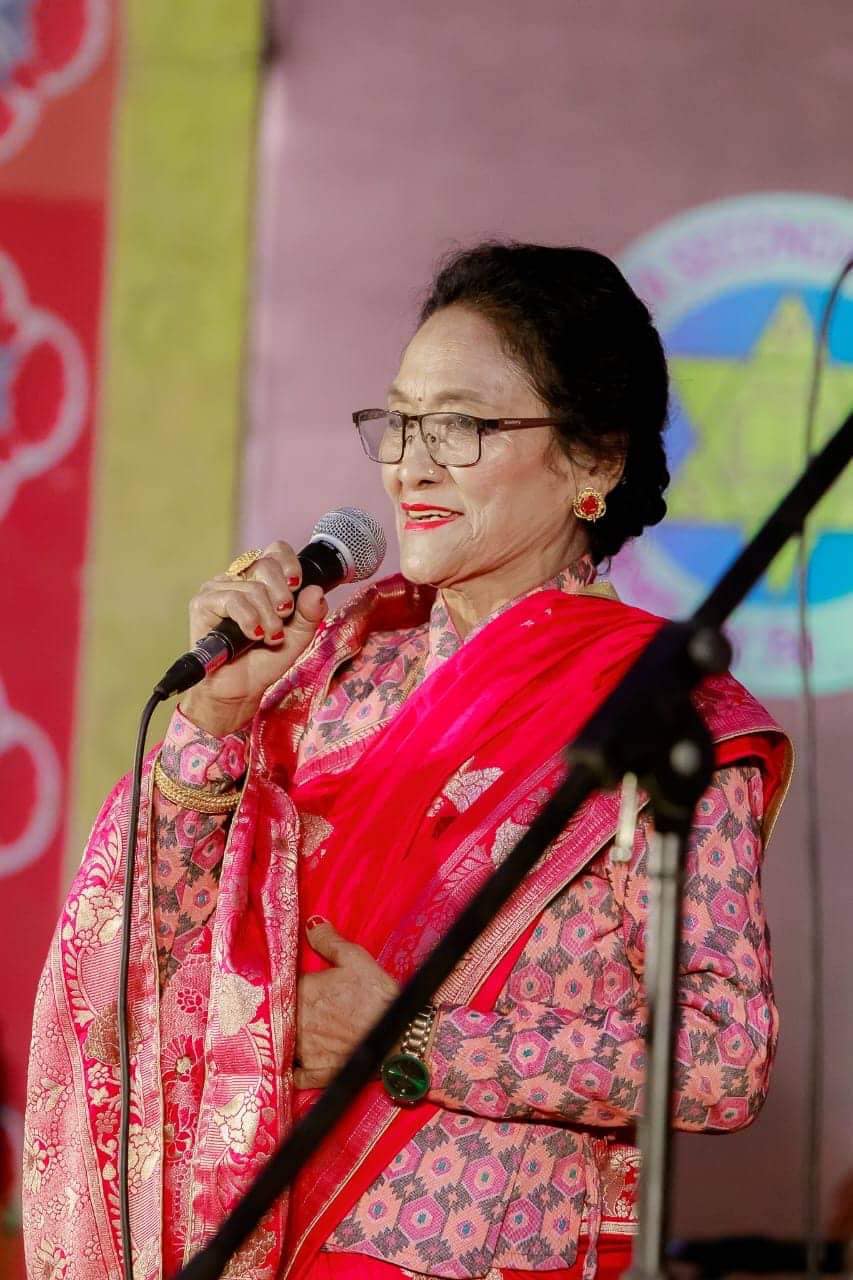
Baba Rana (बाबा राणा) is a distinguished Nepali singer renowned for her melodious voice and significant contributions to Nepali music. Born in Palpa, Nepal, she moved to Pokhara at the age of one and was raised in a musically inclined family. Her father, Colonel Dhan Bikram Rana, and her uncles were instrumental in nurturing her musical talents. She began singing at the age of nine and recorded her first song, "Dam Dam Damphu Bajeko Talai Ma," in 1971 (BS 2028) for Radio Nepal. Throughout her career, Baba Rana has recorded over 2,000 songs across various genres, including folk, modern, devotional, opera, film, and ghazals. Her notable songs include: "Karodau Mutuharuko Eutai Dhukdhuki Nepal" "Saaiko Ghar Kaha Ho Kaha" "Birsijane Nisturi" "He Aama Janmayau Kina" "Chautarima Ma Base Holaki" In recognition of her contributions, she received the "Famous Class Singer" title from Radio Nepal in 2055 BS and has been honored with awards such as the Prabal Gorkha Dakshin Bahu IV and the Indra Rajya Laxmi Puraskar. Baba Rana's dedication to music continues as she resides in Pokhara with her family, engaging in musical pursuits and honoring the legacy of her late husband, singer Saroj Gopal Bajracharya.
Baba Rana
Music Artists, Folk Singer
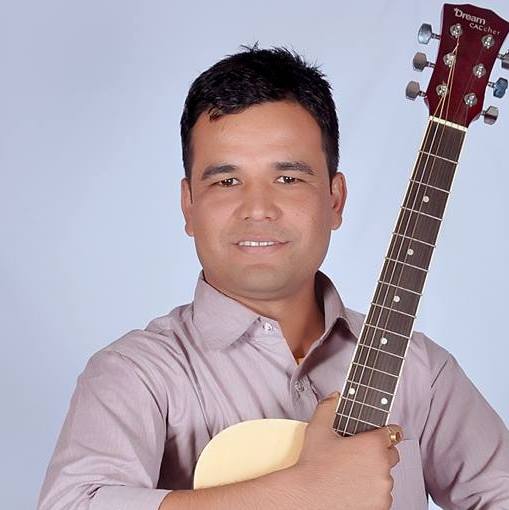
Santosh Shrestha (born February 3, 1981, Ghorahi, Dang) is a celebrated Nepali music director, composer, singer, and songwriter, widely recognized for his extraordinary linguistic versatility and prolific contribution to Nepali music. He is a Guinness World Record holder, honored for composing music in 12 world languages and later breaking his own record by writing music in 50 languages.Shrestha has composed over 700 film tunes and hundreds of folk songs, making him one of Nepal’s most recorded music directors. His works have been recorded in 14 languages, including Nepali, Hindi, Chinese, Japanese, English, Russian, Korean, French, Spanish, Italian, German, and Thai.His popular songs include “Timile Parai Thane Pachhi,” “Aauchhi Bhani Nisthuri Le,” “Timile Bhulna Sake Pani,” and “Timro Dilma Chot Lagda.”Shrestha has released numerous albums such as Chinaari (2062 BS), Sadhana (2066 BS), Sangam (2067 BS), Garima (2067 BS), Jhalak (2067 BS), Miteri (2068 BS), Gunjan (2070 BS), and Surakshya (2078 BS).
Santosh Shrestha
Music Artists, Music Director
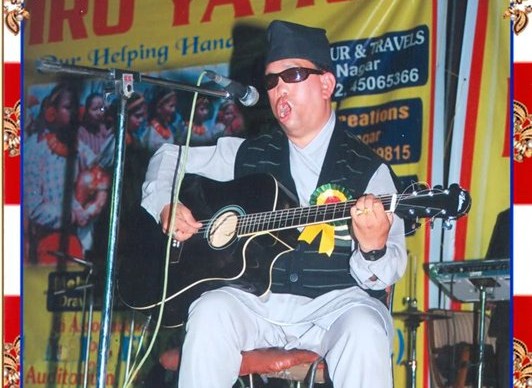
Paras Gazmer was a respected Nepali musician, composer, lyricist, and singer from Darjeeling, celebrated for his emotionally powerful songwriting and his unique ability to translate personal struggle into deeply moving music. Despite losing his eyesight at the age of one and a half due to measles, he rose to become one of the most influential musical voices of the Darjeeling hills.Born in Tindharey, Kurseong in 1962, Paras studied at the Kalimpong Blind School, where he learned guitar and developed his musical foundation. Entirely self‑taught, he composed, wrote, and arranged his own songs, drawing inspiration from lived experience, inner emotion, and the philosophy that “our sweetest songs are those that tell of saddest thought.”He gained widespread recognition with his acclaimed albums Sanjha Ko Gham (1993) and Mero Bhagya (1999), both of which left a lasting mark on Nepali music. His compositions often explored themes of longing, hardship, and the inner world of the differently‑abled, resonating deeply with audiences across Nepal, Darjeeling, Sikkim, and the Nepali diaspora.Paras Gazmer performed extensively across the hills and neighboring regions and was honored by various cultural organizations for his contributions. His legacy continues to be remembered as that of a musical icon who transformed adversity into art.
Paras Gazmer
Music Artists, Music Director, Singer/ Performer

Arun Thapa (1952–1999) was a beloved Nepali singer-songwriter known for his soulful voice and emotionally resonant lyrics. Born in Calcutta, India, he moved to Kathmandu as an infant and later studied in Darjeeling before returning to Nepal to pursue music. His career began in the early 1970s, with his first major hit Jati Maya Laye Pani launching him into national fame. Thapa’s music often reflected themes of love, longing, and introspection, inspired by a personal heartbreak during his college years. His compositions blended poetic depth with melodic simplicity, earning him a devoted following. He worked briefly at Nepal Bank Limited before dedicating himself fully to music, recording for Radio Nepal and releasing two acclaimed albums: Arun and The Best of Arun. Despite battling lung and liver ailments, he continued to sing until his passing in 1999. His legacy lives on through his timeless songs, many of which are considered sadabahar (evergreen) classics.
Arun Thapa
Music Artists, Singer/ Performer