
Laxmi Dangol
@laxmidangol · Musicians & Instrumentalists
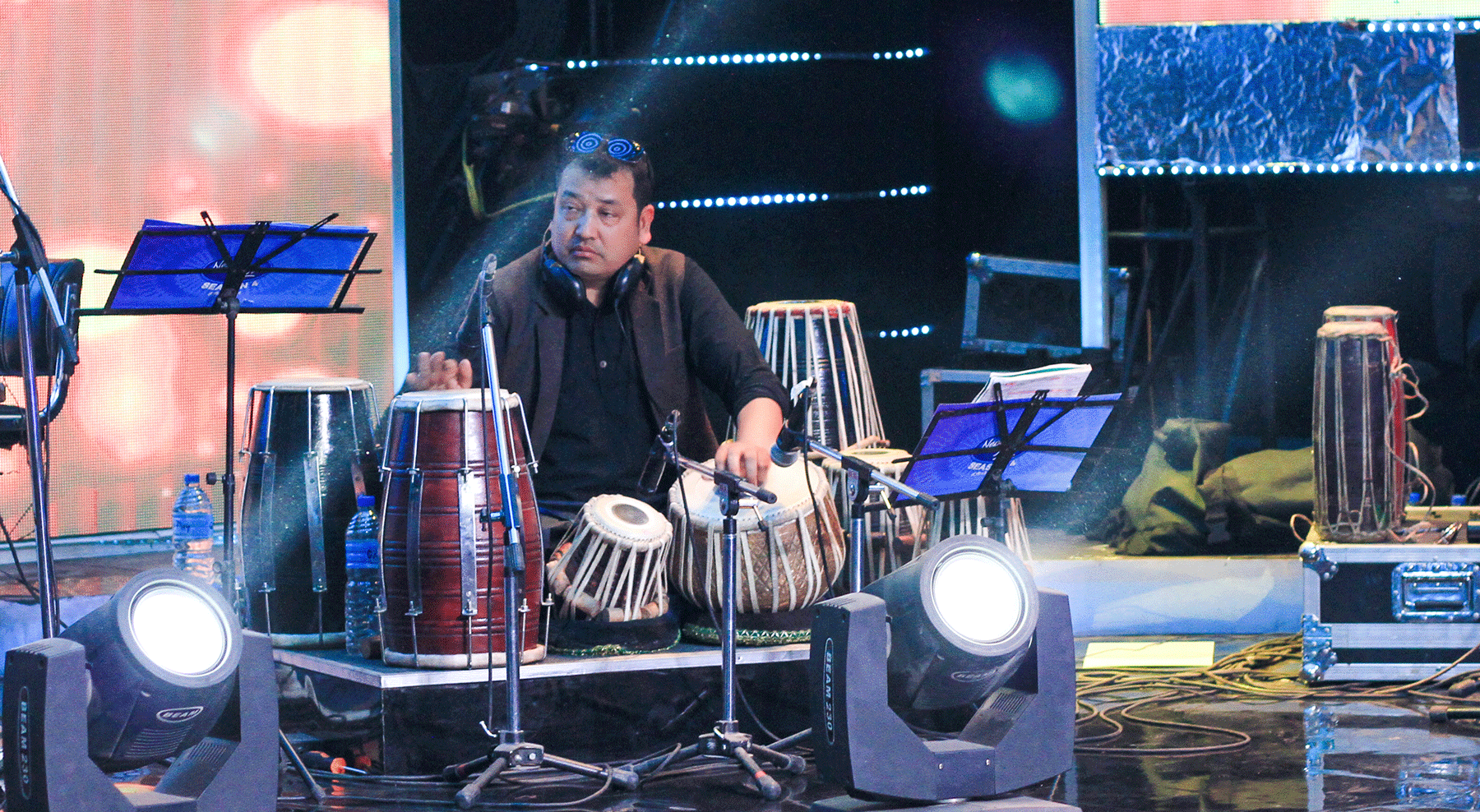
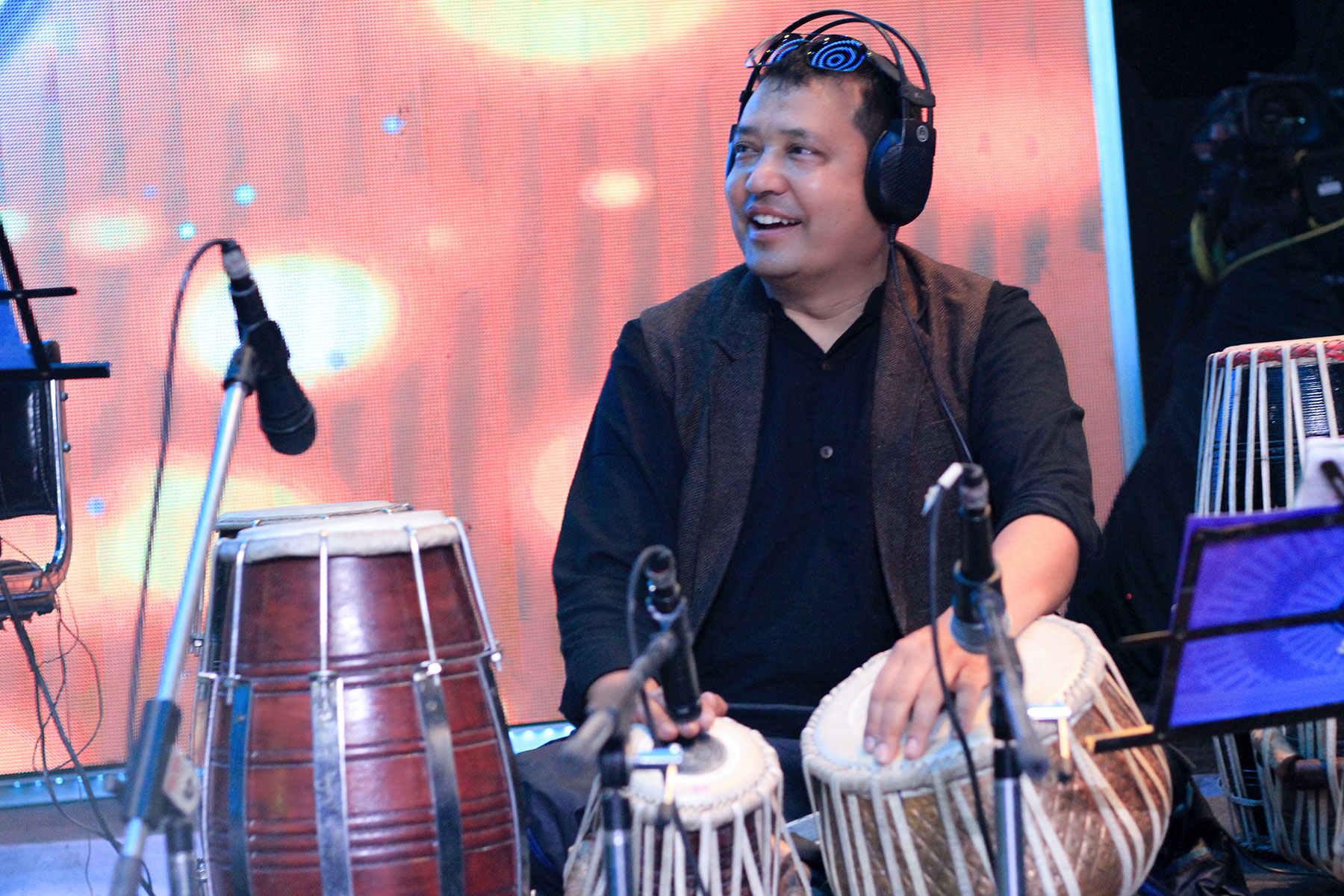
Laxmi Prasad Dangol is a Nepalese tabla player. He is also member of Jayshree Music society & of Project Baja Nepal. He evolved into as a tabala player in many classical music and songs and Nepal idol.
Biography
Laxmi Prasad Dangol is a Nepalese tabla player. He is also member of Jayshree Music society & of Project Baja Nepal. He evolved into as a tabala player in many classical music and songs and Nepa...
Personal Info
Career Highlights
—
Films
—
Awards
—
Experience
—
Rating
Similar Artists
Artists you might also like
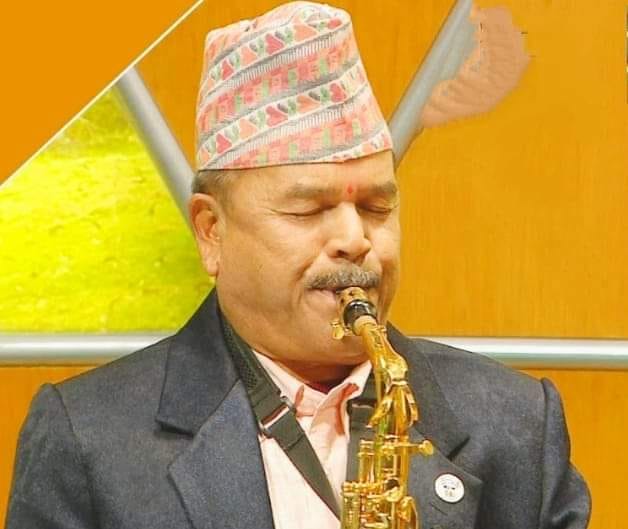
Subha Bahadur Sunam was a legendary Nepali music composer, saxophonist, and retired Brigadier General of the Nepal Army, celebrated for shaping modern Nepali music. Active for over five decades, he began composing at age 20 and became known for blending classical and contemporary styles. He co-composed the iconic song Parkhi Basey Aula Bhani with Sambhujeet Baskota under the name ShubhaSambhujeet. As a saxophone virtuoso, he was also the music mentor to Prince Dipendra. His contributions enriched Radio Nepal’s golden era and inspired generations of musicians. Sunam passed away in 2022 at age 74, leaving behind a profound musical legacy.
Subha Bahadur Sunam
Music Artists, Musicians & Instrumentalists, Saxophonist
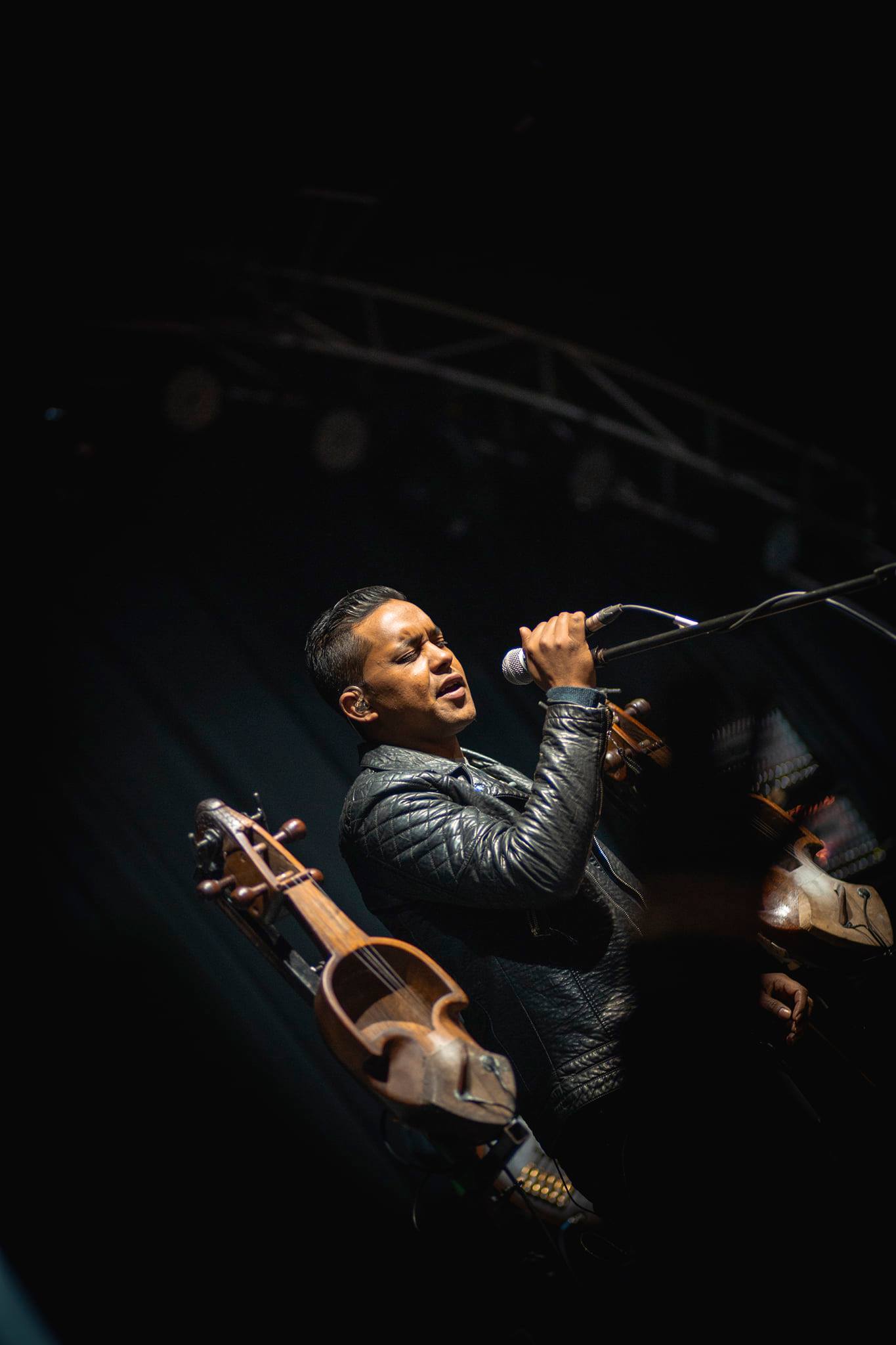
Kiran Nepali, a renowned Sarangi player from Nepal, is a member of the folk band Kutumba. He is a third generation Sarangi player in his family, and explains that he is greatly influenced by his grandfather, father and uncles, who were all Sarangi players of their times.
Kiran Nepali
Musicians & Instrumentalists, Sarangi Player
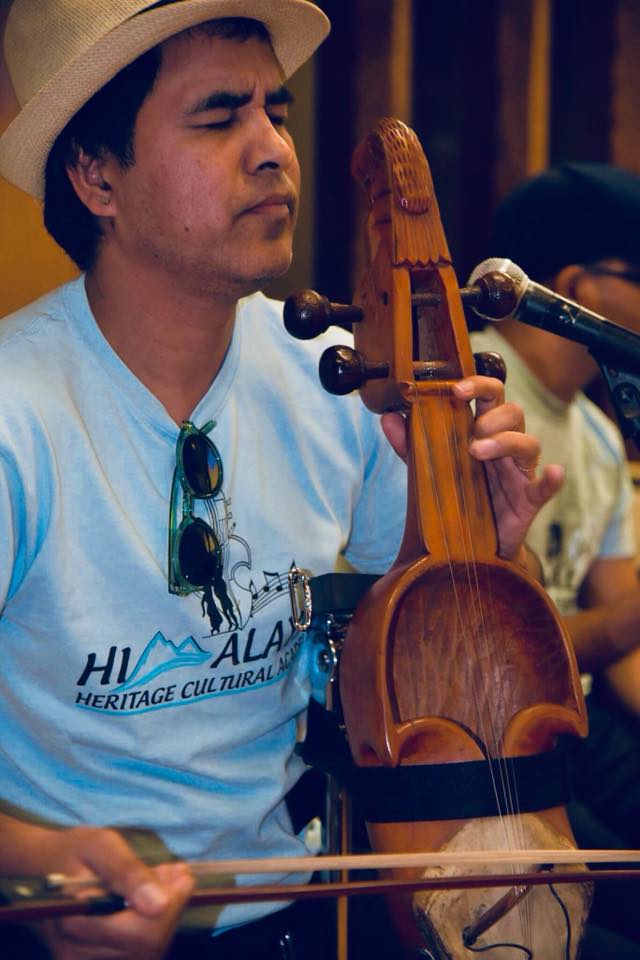
Shyam Nepali is an acclaimed Sarangi player & one of the most notable instrumentalists from Nepal.He has a worldwide following with innumerable national/international performances & a career spanning over 30 years & 50 full-length folk/contemporary albums
Shyam Nepali
Musicians & Instrumentalists, Sarangi Player
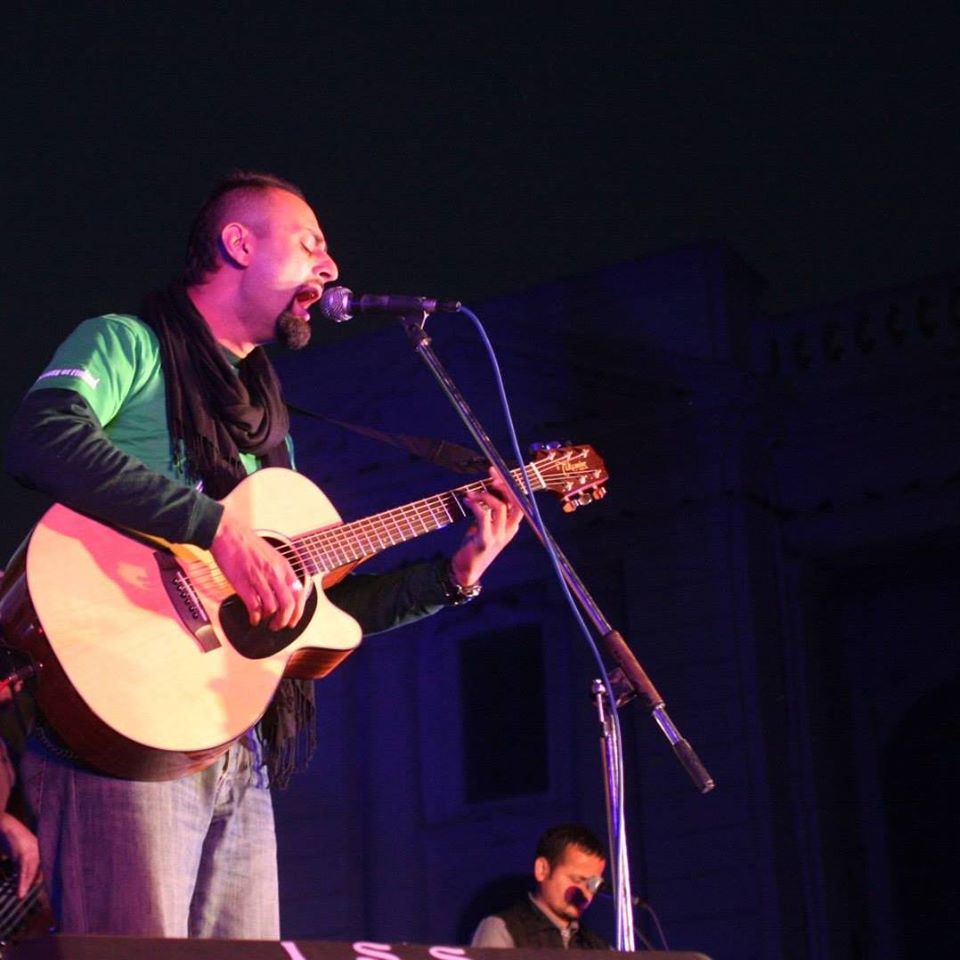
Lochan Rijal is a multi-instrumentalist, a singer, songwriter and a scholar of ethnomusicology. Born in the Panchthar district of Nepal, he grew up around music performed at festivals by the local people of that region. The experience influenced him to explore the potential of sound and develop his passion into his profession. While in college, he began teaching music to school children in Kathmandu while also working in the pop and rock music scene, producing award-winning albums, before moving onto something that fed his scholarly ambitions. In 2014, he graduated with a PhD in ethnomusicology from the University of Massachusetts and Kathmandu University. He also works as the associate professor and Head of Kathmandu University’s Department of Music.
Lochan Rijal
Music Artists, Lyricist, Musicians & Instrumentalists