

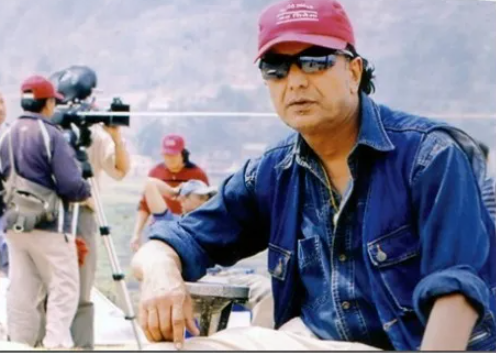
Deepak Rayamajhi
@deepak-rayamajhi · Film Director
Deepak Rayamajhi was a celebrated Nepali film director and producer widely regarded as a key figure in shaping modern commercial Nepali cinema. Known for introducing fresh faces, stylish visuals, and contemporary storytelling, he played a major role ...
Biography
Deepak Rayamajhi was a celebrated Nepali film director and producer widely regarded as a key figure in shaping modern commercial Nepali cinema. Known for introducing fresh faces, stylish visuals, and...
Personal Info
Career Highlights
3
Films
1
Awards
36 yrs
Experience
—
Rating
Similar Artists
Artists you might also like
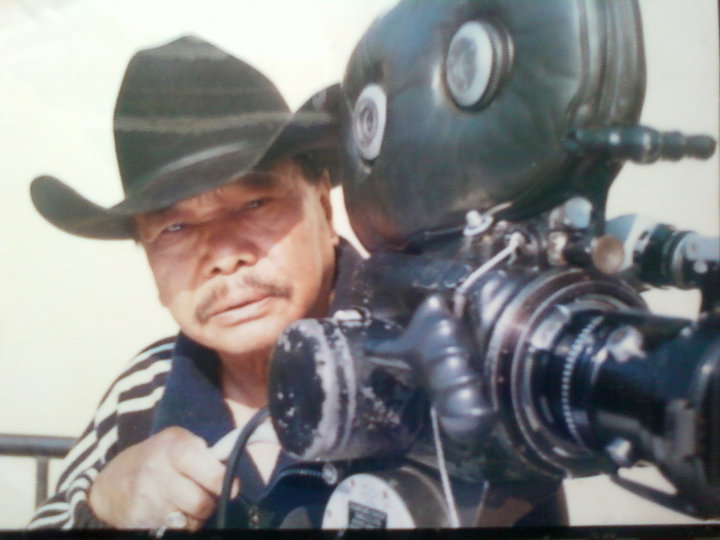
Pratap Subba was a pioneering Nepali film director, writer, and lyricist from Darjeeling whose work helped shape the early identity of Nepali cinema. Active primarily in the 1970s and 1980s, he directed influential films such as Paralko Aago, Bachna Chahane Haru, Masaal, Kahi Andhyaro Kahi Ujyalo, Didi, Chatyang, and Bhisma Pratigya. Known for his realistic storytelling and strong emotional depth, Subba also contributed memorable lyrics and dialogues that enriched the cultural texture of his films. His commitment to authentic Nepali narratives made him one of the most respected filmmakers of his generation, leaving a lasting legacy in both Nepali and Darjeeling-based cinema.
Pratap . Subba
Film Director
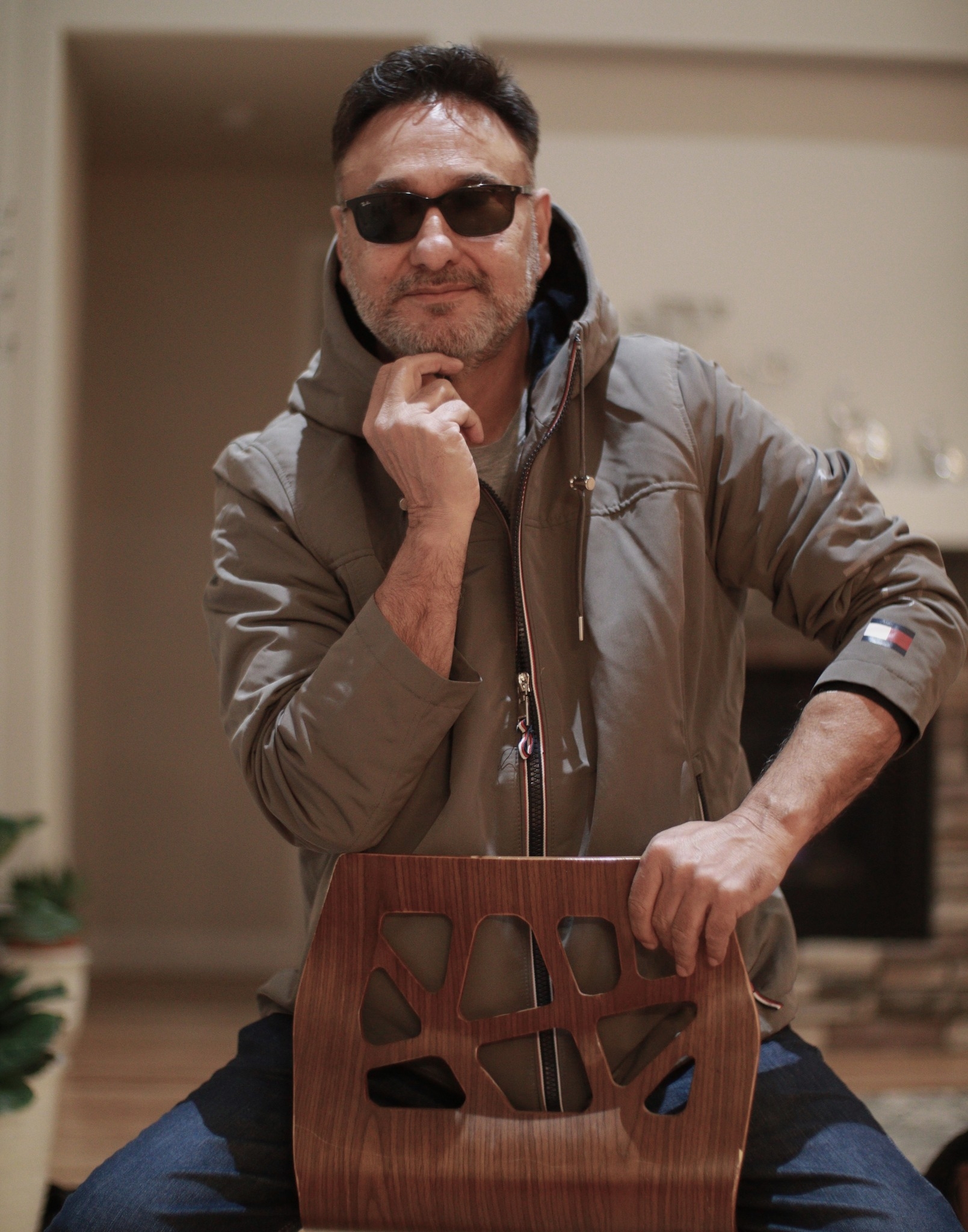
Ujwal Ghimire is a veteran Nepali film and television director, producer, writer, and actor whose career spans more than four decades and has significantly shaped mainstream Nepali cinema. Beginning in theatre and early Nepal Television programs, he rose to prominence with acclaimed films such as Kismat, Chhodi Gaye Paap Lagla, Andaj, and Woda No. 6. Known for emotionally resonant storytelling and audience‑centered direction, he has earned multiple National Film Awards and industry honors. Ghimire remains an influential creative force, contributing to film, television, and the development of new talent in Nepal’s entertainment industry.
Ujwal Ghimire
Film Director, Film Maker/ Producer
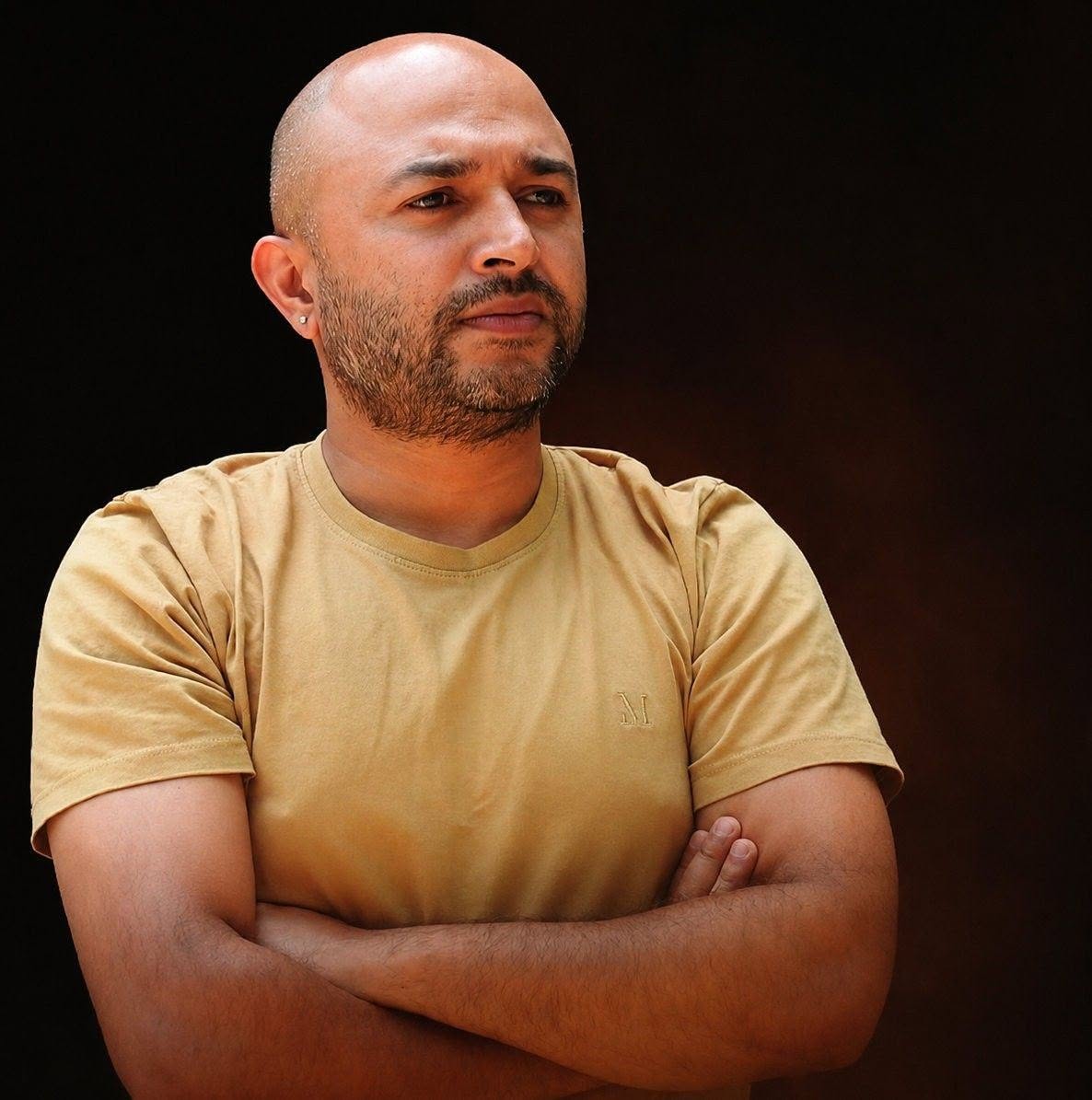
Nabin Bhatt is a Nepali film and theatre artist, known for his work as a director, actor, and creative storyteller across stage and screen. Emerging from Nepal’s contemporary theatre movement, Bhatt developed his artistic foundation through acting, ensemble work, and script‑driven performance before transitioning into filmmaking.Active in theatre productions, workshops, and character‑based stage performances, he is recognized for his grounded acting style and his ability to shape emotionally layered narratives. His theatre background strongly influences his directing approach — emphasizing realism, character psychology, and performance‑centered storytelling.In film, Bhatt works as a director and creative contributor, developing stories that blend social themes, human relationships, and dramatic structure. His dual experience in theatre and cinema positions him among the new generation of Nepali creators who bridge stage discipline with visual storytelling.Bhatt continues to expand his presence in Nepal’s creative landscape through directing, acting, writing, and collaborative artistic projects.
Nabin Bhatt
Film Director
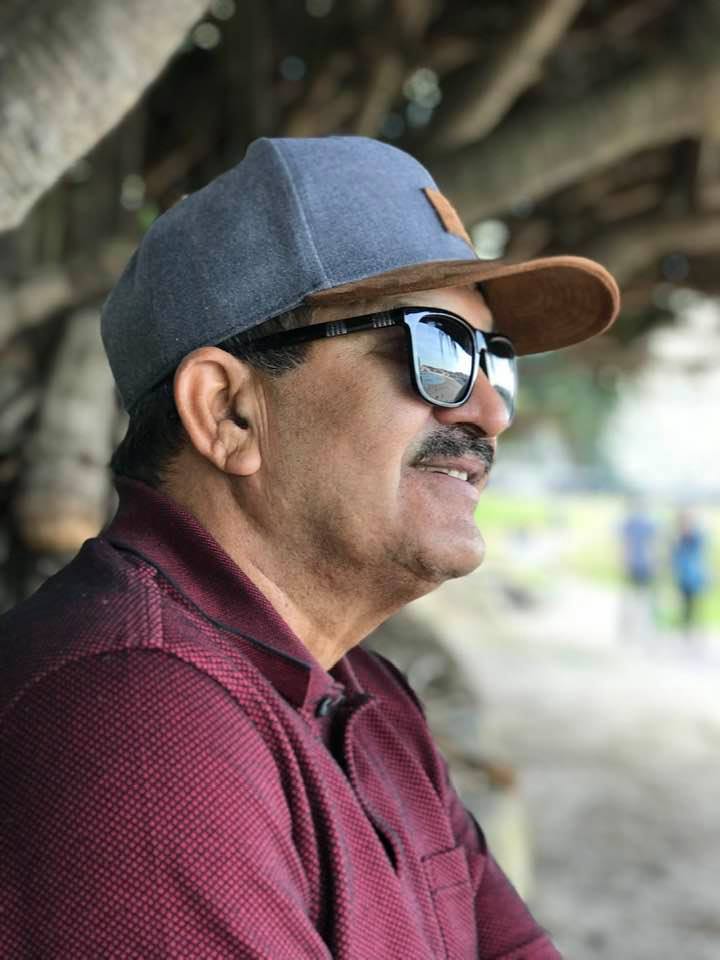
Laya Sangroula is a Nepali actor and filmmaker known for his thoughtful performances and contributions to socially conscious cinema. Active across film, theatre, and television, he has built a reputation for portraying grounded, emotionally layered characters that reflect everyday Nepali life. Sangroula has also worked behind the camera, engaging in writing and direction that highlight cultural identity, social issues, and human relationships. His commitment to meaningful storytelling and his steady presence in the industry have made him a respected creative voice within contemporary Nepali film and performing arts.
Laya Sangroula
Film Director, Character Artists, Film Artists